
Pests
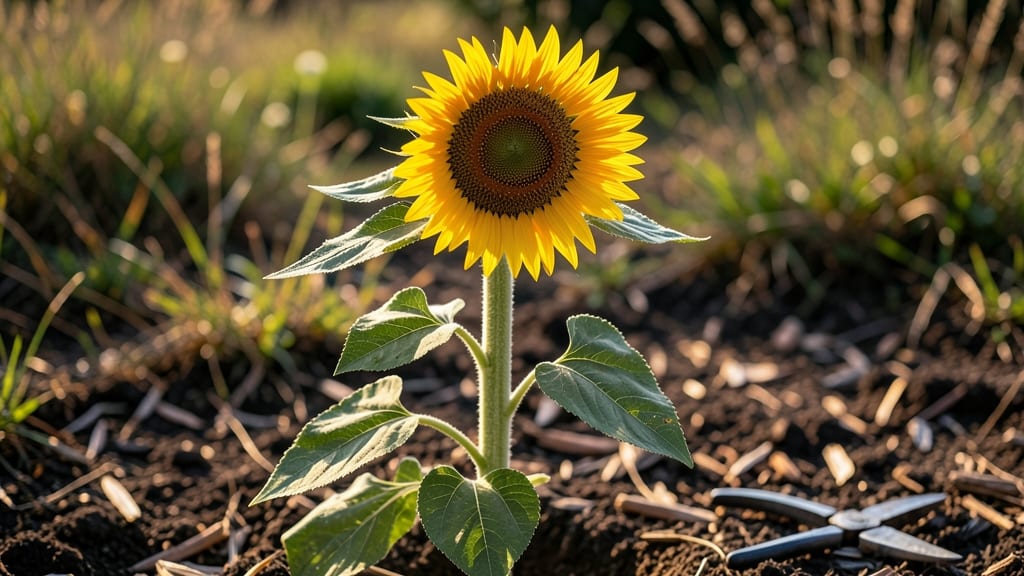
Sunflowers grow from tiny seeds to towering giants in just a few months—each stage packed with surprises. 🌻 I’ll never forget the first time I watched a seedling shoot up overnight, its fuzzy leaves unfurling like a secret.
The journey starts with a speck of seed and ends with a sunlit bloom that draws hummingbirds like a magnet.
First come the cotyledons—those first tiny leaves that look like little shields—within 7-14 days of planting. Then the real fun begins: the true leaves appear, jagged-edged and bright green, while the stalk stretches toward the sky.
By 4-6 weeks, you’ll spot the bud forming—a fuzzy, green golf ball that swells into a showstopper.
By 8-12 weeks, the bud cracks open to reveal petals as golden as a summer sunset. The center turns dark and dense, signaling it’s ready to attract pollinators.
With proper care—consistent watering, full sun, and well-draining soil—your sunflower will reach its full height, sometimes 10+ feet tall.
This isn’t just about watching them grow—it’s about the sensory magic of rustling leaves, the weight of a heavy bloom, and the joy of harvesting seeds for next year. Let’s break down each stage so you can nurture yours from start to finish.
📚 In This Guide
- What you need
- Instructions
- Tips and common mistakes
- Wrapping up and next steps
What you need
- ● Sunflower seeds: Choose disease-resistant varieties (e.g., Helianthus annuus). Start with 10–20 seeds for a small garden or 50+ seeds for a full patch.
- ● Potting mix or garden soil: Well-draining, nutrient-rich soil (pH 6.0–7.5). For containers, use 1–2 gallons per plant of high-quality potting mix.
- ● Compost or organic fertilizer: Balanced 10-10-10 or slow-release granules (e.g., 1 cup per 10 sq ft of garden space).
- ● Watering can or hose with a gentle nozzle: Sunflowers need 1–2 inches of water per week (more in hot climates).
- ● Garden gloves: Protect your hands while handling soil or thorny stems.
- ● Trowel or small shovel: For planting seeds ½–1 inch deep in rows 18–24 inches apart.
- ○ Stakes or trellis (optional): Tall varieties (6+ ft) may need support. Use 3–4 ft stakes tied gently to stems.
- ● Pruners or scissors: For trimming dead leaves or harvesting seeds.
- ○ Row cover or mesh (optional): Protects seedlings from pests like sunflower moths or beetles.
- ● Sunlight: Full sun (6–8+ hours daily) is a must for robust growth.
- ● Warmth: Ideal soil temps: 55–75°F (13–24°C). Start seeds indoors 4–6 weeks before last frost or direct-sow after frost.
- ● Space: Dwarf varieties need 12 inches apart; giants require 2–3 feet.
How sunflowers grow: a season-long journey from seed to bloom
Sunflowers transform from tiny seeds into towering giants in just a few months—here's how to track each milestone.
🌱 Step 1: Germination and First True Leaves (Days 7-14)
After sowing seeds ½ inch deep in warm, moist soil, germination begins when soil temperatures reach 70-85°F. You'll see the first sign—a tiny shoot pushing through the soil—within 5-7 days. Keep the soil consistently moist but never soggy, as sunflower seedlings are sensitive to rot.
Once the first true leaves appear (the second set after the initial seed leaves), you've reached the seedling stage. These leaves will be oval-shaped and slightly serrated along the edges. This is when you can thin seedlings to 12-18 inches apart if they're crowded, ensuring each plant has room to develop a strong root system.
🌿 Step 2: Vegetative Growth and Stem Elongation (Weeks 3-6)
During this rapid growth phase, sunflowers focus on building their structure. You'll notice stems thickening and leaves growing larger, with the lower leaves developing a rough texture. This is the plant's way of preparing for the energy demands of flowering. Sunflowers need full sun (6-8 hours daily) during this stage to avoid leggy growth.
Here's the thing—sunflowers grow surprisingly fast. In just 4-6 weeks, you'll see the first signs of a bud forming at the top of the stem. The bud will appear as a small, fuzzy green ball. This is your cue to monitor watering closely; too much moisture can cause the stem to weaken before it reaches maturity.
☀️ Step 3: Bud Formation and Flower Development (Weeks 6-8)
The bud will gradually expand, revealing layers of petals that resemble a tightly packed green cone. This stage is when sunflowers need the most sunlight—8+ hours daily—to develop strong, vibrant blooms. You'll notice the petals begin to open from the outer edges inward, revealing the dark center.
Real talk: sunflowers are heavy feeders. If you notice yellowing leaves or stunted growth, add a balanced fertilizer (10-10-10) at half-strength. The goal is to support the plant's energy needs without overloading it with nutrients. Watch for the first petals to unfurl completely—this signals the flower is nearly ready for pollination.
🌻 Step 4: Full Bloom and Pollination (Weeks 8-10)
When the sunflower fully opens, its petals will face the sun, creating a striking contrast against the dark center. This is the plant's way of attracting pollinators like bees and butterflies, which transfer pollen from flower to flower. You'll see the center develop a fuzzy texture as it prepares for seed production.
Here's the moment that matters: the sunflower will reach its maximum height—often 6-12 feet tall, depending on the variety. The stem will feel sturdy but flexible, a sign the plant is well-supported. If you're growing sunflowers for seeds, leave the blooms on the plant until the back of the flower turns yellow and the seeds feel dry to the touch.
Tips & tricks for perfect sunflower growth stages
Sunflowers reward patience with stunning results—here’s how to optimize each growth phase for maximum success.
Soil Temperature Secret: Germination thrives when soil stays between 70-85°F—use a soil thermometer to verify. If your spring soil runs cooler, consider black plastic mulch or a cold frame to create a warmer microclimate. I’ve seen germination rates drop dramatically when temps dip below 70°F, so don’t rush planting until the ground warms.
Thinning Technique: When those first true leaves appear (around Days 7-14), resist the urge to thin too early. Wait until seedlings are at least 2 inches tall—this ensures you’re removing weak plants and leaving the strongest stems. Use small scissors or your fingers to avoid disturbing roots, and space survivors 12-18 inches apart for optimal air circulation and sunlight exposure.
Sunlight Strategy: During Weeks 3-6, when stems are elongating rapidly, position sunflowers to receive 6-8 hours of direct sunlight daily. South-facing windows or southern exposures work best. If growing indoors, supplement with grow lights—sunflowers won’t tolerate shade during this critical structural development phase. I’ve watched leggy stems develop when plants get only 4-5 hours of light, leading to weak stems that can’t support blooms.
Bud Development Watch: Once that fuzzy green bud forms (around 4-6 weeks), reduce watering slightly—overly moist soil at this stage can cause the stem to split or weaken. Focus on 8+ hours of sunlight daily now, and consider staking taller varieties (like ‘Mammoth’) to prevent top-heavy stems from bending. The difference between a sturdy bloom and a flopped disaster often comes down to this careful balance.
Pro Tips for Stages Of Sunflower
- Sunflowers reward patience with stunning results—here’s how to optimize each growth phase for maximum success.
- Soil Temperature Secret: Germination thrives when soil stays between 70-85°F—use a soil thermometer to verify.
- Thinning Technique: When those first true leaves appear (around Days 7-14), resist the urge to thin too early.
Frequently asked questions
Got questions about sunflower growth? You’re not alone! Here are some of the most common queries about their stages—from sprouting to harvest—along with quick, practical answers to keep your sunflowers thriving.
How long does it take for sunflower seeds to germinate?
Sunflower seeds typically germinate in 7–14 days after planting, depending on soil temperature and moisture. Keep the soil consistently moist (but not soggy) and warm—ideal conditions are 70–85°F (21–29°C). If germination takes longer than 2 weeks, check for rot or overly cold soil.
What’s the fastest way to tell if a sunflower is ready to harvest?
Sunflower seeds are ready to harvest when the back of the flower head turns brown and the petals begin to droop. If you press a seed between your fingers, it should squeeze out easily—like soft butter. Harvest on a dry day to prevent mold, then let heads dry indoors for 1–2 weeks before processing.
Why are my sunflower leaves turning yellow or spotted?
Yellowing or spotted leaves are often signs of pests (aphids, beetles) or diseases (powdery mildew, rust). Check the undersides of leaves for bugs, and treat with neem oil or insecticidal soap if needed. For fungal issues, improve airflow, avoid overhead watering, and consider a fungicide. Act fast—early intervention saves your plants!
Can sunflowers grow in partial shade, or do they need full sun?
Sunflowers love full sun (6–8+ hours daily), but they can tolerate partial shade (4–6 hours)—though this may reduce flower size and seed yield. If growing in shade, choose dwarf varieties (like ‘Teddy Bear’) and ensure rich, well-draining soil to compensate for less light.
What’s the best temperature range for sunflowers to thrive?
Sunflowers thrive in warm temperatures (60–85°F / 15–29°C). They’re frost-sensitive—plant after the last frost in spring—and may struggle in extreme heat (<90°F / 32°C+), which can cause bolting (premature flowering). Mulch to regulate soil temp and provide consistent moisture.
Wrapping up and next steps
Understanding the stages of sunflower growth empowers you to nurture these vibrant plants from tiny seedlings to towering blooms—while keeping pests at bay! 🌻 From germination to seed production, each phase offers unique opportunities to protect your sunflowers with the right tools and techniques.
Now that you’re armed with knowledge, take the next step: grab your gloves, check your garden, and give your sunflowers the care they deserve. Whether you’re a seasoned gardener or a curious beginner, every sunny day is a chance to grow something beautiful—and pest-resistant!