
Propagation
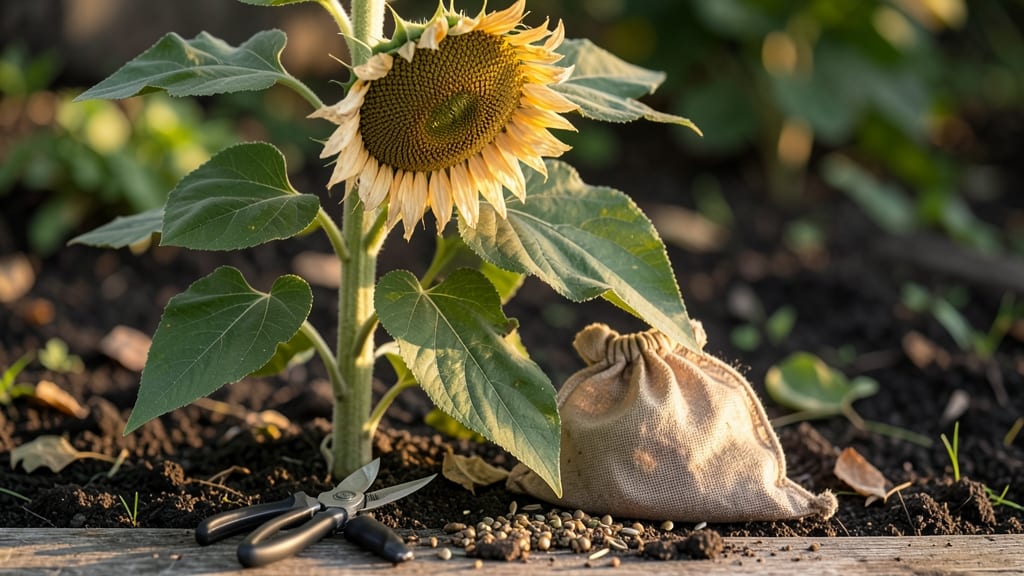
Saving sunflower seeds for next year starts with letting the blooms stay on the stem until they turn brown and papery—this tells you they're ready to harvest. 🌻 I've learned the hard way that rushing the process means seeds won't germinate, so patience pays off when your next crop pops up reliably.
The right timing and a little care transform last year's flowers into next season's towering giants.
You'll only need a few simple tools: clean paper bags, a dry workspace, and a small container for storage. The key is letting those seed heads fully dry in a warm, dry spot for about two weeks before handling them.
This prevents mold and ensures the seeds stay viable for planting. Once dry, you'll be able to shake them right out of the flower heads with just your fingers.
Proper storage keeps seeds good for years—place them in an airtight container in a cool, dark place like your pantry. Check them occasionally to make sure no moisture sneaks in, which can ruin your stash.
When spring rolls around, you'll have fresh seeds ready to grow into those same sun-drenched blooms you love.
Experiment with heirloom varieties to build your own seed collection over time. Each year, you'll get better at selecting the healthiest seeds and avoiding common pitfalls like damp storage or pest damage. Before you know it, you'll have a self-sustaining sunflower garden that thrives year after year.
📚 In This Guide
- What you need
- Instructions
- Tips and common mistakes
- Wrapping up and next steps
What you need
- ● Mature sunflower heads: Choose fully dried, brown heads from healthy plants (at least 2–3 inches in diameter).
- ● Sharp pruning shears or scissors: For cleanly cutting the seed heads from the stems.
- ● Paper bags or breathable mesh sacks: 1–2 per seed head (to allow airflow and prevent moisture buildup).
- ● Drying tray or clean, flat surface: A large baking sheet or cardboard works well.
- ● Fine-mesh strainer or sieve: To separate seeds from chaff and debris.
- ● Air-tight storage containers: Glass jars, plastic bins with tight lids, or seed envelopes (preferably food-grade or labeled for seed storage).
- ○ Silica gel packets (optional but helpful): 1–2 packets per container to absorb excess moisture.
- ● Permanent marker or labels: To tag containers with the variety name and date.
- ● Paper towels or newspaper: For cleaning seeds if needed.
- ● Dehumidifier or fan: To speed up drying in humid climates.
- ● Seed viability test kit: For checking germination rates before planting.
- ● Vacuum sealer: For long-term storage (extends shelf life by years!).
- ● Notebook: To log seed varieties, harvest dates, and storage conditions.
Step-by-Step guide to harvesting and storing sunflower seeds
Here's how to turn this year's blooms into next year's garden stars.
🌿 Step 1: Choose and Wait for Mature Heads
Select the healthiest sunflowers with fully developed heads—look for brown, papery petals that have fallen away naturally. The back of the seed head should feel dry and papery, not moist or green. I wait until the seeds inside rattle when I shake the head gently; that's your signal they're ready.
Cut the stems 2-3 inches below the seed head using clean shears. Leave a short stem to make handling easier. Place the cut heads in a dry, well-ventilated area like a garage or covered porch. Never store them in direct sunlight or humidity—they'll spoil before you can dry them properly.
💧 Step 2: Dry the Seed Heads Completely
Spread the cut heads on a clean, breathable surface like a screen or mesh tray. Place them in a dry, dark location with good airflow—think 60-70°F and low humidity. I use a garage shelf or basement corner where air circulates but won't blow directly on them.
Turn the heads every 2-3 days to ensure even drying. It typically takes 2-4 weeks until the seeds inside are completely dry and the seed head feels light as a feather. If you rush this step, seeds won't germinate properly next year.
✂️ Step 3: Extract and Clean the Seeds
Once fully dry, rub the seed head between your palms or use a clean cloth to gently remove the seeds. I like to do this on a large cookie sheet to catch any stray seeds. Discard any seeds that are shriveled, discolored, or damaged—they won't sprout well.
Spread the good seeds on a clean, dry surface and let them air-dry for an additional 24-48 hours. This final drying step ensures maximum storage life. Avoid using a hairdryer or oven—heat can kill the seeds' viability faster than you think.
🪴 Step 4: Store Seeds Properly for Long-Term Viability
Transfer the dried seeds into airtight containers like glass jars or vacuum-sealed bags. Label each container with the sunflower variety and harvest date—this helps track freshness. Store them in a cool, dark place like a pantry or refrigerator, where temperatures stay between 32-40°F.
Under these conditions, sunflower seeds typically stay viable for 3-5 years. Check them annually and discard any that smell musty or feel damp. Properly stored seeds will germinate just as well as fresh ones when planted next spring.
Tips & tricks for perfectly viable sunflower seeds
Between us, the difference between seeds that sprout beautifully and ones that fail often comes down to these small but crucial details.
Selection Tip: In Step 1, when choosing your sunflower heads, look for ones that have completely dried on the plant. The petals should have fallen away naturally, and if you gently shake the head, you should hear seeds rattling inside. I learned this the hard way after trying to dry heads that were still slightly moist—those seeds developed mold and became unusable.
Drying Environment: For Step 2, the 60-70°F temperature range is ideal, but humidity is just as critical. If your garage or basement feels damp, consider placing a small fan nearby to improve airflow without blowing directly on the seed heads. I've seen seeds spoil in humid conditions even when temperatures were correct, so this extra step makes all the difference.
Seed Extraction: When removing seeds in Step 3, take your time to avoid damaging them. I like to use a clean kitchen towel to gently rub the seed heads—this catches stray seeds while protecting the good ones. Discard any seeds that look shriveled or discolored immediately, as they won't germinate. This step ensures you're only storing the best seeds for next year's garden.
Storage Wisdom: For Step 4, while glass jars work well, vacuum-sealed bags actually remove moisture better and extend viability. If you don't have vacuum bags, place a small silica gel packet in your container to absorb any remaining moisture. Labeling with the variety and date is non-negotiable—trust me, you'll forget otherwise!
Pro Tips for Save Sunflower Seeds For Next Year
- Between us, the difference between seeds that sprout beautifully and ones that fail often comes down to these small but crucial details.
- Selection Tip: In Step 1, when choosing your sunflower heads, look for ones that have completely dried on the plant.
- Drying Environment: For Step 2, the 60-70°F temperature range is ideal, but humidity is just as critical.
Frequently asked questions
Got questions about saving sunflower seeds? You’re not alone! Here are answers to the most common concerns—so you can confidently store seeds and grow a fresh crop next season.
How long can I store sunflower seeds before they lose viability?
Properly dried and stored sunflower seeds can stay viable for 2–5 years in cool, dark conditions (below 40°F/4°C). Test germination annually by planting a few seeds—if fewer than 50% sprout, refresh your stash!
When is the best time to harvest sunflower seeds for saving?
Harvest seeds when the flower head turns brown and the back of the seed is dark (usually 4–6 weeks after flowering). Wait until the seeds rattle when shaken—this means they’re fully mature and ready for drying!
Do I need to dry sunflower seeds in the sun, or can I use an oven?
While sun-drying works, an oven is faster and more controlled. Set it to 140°F (60°C) and dry seeds for 1–2 hours, stirring occasionally. Avoid high heat—it can damage germination. A dehydrator (125°F/52°C) is ideal!
How do I prevent mold or pests in stored seeds?
Store seeds in airtight containers with silica gel packets or rice to absorb moisture. Freeze seeds for 48 hours before storage to kill pests. Avoid humidity—mold thrives in damp conditions, so keep seeds in a cool, dry place.
Can I save seeds from hybrid sunflowers?
No—hybrid seeds (like those from grocery-store sunflowers) won’t grow true to type. For reliable seeds, choose heirloom or open-pollinated varieties from seed savers or specialty nurseries.
Wrapping up and next steps
Saving sunflower seeds for next year is easier than you think—and it’s a rewarding way to grow your own plants with minimal effort! 🌱 By following these simple steps—harvesting at the right time, drying properly, and storing in cool, dry conditions—you’ll ensure strong germination and a fresh crop in no time.
Now that you’re equipped with the know-how, why not grab those dried seeds and get started? Your future sunflowers will thank you!
Next step: Head to your garden (or a sunny spot) and plant those seeds—watch them sprout into vibrant blooms next season! 🌻