
Flowers
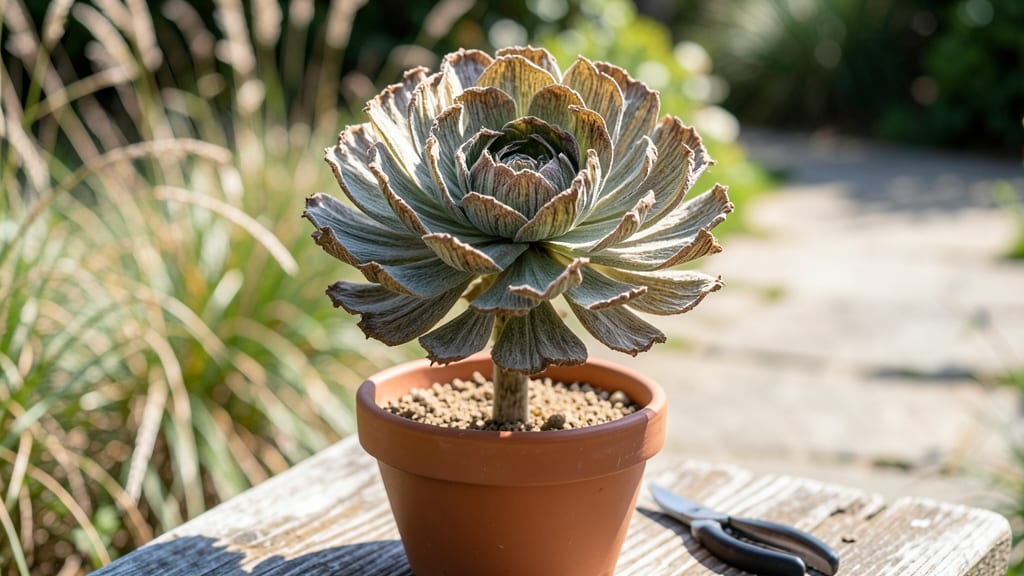
Reviving the Rose of Jericho flower from a dried branch feels like magic—no soil, no fuss, just water and patience. 🌱 I’ve watched these desert survivors unfurl their papery petals after months of dormancy, proving nature’s resilience is real.
The key? Mimicking its native arid conditions with bright light and minimal water.
You don’t need fancy setups—just a sunny spot, a shallow container, and occasional misting. This plant thrives on neglect, making it perfect for beginners or busy gardeners. The dried branches (often sold as "resurrection plants") rehydrate in days, revealing vibrant green leaves that look fresh as spring.
By summer, you’ll have a lush, bushy plant that blooms with tiny white flowers, all from something that looked dead. It’s a conversation starter and a living reminder that even the hardest conditions can yield life. Let’s bring yours back to life!
Works indoors near windows or outdoors in dry climates—just avoid soggy soil. The secret? Less is more. Ready to try?
📚 In This Guide
- What you need
- Instructions
- Tips and common mistakes
- Wrapping up and next steps
What you need
- ● Rose of Jericho seeds or dried seed pods – 1-3 pods (ensure they’re fully dried and brown for best results).
- ● Distilled or rainwater – 1-2 cups (chlorine-free water is a must!).
- ● Clear glass jar or container – 8 oz or larger (for visibility and hydration).
- ○ Small mesh strainer or paper towel – Optional but helpful for draining excess water.
- ● Spray bottle – 4 oz (for misting, if needed).
- ● Bright, indirect sunlight spot – A windowsill or grow light works perfectly.
- ● Humidity dome or plastic wrap – To retain moisture during germination.
- ● Thermometer – Ideal temperature range: 65–75°F (18–24°C).
- ● Notebook or journal – To track watering schedules and growth milestones!
- ● Decorative dish or tray – For a stylish display once your "miracle" blooms.
Step-by-step instructions for reviving the Rose of Jericho flower
Here's how to bring this desert wonder back to life with just water.
💧 Step 1: Prepare the Reviving Water
Fill a clean glass or bowl with room-temperature water—never cold, as it can shock the plant. I like to use filtered or rainwater because tap water's chlorine or fluoride might linger and stress the delicate structure. The water should be deep enough to fully submerge the flower's curled form without overflowing.
Here's the thing—this plant thrives on patience. You don't need any special additives; plain water works perfectly. Just ensure the container is wide enough to hold the flower comfortably as it unfurls. A shallow dish works best since the flower will expand dramatically once revived.
🌿 Step 2: Submerge and Wait for the First Signs
Gently place the Rose of Jericho into the water, ensuring the curled "head" is fully submerged. Don't force it—let it settle naturally. You'll see tiny air bubbles escape as the plant begins to absorb moisture. This is your first sign of life!
Leave it undisturbed in a spot with indirect light—bright sunlight can cause the plant to dry out too quickly once it unfurls. Within 24-48 hours, you'll notice the tips starting to uncurl slightly. This is the moment that matters: the plant is waking up from its dormancy. If you don't see movement after 48 hours, check that the water hasn't evaporated or become too warm.
☀️ Step 3: Transition to Air and Maintain Humidity
Once the flower has fully unfurled (usually 3-5 days), carefully lift it out of the water and place it on a damp paper towel. The goal is to keep the base slightly moist but not soggy. I like to mist the leaves lightly every 2-3 days to maintain humidity without drowning the roots.
Position the plant in a spot with bright, indirect light—think east or north-facing window. Direct sun can scorch the delicate leaves, while too little light will cause the plant to wilt again. You'll know it's happy when the leaves stay crisp and green, not drooping or yellowing.
🪴 Step 4: Keep It Alive Long-Term (Optional)
If you want to extend its life beyond a few weeks, repot it in a small container with cactus or succulent soil mix (not regular potting soil—this plant hates moisture retention). Plant it shallowly, as its roots are minimal. Water sparingly—only when the soil feels completely dry to the touch, about every 2-3 weeks.
Real talk: This plant isn't designed for long-term care, but with the right conditions, it can survive for months. Watch for signs of stress like yellowing leaves or wilting—these mean it's time to adjust your watering or light conditions. The Rose of Jericho is a reminder that even desert plants can thrive with just the right care.
Tips & tricks for reviving the Rose of Jericho flower
Took me years to figure out the subtle details that make all the difference with this resilient desert plant.
The Water Factor: Room-temperature water is non-negotiable—cold water shocks the delicate structure while warm water can accelerate drying. I've found that using a shallow dish (like a wide, low-sided bowl) prevents overflow when the flower unfurls dramatically. The key is keeping the curled head fully submerged without letting it float—this ensures even moisture absorption from the start.
Patience Pays Off: The 24-48 hour window for initial uncurling is where most people rush things. I've seen beginners check every hour, but the plant needs complete stillness. Tiny air bubbles escaping during submersion are your first confirmation it's working. If nothing happens after 48 hours, double-check your water temperature—it shouldn't exceed 75°F or the plant may become stressed.
Lighting Strategy: Indirect light during the revival process is crucial, but what nobody tells you is how to transition it properly. After the 3-5 day unfurling, move it to bright indirect light immediately—delaying this step causes the leaves to yellow from stress. I place mine near an east-facing window where it gets morning sun but avoids harsh afternoon rays. Direct sun at this stage will scorch the delicate new growth within hours.
Long-Term Care Secret: The optional repotting step is where most people fail. Using cactus/succulent mix is essential because regular potting soil retains too much moisture. Here's what I do: I plant it just shallow enough that the base touches the soil but most of the stem remains exposed. This mimics its natural desert habitat where it only touches moist ground briefly before drying out again.
Pro Tips for Rose Of Jericho Flower
- Took me years to figure out the subtle details that make all the difference with this resilient desert plant.
- The Water Factor: Room-temperature water is non-negotiable—cold water shocks the delicate structure while warm water can accelerate drying.
- Patience Pays Off: The 24-48 hour window for initial uncurling is where most people rush things.
Frequently asked questions
Got questions about the Rose of Jericho? You’re not alone!
This fascinating "resurrection plant" sparks curiosity—from care tips to quirks. Below, we tackle the most common queries to help you nurture (or revive!) your own desert beauty.
How long does a Rose of Jericho stay "alive" without water?
The Rose of Jericho can survive up to 2 years in a dry, dormant state—like a natural survivalist! Store it in a cool, dry place (like a paper bag) away from direct sunlight. Once revived, it’ll bloom again for 1–2 weeks before needing another rest.
Can I keep my Rose of Jericho indoors year-round?
Yes, but with a twist! This plant thrives in low-light, dry conditions (like a windowsill or shelf). Avoid overwatering—just mist it occasionally or submerge it in water for 24 hours every few months to "wake it up." No soil needed!
What if my Rose of Jericho won’t open after soaking?
Don’t panic—it might just need patience + the right conditions. Try these fixes:
- Warmer water (room temp or slightly warmer) to speed up revival.
- Indirect sunlight after soaking (direct light can stress it).
- Gently massage the stems to encourage unfurling.
Are there alternatives to the Rose of Jericho for zero-soil plants?
If you love low-maintenance, soil-free greens, try these:
- Selaginella (Resurrection Fern) – Revives faster and stays green longer.
- Echeveria (Hen & Chicks) – Succulent that thrives in water-only cycles.
- Moss (e.g., Polytrichum) – Looks lush and needs minimal care.
Is it safe for pets if my Rose of Jericho falls apart?
Generally yes! The Rose of Jericho is non-toxic to cats and dogs, but avoid letting pets ingest large amounts. If your plant crumbles, it’s just entering dormancy—no need to panic! Just store the pieces together for revival later.
Wrapping up and next steps
The Rose of Jericho is a true marvel of nature—proof that life thrives even in the driest conditions with minimal care! 🌵✨ Its ability to "revive" with just water makes it a perfect symbol of resilience for gardeners and plant lovers alike.
Whether you're drawn to its unique story or its low-maintenance charm, this desert beauty is ready to bring a touch of magic to your space.
Ready to give it a try? Start small—grab one from a local nursery or online, and let its journey inspire yours. Who knows? You might just discover a new favorite plant that’s as tough as it is beautiful! 🌱💚