
Propagation
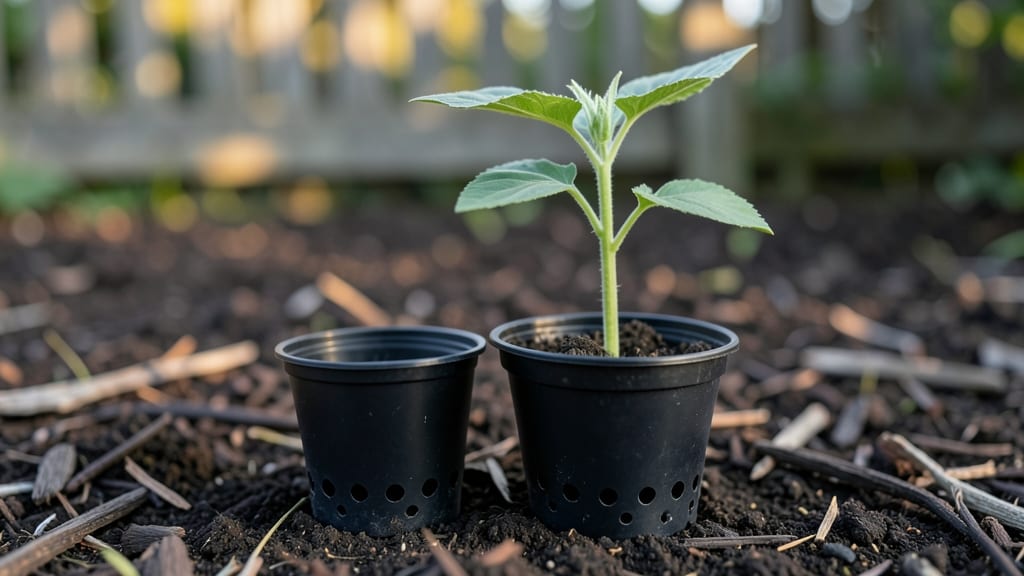
Growing sunflowers from seed in pots turns even the smallest balcony into a sun-drenched spectacle. 🌻 I’ve watched these cheerful giants transform 5-gallon containers into vertical sunbeams, and the secret lies in choosing the right variety—dwarf types like ‘Teddy Bear’ stay manageable, while ‘Russian Giant’ needs sturdy stakes even in pots.
The key isn’t just the pot size; it’s matching the plant’s ambition to its temporary home.
You’ll need well-draining potting mix (no garden soil), pots at least 12 inches deep, and a sunny spot that gets 6+ hours of light daily. Sunflowers drink like they’re in a drought—water deeply when the top inch of soil feels dry, and always use a saucer to catch excess.
The first sprouts appear in 7–14 days, but leggy seedlings mean your babies need more light, not more water.
By midsummer, you’ll be snapping photos of blooms that dwarf your neighbors’ in-ground gardens. The foliage stays vibrant green, the stems grow surprisingly sturdy with proper support, and you’ll harvest seeds for next year’s pots. Even urban balconies become a pollinator magnet—bees and butterflies can’t resist the nectar.
For tall varieties, add a bamboo stake at planting time and tie stems loosely as they grow. Troubleshooting? Yellow leaves mean overwatering; brown spots could be powdery mildew—spray with water in the morning to prevent it. The best part? You’re growing sunflowers without sacrificing your yard space.
📚 In This Guide
- What you need
- Instructions
- Tips and common mistakes
- Wrapping up and next steps
What you need
- ● Sunflower seeds: Choose dwarf or medium-height varieties (e.g., 'Moulin Rouge' or 'Teddy Bear') for pots—aim for 3–5 seeds per pot (they germinate quickly, so you can thin later).
- ● Containers: Pots with drainage holes, at least 12–18 inches deep and 12–16 inches wide (bigger pots = happier sunflowers!). Use 1–2 pots per plant for mature growth.
- ● Potting mix: A high-quality, well-draining seed-starting or garden soil mix (avoid heavy clay soil—sunflowers hate soggy roots!).
- ● Drainage material: Small rocks, gravel, or broken pottery pieces (1–2 inches at the pot’s bottom).
- ● Watering can or spray bottle: For gentle, even watering (sunflowers need 1–1.5 inches of water per week).
- ● Fertilizer: A balanced, water-soluble fertilizer (10-10-10 or 5-5-5) or organic options like compost tea. Use every 2–3 weeks once seedlings sprout.
- ○ Stakes or cages: 3–4 foot tall (optional but helpful for tall varieties to prevent toppling).
- ● Gloves & pruners: For thinning seedlings and trimming dead foliage.
- ● Sunlight access: A south-facing window, grow lights, or outdoor spot with 6+ hours of direct sun daily.
- ● Mulch: Straw or shredded leaves to retain moisture and suppress weeds.
- ● Self-watering pot: Reduces maintenance for busy gardeners!
- ● Epsom salt: A teaspoon mixed into water monthly can boost magnesium for vibrant blooms.
Step-by-step instructions for cultivating sunflowers in containers
Here's how I grow sunflowers in pots—tall, sturdy stems and vibrant blooms, no matter how limited your space.
🌱 Step 1: Choose the Right Containers and Soil Mix
Sunflowers need room to grow, so pick pots that are at least 12 inches deep and 12 inches wide—this gives their deep taproots space to stretch. I use terracotta or fabric grow bags because they breathe better than plastic, which helps prevent root rot. Drainage holes are a must; if yours don’t have them, drill a few extra.
Fill the pot with a lightweight potting mix—avoid garden soil, which compacts and suffocates roots. I blend ½ potting mix with ½ perlite or vermiculite for extra drainage. Moisten the mix until it’s damp but not soggy—you should be able to squeeze a handful and see just a few droplets of water. This ensures roots get oxygen while staying hydrated.
🌱 Step 2: Plant Seeds at the Correct Depth and Spacing
Sunflower seeds are big, so plant one seed per pot—crowding leads to weak, leaning stems. Drop the seed 1 inch deep into the soil, pressing lightly to secure it. If you’re growing multiple sunflowers, space pots 18-24 inches apart so they don’t compete for nutrients or shade each other.
Here’s the thing—sunflowers germinate best in warm soil (70-80°F). If your outdoor temps are cooler, start seeds indoors 2-3 weeks before the last frost, then transplant after the soil warms. Water gently after planting, keeping the soil moist but not waterlogged. You’ll see sprouts in 7-10 days—watch for the first true leaves to appear above the seed leaves.
☀️ Step 3: Provide Full Sun and Support for Tall Growth
Sunflowers thrive in full sun (6+ hours daily), so place pots in the sunniest spot you have. If you’re growing them indoors near a window, rotate the pots quarter-turn daily so they don’t lean toward the light. Leggy stems mean your sunflowers aren’t getting enough light—move them closer or supplement with a grow light for 12-14 hours a day.
As soon as stems reach 12 inches tall, install a sturdy stake or tomato cage in the center of the pot. Tie the main stem loosely to the support with soft plant ties or strips of fabric—this prevents snapping in wind or rain. I like to check ties weekly and adjust as the stem thickens. Without support, sunflowers topple over, especially in containers where roots can’t anchor deeply.
💧 Step 4: Water Deeply and Fertilize for Strong Blooms
Sunflowers in pots dry out faster than in-ground plants, so water deeply when the top 2 inches of soil feel dry. I use a watering can with a long spout to soak the soil evenly—avoid overhead watering, which can spread disease. Let excess water drain completely; soggy soil leads to root rot, and sunflowers won’t tolerate it.
Feed plants every 2-3 weeks with a balanced liquid fertilizer (10-10-10) once they’re 4-6 inches tall. Stop fertilizing 4-6 weeks before expected bloom time—too much nitrogen late in the season delays flowering. You’ll know you’re doing it right when leaves are deep green and stems feel firm when you gently squeeze them.
✂️ Step 5: Prune and Enjoy Your Towering Blooms
Deadhead spent blooms by snipping the stem just below the flower head—this encourages more blooms and keeps the plant looking tidy. If you’re growing sunflowers for seeds, leave 1-2 of the largest, healthiest blooms on the plant and let them mature. Harvest seeds when the back of the flower head turns yellow and the seeds rattle when shaken.
Here’s where it gets fun—watch for butterflies and bees drawn to the bright blooms. If you’re growing dwarf varieties like ‘Teddy Bear,’ you can even bring pots indoors for a few weeks before the first frost, extending their display. Just reduce watering as temps drop, since sunflowers go dormant in cold weather.
Tips & tricks for perfect sunflower growth in pots
Here's what I've learned after growing sunflowers in containers for years—these little tricks make all the difference between a floppy stem and a towering beauty.
Container Size Matters: While the instructions call for at least 12-inch pots, I've found that adding 2-3 inches of extra depth (up to 15 inches) gives sunflowers the room they need for those deep taproots. The wider the pot, the more stable the plant—think of it as giving your sunflower a wider foundation to prevent toppling.
Soil Warmth Secret: The instructions mention warm soil (70-80°F) for germination, but here's the thing—you can speed this up by placing your pots on a heat mat or even near a sunny window indoors. I've seen germination cut from 10 days to just 5-7 days using this trick. Just make sure the soil stays consistently warm, not just hot.
Lighting Hacks: For indoor growers, those 12-14 hours of grow light make a huge difference. I use LED grow lights placed about 6 inches above the plants and set on a timer. If you don't have grow lights, supplement with a bright fluorescent bulb—just rotate your pots daily to prevent leaning. Outdoor growers can maximize sunlight by placing pots on reflective surfaces like white trays or even light-colored pavement.
Support System: The instructions mention stakes or tomato cages at 12 inches tall, but I recommend installing support earlier—around 6-8 inches. This gives you more flexibility to adjust the plant's growth direction if it starts leaning. Use soft plant ties that can stretch as the stem grows, and always position the stake slightly off-center to encourage natural growth patterns rather than forcing straight growth.
Pro Tips for Growing Sunflowers From Seed In Pots
- Here's what I've learned after growing sunflowers in containers for years—these little tricks make all the difference between a floppy stem and a towering beauty.
- Container Size Matters: While the instructions call for at least 12-inch pots, I've found that adding 2-3 inches of extra depth (up to 15 inches) gives sunflowers the room they need for those deep taproots.
- Soil Warmth Secret: The instructions mention warm soil (70-80°F) for germination, but here's the thing—you can speed this up by placing your pots on a heat mat or even near a sunny window indoors.
Frequently asked questions
Got questions about growing sunflowers in pots? You’re not alone! Here are answers to the most common concerns to help you cultivate happy, healthy blooms—even in small spaces.
Can sunflowers grow well in pots if I don’t have a garden?
Sunflowers thrive in containers as long as the pot is at least 12–18 inches deep and wide enough to support their roots. Dwarf varieties (like ‘Teddy Bear’ or ‘Moulin Rouge’) are perfect for pots, while larger types need sturdy, heavy containers to prevent tipping. Just ensure proper drainage and sunlight!
How long does it take for sunflower seeds to germinate in pots?
Sunflower seeds typically sprout in 7–14 days when kept in warm soil (60–75°F). For faster germination, soak seeds overnight before planting and keep the soil moist but not soggy. A heat mat can also speed things up if you’re starting indoors early. Patience pays off—big blooms are worth the wait!
Why are my sunflower leaves turning yellow in the pot?
Yellowing leaves usually signal overwatering, nutrient deficiency, or poor drainage. Check the soil—it should be dry 1–2 inches down before watering. Sunflowers also love phosphorus and potassium, so a balanced fertilizer (like 10-10-10) every 2–3 weeks can help. If roots are circling the pot, it’s time to repot!
What’s the best way to keep my potted sunflower from toppling over?
Sunflowers can get top-heavy as they grow! To prevent tipping, place the pot in a wind-protected spot and anchor it with stakes or a cage. For extra stability, fill the pot with a heavy material like rocks or sand at the bottom. Pruning lower leaves also reduces weight while improving airflow.
Can I grow sunflowers in pots indoors?
While sunflowers need full sun (6+ hours daily), you can grow them indoors near a south-facing window or under grow lights (12–16 hours/day). Dwarf varieties adapt best, but expect slower growth and smaller blooms. If outdoors isn’t an option, a sunny balcony or greenhouse is your next best bet!
Wrapping up and next steps
Growing sunflowers from seed in pots is a rewarding way to bring towering beauty to even the smallest spaces—no sprawling garden required! 🌻 With the right containers, sunlight, and care, you’ll watch tiny seeds transform into cheerful blooms that attract pollinators and lift your spirits.
Whether you’re a beginner or a seasoned gardener, this method proves that big dreams grow in small pots.
Now that you’re armed with tips and tricks, take the next step: grab your supplies, pick your favorite sunflower variety, and start planting! Share your progress with fellow gardeners or even gift a pot to a friend—because sunshine (and sunflowers) are best when shared. Happy growing! ⚡