
Propagation
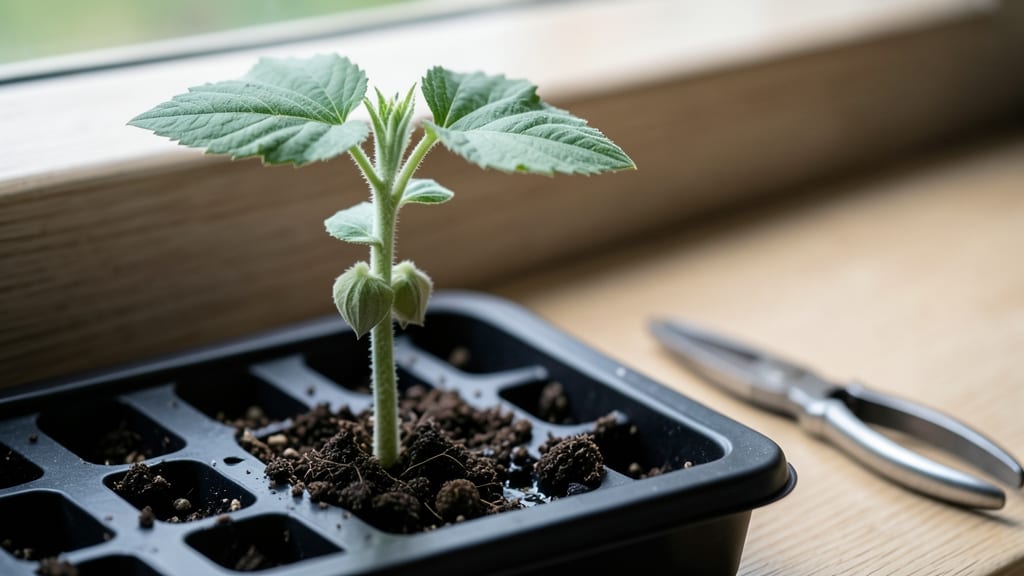
Germinating sunflower seeds in damp paper towels is the fastest way to get them sprouting—often in just 2-3 days instead of weeks. I learned this trick after struggling with slow starts in soil, and now my seedlings pop up like clockwork.
The method is simple, cost-effective, and gives you a head start before transplanting outdoors.
All you need is a few paper towels, a shallow container, and a spray bottle for moisture control. Sunflowers thrive when kept warm (around 70-75°F), so a sunny windowsill or heat mat works perfectly.
Once those tiny roots peek out, you’ll know they’re ready for soil—no more waiting for nature to take its time.
What you’ll end up with are sturdy, vibrant seedlings that outpace store-bought starts by weeks. The roots stay healthy during transplanting, and the plants grow tall and strong right from the beginning. This method works for both giant varieties and petite decorative sunflowers—just adjust the container size accordingly.
Fair warning: Overwatering is the biggest mistake, so keep those towels damp, not soggy. Once you master this, you’ll never buy sunflower seedlings again. Ready to try it? Let’s get those seeds sprouting!
📚 In This Guide
- What you need
- Instructions
- Tips and common mistakes
- Wrapping up and next steps
What you need
- ● Sunflower seeds: 10–20 high-quality, organic sunflower seeds (preferably Helianthus annuus varieties like ‘Russian Mammoth’ or ‘Autumn Beauty’). Choose raw, untreated seeds for best germination.
- ● Paper towels: 2–4 thick, white paper towels (avoid recycled or textured varieties—they don’t hold moisture well).
- ● Spray bottle: A clean, reusable spray bottle (8–16 oz) with a fine mist setting to keep seeds hydrated without over-saturating.
- ● Shallow container: A clear plastic or glass dish (like a 9x13” baking dish or a seedling tray) to hold the seeds and towels.
- ○ Plastic wrap or lid: To create a humid environment (optional but helpful for faster germination).
- ● Permanent marker: For labeling your container with the date (track germination progress like a pro!).
- ● Grow light or sunny windowsill: Sunflower sprouts need 12–16 hours of light daily once they sprout. A LED grow light ensures consistent growth.
- ● Ventilation: A small fan on low speed to prevent mold (especially if using a lid).
- ● Humidity dome: A clear plastic clamshell or DIY dome to maintain moisture levels.
- ● Notebook or app: To log germination times, sprouting conditions, and seed varieties for future experiments.
- ● Compost or potting soil: If you plan to transplant sprouts into soil after 3–5 days (though many prefer eating them raw!).
Step-by-step guide to germinating sunflower seeds quickly
Here’s my foolproof method for fast, vigorous sunflower sprouts—no fancy equipment needed.
Soak Seeds Overnight for Faster Germination
Place 4 sunflower seeds in a small bowl and cover them with room-temperature water. Let them soak for 8-12 hours—this softens the hard outer shell, helping roots break through faster. I use a shallow dish so the seeds don’t sink to the bottom and get waterlogged. After soaking, drain the water completely; damp seeds will rot if left sitting.
Here’s the thing—sunflower seeds have tough coats. The soak is what makes the difference between 3-day sprouts and 10-day struggles. Just don’t skip it. Once drained, lay the seeds on a clean paper towel to dry slightly for 10 minutes. This prevents mold while keeping them moist enough to germinate.
Sandwich Between Damp Paper Towels
Fold a paper towel in half and place the soaked seeds in the center, spaced 1 inch apart. Fold the towel again to create a double-layer sandwich. This keeps moisture trapped while allowing airflow—critical for preventing rot. Place the folded towel in a sealed plastic bag or a shallow container with a lid. The goal is high humidity without soggy conditions.
I like to use a clear plastic bag so I can check progress without disturbing the seeds. Sunflowers germinate best in warmth (70-75°F), so if your home runs cooler, place the bag on top of the fridge or near a sunny window. You’ll see tiny white roots within 24-48 hours—that’s your cue everything’s working.
Monitor and Transplant at the Right Time
Check the seeds daily. Once roots reach ½ inch long and green shoots appear, it’s time to move them to soil. I use a small peat pot for each seedling—sunflowers hate root disturbance, so biodegradable pots make transplanting easier later. Fill the pot with moist seed-starting mix, then gently press the seedling in so the soil covers the roots but leaves the shoot above ground.
Water lightly with a spray bottle to settle the soil around the roots. Place the pot in a bright, warm spot (like a south-facing windowsill) but avoid direct sun until the seedling is established. You’ll know it’s thriving when the first true leaves (not the initial seed leaves) appear in 5-7 days. That’s when you can gradually introduce more light.
Provide Ideal Growing Conditions for Strong Starts
Sunflower seedlings need 12-14 hours of light daily to stay sturdy. If natural light isn’t enough, supplement with a grow light held 4-6 inches above the plants. Without enough light, they’ll stretch leggy and weak—something I’ve seen too many beginners struggle with. Keep the soil evenly moist but not soggy; let the top inch dry out between waterings.
Here’s where it gets fun—watch the cotyledons (the first leaves) unfurl within a week. Once they do, you can fertilize lightly with a balanced liquid fertilizer (like 10-10-10) diluted to half strength. This jumpstarts their growth without burning tender roots. Harden off seedlings by placing them outside for 1-2 hours daily starting 10 days before transplanting to the garden.
Tips & tricks for perfect sunflower seed germination
These game-changing insights will help you skip the common pitfalls and get those sprouts popping in record time.
Soaking Strategy: The 8-12 hour soak is where it all begins—this is absolutely non-negotiable for sunflower seeds. I've tried skipping it, and trust me, you'll end up with a 10-day wait instead of 3 days. Use room-temperature water, not cold from the fridge, as cooler water slows down the hydration process. After draining, that 10-minute drying period on paper towel is crucial: it prevents mold while keeping the seeds moist enough to break dormancy. Think of it as giving your seeds a quick shower before bedtime.
Temperature Matters: Sunflowers are warm-weather babies, and they'll tell you exactly when they're unhappy. The ideal 70-75°F range is critical during those first 24-48 hours when roots emerge. If your home runs cooler, place your setup on top of the fridge or near a sunny window—just avoid direct sunlight at this stage. I've seen seeds that took 72 hours to sprout when kept at 65°F, versus 24 hours at 75°F. That's a three-day difference right there, and it all comes down to heat.
Transplant Timing: Wait until roots reach exactly ½ inch long before moving to soil—this gives you that perfect balance of root development and shoot strength. I watch for the roots to curl slightly at the tips, which signals they're ready. When transplanting, use a peat pot or biodegradable container so you can plant directly into the garden later without disturbing those delicate roots. The first true leaves appearing in 5-7 days is your green light to increase light exposure gradually.
Lighting Secrets: Those 12-14 hours of daily light aren't just a suggestion—they're what keeps your seedlings from stretching like overgrown noodles. If you're using artificial light, position it 4-6 inches above the plants and keep it on a timer. I've seen seedlings go from sturdy to leggy in just 48 hours when light was insufficient. The cotyledons unfurling within a week is your reward for getting this right—they'll look like tiny green fans, and that's when you know you're on the right track.
Pro Tips for Best Way To Germinate Sunflower Seeds
- These game-changing insights will help you skip the common pitfalls and get those sprouts popping in record time.
- Soaking Strategy: The 8-12 hour soak is where it all begins—this is absolutely non-negotiable for sunflower seeds. I'...
- Temperature Matters: Sunflowers are warm-weather babies, and they'll tell you exactly when they're unhappy. The ideal...
Frequently asked questions
Got questions about germinating sunflower seeds? You’re not alone! Here are answers to the most common queries—so you can grow those towering beauties with confidence.
How long does it take for sunflower seeds to sprout?
With the damp paper towel method, sunflower seeds typically sprout within 3–7 days. Keep them in a warm, dark place (like a cupboard) and check daily. If they haven’t sprouted after a week, try a fresh batch—some seeds just need extra patience!
Can I use regular store-bought sunflower seeds for germination?
Yes! Just ensure they’re untreated, raw seeds (like those for eating). Roasted or oil-treated seeds won’t sprout. For best results, opt for heirloom or organic varieties—these often have higher germination rates.
What if my seeds mold or smell bad?
Mold or a foul odor means too much moisture or poor airflow. Immediately rinse the seeds with water, pat them dry, and place them in a fresh, damp paper towel. If the smell persists, discard them to avoid rot spreading to other seeds.
Do I need to soak sunflower seeds before germinating?
Nope! Sunflower seeds don’t require soaking—they germinate faster with just moisture and warmth. Soaking can even soften their hard shells too much, making them prone to mold. Stick to the damp paper towel method for best results.
How do I transplant seedlings without damaging them?
Wait until your seedlings have 2–3 inches of stem and true leaves before transplanting. Gently squeeze the paper towel to loosen roots, then place them in soil upside down (roots first) and cover lightly. Water thoroughly but avoid overwatering—sunflowers hate soggy soil!
Wrapping up and next steps
Germinating sunflower seeds in damp paper towels is a simple, fast, and rewarding way to kickstart your gardening journey! 🌱 With the right conditions—consistent moisture, warmth, and patience—you’ll see those tiny sprouts break through in just a few days.
Whether you’re growing sunflowers for beauty, snacks, or wildlife, this method gives you a head start on healthy, vibrant plants.
Now that you’ve mastered the basics, it’s time to plant those sprouts in soil and watch them grow into towering giants. Happy gardening—your sunflowers are waiting for you! 🌻