
Propagation
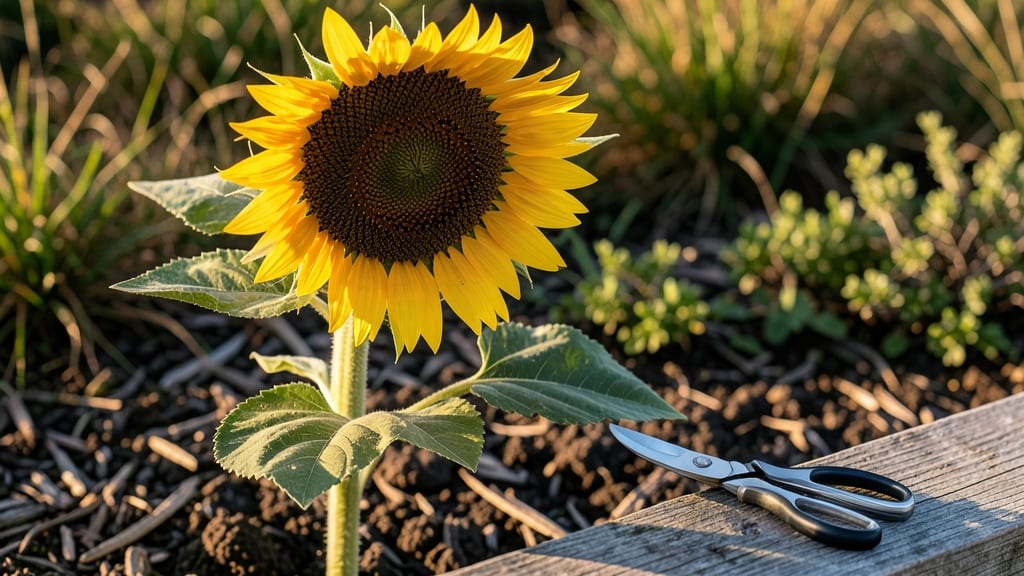
Drying sunflower seeds for planting isn’t just about saving seeds—it’s about unlocking next year’s garden potential. 🌻 I’ve learned the hard way that seeds dried too quickly or left too damp won’t germinate, so I perfected a method that guarantees viable seeds ready for spring.
The key lies in balancing airflow, humidity, and patience to preserve that critical germination spark.
You’ll need just three things: a well-ventilated space, a paper bag or mesh bag, and a few weeks of dry weather. No fancy equipment—just a quiet corner where seeds can cure slowly without mold or cracking.
My favorite spot is a covered porch with morning sun and evening shade, but a basement with a dehumidifier works too if you’re in a damp climate.
By the time you’re done, you’ll have plump, dark seeds that rattle when shaken—a sure sign of viability. These aren’t just seeds; they’re a promise of towering sunflowers that’ll feed birds, brighten your garden, and maybe even earn you a few neighbor compliments.
The process takes about 4-6 weeks, but the payoff is worth every day of waiting.
Even if you’ve struggled with moldy seeds or low germination before, this method works for beginners and seasoned gardeners alike. Let’s get those seeds ready for planting—your future garden starts with this simple step.
📚 In This Guide
- What you need
- Instructions
- Tips and common mistakes
- Wrapping up and next steps
What you need
- ● Fresh sunflower seeds – Harvested directly from mature, healthy sunflower heads (ensure they’re fully ripe and dry to the touch). Aim for at least 100 seeds if testing viability.
- ● Clean, breathable container – A paper bag, mesh produce bag, or cardboard box with holes (to allow airflow). Avoid plastic to prevent moisture buildup.
- ● Drying surface – A clean, flat tray, baking sheet, or screen (like a window screen or hardware cloth) to spread seeds in a single layer.
- ○ Fan or dehumidifier (optional but helpful) – A small household fan or dehumidifier to speed up drying in humid climates.
- ○ Humidity monitor (optional but useful) – A hygrometer to track humidity levels (ideal range: 30-50% for drying).
- ● Air-tight storage containers – Glass jars, resealable bags with silica packets, or vacuum-sealed bags for long-term storage (once fully dried).
- ● Labeling supplies – Masking tape and a marker to label containers with the seed variety and drying date.
- ● Food dehydrator – Set to low heat (95–115°F) for even, gentle drying (great for large batches).
- ● Desiccant packets – Silica gel or DampRid to absorb excess moisture in storage containers.
- ● Seed viability test kit – A simple paper towel test kit to check germination rates before planting.
- ● Notebook or app – To log drying conditions (temperature, humidity, time) for future reference.
Step-by-step guide to drying sunflower seeds for planting
Here's how to preserve your sunflower seeds properly—no fancy tools needed.
🌱 Step 1: Harvest Seeds at Peak Ripeness
Wait until the sunflower heads turn completely brown and dry, usually 2-3 weeks after flowering. The back of the seed head should feel papery and brittle—this means the seeds are ready. Cut the entire head off with 3-4 inches of stem still attached. This extra stem makes handling easier later.
Place the heads in a well-ventilated spot indoors, like a garage or covered porch. Avoid direct sunlight—it can overheat the seeds and reduce viability. You'll know they're ready when the seeds rattle loudly inside the dried head.
💧 Step 2: Remove Seeds and Clean Thoroughly
Rub the dried head between your hands or use a clean towel to gently dislodge the seeds. Avoid shaking—this can damage the seed coats. Spread the seeds on a clean, dry towel and let them air out for 10-15 minutes to remove any loose chaff or debris.
Use a fine-mesh strainer or sieve to separate the seeds from any remaining plant material. Discard any seeds that look shriveled, discolored, or damaged—they won't sprout. Healthy seeds should be plump, uniform in color, and free of cracks.
☀️ Step 3: Dry Seeds for Optimal Storage
Spread the clean seeds in a single layer on a clean, dry towel or paper towel. Place them in a warm, dry location with good airflow, like a sunny windowsill or a well-ventilated shelf. Avoid using a fan—direct airflow can dry seeds too quickly and reduce germination.
Let the seeds dry for 3-5 days, stirring them gently once daily to ensure even drying. They're ready when they feel completely dry to the touch and no longer stick to your fingers. Properly dried seeds should have a matte finish and feel lightweight.
🪴 Step 4: Store Seeds Properly for Long-Term Viability
Transfer the dried seeds to an airtight container, like a glass jar or resealable plastic bag. Add a desiccant packet (like silica gel) to absorb any moisture that might develop over time. Label the container with the date and sunflower variety—this helps track seed age for future planting.
Store the container in a cool, dark place, like a pantry or refrigerator. Sunflower seeds stay viable for 2-4 years when stored properly. Check them annually—discard any seeds that smell musty or develop mold, as these won't sprout.
Tips & tricks for perfectly viable sunflower seeds
Here's what nobody tells you about saving seeds that'll actually grow next year.
Harvesting Timing: The 2-3 week window after flowering is critical—wait too long and seeds may have already sprouted in the head. I learned this the hard way after cutting heads too early and finding damp, unusable seeds inside. That rattling sound when you shake the head? That's your cue they're ready.
Seed Handling: Those 10-15 minutes of air-drying after removal is where most people cut corners. Trust me on this: spread seeds on a clean towel in a single layer and let them air out completely. Any lingering moisture will cause mold during storage, and you'll end up with seeds that won't sprout.
Drying Strategy: The 3-5 day drying period needs gentle airflow—no fans! I've seen seeds dry too quickly become brittle and crack. Stir them once daily to ensure even drying. When they feel matte and lightweight, you're golden. This is where patience pays off for next year's garden.
Storage Wisdom: That desiccant packet isn't optional—it's your seed's best friend. I've had batches spoil because I skipped it, and you'll never notice until you go to plant. Label your containers with the date and variety—next year's you won't remember which seeds you saved!
Pro Tips for Dry Sunflower Seeds For Planting
- Here's what nobody tells you about saving seeds that'll actually grow next year.
- Harvesting Timing: The 2-3 week window after flowering is critical—wait too long and seeds may have already sprouted in the head.
- Seed Handling: Those 10-15 minutes of air-drying after removal is where most people cut corners.
Frequently asked questions
Got questions about drying sunflower seeds for planting?
Here are some of the most common concerns—and their answers—to help you save seeds like a pro!
How long does it take to dry sunflower seeds?
Drying time depends on humidity and method. In a paper bag, seeds typically dry in 1–2 weeks at room temperature. If using a dehydrator (set to 95°F/35°C), it takes 6–12 hours. Check daily—seeds are ready when they’re hard and lightweight (they should rattle when shaken).
Can I dry sunflower seeds too fast?
Yes! Over-drying (especially in high heat) can kill viability or cause seeds to crack. For dehydrators, never exceed 110°F (43°C). If using sunlight, rotate bags every few hours to prevent uneven drying. Test a few seeds by pressing them—if they’re too brittle, they’re overdone.
What if it’s humid outside? Can I still dry seeds?
Humidity slows drying and risks mold. If your area is damp, try these fixes:
- Use silica gel packets in the drying container to absorb moisture.
- Switch to a dehydrator or oven (low heat, door propped open).
- Opt for air circulation: Place seeds near a fan or in a well-ventilated spot.
How do I store dried sunflower seeds long-term?
Proper storage keeps seeds viable for 1–3 years. After drying:
- Transfer seeds to an airtight container (glass jars or Mylar bags work best).
- Add a moisture absorber (like a packet of rice or silica gel).
- Store in a cool, dark place (50–60°F/10–15°C is ideal, like a fridge or root cellar).
- Label with the date to track freshness!
What if my seeds don’t sprout after drying?
Low germination could mean:
- Improper drying: Seeds were too moist (moldy) or too dry (dead).
- Old seeds: Sunflowers lose viability after 2–3 years.
- Poor storage: Light, heat, or humidity degraded them.
Wrapping up and next steps
Drying sunflower seeds for planting is a simple yet rewarding process that ensures healthy, viable seeds for your next garden.
By following the right techniques—whether air-drying, oven-drying, or using a dehydrator—you’ll preserve seed quality and boost germination rates. Now that you’re equipped with the know-how, it’s time to put it into action! Grab those fresh sunflower heads, gather your supplies, and get ready to grow your own thriving plants.
Happy gardening! 🌱✨