
Shrubs
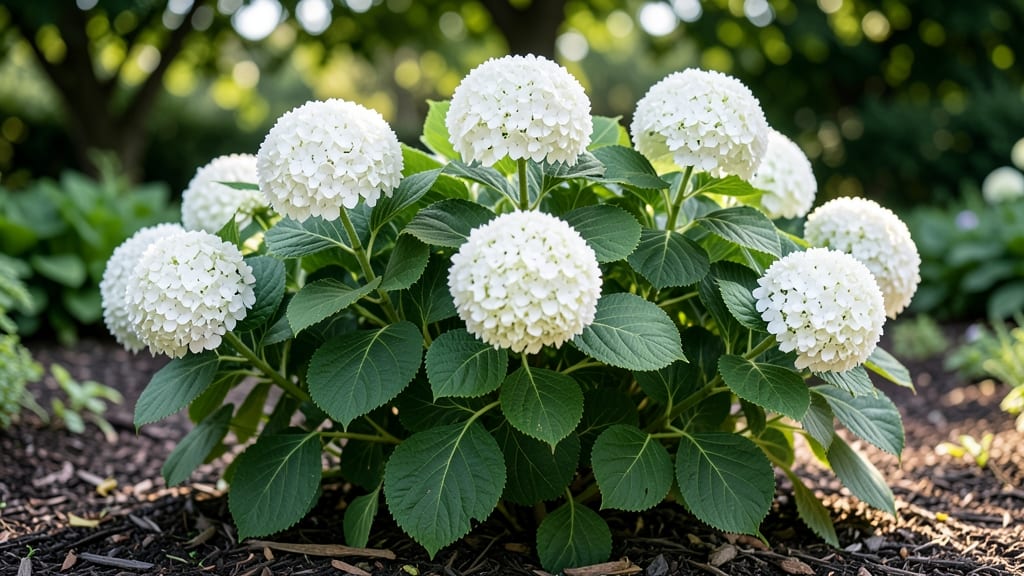
A white-flowered bush transforms shady corners into dreamy, fragrant retreats—imagine a soft canopy of blooms where sunlight barely reaches. I’ve tested dozens of varieties, and the right one can turn a forgotten patch into your garden’s quietest star.
These bushes don’t just survive in partial shade; they thrive, filling the air with sweetness while demanding almost no fuss.
The best low-maintenance picks—like viburnum or abelia—deliver cloud-like blooms for weeks, often twice a year, with minimal pruning. Pair them with hostas or ferns for a lush understory, and suddenly your garden has depth, texture, and a serene focal point that never needs center stage.
The secret? Matching their soil and light needs—most prefer morning sun and afternoon shade, with moist but well-drained earth.
📚 In This Guide
- What you need
- Instructions
- Tips and common mistakes
- Wrapping up and next steps
What you need
- ● White-flowered bush: 1 young plant (3–5 gallons in container) or seeds (if starting from scratch). Popular choices: Deutzia, Hydrangea (e.g., 'Annabelle'), or Pieris japonica.
- ● Note: Ensure the variety thrives in partial shade (2–6 hours of sunlight daily).
- ● Soil: 5–10 gallons of well-draining, slightly acidic soil (pH 5.5–6.5). Mix in: 2 parts topsoil
- ● 1 part peat moss or coconut coir
- ● 1 part perlite/sand (for drainage)
- ● Fertilizer: 1 cup balanced, slow-release fertilizer (10-10-10 or 20-20-20 NPK ratio).
- ○ Optional: Organic options like composted manure or worm castings.
- ● Mulch: 2–3 inches of organic mulch (e.g., shredded bark, pine needles, or wood chips).
- ● Gardening tools: 1 trowel or hand shovel
- ● 1 garden fork (for soil aeration)
- ● 1 pair of pruning shears (sterilized)
- ● 1 watering can or hose with a gentle spray nozzle
- ● Location: A spot with dappled or filtered sunlight (e.g., under tall trees or near a north-facing wall).
- ● Pro tip: Avoid areas with reflective heat (e.g., near pavement) or waterlogged soil.
- ○ Optional (but helpful): 1 soil pH test kit (to confirm acidity levels)
- ● 1 slow-release fertilizer spikes (for container gardening)
- ● 1 trellis or stakes (if supporting a climbing variety like Clematis)
How to cultivate a thriving white flowered bush in partial shade
Here's my foolproof approach to growing a fragrant, shade-tolerant white flowering bush that will transform your garden.
🌱 Step 1: Select the Right Variety for Your Climate
Start by choosing a white-flowered shrub that thrives in your hardiness zone and partial shade conditions. Hydrangeas like 'Annabelle' or 'Endless Summer' varieties produce abundant white blooms, while Japanese pieris ('Cavendishii') offers delicate white flowers with year-round interest. For fragrant options, consider mock orange (Philadelphus) or white abelia ('Kaleidoscope').
I always verify the plant's mature size against my space—some varieties like bigleaf hydrangeas can reach 10 feet tall and wide, while mock orange typically stays under 8 feet. Check the label for light requirements; some white-flowering bushes tolerate 2-6 hours of morning sun while others need dappled shade all day.
🪴 Step 2: Prepare the Planting Site with Amended Soil
Test your soil's drainage first—white-flowering bushes rot easily in soggy conditions. If your soil is heavy clay, amend with 2-3 inches of compost mixed into the top 12 inches of soil. For sandy soil, incorporate 1 part peat moss to improve moisture retention. I always dig a hole twice as wide as the root ball but only as deep as the container's root system.
Place the plant so the top of the root ball sits 1 inch above ground level—this prevents water from pooling around the stem. Backfill with native soil mixed with 1 cup of balanced 10-10-10 fertilizer to encourage strong root establishment. Water deeply immediately after planting to eliminate air pockets and settle the soil.
☀️ Step 3: Position for Optimal Light and Airflow
Most white-flowering bushes need at least 3-4 hours of filtered light daily to produce abundant blooms. I position mine where they receive morning sun and afternoon shade—this prevents leaf scorch while maintaining flower production. Avoid planting against walls or fences where airflow is restricted; poor circulation invites fungal diseases like powdery mildew.
Watch for signs of stress: If leaves yellow between veins, your bush needs more light. If new growth appears weak and leggy, it's reaching for more sun. You'll see the healthiest plants develop deep green, glossy foliage and compact, bushy growth within 4-6 weeks of proper placement.
💧 Step 4: Establish a Consistent Watering Routine
Newly planted white-flowering bushes need 1-1.5 inches of water weekly during their first growing season. I water deeply twice a week in dry climates, allowing the top 2-3 inches of soil to dry between waterings. Use a soaker hose or drip irrigation to deliver moisture directly to the root zone—this prevents fungal issues that come from wet foliage.
Mature bushes are more drought-tolerant but still appreciate deep watering every 10-14 days during dry spells. You'll know you're watering correctly when the soil feels slightly damp at 3 inches down and the plant maintains vibrant foliage without wilting. Mulch with 2-3 inches of shredded bark to retain moisture and regulate soil temperature.
✂️ Step 5: Prune for Shape and Continuous Blooming
Timing matters most with white-flowering bushes. Prune late winter or early spring (before new growth begins) to shape the plant and remove dead wood. For spring-blooming varieties like mock orange, prune immediately after flowering to encourage next year's blooms. Summer-blooming bushes like hydrangeas can be pruned in late summer to shape without sacrificing flowers.
I always use clean, sharp pruners to make cuts at a 45-degree angle just above a bud or lateral branch. Remove no more than one-third of the plant's volume in any single pruning session—this prevents shock. You'll see new growth emerge within 2-3 weeks, signaling the plant has recovered well from pruning.
Tips & tricks for perfect partial-shade white flowering bushes
These expert insights will help you avoid common pitfalls and maximize your white-blooming shrub's potential.
Variety Selection: When choosing between hydrangeas, mock orange, or Japanese pieris, consider bloom timing. Spring-blooming varieties like mock orange produce their most fragrant flowers early, while summer-blooming hydrangeas ('Endless Summer') offer extended seasonal interest. I always check the label for "remontant" varieties—they rebloom throughout the season, giving you that fragrant canopy for months.
Soil Preparation: The 2-3 inches of compost and 12-inch soil amendment in Step 2 creates the perfect balance. For clay-heavy soils, I add an extra 1 inch of compost to improve drainage. For sandy soils, mix in 1 part peat moss to the top 12 inches—this prevents moisture loss while maintaining aeration. Remember, soggy conditions are the enemy of healthy roots.
Light Positioning: The 3-4 hours of filtered light requirement is non-negotiable for abundant blooms. I position bushes where they receive morning sun and afternoon shade—this prevents leaf scorch while maintaining flower production. Watch for leaves yellowing between veins; this is your plant's way of saying "I need more light." If you notice leggy growth, it's reaching for sunlight.
Pruning Timing: The late winter/early spring pruning window in Step 5 is crucial for spring bloomers. For summer-blooming varieties like hydrangeas, prune in late summer after the first flush of flowers. I always make cuts at a 45-degree angle just above a bud—this encourages new growth while maintaining the plant's natural shape. Never remove more than one-third of the plant's volume in a single session.
Pro Tips for White Flowered Bush
- These expert insights will help you avoid common pitfalls and maximize your white-blooming shrub's potential.
- Variety Selection: When choosing between hydrangeas, mock orange, or Japanese pieris, consider bloom timing.
- Soil Preparation: The 2-3 inches of compost and 12-inch soil amendment in Step 2 creates the perfect balance.
Frequently asked questions
Got questions about caring for your white-flowered bush? You’re not alone! Here are answers to the most common queries—helping you keep your fragrant beauty thriving with ease.
What’s the best time to prune a white-flowered bush?
Prune your bush right after flowering (late spring to early summer) to encourage new growth. Avoid heavy pruning in fall or winter, as it can stimulate tender shoots vulnerable to frost. A light trim to shape or remove dead branches is fine year-round, but timing matters for blooms!
How often should I water a white-flowered bush?
Water deeply 1-2 times per week, depending on your climate. Newly planted bushes need consistent moisture (about 1 inch per week), while established ones tolerate slight drought. Mulch around the base to retain moisture and protect roots—just avoid piling mulch against the trunk.
Are white-flowered bushes prone to pests or diseases?
Most varieties are hardy, but watch for aphids, spider mites, or powdery mildew in humid conditions. Neem oil or insecticidal soap can treat pests, while improving airflow (via pruning) prevents mildew. Japanese pieris and deutzia are particularly resilient, but always inspect leaves regularly!
Can I grow a white-flowered bush in full shade?
While they thrive in partial shade (3–6 hours of sunlight)**, some varieties (like hydrangea) tolerate full shade but may produce fewer blooms. Spot-check your bush’s needs—if leaves yellow or growth stunts, gradually increase light exposure. A north-facing spot with dappled sun is ideal!
What’s a great low-maintenance alternative to a white-flowered bush?
Consider dwarf lilacs, abelia, or mock orange for fragrant, shade-tolerant options. Dwarf lilacs bloom prolifically with minimal care, while abelia offers year-round interest. All three are deer-resistant and handle partial shade beautifully—perfect for busy gardeners!
Still stumped? Drop your bush’s specific name (e.g., deutzia, hydrangea) in the comments—we’re happy to tailor advice!
Wrapping up and next steps
White-flowered bushes are a game-changer for adding elegance and fragrance to shady spots in your garden—without the fuss! Whether you love the delicate blooms of Pieris japonica or the bold charm of Weigela, these shrubs prove that partial shade doesn’t mean sacrificing beauty.
With the right care, they’ll reward you with years of lush growth and intoxicating scents.
Ready to transform your garden? Start small: Pick one variety that suits your space, gather your tools, and plant with confidence. Before you know it, you’ll be the envy of the neighborhood with a fragrant, white-blossom haven! 🌸✨