
Flowers
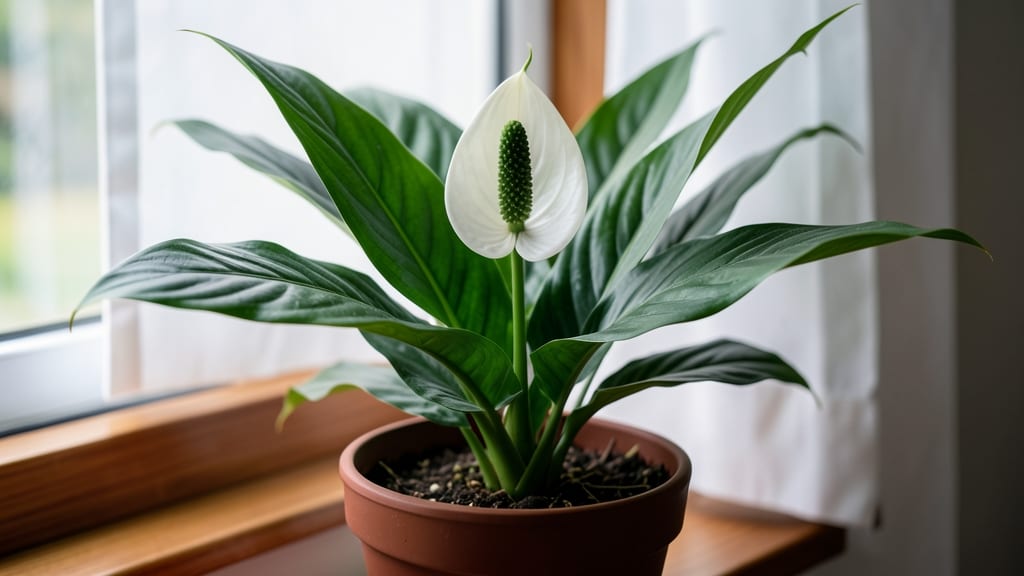
Bringing flowers into your home isn't just about beauty—it's about creating a living, fragrant sanctuary that lifts your mood every day. 🌸 I used to think fresh flowers were only for special occasions, but now I keep them in vases, pots, and even dried arrangements year-round.
The key is choosing plants that thrive indoors with minimal fuss, like snake plants or peace lilies, which clean the air while adding greenery.
Start with what you already have: a sunny windowsill, a spare corner, or even a bookshelf. You don’t need fancy setups—just a few low-maintenance blooms and a little creativity. A single stem of eucalyptus in a vintage mug or a trailing pothos in a hanging planter instantly transforms any space.
The best part? These plants adapt to indoor light and humidity without demanding constant care.
What you’ll end up with is a home that feels alive, vibrant, and uniquely yours. Imagine waking up to the soft blush of a paperwhite narcissus or the velvety leaves of a ZZ plant.
You’ll also discover how easy it is to mix textures—think rustic terracotta pots with sleek ceramic vases—and let your personality shine through your decor.
This approach works for apartments, cottages, or even office spaces. Whether you’re a busy professional or a plant parent in training, these tips will help you keep flowers thriving with minimal effort. Let’s make your home bloom, one petal at a time.
📚 In This Guide
- What you need
- Instructions
- Tips and common mistakes
- Wrapping up and next steps
What you need
- ● Flowers: Choose from fresh-cut blooms (e.g., roses, peonies, daisies) or long-lasting varieties like gypsophila or eucalyptus. Pro tip: Opt for seasonal flowers for the best value! 🌿
- ● Vase: A clean, sturdy vase (glass, ceramic, or even a repurposed jar). Size should match your flower arrangement—small bouquets need 3-4 inch vases, while large arrangements require 6+ inch vases.
- ○ Floral preservative: A packet of flower food (e.g., FTD or Lehmann’s) to extend bloom life. Optional: DIY with sugar (2 tbsp) + bleach (1/4 tsp) + warm water.
- ● Scissors or pruners: Sharp, clean scissors (or floral shears) to trim stems at a 45-degree angle.
- ● Water: Fresh, room-temperature water (avoid tap water with high chlorine—let it sit for 24 hours if needed).
- ● Floral foam: For no-mess arrangements (cut to fit your vase).
- ● Rubber bands or twine: To secure stems in place.
- ● Decorative elements: Greenery (e.g., eucalyptus, babys’ breath), ribbons, or pebbles for texture.
- ● Hydrogen peroxide (3%) or vinegar: A splash in water to kill bacteria and keep stems crisp.
- ● A clean workspace: Lay down newspaper or a towel to catch water spills.
- ● Sunlight awareness: Place your vase in indirect light to preserve blooms (avoid direct sun or heat sources).
- ● Time commitment: 10–15 minutes for setup, plus daily water changes for longevity.
How to keep cut flowers fresh indoors for weeks
Here's the foolproof method I use to make bouquets last longer than grocery store displays.
💧 Step 1: Prep the Flowers Immediately After Purchase
Fill a clean vase with lukewarm water (never cold) and add a handful of flower food if available. The key is to trim stems at an angle—about 2 inches from the base—using sharp scissors or pruners. This creates a larger surface area for water absorption, which is critical for longevity.
Strip any leaves that would sit below the waterline. Submerged leaves rot quickly and turn the water murky, which blocks the stems from drinking. I also give the stems a quick shake to remove any protective wraps or plastic bands that might restrict water flow.
☀️ Step 2: Position for Optimal Light and Airflow
Place your arrangement in a spot with bright, indirect light. Direct sunlight causes flowers to wilt faster by overheating the stems, while too little light makes them droop from exhaustion. A kitchen counter or bathroom vanity—where humidity is naturally higher—works perfectly.
Keep the vase in a draft-free zone. Air conditioning vents or heating registers dry out flowers overnight, so move them away from direct airflow. You'll notice flowers last noticeably longer in more humid environments like bathrooms, where steam from showers adds natural moisture.
🌿 Step 3: Refresh the Water and Stems Daily
Every 24 hours, remove the bouquet from the vase and recut the stems at a fresh angle under running water. This prevents bacteria buildup in the stems, which would otherwise clog their ability to drink. I like to swish the vase with a bit of bleach solution (1 part bleach to 4 parts water) every other day to keep it sanitized.
Change the water completely every 2-3 days, even if it looks clean. Stems are constantly drawing water, and what remains in the vase becomes a breeding ground for bacteria. You'll see a dramatic difference in freshness—flowers that were starting to droop will perk up within hours of a fresh cut and water change.
⏰ Step 4: Extend Life With Simple Tricks
Add a splash of white vinegar (1 teaspoon per quart of water) to the vase water—it lowers the pH slightly, helping stems absorb water more efficiently. You can also add a drop of bleach (just a few drops) to prevent bacterial growth, though this is optional. Avoid adding sugar; it attracts bacteria that will rot the stems faster.
For delicate blooms like roses or peonies, I wrap the stems in a damp paper towel overnight. This mimics the humidity they'd get in a greenhouse and keeps them hydrated while you sleep. You'll wake up to flowers that look like they were just picked that morning.
Tips & tricks for perfect indoor flower arrangements
Here's what nobody tells you about keeping cut flowers looking fresh for weeks—these little details make all the difference.
Angle Matters: When you trim those 2 inches from the base in Step 1, make sure the cut is completely straight—not diagonal. A perfectly straight cut maximizes water uptake, while a slanted cut can actually trap air bubbles that block hydration. I use a clean, sharp knife for this step because dull scissors crush stems and prevent proper water flow.
Vase Prep: Before adding flowers, give your vase a quick rinse with warm water and a drop of dish soap to remove any residue. Then fill it with lukewarm water (never cold) and add a splash of white vinegar. The vinegar lowers the pH, which helps stems absorb water more efficiently—this is why your flowers last longer than store-bought bouquets.
Humidity Hack: If you notice your flowers wilting overnight, try this: Wrap the stems in a damp paper towel and loosely cover the arrangement with a plastic bag (leave some airflow). This mimics greenhouse conditions and prevents dehydration. I do this especially with roses and peonies, which are more sensitive to dry air.
Pro Tips for Flower In Home
- Here's what nobody tells you about keeping cut flowers looking fresh for weeks—these little details make all the diff...
- Angle Matters: When you trim those 2 inches from the base in Step 1, make sure the cut is completely straight—not dia...
- Vase Prep: Before adding flowers, give your vase a quick rinse with warm water and a drop of dish soap to remove any ...
Frequently asked questions
Got questions about keeping flowers thriving in your home? You’re not alone! Here are some of the most common concerns—and easy solutions—to help you enjoy year-round beauty with minimal fuss.
How often should I water potted flowers indoors?
Most indoor flowers need water when the top inch of soil feels dry. Overwatering is the #1 killer—stick your finger in the soil to check! Pro tip: Use a pot with drainage holes to prevent root rot.
Which low-maintenance flowers are best for beginners?
Start with resilient picks like snake plants, ZZ plants, or peace lilies. These thrive in indirect light and only need water every 1-2 weeks. Bonus: They purify the air too!
Why are my indoor flowers drooping or yellowing?
Drooping often means thirst (water them!) or overwatering (let soil dry out). Yellow leaves? Too much sun or poor drainage. Move to brighter but indirect light and trim dead foliage.
Can I use artificial flowers to save time?
Artificial flowers are perfect for high-traffic areas or if you travel often. Opt for realistic silk blooms with UV protection to keep colors vibrant. Pro tip: Dust them monthly for a fresh look!
How do I keep flowers alive through winter?
Reduce watering (soil stays damp, not soggy) and move plants away from cold drafts. Increase humidity with a pebble tray or mist lightly. Christmas cactus and amaryllis are winter-friendly picks!
Wrapping up and next steps
Bringing flowers into your home doesn’t have to be complicated—it’s all about choosing the right blooms and caring for them with ease!
Whether you’re a seasoned plant parent or just starting, low-maintenance varieties like snake plants, ZZ plants, or peace lilies can transform your space with minimal effort while purifying the air. The key is prioritizing what thrives in your environment and keeping routines simple.
Ready to elevate your space? Start small—pick one or two plants that match your lifestyle, and let their beauty inspire you. Next, explore our guide on styling flowers in vases or creating a DIY indoor garden to take your floral journey to the next level! 🌸✨