
Flowers
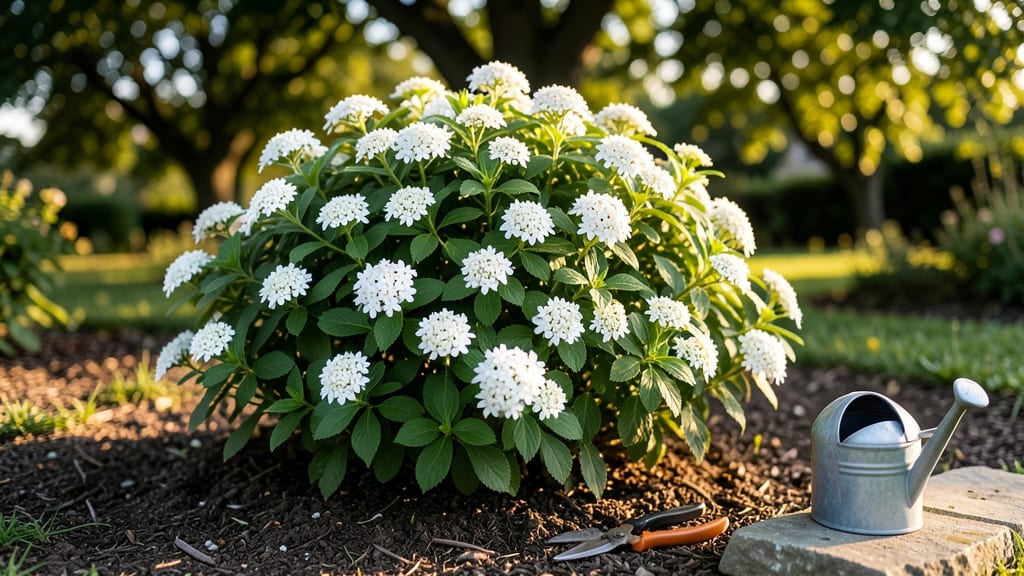
Spring's white-flowered shrubs transform your garden into a fragrant canopy before summer even arrives. 🌸 I remember the first time I saw lilacs bursting into bloom—it felt like nature's way of saying, "The long winter is over."
These shrubs aren't just pretty; they're hardy, low-maintenance, and packed with scent that lingers in the breeze.
The best part? Most thrive with minimal fuss—just well-draining soil, a spot with 4-6 hours of sunlight, and occasional pruning after they finish blooming. Mock orange and abelia are my go-tos because they handle spring's unpredictable weather, from late frosts to sudden heat waves.
Plant them in early spring while the soil is workable but not soggy, and you'll have blooms by late April or May.
Imagine stepping into your garden in May and being greeted by clouds of white blossoms that attract bees and butterflies. The fragrance alone makes mornings brighter, and these shrubs keep their beauty through summer, some even offering a second flush of flowers.
Plus, they're deer-resistant, which is a bonus if you live in a wooded area.
Whether you're filling a sunny border, creating a privacy screen, or adding height to a foundation planting, these shrubs deliver year-round interest. Start with just one or two varieties to see how they perform in your space—you might find your new favorite spring staple before the season ends.
📚 In This Guide
- What you need
- Instructions
- Tips and common mistakes
- Wrapping up and next steps
What you need
- ● Shrubs with white spring blooms: Choose 3–5 mature plants (e.g., Deutzia, Weigela, Pieris, or Spirea). Opt for 3–5 gallon containers for established plants or 1–3 gallon pots for younger shrubs.
- ● High-quality potting soil: 1–2 bags (50–70 lbs each) of well-draining, organic-rich soil (e.g., Miracle-Gro Garden Soil or Espoma Organic Potting Mix).
- ● Mulch: 2–3 cubic feet of shredded bark or pine straw to retain moisture and suppress weeds.
- ● Fertilizer: 1 bag of slow-release granular fertilizer (e.g., 10-10-10 or 12-12-12) or organic options like fish emulsion.
- ● Pruning shears: Bypass pruners (for clean cuts) or loppers (for thicker branches).
- ● Garden gloves: A pair of durable, breathable gloves (e.g., Fiskars or Fox River).
- ● Watering can or hose: A 5-gallon watering can or soaker hose for deep watering.
- ● Garden trowel or shovel: For digging holes (size depends on shrub root ball).
- ● Plant supports: Stakes or cages if your shrubs are tall or top-heavy (e.g., Weigela).
- ● Slow-release watering system: Drip irrigation for consistent moisture.
- ● Pest control: Neem oil or insecticidal soap (preventative measure for aphids or mites).
- ● Decorative stones or edging: To define plant beds and enhance curb appeal.
- ● Plant tags or markers: To label varieties and track care needs.
How to select and plant spring-blooming white-flowered shrubs
Brighten your landscape with these fragrant, low-maintenance shrubs that thrive year-round.
🌱 Step 1: Choose the Right Shrubs for Your Climate
Start by selecting shrubs that match your USDA hardiness zone and sunlight conditions. For full sun exposure, consider mock orange (Philadelphus) or deutzia, both of which produce clusters of fragrant white blooms in spring. If you have partial shade, pieris (Andromeda) or weigela are excellent choices—they tolerate cooler, shadier spots while still delivering showy white flowers.
I always check the mature height and spread of a shrub before buying. For example, mock orange can reach 8-10 feet tall, while pieris stays compact at 3-5 feet. Planting too close to structures or other plants will lead to overcrowding and poor airflow, which invites pests and diseases. Measure your space first—this ensures your shrubs have room to grow without competing for sunlight or nutrients.
🪴 Step 2: Prepare the Planting Site
Dig a hole twice as wide as the root ball but no deeper—this prevents root suffocation and encourages outward growth. Loosen the soil at the bottom of the hole with a garden fork to help roots penetrate easily. Amend the native soil with 2-3 inches of compost mixed into the bottom and sides of the hole. This improves drainage and provides essential nutrients for the first few weeks after planting.
Here’s the thing—don’t fertilize at planting time. New roots are sensitive, and excess nitrogen can burn them. Instead, let the compost and natural soil microbes establish a healthy balance. Water the hole deeply 24 hours before planting to settle the soil and make it easier to handle the root ball.
☀️ Step 3: Plant and Water for Establishment
Gently remove the shrub from its container and loosen any circling roots with your fingers. Place it in the hole so the top of the root ball sits level with the surrounding soil—burying too deep can suffocate the plant, while planting too high leaves roots exposed. Fill the hole with the remaining amended soil, pressing lightly to remove air pockets but avoiding compaction.
Water immediately after planting to settle the soil and eliminate air gaps. Use 1-2 gallons of water per shrub, applied slowly at the base. Avoid wetting the foliage, as this can spread fungal diseases. Mulch the soil surface with 2-3 inches of organic mulch, keeping it 6 inches away from the trunk to prevent rot. This retains moisture and regulates soil temperature.
✂️ Step 4: Prune and Maintain for Long-Term Growth
Prune immediately after planting to remove any broken or damaged branches. For most spring-blooming shrubs, prune right after flowering to shape the plant and encourage dense growth. Use clean, sharp pruners and cut just above a bud or leaf node at a 45-degree angle. Avoid heavy pruning in late summer or fall—this can stimulate new growth that won’t harden off before winter.
Water newly planted shrubs deeply once a week during the first growing season, unless rainfall provides 1 inch or more. You’ll know they’re established when new growth appears in early spring—this means the roots have spread beyond the root ball. Fertilize lightly in early spring with a balanced, slow-release fertilizer to support blooming without encouraging excessive foliage growth.
Tips & tricks for perfect spring-blooming white-flowered shrubs
Here's what I've learned over years of planting these fragrant beauties—details that make all the difference.
Shrub Selection Strategy: When choosing between mock orange (8-10 feet tall) and pieris (3-5 feet), consider your space's vertical potential. Tall shrubs like mock orange make stunning focal points against walls or fences, while compact pieris work beautifully in borders. I always measure the mature height against nearby structures—you don't want a 10-foot shrub crowding a 6-foot window! The key is visualizing the plant's full growth potential in its final location.
Soil Preparation Secret: The 2-3 inches of compost mixed into your planting hole isn't just about nutrients—it's about creating the perfect root environment. I like to add a handful of worm castings to the compost mix for extra microbial activity. This helps the roots establish faster, especially important when planting in cooler spring months. The worm castings also improve water retention, which is crucial during those first critical weeks after planting.
Watering Wisdom: Those 1-2 gallons per shrub should be applied slowly at the base, not poured quickly. I use a watering wand to create gentle pressure that penetrates deep into the soil without disturbing the root ball. The mulch layer helps maintain even moisture, but check the soil 2 inches down—it should feel damp but not soggy. Overwatering at this stage can suffocate roots just as much as underwatering.
Pruning Precision: When pruning right after flowering, I look for the first set of leaves below the flower cluster—this is where new growth will emerge. Cutting just above this node at a 45-degree angle encourages strong new shoots. For weigela, I'm particularly careful not to remove more than 1/3 of the plant's foliage in any single pruning session, as this can stress the shrub and reduce next year's blooms.
Pro Tips for Shrubs White Flowers Spring
- Here's what I've learned over years of planting these fragrant beauties—details that make all the difference.
- Shrub Selection Strategy: When choosing between mock orange (8-10 feet tall) and pieris (3-5 feet), consider your space's vertical potential.
- Soil Preparation Secret: The 2-3 inches of compost mixed into your planting hole isn't just about nutrients—it's about creating the perfect root environment.
Frequently asked questions
Got questions about choosing, planting, or caring for shrubs with white flowers in spring? You’re not alone! Here are some of the most common queries—and their answers—to help you create a stunning, low-maintenance garden.
When is the best time to plant white-flowering shrubs for spring blooms?
The ideal time to plant is early spring (after the last frost) or fall (6-8 weeks before your first frost). This gives roots time to establish before extreme temperatures. For container-grown shrubs, you can plant throughout the growing season—just water deeply afterward!
How often should I water new shrubs with white spring flowers?
Newly planted shrubs need 1-1.5 inches of water per week, either from rainfall or manual watering. For the first month or two, water 2-3 times per week to encourage root growth. Once established (after 1-2 years), most shrubs tolerate drought better but still appreciate deep watering during dry spells.
Are white-flowering shrubs prone to pests or diseases?
Most white-flowering shrubs are resistant to pests, but a few (like deutzia or spirea) may attract aphids or spider mites. To prevent issues:
- Choose healthy, disease-free plants at nurseries.
- Prune for good airflow to reduce humidity-related diseases.
- Apply neem oil if you spot pests early.
What’s a great low-maintenance white-flowering shrub for beginners?
If you want easy-care and long-lasting blooms, try:
- Dwarf Lilac (Syringa meyeri) – Fragrant, compact, and drought-tolerant.
- Abelia (Abelia x grandiflora) – Blooms spring to fall with minimal fuss.
- Potentilla (Dasiphora fruticosa) – Thrives in poor soil and full sun.
Will white-flowering shrubs survive harsh winters?
Most spring-blooming white shrubs are hardy to USDA Zones 4-8, but young plants or tender varieties (like weigela) may need mulch or winter protection. For extra safety:
- Apply 3-4 inches of mulch around the base after the ground freezes.
- Avoid wrapping burlap too tightly—it can trap moisture.
- Choose native shrubs (e.g., viburnum) for built-in cold resistance.
Wrapping up and next steps
Spring’s arrival doesn’t have to be fleeting—with the right white-flowering shrubs, your garden can glow with elegance all year long! 🌸 From fragrant blooms like Philadelphus to bold statements from Hydrangea, these plants offer beauty, resilience, and low-maintenance charm.
Whether you’re a seasoned gardener or just starting, now’s the perfect time to plant, prune, or simply admire their timeless appeal.
Ready to transform your outdoor space? Pick your favorite shrubs, grab your tools, and get growing! 🌱 Start small—even a single white-flowering beauty can turn an ordinary corner into a serene retreat. Happy gardening!