Container Gardens
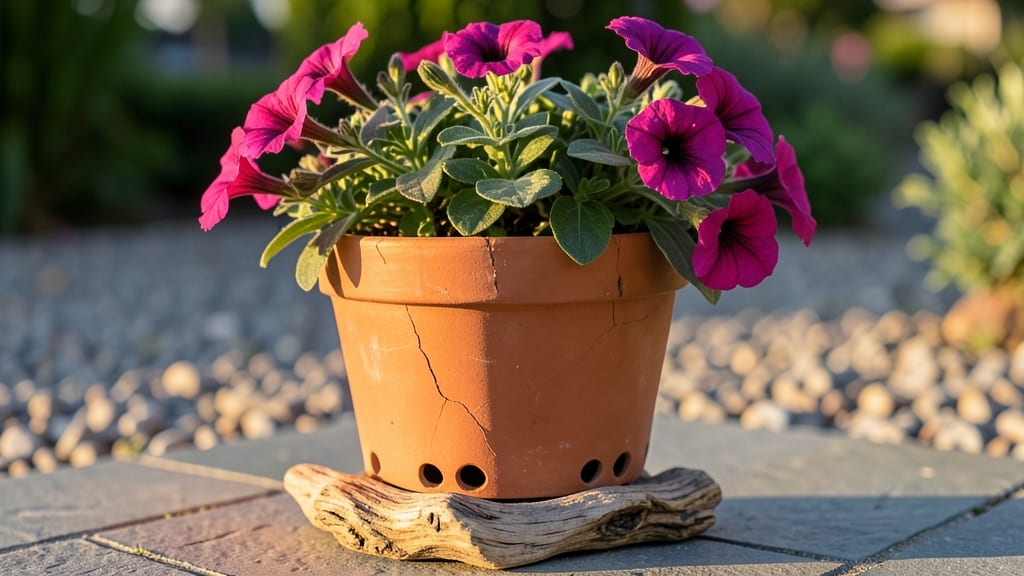
Container gardening flowers lets you turn any balcony, patio, or windowsill into a vibrant showstopper—no yard required. 🌸 I’ve filled tiny pots with blooms that pack a punch, proving you don’t need acres to create color that lasts from spring through frost.
The secret? Choosing the right dwarf varieties and matching them to containers that suit their needs.
Start with containers that have drainage holes—5- to 10-gallon pots work best for most flowers—and fill them with a lightweight potting mix designed for containers. Sun-loving petunias, snapdragons, and geraniums thrive in bright spots, while impatiens and begonias prefer partial shade.
Watering is the real game-changer: check soil moisture daily in summer, but let it dry slightly between waterings in cooler months.
By midseason, you’ll have a cascade of blooms that outshine any yard garden. The key is pruning spent flowers regularly to encourage more blooms, and fertilizing every 4-6 weeks with a balanced liquid feed.
Even in small spaces, you can create layers—tall spikes in the back, trailing flowers spilling over edges, and compact bushes filling gaps.
This method works year-round in warmer climates, and with seasonal swaps (like pansies for fall/winter), you’ll never have a dull corner. Whether you’re renting an apartment or just want low-maintenance beauty, these techniques make it effortless. Let’s get those pots blooming!
📚 In This Guide
- What you need
- Instructions
- Tips and common mistakes
- Wrapping up and next steps
What you need
- ● Containers: 1–3 containers per plant (5–15 gallons, depending on plant size). Opt for drainage holes and lightweight materials like: Terracotta pots (great for breathability)
- ● Plastic or resin containers (durable & budget-friendly)
- ● Fabric grow bags (flexible & aerated)
- ● Window boxes or hanging baskets (for trailing varieties)
- ● Potting Mix: 1 bag of high-quality, well-draining mix (avoid garden soil). Look for blends labeled for container gardening or add: Perlite or vermiculite (10–20% by volume for aeration)
- ● Compost or worm castings (20% for nutrients)
- ● Dwarf Flower Plants: 1–3 per container (check tags for mature size—aim for Petunias, geraniums, or begonias (compact & colorful)
- ● Dwarf roses or lavender (fragrant & low-maintenance)
- ● Succulents (e.g., echeveria or sedum for drought tolerance)
- ● Basic Tools: Trowel or small shovel (for planting)
- ● Gloves (to protect your hands 🧤)
- ● Pruners (for trimming dead blooms)
- ○ Optional (But Helpful!): Saucer trays (to catch runoff)
- ● Mulch (e.g., shredded bark to retain moisture)
- ● Slow-release fertilizer (granules or spikes)
- ● Self-watering system (for busy gardeners!)
- ● 💡 Sunlight: Confirm your space gets the right light for your flowers (e.g., full sun for geraniums, partial shade for begonias).
- ● 💧 Watering Plan: Containers dry out faster—check soil daily in hot weather!
- ● 🌡️ Climate Considerations: For year-round color, choose cold-hardy varieties (e.g., pansies, hellebores) or use seasonal swaps.
- ● In freezing climates, move containers to a sheltered spot or use insulating wraps.
How to choose and arrange dwarf flowers for year-round container color
Here's how I design vibrant, low-maintenance container gardens that bloom from spring through frost.
🌱 Step 1: Select Complementary Dwarf Flower Varieties
Start with 3-4 dwarf varieties per container that share similar light and water needs. I always include one tall thriller (like dwarf snapdragons at 12-18 inches), one mid-height filler (such as petunias at 6-10 inches), and one spiller (like trailing lobelia at 6-12 inches). This creates natural height variation while keeping the design balanced.
For year-round color, mix spring bloomers (like pansies), summer performers (geraniums), and fall/winter hardy varieties (like hellebores). Check each plant's USDA hardiness zone—some dwarf varieties tolerate Zone 5 while others only handle Zone 7+. Always verify your local frost dates to avoid planting tender varieties too early.
🪴 Step 2: Choose Proper Containers and Drainage
Select containers with drainage holes—no exceptions. I prefer unglazed terra cotta pots for their breathability, but plastic containers work well if they have multiple holes drilled in the base. The container should be at least 12 inches deep for most dwarf flowers, though trailing varieties may need hanging baskets with 8-10 inch depth.
Size matters: a 12-inch diameter pot accommodates 3-4 dwarf plants, while a 16-inch pot can hold 5-6 plants. If using window boxes, space plants 4-6 inches apart to allow airflow and prevent disease. Here's the thing—smaller containers dry out faster, so adjust your watering schedule accordingly.
☀️ Step 3: Layer Soil and Plant for Optimal Growth
Fill the container one-third full with lightweight potting mix (never garden soil—it compacts and suffocates roots). Add a 1-inch layer of perlite or pumice on top of the base soil to improve drainage. This prevents root rot, which is especially critical for container-grown flowers that can't escape excess moisture.
Plant the tallest variety in the center, then place mid-height plants around it, and finally position trailing varieties at the edges. Dig holes twice as wide as the root ball but only as deep as the plant's original soil line. Press the soil gently around the roots—don't pack it down, or you'll restrict root growth. Water deeply after planting to settle the soil.
💧 Step 4: Water and Fertilize for Consistent Blooms
Water deeply until it drains from the bottom—this ensures roots establish fully. I water every 2-3 days in summer (or daily in extreme heat) until the top inch of soil feels dry. Overwatering is the #1 killer of container flowers, so always check moisture before watering. In cooler months, reduce to every 4-5 days or when the soil feels dry 1-2 inches down.
Feed with a balanced, water-soluble fertilizer (like 10-10-10) every 2 weeks during the growing season. Cut back to every 4 weeks in fall and monthly in winter for hardy varieties. Here's what I do: Mix fertilizer with water and apply it directly to the soil—never spray on leaves, as this can cause burn. Deadhead spent blooms weekly to encourage continuous flowering and prevent seed formation.
✂️ Step 5: Prune and Maintain for Long-Lasting Color
Prune leggy stems back to a leaf node to encourage bushier growth. For trailing varieties, pinch back tips when they reach half their mature length—this forces them to branch out instead of growing one long stem. I also trim back overgrown foliage in early spring to make room for new growth and improve airflow.
Rotate containers quarter-turn weekly to ensure even sunlight exposure. This prevents plants from leaning toward the light and keeps the display symmetrical. In fall, reduce watering gradually and stop fertilizing 4-6 weeks before your first frost. For tender varieties, bring containers indoors before temperatures drop below 40°F—most dwarf flowers won't survive freezing temperatures.
Tips & tricks for perfect year-round container gardens
Here's what I've learned after years of trial and error—these little details make all the difference for vibrant, long-lasting container displays.
Seasonal Plant Pairing: When selecting your 3-4 varieties in Step 1, prioritize plants with staggered bloom times. For example, pair spring pansies with summer geraniums and fall hellebores—this ensures you never have a colorless container. I also recommend choosing varieties with similar water needs to simplify maintenance. In Zone 5, for example, pansies and hellebores both thrive with moderate watering, while geraniums prefer slightly drier conditions.
Container Material Matters: In Step 2, terra cotta pots are my top choice because they wick moisture from the soil, preventing root rot in those 12-inch containers. However, if you're using plastic, drill extra holes in the base—standard drainage holes often aren't enough for container-grown flowers. Pro tip: For trailing varieties in hanging baskets, use coconut fiber liners instead of plastic—they allow better airflow to the roots.
Soil Layering Technique: The one-inch layer of perlite in Step 3 isn't just about drainage—it creates an air pocket that prevents soil compaction. I've found that adding a thin layer of horticultural charcoal on top of the perlite further reduces moisture retention and prevents fungal issues. This extra step is especially valuable in humid climates where containers can stay damp for days.
Winter Care Strategy: When temperatures drop below 40°F in Step 5, move tender varieties indoors to a bright location with consistent moisture. I use grow lights for 12 hours daily to maintain their flowering cycle. For hardy varieties, group containers together to create microclimates that trap warmth. A simple plastic dome or even a clear plastic bag (with holes for airflow) can extend the season by several weeks.
Pro Tips for Container Gardening Flowers
- Here's what I've learned after years of trial and error—these little details make all the difference for vibrant, long-lasting container displays.
- Seasonal Plant Pairing: When selecting your 3-4 varieties in Step 1, prioritize plants with staggered bloom times.
- Container Material Matters: In Step 2, terra cotta pots are my top choice because they wick moisture from the soil, preventing root rot in those 12-inch containers.
Frequently asked questions
Got questions about container gardening flowers?
Here are answers to the most common ones to help you grow vibrant blooms all year—no green thumb required!
What are the best flowers for beginners in containers?
Start with easy, compact varieties like petunias, marigolds, pansies, or geraniums. These thrive in small spaces, tolerate occasional neglect, and bloom prolifically. Dwarf impatiens or bacopa are also great for shade!
How often should I water container flowers?
Check soil moisture daily in hot weather—containers dry out fast! Water deeply until it drains from the bottom (about 1–2 inches per week). In cooler months, reduce to 1–2 times weekly. Pro tip: Use a moisture meter or stick your finger in—if the top inch is dry, it’s time!
Can I grow flowers in containers year-round?
Yes! Choose cold-hardy annuals (like pansies or snapdragons) for winter, and opt for heat-tolerant varieties (e.g., portulaca or lantana) in summer. Move pots to shaded areas in extreme heat or bring them indoors if frost threatens. Bonus: Evergreen foliage plants (like heuchera) add winter interest too!
What can I do if my container flowers aren’t blooming?
Lack of blooms often means too much nitrogen (focus on phosphorus instead) or overcrowding. Deadhead spent flowers regularly, ensure 6–8 hours of sun daily, and fertilize with a balanced bloom booster every 4–6 weeks. If pests (like aphids) are present, treat with neem oil or insecticidal soap.
Are there space-saving alternatives to traditional pots?
Try hanging baskets (for trailing flowers like nasturtiums), vertical planters (attach to fences/walls), or self-watering fabric grow bags to save room. Even repurposed items—like boot planters or pallet gardens—work beautifully for dwarf varieties!
Wrapping up and next steps
Container gardening with dwarf flowers is your ticket to a vibrant, low-maintenance garden that thrives year-round! 🌸 Whether you’re a beginner or a seasoned green thumb, these compact beauties bring color, charm, and joy to patios, balconies, and small spaces—without the fuss.
With the right containers, soil, and sunlight, you’re just a few steps away from a blooming masterpiece.
Ready to dive in? Start small—pick one or two varieties—and let your creativity bloom! 🌱 Grab your containers, get planting, and watch your outdoor space transform into a floral paradise!