
Flowers
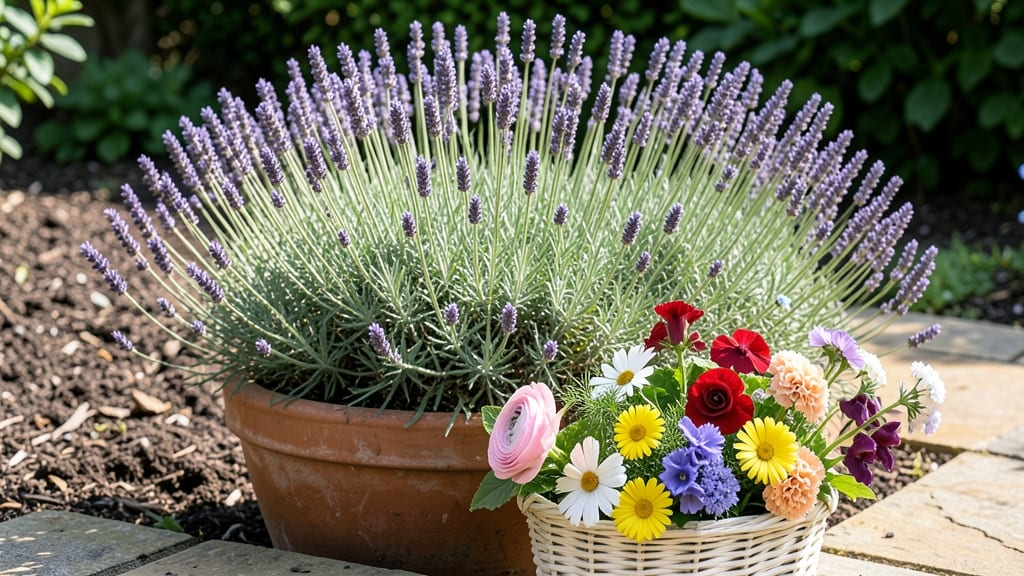
My top 10 favorite flowers aren’t just pretty—they’re the ones that turn my garden into a nonstop show, even when I forget to water them. 🌸 These plants thrive with minimal fuss, whether you’re going for cottage charm or sleek modern lines, and they keep bees buzzing all season long.
What makes this list special? Every flower here delivers bold color, long bloom times, and resilience—no fancy degrees required. Take lavender, for example: it’s drought-tolerant, smells amazing, and butterflies can’t resist it.
Or sunflowers, which grow fast and add instant height to any bed. These aren’t just pretty faces; they’re workhorses for your garden.
You’ll end up with a garden that looks like it belongs in a magazine, but with way less stress. Picture purple coneflowers nodding in the breeze, black-eyed Susans popping against green foliage, and roses that bloom from spring until frost.
The best part? Most of these thrive in average soil and only need occasional deadheading to keep flowering.
Whether you’re filling containers, lining a walkway, or creating a pollinator paradise, these flowers adapt to your style. Let’s dive into the specifics—your garden’s about to get an upgrade without the headache.
📚 In This Guide
- What you need
- Instructions
- Tips and common mistakes
- Wrapping up and next steps
What you need
- ● Flower Seeds or Plants: Choose from your top 10 picks (e.g., sunflowers, roses, lavender, marigolds, petunias, daisies, tulips, snapdragons, geraniums, or orchids). Buy seeds for seasonal planting or pre-grown plants for instant color.
- ● Potting Soil: 5–10 gallons (depending on container size or garden bed). Opt for a high-quality, well-draining mix (e.g., Miracle-Gro Potting Mix or a blend with perlite).
- ● Containers or Garden Space: Containers: 5–10 pots (6–12 inches in diameter) with drainage holes. Materials like terracotta, ceramic, or fabric grow bags work well.
- ● Garden Beds: A sunny spot (6+ hours of light daily) with loose, fertile soil. Amend with compost if needed.
- ● Fertilizer: A balanced, slow-release granular fertilizer (e.g., 10-10-10 NPK ratio) or liquid fertilizer (like Miracle-Gro All-Purpose). Follow package instructions for dosage.
- ● Watering Can or Hose: A gentle spray nozzle helps avoid damaging delicate flowers.
- ● Mulch: 2–3 inches of organic mulch (e.g., shredded bark or straw) to retain moisture and suppress weeds.
- ● Hand trowel or small shovel for transplanting.
- ● Garden gloves to protect your hands.
- ● Pruning shears for trimming dead blooms or shaping plants.
- ○ pH testing kit (optional) to ensure soil is ideal (most flowers prefer 6.0–7.0).
- ● Stakes or supports for taller flowers (e.g., sunflowers or roses).
- ○ Decorative stones or pebbles (optional) for container aesthetics.
- ● Sunlight Knowledge: Research your flower’s light needs (full sun, partial shade, or shade) to pick the right spot.
- ● Climate Awareness: Check your USDA Hardiness Zone for seasonal planting times (e.g., spring for bulbs, summer for annuals).
- ● Patience: Some flowers (like orchids) take longer to bloom—don’t rush the process!
How to select and maintain low-maintenance flowers for season-long beauty
Here’s how to curate a vibrant, resilient flower garden that thrives with minimal fuss.
🌱 Step 1: Choose Flowers Based on Your Climate and Light
Start with hardy annuals and perennials that match your USDA hardiness zone and sunlight conditions. For example, black-eyed Susans and coneflowers thrive in full sun (6+ hours daily) and zones 3-9, while impatiens and begonias prefer partial shade (3-6 hours of sun) and zones 10-11. Check each plant’s label for these details—this ensures they’ll handle your local heat, cold, or humidity without wilting or struggling.
I like to group flowers by bloom seasons to extend color year-round. Plant spring bulbs like daffodils alongside summer perennials such as lavender, then add fall mums and winter pansies for continuity. This way, you’re never stuck with bare soil. A quick tip: Succulents like sedum also work well in zones 4-9 if you want drought-resistant options.
☀️ Step 2: Plant in Well-Draining Soil with Proper Spacing
Amend your native soil with 2-3 inches of compost before planting to improve drainage and fertility. Flowers hate soggy roots, so if your soil feels heavy when squeezed, mix in sand or perlite (about 1 part to 3 parts soil). Dig holes twice as wide as the root ball but only as deep—burying stems too deep suffocates new growth.
Follow the planting depth and spacing on the tag. Crowding leads to competition for nutrients and air circulation, which invites powdery mildew or blight. For instance, daylilies need 18-24 inches apart, while petunias can sit 6-12 inches apart. Water deeply after planting to settle the soil around roots, then let it dry slightly before watering again.
💧 Step 3: Water Deeply but Infrequently
Most low-maintenance flowers prefer deep watering once or twice a week rather than daily shallow drinks. Water at the base of the plant in the early morning to reduce evaporation and fungal risks. Aim for 1 inch of water per week, adjusting for rain—stick your finger 2 inches into the soil; if it’s dry, water again.
Here’s the thing—overwatering is the #1 killer of healthy flowers. You’ll know you’re doing it right when the top inch of soil feels dry but the roots stay moist. Mulch with 2-3 inches of organic material (like shredded bark) to retain moisture and suppress weeds. Just keep mulch 2 inches away from stems to prevent rot.
✂️ Step 4: Deadhead and Prune for Longer Blooms
Deadheading—removing spent blooms—tricks flowers into producing more flowers instead of seeds. Use clean, sharp pruners and cut just above a leaf node (where leaves grow) to encourage new growth. For example, roses and zinnias respond beautifully to this; I deadhead mine every 2-3 days during peak bloom.
Prune leggy or overgrown stems in early spring to shape the plant and remove dead wood. For perennials like black-eyed Susans, cut back one-third of the plant in late winter before new growth appears. This keeps them compact and prevents flopping. Wear gloves—some plants, like foxglove, have milky sap that can irritate skin.
🪴 Step 5: Fertilize Lightly and Monitor for Pests
Use a balanced, slow-release fertilizer (like 10-10-10) once in early spring and again after the first flush of blooms. Too much nitrogen makes flowers leafy but flower-sparse, while too little leads to weak stems. Follow the package rate—half is often enough for low-maintenance varieties. Water the soil after applying to prevent root burn.
Check the undersides of leaves weekly for aphids, spider mites, or whiteflies. A strong spray of water usually dislodges them, but for stubborn infestations, use neem oil (mix 1 tablespoon per quart of water). Healthy plants bounce back quickly, so early action is key. If you spot yellowing leaves, it might be overwatering or nutrient deficiency—adjust accordingly.
Tips & tricks for perfect season-long flower gardens
Here's what I've learned after years of trial and error with low-maintenance blooms.
Climate Matching: Double-check your USDA zone before purchasing plants—this isn't just a suggestion, it's essential. For example, those gorgeous black-eyed Susans in zone 3 might struggle in zone 11's heat. I keep a zone map handy when shopping, and I always verify sunlight requirements on plant tags. The 3-6 hours of partial shade for impatiens is non-negotiable for their survival in hotter climates.
Soil Preparation Strategy: The 2-3 inches of compost recommendation is perfect, but here's the thing: mix it thoroughly with your native soil before planting. I use a garden fork to create pockets of compost-rich soil where roots will develop. For heavy clay soils, add 1 part sand or perlite to 3 parts soil—this improves drainage dramatically and prevents root rot, which is especially critical for daylilies that need those 18-24 inches of space to breathe.
Watering Wisdom: That 1 inch of water per week guideline is spot-on, but timing matters just as much. I water my flower beds between 6-8 AM when evaporation is lowest. For containers, I use the "soak and dry" method—water until it runs out the drainage holes, then wait until the top inch feels dry before watering again. This prevents the overwatering that kills more plants than anything else.
Pest Prevention: The neem oil recommendation works wonders, but I've found even better results with a preventive approach. Every 2-3 weeks during growing season, I spray my plants with a 1 tablespoon per quart of water neem solution as a deterrent. This keeps aphids and spider mites from getting a foothold, saving me from dealing with infestations later. I also rotate my mulch every season to prevent soil-borne diseases from building up.
Pro Tips for Top 10 Favorite Flowers
- Here's what I've learned after years of trial and error with low-maintenance blooms.
- Climate Matching: Double-check your USDA zone before purchasing plants—this isn't just a suggestion, it's essential.
- Soil Preparation Strategy: The 2-3 inches of compost recommendation is perfect, but here's the thing: mix it thoroughly with your native soil before planting.
Frequently asked questions
Got questions about choosing, caring for, or styling your favorite flowers? Here are some of the most common queries—and their simple solutions!
Which flowers are easiest for beginners?
Start with sunflowers, marigolds, or zinnias—they’re hardy, drought-tolerant, and thrive with minimal fuss. Peace lilies and snake plants are also great low-maintenance picks for indoor spaces.
When is the best time to plant these flowers?
Most annuals (like petunias or geraniums) love spring or fall planting after the last frost. Perennials (such as daylilies or coneflowers) can go in early spring or even late summer. Always check your local frost dates for timing tips!
How often should I water my flowers?
Water deeply 2-3 times per week for most flowers, but adjust based on weather—drought-tolerant varieties (like lavender) need less. Pro tip: Water at the base (not leaves) to prevent fungal issues.
What if my flowers aren’t blooming?
Check for these common issues:
- Not enough sun: Move to a sunnier spot (6+ hours/day for most flowers).
- Over-fertilizing: Too much nitrogen = leafy growth, not blooms. Use a bloom-specific fertilizer instead.
- Deadheading: Snip spent blooms to encourage new flowers!
Still struggling? Your plant might need a rest period (like roses in winter).
Can I mix these flowers in the same garden bed?
Pair tall sunflowers with short petunias for height contrast, or combine purple coneflowers with white daisies for a cottagecore vibe. Just group plants with similar sunlight/water needs to avoid competition.
Wrapping up and next steps
From vibrant roses to delicate orchids and hardy sunflowers, these top 10 favorite flowers prove that beauty and low maintenance can go hand in hand!
Whether you’re a seasoned gardener or just starting, each bloom offers year-round charm with minimal effort—perfect for brightening up your space without the fuss. 🌸
Now that you’ve discovered your new favorites, why not take the next step? Start small with a single pot or dive in with a full garden redesign. Plant with confidence—your future blooms will thank you!