
Flowers
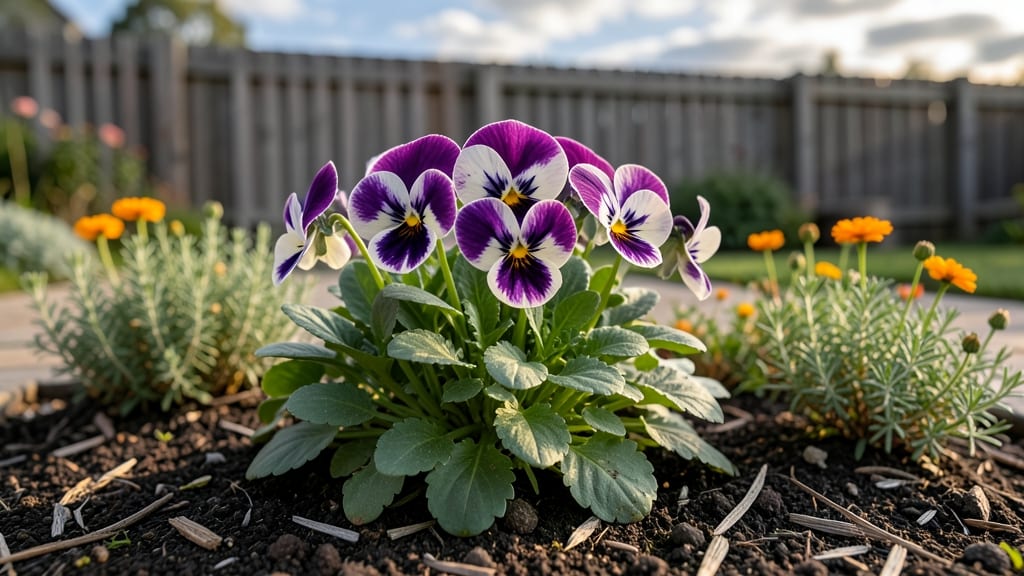
Taking care of pansy flowers is easier than you think—these cold-hardy beauties thrive with just three simple trims a year and a little seasonal attention. 🌿 I’ve grown them through four winters, and they’ve never failed to bounce back with vibrant blooms, even when other plants give up.
The secret lies in knowing when to trim, how much sunlight they need, and when to protect them from late frosts.
Pansies love cool weather, making them perfect for early spring or fall planting. They need 4-6 hours of sunlight daily, but too much midday heat can scorch their delicate petals. Well-draining soil rich in organic matter keeps them happy, and a light feeding every 4-6 weeks ensures continuous blooms.
The real magic happens in winter—they’ll survive down to 15°F, but a thin layer of mulch or frost cloth gives them extra insurance.
With just three strategic trims—one in early spring, one after heavy blooming, and one before winter—you’ll keep your pansies looking fresh all season. Deadheading spent blooms encourages new flowers, and pinching back leggy stems keeps them compact.
By summer’s end, they’ll reward you with bold, jewel-toned blooms that outshine anything from the nursery.
Works for containers, garden beds, or even edible flower arrangements—just avoid heavy pruning in heatwaves. Let’s get those pansies thriving year after year!
📚 In This Guide
- What you need
- Instructions
- Tips and common mistakes
- Wrapping up and next steps
What you need
- ● Pansy plants: Start with healthy nursery-grown pansies (6–12 plants per container or garden bed). Choose varieties like Heart Series or Cool Wave for long-lasting color.
- ● Well-draining potting mix: 1–2 bags (10–15 quarts each) of high-quality organic potting soil (e.g., Miracle-Gro Potting Mix or FoxFarm Ocean Forest). Avoid garden soil—it can compact and suffocate roots!
- ○ Containers (optional but helpful): Hang baskets (10–12" diameter) for trailing varieties.
- ● Window boxes or raised beds (12–18" wide) for garden planting.
- ● 5–7" pots for individual plants (1 plant per pot).
- ● Slow-release fertilizer: 1–2 tablets or granules of osmocote (14-14-14 NPK) per plant or per 6" of container length. Reapply every 2–3 months.
- ● Watering can or hose with a gentle spray nozzle: Pansies need consistent moisture but hate soggy roots.
- ● Pruning shears or clean scissors: Sharp, sterilized tools (rubbing alcohol works!) to trim spent blooms and leggy stems.
- ○ Mulch (optional): 1–2 inches of straw or shredded bark to retain moisture and insulate roots in cooler months.
- ● Sunlight: Partial shade to full sun (4–6 hours of sunlight daily). Morning sun + afternoon shade works best in hot climates.
- ● Temperature: Thrives in 40–75°F (4–24°C). Protect from frost (<32°F/0°C) with row covers or move containers indoors.
- ● Humidity: Prefers moderate humidity. Mist leaves occasionally in dry climates to prevent wilting.
- ● Epsom salt (1 tbsp per gallon of water) for magnesium boosts (monthly feed).
- ● Compost tea or fish emulsion (diluted) for a nutrient-rich foliar spray.
- ● Decorative garden stakes or trellises to support leggy stems.
- ● A moisture meter to check soil dampness (pansies hate drying out!).
Step-by-step instructions for growing healthy pansy flowers
Pansies thrive with minimal fuss—just focus on these three key trims and consistent care.
🌿 Step 1: Plant in Well-Draining Soil with Full Sun to Partial Shade
Pansies love rich, well-draining soil with a pH between 6.0 and 7.0. Amend your garden bed with 2-3 inches of compost before planting to ensure nutrients stay available. Space plants 8-12 inches apart—crowding leads to weak stems and poor flowering.
Choose a location with 4-6 hours of morning sun and afternoon shade, especially in hotter climates. Pansies tolerate light shade but won’t bloom as prolifically in deep shade. If planting in containers, use a high-quality potting mix with added perlite for aeration.
💧 Step 2: Water Consistently Without Overhead Moisture
Keep soil evenly moist but never soggy—pansies hate wet feet. Water at the base early in the morning to prevent fungal diseases. You’ll know it’s time when the top inch of soil feels dry to the touch. Overhead watering can cause mildew, especially in humid conditions.
Reduce watering slightly in late summer when growth naturally slows. Mulch with 1-2 inches of organic mulch (like shredded bark) to retain moisture and keep roots cool. Avoid letting pansies dry out completely—they’ll drop buds and leaves quickly.
✂️ Step 3: Trim for Continuous Blooms and Healthy Growth
Deadhead spent blooms every 3-5 days by pinching off flowers just above the next set of leaves. This redirects energy to new buds instead of seed production. Use clean, sharp scissors to avoid damaging stems.
In early spring and late summer, give pansies a light haircut by trimming back leggy stems by one-third. This encourages bushier growth and prevents woody stems. Avoid cutting into the center of the plant—focus on outer growth for a fuller appearance.
☀️ Step 4: Protect from Heat and Pests Year-Round
Pansies thrive in cool seasons but struggle in temperatures above 75°F. Provide afternoon shade during summer heat waves. If growing in containers, move pots to a shadier spot or under a lightweight shade cloth during peak heat.
Watch for aphids and slugs—common pests for pansies. Spray with neem oil for aphids or set out beer traps for slugs. A weekly inspection of undersides of leaves catches problems early before they spread.
Tips & tricks for perfect pansy care
Here's what nobody tells you about keeping pansies blooming like pros—without the guesswork.
Soil Secrets: Test your soil's pH before planting to confirm it's between 6.0 and 7.0. If your soil is too acidic, mix in dolomitic lime (about 1 pound per 100 square feet) 2-3 months before planting. Pansies are sensitive to soil chemistry, and getting this right means fewer nutrient deficiencies and stronger plants.
Watering Wisdom: The "top inch dry" test is your best friend, but there's a trick to it: stick your finger in the soil about 2 inches deep—this gives you a better sense of moisture levels at the root zone where pansies really need it. Early morning watering isn't just about preventing mildew; it also gives leaves time to dry completely before evening, which naturally deters fungal spores.
Trimming Technique: When you're deadheading every 3-5 days, don't just grab any scissors—use sterilized pruning shears dipped in rubbing alcohol between plants. This prevents spreading diseases from plant to plant. For that one-third trim in spring/late summer, cut just above a leaf node where new growth emerges; this ensures your plant knows exactly where to send its energy for bushier growth.
Heat Hack: If you notice your pansies wilting during summer heat, it's not just the 75°F threshold—they're also reacting to wind exposure. When temperatures climb, move container-grown pansies to a sheltered spot or use a lightweight shade cloth (30-50% shade) to reduce stress without completely blocking sunlight. The key is keeping them cool but still getting those crucial 4-6 hours of morning sun.
Pro Tips for Take Care Of Pansy Flowers
- Here's what nobody tells you about keeping pansies blooming like pros—without the guesswork.
- Soil Secrets: Test your soil's pH before planting to confirm it's between 6.0 and 7.0.
- Early morning watering isn't just about preventing mildew; it also gives leaves time to dry completely before evening, which naturally deters fungal spores.
Frequently asked questions
Got questions about keeping your pansies happy and blooming? You’re not alone! Here are some of the most common concerns—plus quick, easy answers to keep your garden vibrant.
Can pansies survive winter, or do I need to dig them up?
Pansies are winter-hardy in USDA zones 5–10! They’ll often self-clean up after a freeze and bounce back in spring. For colder zones (below 20°F), mulch with straw or leaves to protect roots. If you’re in a harsh climate, consider overwintering them in containers and moving them to a sheltered spot.
Why are my pansy leaves turning yellow?
Yellow leaves usually mean overwatering or nutrient deficiency. Check soil moisture—pansies like evenly moist (not soggy) soil. If the yellowing starts at the bottom, it’s often old leaves shedding. For a nutrient boost, feed with a balanced 10-10-10 fertilizer every 4–6 weeks. Pro tip: Yellowing can also signal powdery mildew—spray with neem oil if you spot white fuzz.
How often should I trim dead blooms to encourage more flowers?
Trim spent blooms weekly (or as soon as they fade) to redirect energy to new flowers. Use clean scissors or pruners and cut just above the next set of leaves. Bonus: Deadheading also keeps your pansies looking tidy and prevents seed pods from forming, which can reduce blooming.
Can I grow pansies in containers, or do they need a garden bed?
Pansies thrive in containers as long as the pot has drainage holes and is at least 6–8 inches deep. Use a well-draining potting mix, and place them where they get 4–6 hours of sunlight daily. Containers let you move them for seasonal light adjustments—perfect for balconies or patios!
Are pansies prone to pests, and how do I keep them away?
Pansies rarely face major pests, but aphids and slugs might visit. For aphids, blast them off with water or use insecticidal soap. Slugs? Set out beer traps (yes, really!) or sprinkle diatomaceous earth around the base. Prevention tip: Healthy, well-watered pansies are less appealing to pests—so keep up with care!
Can I grow pansies from seed, or should I buy starts?
You can grow pansies from seed, but they’re slow to germinate (4–6 weeks!) and often take longer to bloom. For faster results, buy young plants from a nursery—they’ll flower within weeks. If you’re patient, start seeds indoors 8–10 weeks before your last frost for spring planting.
Wrapping up and next steps
Taking care of pansy flowers is all about consistent love and a few simple tricks—like deadheading, pruning, and keeping them happy with the right soil and sunlight. 🌸 With these easy steps, your pansies will reward you with vibrant blooms all season long!
Now that you’re armed with the know-how, why not grab your shears and get trimming? Your garden (and future floral friends) will thank you!
Next step: Pick a sunny afternoon, grab your tools, and give those pansies the TLC they deserve—your garden will be bursting with color in no time! 🌿