
Propagation
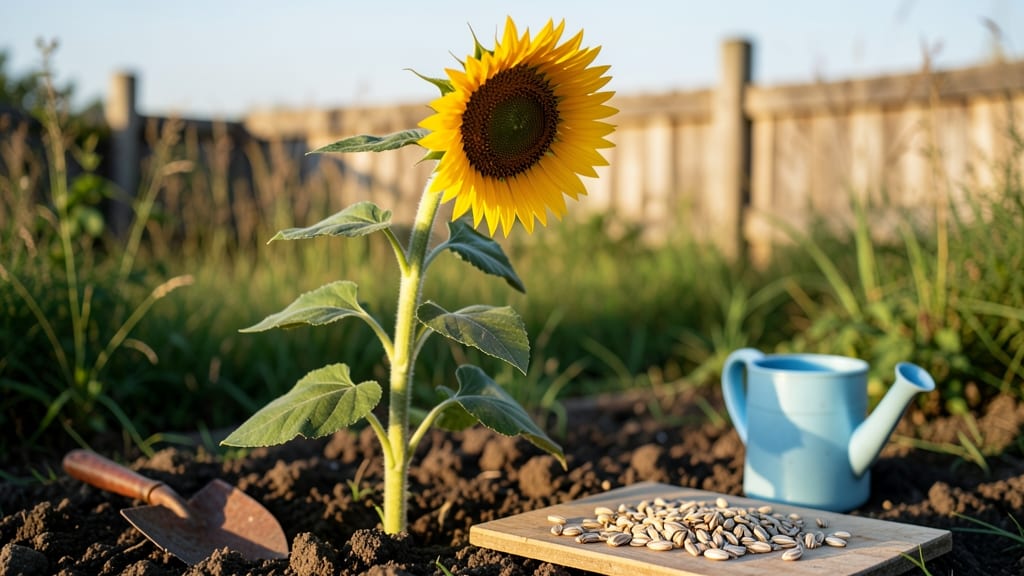
Growing sunflowers from seed delivers fast germination and jaw-dropping height in just a few weeks—something I learned after my first batch of seeds sprouted in three days and reached my shoulders by July.
The key isn’t just patience; it’s matching their needs with simple soil prep, proper spacing, and consistent watering. Most beginners overthink it, but sunflowers are surprisingly forgiving once you get the basics right.
You’ll need well-draining soil, a sunny spot (at least 6-8 hours of direct sun daily), and seeds planted 1 inch deep—no fancy equipment required. Even small spaces work if you choose compact varieties like ‘Teddy Bear’ or ‘Moulin Rouge.’
The real magic happens when those first yellow shoots break through the soil, growing 2-3 inches per day under ideal conditions.
By midsummer, you’ll have towering stems reaching 10+ feet with blooms that attract bees and hummingbirds. The process is satisfyingly quick—no waiting months like with perennials—and the harvest (seeds, petals, or cut flowers) keeps giving long after the blooms fade.
Weak stems or slow germination? I’ll show you how to fix those too.
Perfect for first-time gardeners, small yards, or anyone craving instant gratification from their plants. Let’s get those seeds in the ground—the fastest-growing rewards in gardening are about to begin.
📚 In This Guide
- What you need
- Instructions
- Tips and common mistakes
- Wrapping up and next steps
What you need
- ● Sunflower seeds: Choose Helianthus annuus varieties (e.g., 'Mammoth', 'Autumn Beauty', or 'Teddy Bear'). Buy 10–20 seeds for a small garden or 50+ seeds for a full patch.
- ● Well-draining potting mix or garden soil: A 5-gallon bag of seed-starting mix or 1 cubic yard of amended garden soil (pH 6.0–7.0). Add compost for nutrients.
- ● Containers: For indoor starts: 4–6 biodegradable pots (3–4 inches deep) or seed trays with cells.
- ● For direct sowing: 1–2 feet of row space per plant (sunflowers need room to stretch!).
- ● Watering can or hose: With a gentle spray nozzle to avoid displacing seeds.
- ● Grow lights or sunny windowsill: If starting indoors, provide 12–16 hours of light daily (LED grow lights work great).
- ○ Fertilizer (optional but helpful): A balanced, water-soluble fertilizer (e.g., 10-10-10) or compost tea to boost early growth.
- ● Slow-release granules (like 10-10-10) mixed into soil at planting.
- ○ Gloves (optional): To protect hands from prickly seed hulls.
- ● Trowel or planting stick: For digging holes 1 inch deep (or shallower for indoor starts).
- ○ Mulch (optional): Straw or wood chips to retain moisture and suppress weeds.
- ● Sunny location: 6+ hours of direct sunlight daily (more = happier sunflowers!).
- ● Patience (but not too much!): Sunflower seeds germinate in 7–14 days—fast compared to many plants.
- ○ 💡 Soak seeds overnight in warm water to speed up germination (optional but helpful in cool climates).
- ● 🌡️ Keep soil warm (70–85°F) for faster sprouting—use a heat mat if starting indoors early.
- ● 🎯 Thin seedlings to 12–18 inches apart once they’re 4–6 inches tall to avoid overcrowding.
How to grow sunflowers from seed for rapid, dramatic height
Here’s how to turn tiny seeds into towering giants in just a few weeks—my foolproof method for quick, bold sunflowers.
Choose the Right Variety and Plant at the Perfect Time
Sunflowers thrive on speed, so pick a fast-maturing variety like ‘Moulin Rouge’ or ‘Autumn Beauty’—both reach 6-8 feet tall in 8-10 weeks from seed. Plant when soil temperatures hit 60°F or warmer, as cold soil slows germination. I always check with a soil thermometer to avoid delays, especially in spring or fall.
Direct sow seeds ½ inch deep in well-drained soil, spacing them 6 inches apart in rows 18 inches apart. This gives roots room to anchor before they shoot upward. If you’re in a short growing season, opt for dwarf varieties like ‘Teddy Bear’—they mature in 6-7 weeks and still pack a punch.
Water Deeply and Keep Soil Consistently Moist
Sunflower seeds need consistent moisture to germinate, but don’t drown them. Water the soil to a depth of 1 inch right after planting, then keep it evenly moist—not soggy—until germination. I use a rain gauge to track moisture; sunflowers wilt fast if the soil dries out, and they won’t recover.
Once seedlings emerge (usually 7-10 days), water at the base early in the morning to prevent fungal issues. Avoid overhead watering, which can spread disease. You’ll know you’re nailing it when the soil feels like a damp sponge—light enough to crumble but not dry.
Thin Seedlings for Stronger Stems
When seedlings reach 2-3 inches tall, thin them to 12-18 inches apart to prevent overcrowding. I use sharp scissors to snip weak stems at soil level—this reduces shock and keeps the strongest plants. Leave the most vigorous seedling in each spot; you’ll see them with thick stems and deep green leaves.
Thinning might seem cruel, but it’s the key to taller, sturdier sunflowers. Overcrowded plants compete for nutrients, leading to leggy, weak stems that snap in wind or rain. After thinning, water deeply to help roots establish in the extra space.
Feed for Rapid Growth and Towering Height
Sunflowers are heavy feeders, so side-dress with 5-10-10 fertilizer when plants are 4-6 inches tall. I sprinkle a handful around the base and water it in—this boosts blooming and stem strength. Organic options like composted manure work too, but inorganic fertilizers deliver faster results for height.
Watch for yellowing leaves—a sign of nitrogen deficiency. If you see this, add a balanced fertilizer and water thoroughly. The goal is steady, upward growth, not bushy foliage. You’ll notice stems thickening and leaves darkening within a week of feeding.
Support and Protect for Maximum Height
Tall sunflowers need sturdy support to avoid flopping. I drive a 6-foot bamboo stake into the ground beside each plant and tie the stem loosely with soft cloth or old fabric as it grows. This prevents wind damage and keeps stems straight—critical for varieties over 8 feet.
Deadhead spent blooms to encourage second flushes of flowers, especially in warm climates. Cut back stems to 12 inches tall after the first bloom fades, and you’ll often get a second round of flowers. Just keep an eye on the weather—sunflowers hate frost, so harvest seeds or bring pots indoors before temperatures dip below 32°F.
Tips & tricks for perfect sunflower growth from seed
Want those towering sunflowers in record time? These insider tricks will help you skip the common pitfalls and grow plants that reach their full dramatic height.
Soil Temperature Secret: That 60°F soil temperature isn't just a suggestion—it's the magic threshold for fast germination. I've seen seeds take twice as long to sprout when planted in cooler soil. If your spring soil is still chilly, consider using black plastic mulch to warm it up faster. The first 7-10 days are critical, so don't rush planting just because the air feels warm.
Germination Strategy: Here's what nobody tells you—sunflower seeds need both moisture AND warmth to germinate. After planting, cover the area with clear plastic wrap to create a mini greenhouse effect. This traps heat from the soil while keeping moisture in. Remove the plastic once you see little sprouts poking through, usually within 5-7 days. This simple trick can cut your germination time by nearly half.
Thinning Technique: When you're thinning seedlings to 12-18 inches apart in Step 3, don't just pull the weak ones—snip them at soil level with clean scissors. This prevents disturbing the roots of your remaining plants. I've found that seedlings with the thickest stems at the base (about pencil thickness) are your winners. These will grow the straightest and tallest, reaching those 6-8 feet heights you're after.
Fertilizer Timing: That 5-10-10 fertilizer application when plants are 4-6 inches tall is your growth accelerator. I like to mix a pinch of Epsom salt (about 1 tablespoon per plant) with the fertilizer—it boosts magnesium levels which sunflowers love. The key is to apply it in the morning so the plants have all day to absorb nutrients before evening. You'll notice stems thickening noticeably within 3-4 days of this treatment.
Pro Tips for Sun Flower From Seed
- Want those towering sunflowers in record time?
- Soil Temperature Secret: That 60°F soil temperature isn't just a suggestion—it's the magic threshold for fast germination.
- Germination Strategy: Here's what nobody tells you—sunflower seeds need both moisture AND warmth to germinate.
Frequently asked questions
Got questions about growing sunflowers from seed?
You’re not alone! Here are answers to the most common queries to help you cultivate happy, healthy sunflowers with ease.
How long does it take for sunflower seeds to germinate?
Sunflower seeds typically germinate in 7–14 days after planting, depending on soil temperature and moisture. For faster results, keep the soil warm (70–90°F) and consistently moist. If you’re impatient, try a heat mat or pre-soak seeds overnight to speed things up!
Can I plant sunflower seeds too early in spring?
Yes, but only if you’re in a warm climate or using a greenhouse. Sunflower seeds need soil temperatures above 50°F to germinate well. In cooler climates, wait until after the last frost (usually late spring) or start seeds indoors 4–6 weeks before transplanting.
What’s the best way to prevent sunflowers from falling over?
Sunflowers need support for tall varieties (6+ feet). Plant them near a sturdy fence, trellis, or tall stake and tie stems loosely with soft garden twine as they grow. For shorter varieties (<4 feet), crowding plants (12–18 inches apart) helps them lean on each other for stability.
Are there any sunflower varieties that grow faster than others?
‘Moulin Rouge’
and ‘Autumn Beauty’ mature in 50–60 days, while giant varieties like ‘Russian Giant’ take 80–100 days. For quick blooms, choose dwarf or medium-height types—they’re just as stunning but grow faster and require less support!
Why aren’t my sunflower seeds sprouting?
Check these common issues:
- Cold soil: Wait for warmer temps or use a seedling heat mat.
- Too dry: Keep soil consistently moist (not soggy) until germination.
- Old seeds: Sunflower seeds lose viability after 2–3 years.
- Depth issues: Plant seeds 1 inch deep—too shallow or deep can hinder sprouting.
Wrapping up and next steps
Growing sunflowers from seed is a rewarding journey—from tiny sprouts to towering beauties in just a few weeks! 🌱 With the right soil, sunlight, and patience, you’ll enjoy vibrant blooms and even edible seeds.
Whether you’re a beginner or a seasoned gardener, this process is simple, fun, and endlessly satisfying.
Now that you’re armed with tips and tricks, take the next step: grab those seeds, find a sunny spot, and watch your garden transform! Share your progress—or your stunning sunflowers—with fellow gardeners for extra motivation. Happy planting! 🌻✨