
Flowers
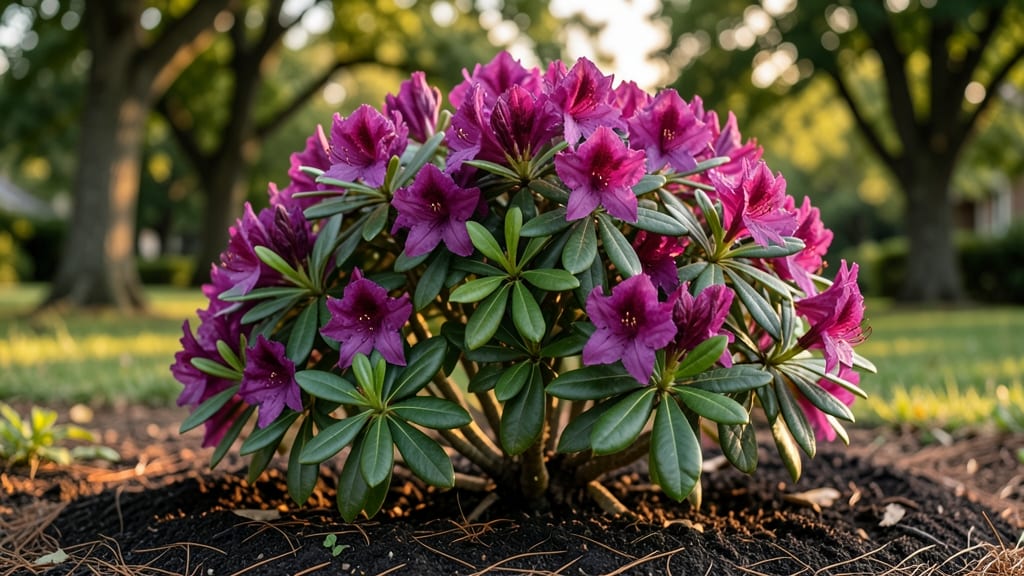
Purple rhododendron flowers aren’t just stunning—they’re edible, too. 🌸 Their velvety blooms add a dramatic pop of color to salads, garnishes, or even cocktails, but their real magic lies in how they transform any garden into a lush, romantic retreat.
I’ve used them to create a cottage-style border that blooms from late spring to early summer, drawing hummingbirds and bees like a magnet.
The key to showcasing their beauty is pairing them with complementary plants like azaleas, ferns, and hostas, which love the same shade and moisture levels. In a woodland garden, they thrive as understory shrubs, while modern designs often feature them as bold hedges or focal points.
Their deep purple hue works surprisingly well with silver foliage, too—think lamb’s ear or dusty miller for contrast.
Imagine a garden where every bloom feels intentional, where the air hums with fragrance, and where every season brings something new. Purple rhododendrons deliver that—whether you’re creating a serene woodland retreat or a vibrant, modern landscape.
They’re low-maintenance once established, and their long bloom season means you’ll enjoy them for weeks.
For best results, plant them in well-draining soil with partial shade, and prune lightly after flowering to encourage fuller growth. Their cultural significance as symbols of dignity and care makes them a meaningful addition, too. Ready to make your garden unforgettable?
📚 In This Guide
- What you need
- Instructions
- Tips and common mistakes
- Wrapping up and next steps
What you need
- ● Purple rhododendron flowers: 1–2 blooms per serving (or ~10–15 petals for garnish). Choose fully open, vibrant petals from mature, pesticide-free plants.
- ● Fresh water: 1 cup for rinsing (use filtered or distilled if possible).
- ● Organic white vinegar or lemon juice: 1 tbsp (for blanching to remove bitterness).
- ● Fine-mesh strainer or colander: 1 (for draining).
- ● Paper towels or salad spinner: 2–3 sheets (for drying).
- ● Sharp kitchen scissors or small knife: 1 (for trimming stems).
- ● Food-grade gloves: 1 pair (to avoid skin irritation from sap).
- ● Ice bath bowl: 1 (for quick chilling post-blanching).
- ● Citrus zest (lemon/lime): ½ tsp (to balance flavors).
- ● Honey or agave syrup: 1 tsp (for sweetening desserts).
- ○ Edible flower press (optional):strong> 1 (for delicate arrangements).
How to grow and harvest edible purple rhododendron flowers
Here’s my foolproof method for cultivating these stunning, flavorful blooms—from planting to plate.
🌱 Step 1: Choose the Right Location and Soil
Purple rhododendrons thrive in partial shade—think 4-6 hours of morning sun with afternoon shade. A spot near a north-facing wall or under tall trees works perfectly. These plants hate soggy roots, so amend the soil with 2-3 inches of organic mulch (like pine bark or compost) to improve drainage and retain moisture.
Test your soil’s acidity—rhododendrons demand pH 4.5-6.0. If your soil is too alkaline, mix in sulfur or peat moss to lower the pH before planting. I’ve seen these flowers wilt when pH creeps above 6.5, so don’t skip this step.
☀️ Step 2: Plant at the Correct Depth and Spacing
Dig a hole twice as wide as the root ball but only as deep—planting too deep suffocates the roots. Gently loosen the roots if they’re circling in the pot, then place the plant so the top of the root ball sits level with the ground. This prevents water from pooling around the stem, which causes rot.
Space plants 5-6 feet apart—they’ll grow into shrubs with wide canopies. If you’re planting near a patio or walkway, give them extra room to avoid trimming later. Water deeply right after planting to settle the soil and eliminate air pockets.
💧 Step 3: Water and Fertilize for Healthy Growth
Keep the soil evenly moist but never waterlogged—rhododendrons despise soggy conditions. Water deeply once a week (or more in hot, dry spells) until the top 2 inches of soil feel damp. Mulch helps retain moisture, but check the soil with your finger—don’t rely on a schedule.
Feed with an acid-loving plant fertilizer (like rhododendron-specific formula) in early spring and mid-summer. Avoid high-nitrogen fertilizers—they promote leafy growth at the expense of flowers. A light application of fish emulsion in spring gives them a gentle boost without shocking the roots.
✂️ Step 4: Prune and Harvest Flowers for Edible Use
Prune in late winter or early spring before new growth appears. Remove dead or crossing branches to improve airflow, which reduces disease risk. Never cut into old wood—rhododendrons flower on new growth, so pruning too late can mean no blooms that season.
Harvest flowers in the morning after dew has dried for the freshest petals. Snip stems with clean scissors and immediately plunge them into ice water to preserve color and crispness. Use only fully open blooms—buds won’t have developed their full flavor yet.
🌿 Step 5: Protect and Maintain for Year-Round Blooms
Watch for aphids or spider mites, which love rhododendron leaves. Spray with neem oil at the first sign of pests—these plants are sensitive to harsh chemicals. Aphids cluster on new growth, so check the undersides of leaves regularly.
In winter, add an extra 2 inches of mulch to insulate roots from freezing temperatures. If you live in a Zone 5 or colder, wrap young plants with burlap for extra protection. With proper care, your rhododendron will reward you with months of edible blooms—perfect for salads, garnishes, or infused syrups.
Tips & tricks for perfect purple rhododendron flowers
Between us, these delicate blooms need more than just good intentions to thrive—and I’ve learned that the devil’s in the details. Here’s what nobody tells you about growing edible rhododendrons that actually produce stunning, flavorful petals.
Soil pH is non-negotiable: That pH 4.5-6.0 range isn’t just a suggestion—it’s the difference between thriving plants and sad, wilted shrubs. I’ve seen rhododendrons droop dramatically when soil pH creeps above 6.5, even with perfect sunlight. Test your soil before planting, and if it’s too alkaline, mix in sulfur or peat moss to adjust it. Think of it as giving your plants the right "soil personality" they need to flourish.
Morning sun matters: Those 4-6 hours of morning sun are critical for photosynthesis without scorching the delicate blooms. I always plant mine near a north-facing wall where they get gentle morning light but escape the harsh afternoon rays. This balance prevents leaf burn while still fueling those vibrant purple flowers we’re growing for culinary use.
Pruning timing is everything: Never prune after early spring—this is when new growth forms, and cutting into old wood means no flowers that season. I mark my calendar for late winter pruning because I’ve learned this the hard way after coming home to a bush with no blooms. Remove only dead or crossing branches to maintain airflow and shape.
Harvesting hack: The morning after dew has dried is your golden window for harvesting. I always use clean, sharp scissors and immediately plunge the stems into ice water—this preserves their color and crispness for hours. Never harvest buds; they need to fully open to develop that delicate floral flavor perfect for salads and garnishes.
Pro Tips for Purple Rhododendron Flower
- Between us, these delicate blooms need more than just good intentions to thrive—and I’ve learned that the devil’s in the details.
- Soil pH is non-negotiable: That pH 4.5-6.0 range isn’t just a suggestion—it’s the difference between thriving plants and sad, wilted shrubs.
- Morning sun matters: Those 4-6 hours of morning sun are critical for photosynthesis without scorching the delicate blooms.
Frequently asked questions
about purple rhododendron flowers—because every gardener and foodie deserves clarity! Here are the answers to common questions before you dive into using these stunning petals.Can I eat purple rhododendron petals raw?
Yes! Purple rhododendron petals (Rhododendron simsii) are edible when fully mature and pesticide-free. Always harvest from organic sources or your own garden. Start with small amounts—some people report mild bitterness, so balance them with sweet or tangy ingredients like honey, citrus, or berries.
When is the best time to pick purple rhododendron flowers?
The ideal time is after the first frost or when buds are fully open but haven’t started wilting. Early morning is best—petals are crispest and most vibrant. Avoid rain-soaked flowers, as they can become slimy or attract pests. Pro tip: Use clean, sharp scissors to snip stems just above a leaf node for healthier regrowth!
How do I prepare purple rhododendron petals for salads?
Rinse petals gently in cold water to remove dirt or insects, then pat dry with a paper towel. For extra flavor, lightly bruise them with your fingers or a fork to release their aroma. Use sparingly—2-3 petals per serving is plenty! Store in an airtight container in the fridge for up to 3 days, or freeze for longer use.
Are all purple rhododendrons safe to eat?
No! Only Rhododendron simsii (or closely related edible varieties) are safe. Avoid Rhododendron maximum or azaleas—they’re toxic. When in doubt, consult a local florist or botanist. Warning: Never consume leaves or stems, as they can be harmful.
What’s a good alternative if I can’t find purple rhododendrons?
Try these edible purple flowers: violas, pansies, or borage flowers. For a rhododendron-like look, orchid petals (like Phalaenopsis) or lilac blooms (lightly cooked) work too. Just ensure they’re organic and pesticide-free!
Still curious? Drop your questions below—we’re happy to help!
Wrapping up and next steps
From vibrant garnishes to nutritious salads, purple rhododendron petals add a pop of color and unique flavor to your culinary creations—when used safely and mindfully! 🌸 Whether you’re foraging for wild blooms or cultivating your own, always verify edibility, prepare them thoughtfully, and start with small amounts.
Now that you’re equipped with the know-how, why not experiment with a recipe or share your edible flower adventures with fellow plant enthusiasts? Grab your petals and get cooking! 🍽️