
Flowers
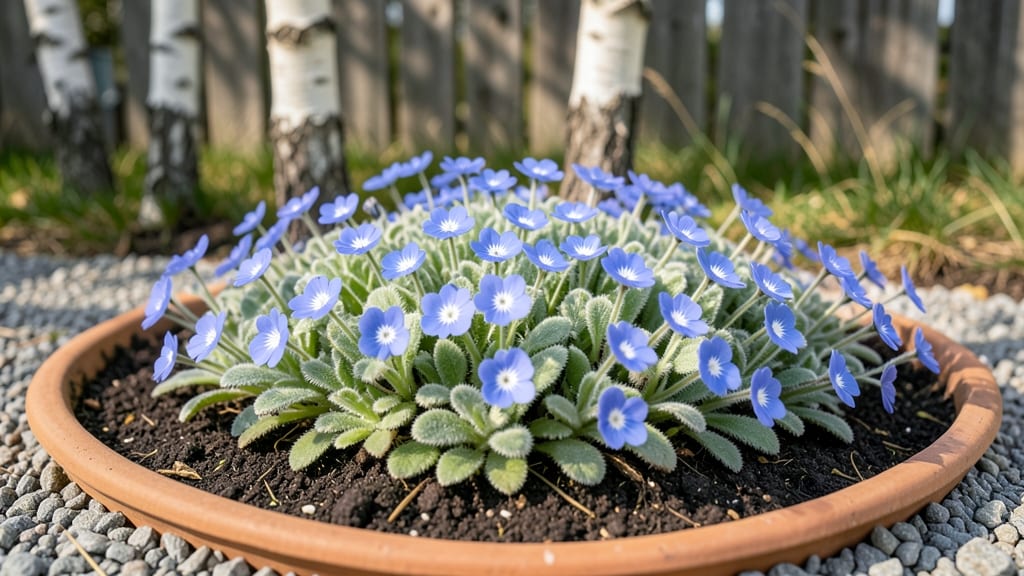
Baby blue eyes flowers transform any garden into a sky-inspired dream with their delicate, cobalt-blue petals and fuzzy white centers. 💙 I remember the first time I scattered them along my shady border—they turned a patch of ordinary soil into a sea of tiny, twinkling stars.
These annuals aren't just pretty; they're tough, thriving where many summer flowers wilt, and their cascading habit makes them perfect for borders, containers, or even cottage-style garden edges.
The secret to their success is simple: they love partial shade to dappled sunlight, making them ideal for under trees, near north-facing walls, or in containers that get morning sun and afternoon shade.
Pair them with silver foliage plants like lamb's ear or dusty miller to make their blue pop even more, or tuck them alongside white impatiens for a soft, ethereal contrast. They're also great for cutting—each stem holds its shape beautifully in a vase, adding a whimsical touch to summer bouquets.
Once established, baby blue eyes spread like a living carpet, filling gaps with their fragrant, star-shaped blooms that attract pollinators without competing with other plants. They're low-maintenance too: just keep the soil evenly moist (they hate soggy roots) and deadhead spent blooms to encourage more flowers.
In just a few weeks, your garden will feel like a secret sky garden, all thanks to these tiny, tenacious beauties.
They're also surprisingly versatile—plant them in window boxes for a fairy-tale look, edge a path with them for a soft, blue carpet, or mix them into a cottage-style border with sweet alyssum and violas.
Their delicate charm works in both formal and informal settings, making them a must-have for any garden that wants a touch of magic without the fuss.
📚 In This Guide
- What you need
- Instructions
- Tips and common mistakes
- Wrapping up and next steps
What you need
- ● Seeds: High-quality Nemophila menziesii seeds (1–2 packets, ~50–100 seeds each). Look for organic or heirloom varieties for best results!
- ● Potting soil: Well-draining, seed-starting mix (1–2 bags, 10–15 quarts each). Avoid heavy garden soil—these flowers hate soggy roots!
- ● Containers: Seed trays or small pots (6–12 cells per tray, 2–3 inches deep).
- ○ Optional: Biodegradable pots for transplanting (saves root disturbance!).
- ● Grow lights or sunny windowsill: A full-spectrum LED grow light (12–16 hours/day) or a south-facing window with bright, indirect light.
- ● Sprinkling can or spray bottle: For gentle watering (avoid over-saturating seeds!).
- ● Plastic wrap or humidity dome: To retain moisture while seeds germinate.
- ● Garden gloves & tweezers: For delicate seed handling (these tiny seeds are easy to misplace!).
- ● Outdoor garden bed or larger pots: Once seedlings sprout (6–8 weeks later), they’ll need space! Choose a spot with partial shade (they burn in direct afternoon sun).
- ○ Mulch (optional): Light straw or shredded leaves to retain soil moisture.
- ○ Fertilizer (optional): Balanced, water-soluble fertilizer (5-10-5 ratio) for established plants. Pro tip: Too much nitrogen = fewer flowers!
- ● Best planting time: Start seeds indoors 8–10 weeks before your last frost date (typically February–March in most U.S. zones).
- ● Hardiness zones: Thrives in zones 3–10. These flowers are cool-season lovers—they’ll bolt in scorching heat!
- ● Watering needs: Keep soil consistently moist but not soggy. Drought-tolerant once established, but seedlings need humidity!
Step-by-step guide to growing baby blue eyes flowers
Here’s how to coax those striking sky-blue blooms to thrive in your garden.
🌱 Step 1: Select the Perfect Planting Spot
Baby blue eyes (Nemophila menziesii) loves bright, indirect light but can’t handle scorching afternoon sun. Choose a location with morning sun and afternoon shade—think dappled sunlight under trees or a partially shaded border. The soil should drain well, so avoid low spots where water pools.
Test your spot by observing how plants react over a week. If leaves wilt by midday, move your site 2-3 feet farther from direct sun. These delicate blooms also appreciate cool roots, so mulch lightly with 1-2 inches of organic matter (like shredded bark) to regulate soil temperature.
💧 Step 2: Prepare Soil and Plant with Care
Baby blue eyes thrives in well-draining, slightly acidic soil (pH 6.0–7.0). Amend heavy clay or sandy soil with 2-3 inches of compost mixed into the top 6 inches of soil. These plants are sensitive to root disturbance, so handle seedlings gently when transplanting—never tug by the stems.
Space plants 6-8 inches apart in rows 12-18 inches apart to allow air circulation. Dig holes just deep enough to bury the roots without folding the stem. Water deeply after planting to settle the soil, but avoid oversaturating—soggy soil causes root rot.
☀️ Step 3: Water and Fertilize Strategically
Keep soil evenly moist but never soggy—water when the top 1 inch feels dry. These annuals are drought-tolerant once established, but young plants need consistent moisture. Water at the base in the morning to prevent fungal issues from evening dampness.
Skip heavy fertilizer—too much nitrogen produces lush foliage but fewer blooms. Instead, mix ½ teaspoon of balanced 10-10-10 fertilizer into the planting hole, or use a low-dose liquid feed every 4-6 weeks during the growing season. Overfeeding leads to weak stems that flop under their own weight.
✂️ Step 4: Prune and Deadhead for Continuous Blooms
Pinch back leggy stems when plants are 4-6 inches tall to encourage bushier growth. Use clean, sharp scissors to snip just above a set of leaves, never tearing the stem. This redirects energy to side shoots, creating a fuller plant with more blooms.
Deadhead spent flowers regularly to prevent seed formation and encourage prolonged blooming. Watch for blue spikes fading to white—that’s your cue to trim them back. Avoid cutting into woody stems; focus on soft, green growth. A light pruning after the first flush of blooms often triggers a second wave.
🪴 Step 5: Extend the Season with Smart Care
Baby blue eyes is an annual, but you can stretch its display by sowing successive plantings every 2-3 weeks in early spring. For fall color, start seeds 8-10 weeks before your first frost. These flowers self-seed readily, so leave some spent blooms to scatter seeds naturally.
If heat stress causes leaves to yellow or flowers to wilt, provide afternoon shade with a sheer fabric shade cloth. Mulch with 1 inch of straw to insulate roots. With proper care, these sky-blue charmers will reward you with weeks of effortless color—long after other annuals have faded.
Tips & tricks for perfect baby blue eyes blooms
These insider secrets will help you coax the most vibrant, long-lasting baby blue eyes displays from your garden.
Lighting Strategy: I've found that morning sun is non-negotiable for baby blue eyes, but afternoon shade is just as critical. Position your plants where they receive direct morning sunlight but gentle shade after 11 AM. If you're unsure about your garden's light conditions, try moving plants temporarily to test their reaction—if leaves start wilting by midday, you've found your sweet spot. The ideal location often surprises people—it's not always the sunniest spot in the garden.
Soil Science: The pH 6.0-7.0 range is crucial for these delicate blooms, but don't stress if your soil isn't perfect. A simple soil test kit (available at garden centers) will tell you exactly what amendments you need. For quick results, mix in a handful of sulfur to lower pH or crushed eggshells to raise it slightly. Remember, baby blue eyes prefers slightly acidic soil—think of it as the perfect balance between too sweet and too sour for the roots.
Pruning Precision: When pinching back those leggy stems at 4-6 inches tall, aim for the spot just above a set of leaves where new growth will emerge. This redirecting of energy creates a bushier plant with more blooms. I've seen gardeners accidentally pinch too close to the base, which stunts growth. Use clean, sharp scissors and make clean cuts—this isn't just about aesthetics, it's about plant health. The key is to encourage branching while maintaining the plant's natural shape.
Season Extension: The 8-10 week window for fall planting might seem tight, but it's doable if you start early. I recommend marking your calendar now for your first frost date and working backward. For a continuous display, stagger plantings every 2-3 weeks—this creates a cascading effect of blooms throughout the season. Don't forget that baby blue eyes self-seeds readily, so you might get bonus plants next year from the seeds you leave behind.
Pro Tips for Baby Blue Eyes Flowers
- These insider secrets will help you coax the most vibrant, long-lasting baby blue eyes displays from your garden.
- Lighting Strategy: I've found that morning sun is non-negotiable for baby blue eyes, but afternoon shade is just as critical.
- Soil Science: The pH 6.0-7.0 range is crucial for these delicate blooms, but don't stress if your soil isn't perfect.
Frequently asked questions
Got questions about Baby Blue Eyes flowers? You’re not alone!
Whether you’re a first-time gardener or a seasoned plant lover, these sky-blue beauties can spark curiosity. Below, we tackle the most common questions—from care tips to troubleshooting—so you can keep your Nemophila menziesii thriving all summer long.
How do I keep Baby Blue Eyes from wilting in hot weather?
These delicate flowers love cool conditions, so wilting in heat is common. To help them survive:
- Water deeply in the morning to keep soil moist (but not soggy).
- Use mulch to retain moisture and protect roots.
- Plant in partial shade (they tolerate light shade better than full sun).
- Avoid overhead watering—it can cause fungal issues.
How long do Baby Blue Eyes flowers last in a vase?
Cut Nemophila stems typically last 5–7 days in a vase, but with the right care, you can extend their life:
- Trim stems at an angle every 2–3 days to improve water uptake.
- Change the water daily and add a flower food packet to prevent bacteria.
- Keep them in a cool spot away from direct sunlight or heat sources (like radiators).
Can I grow Baby Blue Eyes in containers or hanging baskets?
These trailing beauties thrive in containers and hanging baskets, making them perfect for patios or balconies. Just follow these tips:
- Use a well-draining potting mix (add perlite or sand for extra aeration).
- Choose shallow containers (they have shallow roots).
- Hang baskets where they get morning sun + afternoon shade.
- Water frequently—container soil dries out faster than garden beds.
Why aren’t my Baby Blue Eyes attracting pollinators?
These flowers are low-maintenance for pollinators, but a few tweaks can boost their appeal:
- Ensure they’re in full sun to partial shade—pollinators like bees and butterflies seek bright, accessible blooms.
- Avoid pesticides (even natural ones), as they can harm beneficial insects.
- Plant near companion flowers like sweet alyssum or larkspur to create a pollinator buffet.
- Water early in the day so flowers stay dry for visitors.
What’s a good alternative if Baby Blue Eyes don’t thrive in my climate?
If your area is too hot, humid, or dry for Nemophila, try these sky-blue or trailing alternatives:
Flower
Why It’s Similar
Care Level
Lobelia (Lobelia erinus)
Trailing, blue/purple blooms; loves shade and moisture.
Easy (great for containers!)
Brunnera (Brunnera macrophylla)
Heart-shaped leaves + blue forget-me-not-like flowers; shade-tolerant.
Moderate (perennial)
Cobaea scandens (Cup-and-Saucer Vine)
Vining plant with bell-shaped blue flowers; thrives in heat.
Moderate (fast-growing)
Wrapping up and next steps
Baby Blue Eyes flowers are a true gem for gardeners—vibrant, resilient, and effortlessly charming—that bring a splash of sky-blue magic to even the hottest summer days. Whether you're drawn to their delicate petals, drought-tolerant nature, or easy-care appeal, these flowers prove that beauty thrives with minimal fuss. 🌸
Ready to invite their cheerful presence into your garden? Start small:
- Pick a sunny spot and gather your supplies.
- Plant a few seeds or seedlings to test the waters.
- Watch (and share!) as your space transforms with these low-maintenance blue stars.