
Propagation
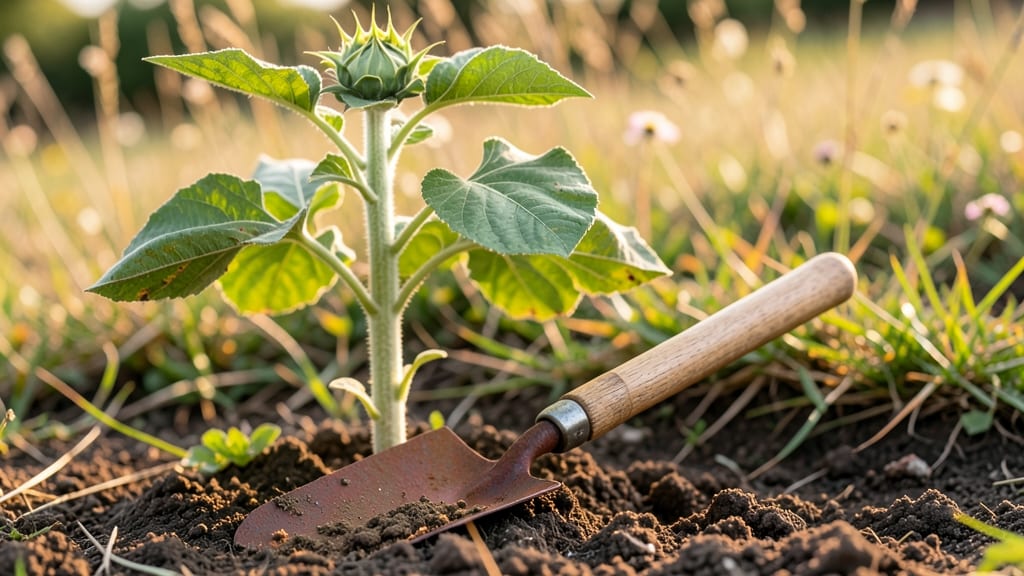
Growing sunflowers from seed delivers those iconic, sun-drenched blooms in just 60 days—no nursery plants needed. I’ve watched my own seedlings go from fuzzy green spikes to 10-foot giants in a single summer, and the secret isn’t complicated: it’s all about timing, soil, and a little patience.
The first step? Choosing the right variety for your space and climate, because not all sunflowers play by the same rules.
You’ll need direct sunlight for 6+ hours daily, loose, well-draining soil, and seeds planted 1 inch deep—no fancy equipment required. Most beginners overthink watering, but sunflowers are surprisingly forgiving: just keep the soil moist (not soggy) until they’re established.
Within 7-14 days, you’ll see those first leaves unfurl, and by mid-summer, you’ll be snapping photos of towering stems against your fence or deck.
The real magic happens when you troubleshoot early: drooping leaves? Check for overwatering or root-bound pots. Slow germination? Try soaking seeds overnight before planting. And if you’re growing tall varieties, stake them early—trust me, you don’t want to wrestle a 6-foot stem in a windstorm.
By harvest time, you’ll have bold, sun-catching blooms that outshine anything you could buy.
This method works for containers, raised beds, or open ground, and even small spaces can fit dwarf varieties like ‘Teddy Bear’ or ‘Moulin Rouge.’ Once you’ve mastered the basics, you can experiment with colors, heights, and even edible seeds. Let’s get those seeds in the ground!
📚 In This Guide
- What you need
- Instructions
- Tips and common mistakes
- Wrapping up and next steps
What you need
- ● Sunflower seeds: Choose Helianthus annuus varieties (e.g., 'Mammoth', 'Autumn Beauty', or 'Teddy Bear'). Buy 10–50 seeds depending on your space (more seeds = more blooms!). Opt for non-GMO, heirloom seeds for best results.
- ● Containers or garden bed: For indoor starts: 3–4" deep pots or seed trays (5–10 containers, depending on seed quantity). Use biodegradable pots if transplanting later.
- ● For direct sowing: A sunny garden bed with loose, well-draining soil (6" deep minimum). Alternatively, use large containers (5+ gallons) if growing in pots.
- ● Potting mix or garden soil: Use seed-starting mix for indoor starts or loamy, compost-amended soil for outdoor planting. Avoid heavy clay soil.
- ● Watering can or hose with a gentle spray nozzle: Sunflower seeds need consistent moisture but hate soggy soil.
- ○ Fertilizer (optional but helpful): A balanced, water-soluble fertilizer (10-10-10) or compost to enrich soil at planting.
- ● A low-nitrogen, high-phosphorus fertilizer (5-10-10) when flowers start to form (encourages blooming!).
- ○ Garden gloves (optional): Protect your hands from thorny stems (especially in mature plants).
- ● Grow lights or sunny windowsill: If starting indoors, sunflowers need 12–16 hours of light/day. A full-spectrum LED grow light works best.
- ● Plant labels: Sunflowers grow fast—label seeds with variety names and planting dates to track growth!
- ● Mulch (straw or shredded leaves): Helps retain moisture and suppress weeds around young plants.
- ● Stakes or cages: Tall varieties (6+ feet) may need bamboo stakes or tomato cages for support.
- ● Bird netting: Protects seeds from hungry birds if sowing outdoors early.
Step-by-step guide to growing sunflowers from seed
Sunflowers thrive with the right timing and care—here’s how to coax those bold blooms from tiny seeds.
Choose the Right Variety and Planting Time
Sunflowers grow best when started 4-6 weeks before your last frost date—this gives them enough time to mature before cold weather arrives. For tall varieties (like Mammoth or Russian Giant), plant seeds directly in the ground after soil warms to at least 55°F. Smaller varieties (like Teddy Bear or Sunspot) can handle cooler soil and may even tolerate light frosts.
Here’s the thing—sunflowers despise transplanting. The moment you disturb their roots, they’ll struggle to recover. I always plant seeds ½ inch deep in well-drained soil, spacing them 6 inches apart for smaller types or 12 inches apart for giants. If you’re in a short-season area, opt for early-maturing varieties (like Autumn Beauty) that bloom in 60-70 days instead of waiting for towering types.
Prepare the Soil and Plant Seeds Correctly
Sunflowers need fertile, slightly acidic soil (pH 6.0-7.0) with plenty of organic matter. Before planting, mix 2-3 inches of compost into the top 6 inches of soil—this ensures strong root development and vibrant blooms. Avoid fresh manure, which can burn tender seedlings.
Drop 2-3 seeds per hole (they germinate quickly, and not all will sprout). Press them ½ inch deep—any deeper, and they’ll take forever to break through. I tap the soil gently around the seeds to eliminate air pockets, then water lightly but thoroughly to settle the soil. Keep the area moist (not soggy) until germination, which happens in 7-14 days depending on soil warmth.
Provide Sun and Support for Healthy Growth
Sunflowers are sun-worshippers—they need full sun (6-8 hours daily) to grow tall and sturdy. If your garden gets partial shade, choose dwarf varieties or plant them where they’ll receive the most light. Thin seedlings to 1 plant per spot once they’re 4-6 inches tall, leaving the strongest stem in each hole. Weak, crowded plants will flop over or produce smaller blooms.
Tall varieties (over 5 feet) need staking or trellising to prevent toppling. I drive a 6-foot stake into the ground 3-4 inches from the stem at planting time, tying the main stem loosely with soft cloth or twine as it grows. If you wait until the plant is mature, the stem may snap under the weight of the bloom.
Water and Fertilize for Maximum Blooms
Sunflowers have deep taproots, so they’re surprisingly drought-tolerant once established. Water deeply once a week (about 1 inch of water) rather than frequent shallow waterings. Overwatering leads to weak stems and fungal issues. Stop watering 2-3 weeks before harvest if growing for seeds—this concentrates their flavor and oil content.
Feed plants once when they’re 1 foot tall with a balanced fertilizer (10-10-10) or a low-nitrogen, high-phosphorus blend (like 5-10-5) to encourage blooming. Too much nitrogen makes them grow leafy stems instead of flowers. I also side-dress with compost tea mid-season for a natural boost without risking over-fertilization.
Harvest and Enjoy Your Sunflowers
Cut flowers when the back of the petals turns yellow—this is the peak of their beauty and vase life. Hold a bucket of cool water ready when you harvest; sunflowers wilt fast once cut. Strip lower leaves to reduce bacterial growth in the water. For seed-saving, leave some heads on the plant until they turn brown and papery, then dry them indoors for 1-2 weeks before threshing.
Real talk: Sunflowers are annuals, but their seeds are perennial—store them in a cool, dry place for up to 3 years and replant next season. If birds or squirrels raid your heads, try netting or harvesting early. With the right care, you’ll go from seed to 6-foot stems in just 60 days—that’s the magic of sunflowers.
Tips & tricks for perfect sunflower cultivation
Here's what nobody tells you about growing sunflowers from seed—these tricks will help you avoid common pitfalls and maximize your blooms.
Timing Secret: The 4-6 week window before your last frost isn't just about time—it's about soil temperature. Use a soil thermometer to confirm your soil has reached at least 55°F before planting tall varieties. I've seen seeds planted too early rot in cold soil, while waiting until the right temperature guarantees strong germination within those critical 7-14 days. For cooler climates, consider using a seedling heat mat to jumpstart germination if you're planting at the edge of your frost-free date.
Soil Preparation Strategy: Don't just mix compost into the top 6 inches of soil—create a dedicated planting bed. Sunflowers develop deep taproots, so amending a 12-inch deep area with compost creates a nutrient-rich zone where roots can properly establish. I also recommend adding a handful of wood ash to raise soil pH slightly if your test shows values below 6.0—sunflowers thrive in that slightly acidic range. The key is creating a loose, well-aerated environment that encourages root penetration.
Planting Technique: That ½-inch planting depth is non-negotiable, but here's the part most people miss: the spacing. For giant varieties, I actually space seeds 18 inches apart initially, then thin to 12 inches when they're 4-6 inches tall. This gives the strongest plants room to develop without competition. When planting multiple seeds per hole, mark the location with small flags so you can easily identify and remove weaker seedlings later. This prevents root disturbance during thinning.
Support System: For varieties over 5 feet tall, I install stakes at planting time—not when the plant is mature. Use bamboo stakes or metal rebar for durability, and position them 3-4 inches from the stem to avoid damaging the plant as it grows. The secret is to tie the stem loosely with soft cloth or old T-shirt strips rather than wire. Wire can cut into the stem as it thickens, while soft materials allow the plant to grow naturally while still providing support. I also recommend adding a second stake halfway up the stem for extra stability.
Pro Tips for How Do I Grow Sunflowers From Seed
- Here's what nobody tells you about growing sunflowers from seed—these tricks will help you avoid common pitfalls and maximize your blooms.
- Timing Secret: The 4-6 week window before your last frost isn't just about time—it's about soil temperature.
- Soil Preparation Strategy: Don't just mix compost into the top 6 inches of soil—create a dedicated planting bed.
Frequently asked questions
Got questions about growing sunflowers from seed? You’re not alone—these cheerful giants can be tricky for beginners! Here are answers to the most common queries to help you grow a thriving sunflower patch.
How long does it take for sunflower seeds to germinate?
Sunflower seeds typically sprout within 7–14 days after planting, depending on temperature and moisture. Keep the soil consistently moist (not soggy) and warm (at least 70°F/21°C) to speed up germination. If you don’t see sprouts in 2 weeks, gently check the seed—it might need a little more warmth or water!
Can I plant sunflower seeds too late in the season?
Sunflowers thrive in warm weather and need 80–120 frost-free days to mature. If you’re in a short-season climate, opt for dwarf varieties (like ‘Teddy Bear’), which mature faster (60–70 days). Plant no later than 6–8 weeks before your first fall frost—or risk stunted growth or no flowers at all.
What are the most common sunflower pests, and how do I prevent them?
Sunflowers attract pests like aphids, slugs, and sunflower moths. To protect your plants:
- Handpick slugs at night (they’re sluggish then!).
- Spray aphids off with soapy water or introduce ladybugs.
- Use row covers early in the season to deter moths.
- Rotate planting locations yearly to disrupt pest cycles.
Do sunflowers need full sun? What if I only have partial shade?
Sunflowers love full sun (6+ hours daily), but they’ll tolerate 4–6 hours in partial shade—though expect smaller blooms and stems. If your garden is shady, choose dwarf varieties (like ‘Moulin Rouge’) or grow them in containers near a sunny windowsill or patio. Just ensure they get bright, indirect light for best results.
Why aren’t my sunflower seeds sprouting?
If your seeds refuse to sprout, check these common culprits:
- Cold soil: Sunflower seeds need warmth (70°F/21°C) to germinate. Try soaking seeds overnight or using a heat mat.
- Old or low-quality seeds: Store seeds in a cool, dry place and use them within 1–2 years for best results.
- Overwatering: Seeds need moisture, not soggy soil. Water gently to keep soil damp but not waterlogged.
- Depth issues: Plant seeds 1 inch deep—too shallow, and they’ll dry out; too deep, and they may rot.
Can I grow sunflowers in containers? What size pot do I need?
Sunflowers adapt well to containers, especially dwarf or medium varieties. Use pots at least 12–18 inches deep and 12–18 inches wide (bigger for giant varieties). Ensure pots have drainage holes and fill them with well-draining potting mix. Place containers in a sunny spot and fertilize lightly every 2–3 weeks.
Wrapping up and next steps
Growing sunflowers from seed is a rewarding journey that brings bright, cheerful blooms to your garden in just 60 days! With the right soil, sunlight, and a little patience, you’ll enjoy towering stems and vibrant flowers that attract pollinators.
Whether you’re a beginner or a seasoned gardener, these sun-soaked beauties are a joy to cultivate.
Ready to dive in? Plant your seeds today—your future sunflower meadow starts with a single step! 🌻✨