
Flowers
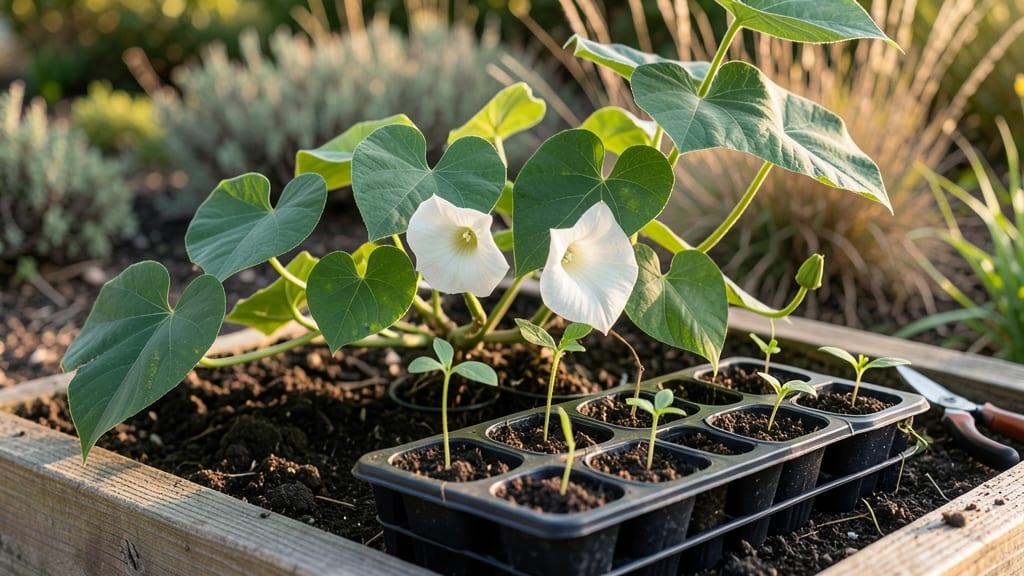
Growing moon flower seedlings from seed is like watching a race where the first to touch the light wins—and these fast growers always cross the finish line in style. 🌱 The secret to their dramatic, moonlit blooms starts with the right soil, planting depth, and a sunny spot that keeps them reaching upward.
I’ve learned the hard way that rushing the process leads to leggy seedlings, but with the right care, you’ll have fragrant white trumpets opening by midsummer.
Moon flowers thrive in well-draining soil mixed with a little compost, planted just a quarter-inch deep in individual pots or trays. Keep them consistently moist but never soggy—overwatering is the fastest way to invite damping-off, that nasty fungal infection that turns healthy seedlings into sad, mushy stems.
A sunny windowsill or grow light works for early growth, but they’ll need full sun once they’re outdoors. The key is patience: germination can take 7–14 days, but once those first leaves appear, growth is a blur of green.
By day 60, you’ll be rewarded with climbing vines and those iconic, intoxicating blooms that open at night. The plants grow aggressively, so give them a trellis or fence to climb—without support, they’ll sprawl everywhere.
Prune regularly to encourage bushier growth and more flowers, and watch as your garden transforms into a fragrant nighttime paradise. The best part? Moon flowers are low-maintenance once established, making them perfect for gardeners who want drama without the fuss.
If you’re in a cooler climate, start seeds indoors 4–6 weeks before your last frost date. For warmer regions, direct-sow after the soil warms up—just be ready for fast germination. The biggest mistakes? Planting too deep or crowding seedlings, which leads to weak stems.
With the right setup, though, you’ll have a garden that smells like summer evenings and looks like a fairy tale. Ready to grow yours?
📚 In This Guide
- What you need
- Instructions
- Tips and common mistakes
- Wrapping up and next steps
What you need
- ● Moonflower seeds: 5–10 seeds (packets often contain 20–50, so a few will suffice). Choose heirloom or organic seeds for best results.
- ● Seed-starting trays or small pots: 2–4 (3–4" diameter) with drainage holes. Biodegradable pots work great for transplanting later!
- ● High-quality seed-starting mix: 1–2 bags (sterile, well-draining mix like Pro-Mix or FoxFarm). Avoid garden soil—it’s too dense for seedlings.
- ● Grow lights or a sunny windowsill: A full-spectrum LED grow light (12–16 hours/day) or a south-facing window (6+ hours of direct sunlight). Moonflowers are light-lovers!
- ● Misting bottle or spray nozzle: For gentle watering (avoid soaking the soil).
- ○ Plastic wrap or humidity dome: To retain moisture while seeds germinate (optional but helpful in dry climates).
- ○ Fertilizer (optional but recommended): A balanced liquid fertilizer (5-5-5 or 10-10-10) diluted to half-strength for seedlings.
- ● Small hand trowel or spoon: For planting seeds without crushing them.
- ● Tweezers or popsicle sticks: To handle delicate seedlings during transplanting.
- ○ Heat mat (optional): Speeds up germination (70–80°F is ideal).
- ● Labeled plant markers: To track varieties if growing multiple types.
- ● Pruning shears: For trimming leggy seedlings later (if they outgrow their space).
Step-by-step guide to growing moon flower seedlings
Here's how to nurture strong, vibrant moon flower seedlings ready to climb and bloom.
🌱 Step 1: Start Seeds Indoors at the Right Time
Moon flowers thrive when started 4-6 weeks before your last frost date. Use biodegradable seedling pots (3-4 inches deep) filled with sterile seed-starting mix—never garden soil, which can harbor diseases. Plant seeds ¼ inch deep, two per pot, since they germinate slowly.
Keep the soil consistently moist but not soggy—moon flower seeds need warmth (70-75°F) to sprout. Place pots in a humidity dome or cover with plastic wrap until germination, which typically takes 10-14 days. If your home stays cooler, a seedling heat mat speeds things up dramatically.
☀️ Step 2: Provide Bright, Direct Light Immediately
The moment seedlings break through the soil, move them to a south-facing window or under grow lights for 14-16 hours daily. Moon flowers need full sun to grow sturdy stems—without it, they’ll stretch leggy and weak. Position lights 2-4 inches above seedlings and raise them as plants grow.
You’ll know light is sufficient when seedlings have deep green leaves and compact spacing between growth nodes. If stems look thin and pale, they’re reaching for more light. Rotate pots quarter-turn weekly to prevent leaning toward the light source.
🪴 Step 3: Harden Off and Transplant Outdoors
Two weeks before your last frost, begin hardening off seedlings by placing them outside in partial shade for 1-2 hours the first day. Gradually increase exposure over 10-14 days, ending with a full day in morning sun. This toughens stems so they survive transplant shock.
Transplant after all frost risk has passed, spacing seedlings 12-18 inches apart in well-draining soil. Bury stems deeper than the pot—moon flowers root along their length, creating stronger plants. Water deeply at the base to settle soil around roots and encourage upward growth.
🌿 Step 4: Support and Train Vines for Maximum Blooms
Install trellises or sturdy stakes at least 6-8 feet tall before vines reach them. Moon flowers climb aggressively—tie stems gently with soft twine or plant ties every 12 inches as they grow. Avoid tight binding, which restricts circulation.
Prune leggy side shoots to encourage stronger main stems and more blooms. Pinch back tips when vines reach 3-4 feet to promote bushier growth. Deadhead spent flowers regularly to redirect energy into new blooms—you’ll see a second flush of flowers if you keep up with this.
Tips & tricks for perfect moon flower seedlings
Here's what nobody tells you about growing moon flowers from seed—these tricks make all the difference between scraggly stems and show-stopping vines.
Timing is Everything: The 4-6 week window before your last frost isn't just a suggestion—it's critical. If you start too early, seedlings get leggy indoors waiting for warmth. If you start too late, they won't mature enough to bloom by summer. Check your local frost dates and mark your calendar now!
Light Matters More Than You Think: Those 14-16 hours of daily light aren't optional—they're what prevents that classic "seedling stretch." If your seedlings look like they're reaching for the sky (thin stems, pale leaves), they're starving for light. Move them closer to the grow lights or window immediately. I've lost count of how many batches I've had to restart because I ignored this!
Heat Hack for Slow Starters: If germination takes longer than 14 days, your seeds need warmth. A simple seedling heat mat (around $15) can cut germination time in half. Place it under your pots during the day—just remove it once sprouts appear. The 70-75°F range is non-negotiable for moon flowers, so don't skimp on heat if your home runs cooler.
Transplanting Secret: When you bury stems deeper than the pot, you're not just planting deeper—you're encouraging stronger root systems. Moon flowers naturally root along their stems, so the more you bury, the more roots you'll get. This simple trick makes all the difference when vines start climbing your trellis.
Pro Tips for Moon Flower Seedlings
- Here's what nobody tells you about growing moon flowers from seed—these tricks make all the difference between scraggly stems and show-stopping vines.
- Timing is Everything: The 4-6 week window before your last frost isn't just a suggestion—it's critical.
- Light Matters More Than You Think: Those 14-16 hours of daily light aren't optional—they're what prevents that classic "seedling stretch."
Frequently asked questions
Got questions about growing moon flower seedlings? You’re not alone—these delicate beauties can be tricky for beginners! Here’s what you need to know to set your seedlings up for success.
How long does it take for moon flower seedlings to sprout?
Moon flower (Ipomoea alba) seeds typically sprout in 7–14 days when kept in warm (70–80°F), moist soil. For faster germination, soak seeds in warm water for 4–6 hours before planting. If you don’t see sprouts within 2 weeks, try gently pressing the seed into the soil or adjusting humidity.
Can I grow moon flower seedlings indoors before transplanting?
Start seeds indoors 4–6 weeks before your last frost date using a sunny windowsill or grow lights (12+ hours/day). Use small pots with well-draining soil and keep them warm (around 75°F). Harden off seedlings for 1–2 weeks before moving them outside to prevent shock.
What’s the best light for moon flower seedlings?
Moon flowers love light—provide full sun (6+ hours/day) once seedlings emerge. If growing indoors, supplement with a grow light to prevent leggy, weak stems. Outdoors, choose a spot with afternoon shade in hot climates to avoid wilting.
Why are my moon flower seedlings turning yellow or wilting?
Yellowing leaves often signal overwatering or poor drainage. Let soil dry slightly between waterings and ensure pots have drainage holes. Wilting can also mean underwatering or heat stress—move seedlings to a cooler, shadier spot temporarily. Check for pests like aphids or spider mites too!
Are there fast-growing alternatives to moon flowers?
If you want quick blooms, try morning glories (30–45 days) or black-eyed Susans (60–75 days). For vining plants, Sweet Pea varieties bloom in 60–90 days and are equally fragrant. Moon flowers are worth the wait for their creamy white, intoxicating night-blooms!
Wrapping up and next steps
Growing moon flower seedlings is a rewarding journey—one that brings vibrant blooms in just 60 days with the right care! 🌙✨ Whether you’re a beginner or a seasoned gardener, these delicate stems thrive with sunlight, patience, and a little love.
Remember, the key is consistency: from planting to pruning, every step sets the stage for stunning, fragrant flowers that’ll brighten your garden.
Now that you’re armed with tips and tricks, it’s time to roll up your sleeves and plant those seeds! Start small—even a single pot can yield beautiful results. Happy gardening, and may your moon flowers shine as brightly as their namesake! 🌱💚