
Flowers
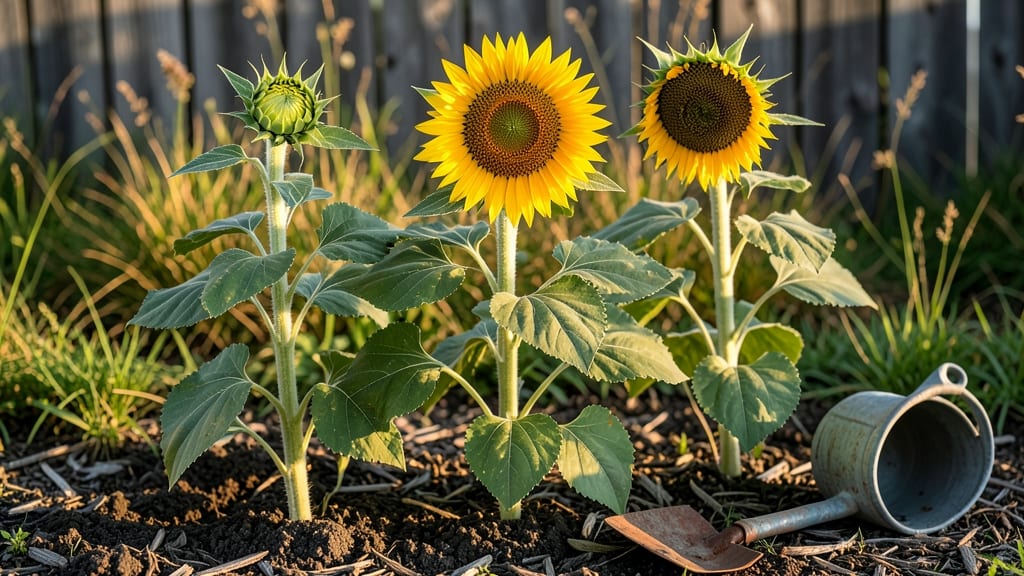
Growing multi-flower sunflowers means turning your garden into a sun-drenched spectacle that never fails to turn heads. 🌻 I’ve watched these towering beauties transform bare patches into vibrant canopies in just 60 days, and the secret isn’t complicated—it’s about timing, soil, and a little patience.
The first time I planted them, I expected one big bloom per stalk. Instead, I got a densely packed cluster of golden faces that lasted from July through frost.
You’ll need well-draining soil, full sun, and seeds spaced 12-18 inches apart—no fancy tools required. The key is keeping them consistently moist (not soggy) during the first 30 days, when roots establish.
Once they hit 3 feet tall, they’re practically self-sufficient, though a light feeding with 10-10-10 fertilizer at planting boosts those signature multiple blooms. I’ve grown them in everything from raised beds to urban pots, and they thrive as long as they get 6+ hours of sun daily.
By mid-summer, you’ll have a living centerpiece that hums with bees and flutters with butterflies. The blooms stay fresh longer than single-stem varieties, and the bold, layered effect makes them perfect for cutting or leaving in the garden.
Even if you’ve killed plants before, sunflowers are forgiving—they bounce back from neglect better than most annuals. The hardest part? Deciding whether to harvest them or let the birds enjoy the seeds.
Works for beginner gardeners and seasoned growers alike, whether you’re filling a small container or a full sunlit border. The real magic happens in the second bloom cycle—if you deadhead spent flowers, many varieties will produce a second wave of blooms before frost.
Let’s get those seeds in the ground and watch the drama unfold!
📚 In This Guide
- What you need
- Instructions
- Tips and common mistakes
- Wrapping up and next steps
What you need
- ● Multi-flower sunflower seeds: Choose heirloom or hybrid varieties like 'Moulin Rouge' or 'Autumn Beauty' (10–20 seeds per plant, depending on spacing).
- ● Well-draining potting mix: 5–10 gallons (or enough to fill containers if planting in pots). Opt for a blend with 50% garden soil, 30% compost, and 20% perlite for optimal aeration.
- ● Planting containers or garden bed: For containers: 5–7 gallon pots (1 plant per container) with drainage holes.
- ● For garden beds: Space seeds 12–18 inches apart in rows 2–3 feet apart.
- ● Fertilizer: Balanced 10-10-10 or organic options like composted manure (mix 1 tbsp per square foot of soil).
- ● Watering can or hose with gentle spray nozzle: Sunflowers need 1–2 inches of water per week (more during flowering).
- ○ Stakes or trellis (optional): Tall varieties (5+ feet) may need support. Use 6-foot bamboo stakes or a lightweight trellis.
- ● Pruning shears: For deadheading spent blooms and shaping plants.
- ● Sunlight: Full sun (6+ hours daily)—these divas thrive in warmth!
- ● Soil temperature: Wait until soil reaches 55°F (13°C) or warmer before planting (spring or early summer).
- ● Hardiness zone: Zones 2–11 (adjust planting time for cooler climates).
- ● pH level: Slightly acidic to neutral (6.0–7.0). Test soil or amend with lime/sulfur if needed.
- ● Soil prep: Mix in 1 cup of bone meal per plant at planting time for extra phosphorus (boosts root and flower growth).
- ● Container hack: Add ½ cup of slow-release fertilizer to the bottom of pots before adding soil.
- ○ Seed soaking (optional): Soak seeds in warm water for 4–6 hours to speed up germination.
How to grow stunning multi-flower sunflower canopies
Here's how to coax those bold, branching sunflower blooms into a dramatic garden centerpiece.
🌱 Step 1: Select the Right Variety and Prepare Soil
Choose a branching variety like 'Moulin Rouge' or 'Teddy Bear'—these produce multiple flower heads per stem. Test your soil's pH first; sunflowers thrive in 6.0-7.0 range. If your soil is heavy clay, amend it with 2-3 inches of compost mixed into the top 12 inches of soil. I like to work in a 5-10-10 fertilizer at this stage to give roots a nutrient boost from day one.
Sunflowers need full sun (6+ hours daily) and well-draining soil. If your garden has poor drainage, raise beds or plant in containers with 1-2 inches of perlite mixed into the planting hole. The key is loose, fertile soil that won't waterlog—sunflower roots need oxygen to branch properly.
☀️ Step 2: Plant Seeds at Proper Depth and Spacing
Sow seeds ½ inch deep, about 1 inch apart in rows 18-24 inches apart. This spacing gives stems room to branch without competing for sunlight. I plant mine in early spring, 2-3 weeks before your last frost date, when soil temperatures reach 55°F. Wait until soil is warm enough—cold soil delays germination and weakens early growth.
Thin seedlings to 12-18 inches apart once they reach 3-4 inches tall. Here's the trick: don't yank seedlings—snip at soil level with clean scissors. This prevents disturbing roots of remaining plants. You'll see strong, sturdy stems with multiple side shoots forming within 3-4 weeks if conditions are right.
💧 Step 3: Water Strategically for Branching Growth
Water deeply once a week (about 1 inch total) rather than frequent light watering. Shallow watering encourages tall, weak stems with few branches. I water at the base in the morning so foliage dries quickly—wet leaves attract fungal diseases that can kill plants before they bloom.
Once plants reach 3 feet tall, reduce watering slightly to stress them just enough to trigger more side shoots. You'll notice new buds forming in the leaf axils (where leaves meet stems). This is your signal that branching is working! Fertilize again with a low-nitrogen, high-phosphorus formula (like 0-10-10) when buds appear to support flower development.
✂️ Step 4: Prune for Maximum Branching and Blooms
When the main stem reaches 4-5 feet, pinch off the top 1-2 inches of growth. This shock tells the plant to redirect energy to lateral branches. You'll see 3-5 new side shoots emerge within 7-10 days. Remove any weak or leggy growth immediately—these compete with strong branches for nutrients.
Here's where it gets fun: watch for the first buds to form on these new branches. Once they're 1-2 inches long, stop pruning. These buds will develop into your secondary and tertiary flower heads. The goal is 5-7 blooms per plant—that's what creates that dramatic canopy effect.
🌿 Step 5: Maintain Through Bloom Time
Continue watering at the base 2-3 times per week during flowering, but don't overdo it—sunflowers are drought-tolerant once established. Deadhead spent blooms by cutting the stem 2 inches below the flower head. This encourages the plant to produce more blooms on the same stem, extending your display by 2-3 weeks.
Watch for birds—sunflower seeds are irresistible. I cover new blooms with lightweight netting until they're fully open. The trade-off is worth it: you'll end up with more blooms per plant and fewer disappointed stares from hungry sparrows. Once all blooms are spent, leave the seed heads for winter interest or harvest seeds for next year.
Tips & tricks for perfect multi-flower sunflower canopies
Here's what nobody tells you about growing sunflowers that actually branch like crazy—these are the secrets to that jaw-dropping canopy effect.
Variety Matters: While 'Moulin Rouge' and 'Teddy Bear' are excellent branching varieties, don't overlook 'Russian Giant' for its sheer size potential. The key is selecting seeds specifically bred for multiple flower heads—regular sunflower varieties produce only one bloom per stem. I've found that purchasing seeds from specialty nurseries (rather than big-box stores) gives you better branching genetics.
Soil Preparation Secret: The 6.0-7.0 pH range is critical, but don't stop there—sunflowers need deep, loose soil to develop strong root systems that support multiple blooms. After amending with 2-3 inches of compost, I like to add a handful of perlite to the planting hole even in well-draining soil. This creates air pockets that encourage root expansion, which directly translates to more branching potential. Think of it as giving your sunflowers' roots room to grow like a proper sunflower skyscraper.
Pruning Precision: When you pinch off that top 1-2 inches of growth at 4-5 feet tall, you're essentially telling the plant, "Hey, stop growing up and start growing out!" The 7-10 day window for new side shoots is when you'll see real magic happen. Here's the trick: use clean, sharp scissors and make the cut just above a leaf node. This ensures the plant knows exactly where to start growing new branches. I've seen plants go from one main stem to five strong branches in just three weeks with this technique.
Watering Wisdom: The transition from once-a-week deep watering to slightly reduced watering at 3 feet tall is where branching really kicks in. This slight stress mimics natural conditions and triggers the plant's survival mechanism—producing more side shoots to capture sunlight. Just be careful not to underwater; the leaves should still look slightly wilted but perk up quickly when you water. Think of it like giving your sunflower a spa day—just enough stress to make it beautiful.
Pro Tips for Multi Flower Sunflowers
- Here's what nobody tells you about growing sunflowers that actually branch like crazy—these are the secrets to that jaw-dropping canopy effect.
- Variety Matters: While 'Moulin Rouge' and 'Teddy Bear' are excellent branching varieties, don't overlook 'Russian Giant' for its sheer size potential.
- Soil Preparation Secret: The 6.0-7.0 pH range is critical, but don't stop there—sunflowers need deep, loose soil to develop strong root systems that support multiple blooms.
Frequently asked questions
Got questions about growing multi-flower sunflowers? You’re not alone!
Here are the most common queries—plus quick, no-fluff answers to help you cultivate a stunning sunflower display with ease.
How do I encourage my sunflower to grow multiple blooms instead of just one?
Prune the first flower head when it’s still a bud (about 6–8 inches tall). This redirects energy to side shoots, often producing 2–5 smaller blooms! Use clean pruners and remove the top 4–6 inches of the main stem. Pro tip: Thin competing stems early to avoid overcrowding.
When is the best time to plant multi-flower sunflowers for a summer display?
Start seeds indoors 2–3 weeks before your last frost date, or sow directly outdoors after soil reaches 55°F+. For a continuous bloom, stagger plantings every 2 weeks until early summer. Hot tip: Sunflowers thrive in full sun (6+ hours/day)—mark your calendar!
Can I grow multi-flower sunflowers in containers? What’s the ideal pot size?
Yes! Use containers at least 12–18 inches deep with drainage holes. Dwarf varieties (like ‘Moulin Rouge’) work best in 10-gallon pots. Add compost-rich potting mix and fertilize lightly every 3 weeks. Space tip: Place pots 18–24 inches apart for airflow.
Why are my sunflower leaves turning yellow or spotted?
Yellow leaves often signal overwatering or nutrient deficiencies (like nitrogen). Spotted leaves? Likely fungal disease (e.g., powdery mildew). Fix it: Water at the base, not overhead; space plants for airflow; and treat with neem oil if needed. Prevention tip: Rotate crops yearly to avoid soil-borne issues.
Are multi-flower sunflowers as tall as single-stem varieties? How do I support them?
No—they’re usually 3–6 feet tall (vs. 8–12 feet for giants). Use stakes (6+ feet) or tomato cages for support. Tie stems loosely with soft fabric (like old T-shirts) to avoid damage. Bonus: Let some go unsupported for a wild, natural look!
Still stumped?
Drop your question in the comments—we’re happy to help your sunflowers reach their full dramatic potential!
Wrapping up and next steps
Growing multi-flower sunflowers is a rewarding journey that brings vibrant color and joy to your garden in just 60 days! 🌻 With the right soil, spacing, and care, you’ll transform your outdoor space into a stunning, sun-kissed canopy.
Whether you’re a seasoned gardener or a beginner, these bold blooms are a fantastic addition—so roll up your sleeves and get planting!
Ready to take the next step? Start by sketching your garden layout or ordering seeds today. Before you know it, you’ll be surrounded by towering, cheerful sunflowers that turn heads—and attract pollinators—everywhere!