
Blooming
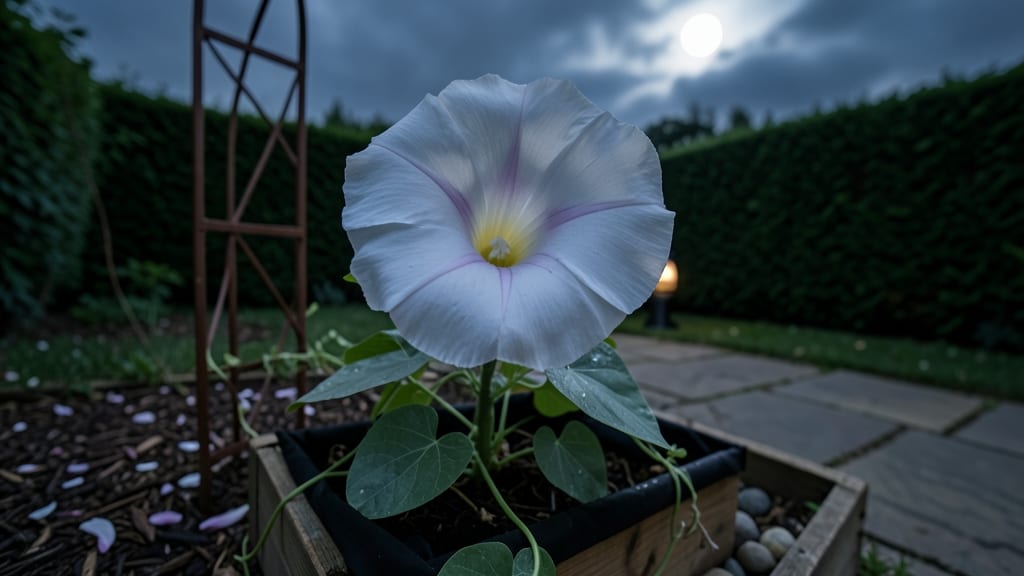
Moonlight-blooming flowers turn your garden into a twilight wonderland when most blooms have closed for the night. 🌙 The secret lies in these nocturnal stars—night-blooming jasmine, moonflower, and evening primrose—that open their petals only after dark, releasing intoxicating fragrances that transform evening strolls into sensory experiences.
These aren't just pretty faces; they're nature's own nightlights, thriving where others falter under the moon's glow.
What makes these flowers special is their resilience in partial shade and their ability to attract pollinators like moths and bats when daytime bloomers are asleep.
My garden's night-blooming jasmine (Jasminum sambac) still perfumes the air at 11 PM, while moonflowers (Ipomoea alba) unfurl their creamy-white trumpets by dusk, lasting just one night before closing at dawn—ephemeral magic that makes every evening feel like a garden party. The key to success?
Well-draining soil, consistent moisture, and a spot where they won't compete with sun-loving neighbors.
Imagine stepping outside to find your garden aglow under the moon's light, the air thick with sweet jasmine or the citrusy scent of evening primrose (Oenothera biennis). These plants create drama with their high-contrast blooms—pale whites, silvers, and soft purples—that stand out against dark foliage.
They're equally at home in containers on patios or woven into borders where their nocturnal habits become the garden's centerpiece. The best part? Their fragrance peaks after sunset, when your senses are most awake.
Whether you're designing a romantic evening garden or simply want to extend your blooming season into the night, these flowers deliver. They thrive in USDA Zones 5-10, with some varieties like four o'clocks (Mirabilis jalapa) even surviving in cooler climates.
The trade-off? Their fleeting blooms mean you'll need to plan for succession planting if you want continuous moonlight displays. Start with one or two varieties, and let the night garden begin.
📚 In This Guide
- What you need
- Instructions
- Tips and common mistakes
- Wrapping up and next steps
What you need
- ● Moonflower seeds (Ipomoea alba) – 1 packet (50-100 seeds), organic and non-GMO preferred.
- ● Night-blooming jasmine seeds (Jasminum grandiflorum) – 1 packet (30-50 seeds), fragrant variety recommended.
- ● Evening primrose seeds (Oenothera biennis) – 1 packet (20-40 seeds), bi-color or pale yellow for contrast.
- ● Well-draining potting soil – 2-3 bags (1 cubic foot each), mix with perlite for aeration.
- ● Biodegradable pots or seed trays – 12-15 units, 3-4 inches deep with drainage holes.
- ● Slow-release fertilizer – 1 small bag (10-15 lbs), low-phosphorus for seedling health.
- ● Hand trowel – For gentle soil handling.
- ● Spray bottle – 8-16 oz, for misting seeds.
- ○ Grow lights or LED bulbs (optional) – 1-2 units, full-spectrum for seedlings (12-16 hrs/day).
- ● Blackout cloth or dark curtain – To simulate nighttime conditions during germination.
- ● Garden gloves – 1 pair, for protection.
- ● Pruning shears – For trimming mature plants.
- ● Sunlight access – Partial shade to full sun (6+ hours/day) for mature plants.
- ● Watering schedule – Keep soil consistently moist but not soggy.
- ● Patience! – Moonflowers may take 60-90 days to bloom post-germination.
- ● Local climate check – Ensure your zone (USDA 7-11) supports these varieties.
How to create a moonlit garden display with nocturnal bloomers
Here's how to craft a garden that glows under the stars—no artificial lights needed.
🌱 Step 1: Choose Night-Blooming Flower Varieties
Select from 4-6 plants that naturally open their petals after sunset. My top picks include evening primrose (Oenothera biennis), night-blooming jasmine (Jasminum sambac), moonflower (Ipomoea alba), and queen of the night (Selenicereus grandiflorus). These varieties release their fragrance and open wide only after dark, creating a natural spectacle.
Check your USDA hardiness zone—moonflower thrives in zones 8-11, while evening primrose handles 3-9. Plant them in well-draining soil with partial shade to full sun, depending on the species. I always group them in clusters of 3-5 for maximum visual impact.
☀️ Step 2: Position for Maximum Moonlight Exposure
Place your nocturnal bloomers where they’ll receive indirect moonlight—avoid areas blocked by tall structures or dense foliage. A south-facing garden bed works best because it captures the moon’s light as it rises in the southeast. Dig 12-18 inches deep into the soil to loosen roots, then amend with 2 inches of compost to encourage strong growth.
Here’s the thing—moonlight is 300,000 times dimmer than sunlight, so your flowers need to be close to the viewing area. I plant mine along walkways or patio edges so guests can admire them from a seated position. Use reflective mulch (like white gravel) to amplify ambient light.
💧 Step 3: Water and Fertilize for Evening Blooms
Water deeply once a week in the late afternoon, ensuring the soil is moist but not soggy by dusk. Overwatering can dilute fragrance and weaken stems. I use a drip irrigation system set to 30 minutes per session to maintain consistent moisture without wetting the petals.
Feed with a low-phosphorus fertilizer (like 5-5-5) every 6 weeks to promote flowering over foliage. Avoid high-nitrogen blends—they encourage leafy growth at the expense of evening blooms. A handful of bone meal at planting time adds phosphorus for strong roots.
✂️ Step 4: Prune and Maintain for Prolonged Blooming
Deadhead spent blooms immediately after sunrise to redirect energy into new flowers. Use clean, sharp shears to snip just above the first set of leaves. I also trim leggy stems to half their length in early summer to encourage bushier growth.
Watch for pests like aphids or spider mites, which thrive in humid nighttime conditions. Spray with neem oil at dusk if you spot sticky residue on leaves. Mulch with 2 inches of straw to retain moisture and suppress weeds—this keeps the garden looking tidy without blocking moonlight.
🌿 Step 5: Enhance with Fragrance and Lighting Accents
Add scented companions like night-scented stock (Matthiola longipetala) or evening-scented honeysuckle to amplify the nocturnal experience. These plants release their aroma after 8 PM, syncing with your moonflowers.
For subtle lighting, tuck solar-powered LED string lights into the foliage—choose warm white or amber tones to mimic moonlight. Place them 18 inches above the plants so they cast a soft glow without overpowering the natural display. Test the setup one week before the full moon for the best effect.
Tips & tricks for perfect moonlit garden displays
Creating a garden that truly shines after dark takes a few strategic moves—here's how to ensure your nocturnal bloomers put on a show.
Plant Placement Precision: When positioning your clusters of 3-5 plants in Step 2, consider the moon's trajectory. Place taller varieties like moonflower toward the southeast corner of your garden bed, where the moon first appears. This creates natural depth as the moon rises, with shorter evening primrose varieties catching the light later in the evening. I've found that spacing plants 18-24 inches apart prevents overcrowding while maximizing moonlight reflection.
Timing Secret: The 30-minute drip irrigation session in Step 3 is your secret weapon for consistent moisture. Set your system to run between 4-5 PM to allow soil to absorb water before evening. This timing prevents soggy petals that can occur with late afternoon watering, while ensuring roots stay hydrated for nighttime blooming. For containers, water just before dusk instead—this mimics natural evening dew cycles.
Fragrance Synchronization: To maximize scent impact in Step 5, plant your night-scented stock and evening-scented honeysuckle within 3 feet of your primary bloomers. These companions release their aromas after 8 PM, creating a layered fragrance experience. I've noticed that positioning them slightly uphill from your seating area carries the scent downward naturally, making it more noticeable to guests.
Pest Prevention Strategy: The neem oil application mentioned in Step 4 works best when applied preventatively. Mix 1 tablespoon of neem oil with 1 quart of water and spray lightly on foliage every 2 weeks during peak blooming season (late spring through summer). The key is to apply this in the late afternoon so it doesn't attract bees or other pollinators during their active hours. This timing also allows the oil to settle on leaves before nighttime humidity sets in.
Pro Tips for Flowers That Bloom In Moonlight
- Creating a garden that truly shines after dark takes a few strategic moves—here's how to ensure your nocturnal bloomers put on a show.
- Plant Placement Precision: When positioning your clusters of 3-5 plants in Step 2, consider the moon's trajectory.
- Timing Secret: The 30-minute drip irrigation session in Step 3 is your secret weapon for consistent moisture.
Frequently asked questions
Got questions about these ethereal blooms? You’re not alone! Here are answers to the most common queries about cultivating flowers that bloom in moonlight—because magic shouldn’t come with confusion.
Can I grow these flowers in containers or just in-ground gardens?
Many moonlight-loving flowers—like Moonflower (Ipomoea alba) or Evening Primrose (Oenothera biennis)—thrive in containers. Use well-draining soil and a pot at least 12 inches deep. Just ensure they get 6+ hours of indirect sunlight daily to recharge for their nighttime show. Pro tip: Add a trellis for vining varieties to climb!
How long does it take for these flowers to bloom after planting?
Patience is key! Most moonlight bloomers take 6–12 weeks to flower after planting, depending on the species. Moonflower seeds can sprout in 7–14 days but may take 2–3 months to unfurl their fragrant blooms. For faster results, opt for nursery-grown plants or use pre-soaked seeds to jumpstart germination.
Why aren’t my moonlight flowers blooming at night?
If your blooms are MIA after dark, check these fixes:
- Light levels: Ensure they’re getting bright, indirect sunlight during the day (they “charge” like tiny solar panels!).
- Watering: Overwatering can stress roots—aim for 1 inch of water weekly (less in humidity).
- Pollinators: Some flowers (like Night-Blooming Jasmine) need moths or bats to trigger blooming. Plant near night-active pollinator-friendly flowers!
- Temperature: Chilly nights (<50°F/10°C) can delay blooms—try a lightweight row cover if frost is a risk.
Still stumped? Snap a photo and ask in gardening forums—experts love helping troubleshoot!
Are there any non-toxic alternatives for pets or kids?
Safety first! Skip Angel’s Trumpet (Brugmansia) or Castor Bean (Ricinus)—they’re toxic. Instead, try:
- Evening Primrose (safe, edible greens!)
- Moonflower (non-toxic but vining—secure it away from curious paws).
- Night-Blooming Cereus (pet-friendly, but wear gloves when handling spines!).
Always monitor interactions and consult the ASPCA’s toxic plant list for updates.
Can I grow these flowers in different climates (hot, cold, humid)?
Most moonlight bloomers are tropical or subtropical, so they prefer:
- Warm climates (Zones 9–11): Ideal for Moonflower and Night-Blooming Jasmine. Mulch to retain heat.
- Cool climates (Zones 5–8): Try Evening Primrose or Four O’Clock (Mirabilis jalapa). Plant in south-facing beds for extra warmth.
- Humid areas: Ensure good airflow to prevent fungal issues (like powdery mildew).
- Drought-prone areas: Desert Marigold (Baileya multiradiata) blooms at dusk and tolerates dry spells!
When in doubt, start with annual varieties—they’re low-commitment and just as magical.
Wrapping up and next steps
Discovering the magic of flowers that bloom in moonlight transforms your garden into a nocturnal wonderland—where beauty thrives under the stars. 🌙✨ These enchanting blooms aren’t just stunning; they’re a celebration of nature’s quiet resilience and the joy of creating a space that feels alive even after sundown.
Ready to bring this dream to life? Start small: plant a single Moonflower or Evening Primrose in a pot or your garden, then watch as your nighttime oasis grows—one petal at a time.
Next steps:
- Pick one flower from this list to begin your journey.
- Check local growing zones to ensure success.
- Share your progress with fellow night-bloom lovers!