
Container Gardens
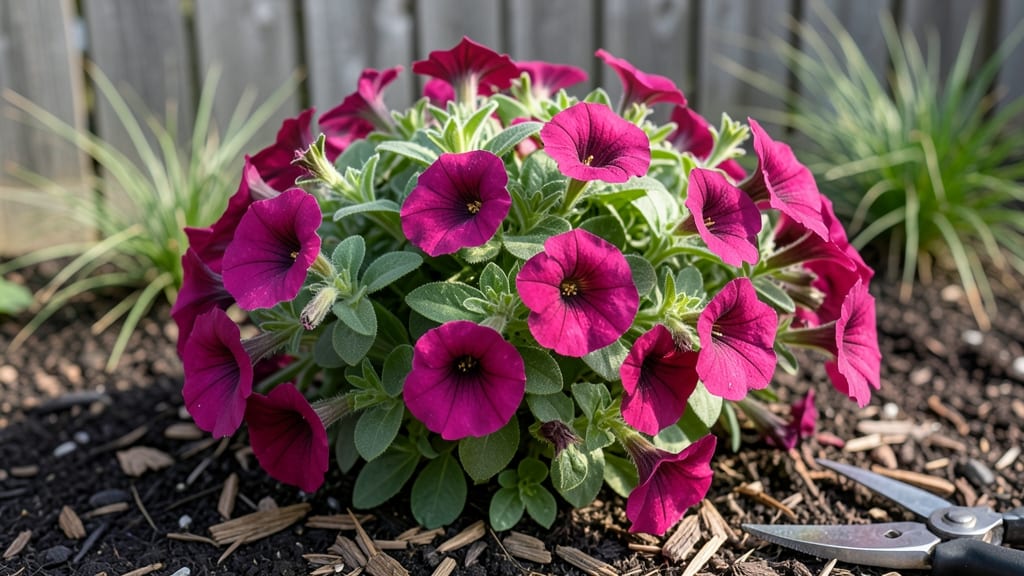
Petunias in flower pots turn any balcony into a vibrant retreat with their trailing blooms and endless color options. 🌸 I’ve filled small spaces with pots bursting with purple, pink, and white cascades that make neighbors stop and stare—no green thumb required.
The secret lies in choosing the right containers and pairing petunias with complementary plants that extend the season and boost visual impact.
You’ll need 10- to 12-inch pots for single petunias or larger 14- to 16-inch containers for cascading varieties, plus lightweight soil that drains well. Add a slow-release fertilizer at planting time, and you’re set for blooms that last from spring through frost.
Mix in trailing plants like sweet potato vine or calibrachoa to create a lush, layered look that softens edges and draws the eye.
What you’ll end up with is a balcony that feels like a garden escape—no matter how small the space. The petunias spill over like living waterfalls, their colors shifting with the seasons, while their sweet fragrance lingers in the evening air.
Even in partial shade, the right varieties thrive, turning concrete into a floral oasis.
Works for city apartments, suburban patios, or even a single windowsill. Let’s get those pots prepped—your balcony deserves this kind of magic.
📚 In This Guide
- What you need
- Instructions
- Tips and common mistakes
- Wrapping up and next steps
What you need
- ● Flower pots: 2–4 containers (12–18 inches in diameter or depth, depending on desired cascading effect). Opt for durable materials like terra cotta, fiberglass, or plastic with drainage holes.
- ● Petunia plants: 3–5 healthy petunia seedlings or mature plants (choose trailing varieties like 'Wave,' 'Supertunia,' or 'Tumbling Petunia' for maximum spillover).
- ● Potting soil: 1–2 bags of high-quality, well-draining container mix (avoid garden soil—it compacts!).
- ● Slow-release fertilizer: 1 packet of balanced, time-release granules (10-10-10 or similar) to nourish roots for weeks.
- ○ Mulch (optional): Lightweight orchid bark or coconut coir to retain moisture and suppress weeds.
- ● Gloves: A pair of gardening gloves to protect your hands from soil and thorns.
- ● Trowel or small shovel: For easy soil handling and planting.
- ● Watering can or hose with a gentle spray nozzle: Petunias love consistent moisture but hate soggy roots!
- ○ Pruning shears (optional): For trimming leggy stems to encourage bushier growth.
- ○ Decorative accents (optional): Gravel, pebbles, or mosaic tiles to elevate your pot’s aesthetic.
- ● A sunny spot! Petunias thrive in 6+ hours of direct sunlight daily.
- ● Access to water (petunias need 1–1.5 inches of water per week, more in extreme heat).
- ● Patience—petunias bloom best when given time to establish roots (2–3 weeks after planting).
Step-by-step guide to planting petunias in flower pots
Here’s how to create a vibrant, cascading display that’ll make your balcony the envy of the neighborhood.
🪴 Step 1: Choose the Right Pots and Drainage
Petunias thrive in containers with good airflow and drainage. Pick pots that are at least 12 inches deep—deeper pots keep roots happy and allow cascading varieties to spill beautifully. I like terracotta or fiberglass because they breathe and prevent root rot, but plastic works too if it has drainage holes.
Check for drainage holes first—no holes mean soggy roots and wilted flowers within weeks. If your pots lack them, drill ¼-inch holes in the bottom before planting. Real talk: Skipping this step is the fastest way to kill petunias. Place a 1-inch layer of gravel or broken pottery in the bottom to help excess water drain away from the roots.
🌱 Step 2: Prepare Soil and Plant Petunias
Fill your pots with a lightweight potting mix (never garden soil—it compacts and suffocates roots). I mix in a handful of perlite or vermiculite to improve drainage, especially for cascading varieties that need loose soil. Moisten the mix until it’s damp but not dripping—petunias hate soggy feet.
Dig a hole in the center of the pot, just deep enough to bury the petunia’s root ball. Gently remove the plant from its nursery pot and tease the roots apart if they’re circling. Place it in the hole, then fill around the sides with more soil, pressing lightly to remove air pockets. Water deeply after planting to settle the soil and encourage roots to spread.
☀️ Step 3: Position for Sun and Water Properly
Petunias crave 6+ hours of direct sun daily—that’s non-negotiable for blooms. A south- or west-facing balcony is ideal, but east-facing works too if you supplement with a grow light in cloudy weather. You’ll know your petunias are getting enough light when they produce nonstop flowers instead of long, leggy stems.
Water when the top inch of soil feels dry—usually every 2-3 days in hot weather, but adjust based on your climate. Avoid wetting the leaves to prevent fungal diseases. Instead, water at the base until it drains freely from the bottom. Mulch with ½ inch of pebbles or bark to retain moisture and keep roots cool.
✂️ Step 4: Maintain Blooms and Encourage Growth
Deadhead spent flowers regularly—this means pinching off faded blooms with your fingers or snipping them with clean scissors. I do this every 2-3 days in peak bloom season, and it triggers more flowers instead of seed pods. Fertilize every 2 weeks with a balanced liquid fertilizer (like 10-10-10) to keep them thriving.
If your petunias start looking leggy or sparse, they might need more light or fertilizer. Rotate the pots quarter-turn weekly so they grow evenly toward the sun. And here’s the thing—petunias are heavy feeders. If you skip fertilizing, you’ll notice fewer blooms and slower growth. Don’t skip this (I learned the hard way).
Tips & tricks for perfect flower pots with petunias
Here's what nobody tells you about creating showstopping petunia displays that last all season.
Container Selection: While the instructions recommend pots at least 12 inches deep, I've found that wider pots (14-16 inches across) actually help petunias spread their cascading growth more dramatically. The extra width gives roots room to establish while allowing the vines to spill beautifully over the edges. Just make sure they still have those essential drainage holes—no exceptions!
Soil Mix Secret: The lightweight potting mix mentioned is perfect, but here's my upgrade: Add a handful of coconut coir to the mix for better moisture retention during hot days. This helps those top 2-3 inches of soil stay consistently damp without turning soggy. I also sprinkle a bit of worm castings into the mix—they're packed with nutrients petunias love, and they improve soil structure too.
Lighting Hacks: For east-facing balconies where natural light falls short, I've had great success with LED grow lights placed about 12 inches above the plants. Run them for 4-6 hours daily during cloudy periods. The key is positioning them close enough to mimic direct sunlight without overheating the foliage. Your petunias will reward you with nonstop blooms instead of those sad, leggy stems.
Watering Wisdom: The instructions mention watering when the top inch feels dry, but here's what I do: I stick my finger about 2 inches down into the soil. If it's dry at that depth, it's time to water. This deeper check prevents surface drying while ensuring the roots get properly hydrated. And always water in the morning—it gives plants time to dry out overnight, reducing fungal risks.
Pro Tips for Flower Pots With Petunias
- Here's what nobody tells you about creating showstopping petunia displays that last all season.
- Container Selection: While the instructions recommend pots at least 12 inches deep, I've found that wider pots (14-16 inches across) actually help petunias spread their cascading growth more dramatically.
- Soil Mix Secret: The lightweight potting mix mentioned is perfect, but here's my upgrade: Add a handful of coconut coir to the mix for better moisture retention during hot days.
Frequently asked questions
Got questions about petunias in flower pots?
You’re not alone! Here are answers to the most common queries to help you grow stunning cascading blooms with ease.
How often should I water petunias in pots?
Petunias in pots dry out faster than in-ground plants. Water every 1–2 days in hot weather (or daily if it’s scorching ), ensuring soil stays moist but not soggy. Check the top inch—if it’s dry, it’s time! Use a self-watering pot or mulch to retain moisture.
When is the best time to plant petunias in pots?
Plant petunias after the last frost (typically late spring) once nighttime temps stay above 50°F (10°C). For a head start, start seeds indoors 8–10 weeks before the last frost. If you love year-round color, opt for heat-tolerant varieties like Petunia × hybrida.
Can I reuse last year’s petunia pots?
Yes! Clean and sterilize pots with a 10% bleach solution (1 part bleach to 9 parts water) or soapy water to kill pests/diseases. Replace old soil entirely—petunias thrive in fresh, well-draining potting mix. Add a slow-release fertilizer to give them a nutrient boost for the season.
Why are my petunia leaves turning yellow or wilting?
Yellow leaves often mean overwatering or poor drainage. Wilting could signal underwatering, root rot, or heat stress. Check soil moisture, ensure pots have drainage holes, and move plants to partial shade if temps exceed 90°F (32°C). Spider mites or aphids can also cause wilting—spray with neem oil if pests are spotted.
What are some low-maintenance alternatives to petunias?
If petunias seem high-maintenance, try these easy-care cascading plants:
- Calibrachoa ("million bells"): Thrives in sun, blooms nonstop, and loves heat.
- Lobelia: Compact, drought-tolerant, and great for trailing edges.
- Bacopa: Soft, white flowers that handle humidity and partial shade.
- Sweet potato vine: Fast-growing, colorful foliage (no flowers, but bold!).
Wrapping up and next steps
Transforming your balcony into a vibrant oasis with flower pots filled with petunias is easier—and more rewarding—than you think! 🌸 Whether you’re drawn to their bold hues, effortless care, or cascading charm, these flowers bring joy and life to any space.
With the right soil, sunlight, and a little love, you’ll enjoy months of stunning blooms that turn heads and lift spirits.
Ready to dive in? Start by picking your favorite petunia varieties and grab those supplies—your balcony’s new centerpiece is just a few steps away! 🌱 Which color will you choose first?