
Flowers
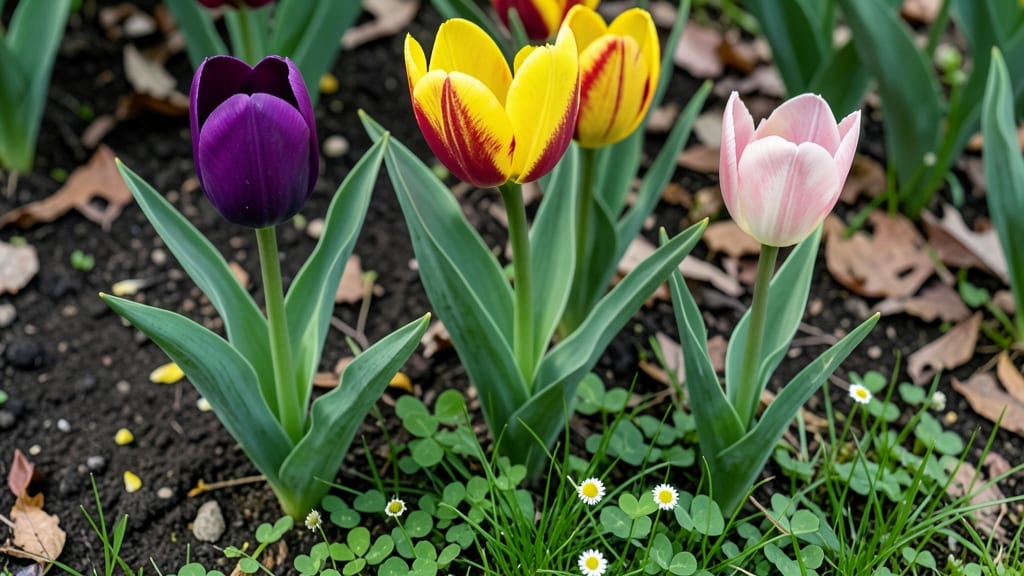
The demonstrative flowers associated with spring—like crocuses pushing through snowdrifts—don’t just announce the season; they rewrite the rules of color and joy in your garden. 🌷 I’ve watched their purple trumpets signal that winter’s grip is loosening, while daffodils nod in cheerful agreement by April.
These aren’t just blooms; they’re nature’s way of reminding us that patience pays off in vibrant petals and intoxicating fragrance.
The magic happens in layers: tulips unfurl their silky petals in waves, starting with early varieties like ‘Greigii’ and building to towering ‘Darwin Hybrid’ giants by May. Meanwhile, bleeding hearts drip their lace-like foliage like delicate waterfalls, and peonies—those heavy-hitched beauties—wait patiently in the wings for their June debut.
Each flower has its own personality: some thrive in full sun, others prefer dappled shade, and all of them demand just the right balance of moisture and soil.
What you’ll end up with is a garden that feels like a living postcard—soft pinks, buttery yellows, and deep purples all vying for attention. The air hums with the scent of hyacinths, and bees arrive in droves to pollinate your efforts.
Even a small patch of these spring stars transforms a dull corner into a magnet for neighbors and pollinators alike. The best part? Most spring bulbs return year after year, multiplying and naturalizing into effortless displays.
Whether you’re planting a full border or just tucking a few bulbs into a container, timing is everything. Start with early bloomers in fall for a March surprise, then layer in mid- and late-season varieties to stretch the show through June.
And don’t forget: deadheading spent blooms keeps the garden tidy and encourages second flushes. Let’s make this your most colorful spring yet.
📚 In This Guide
- What you need
- Instructions
- Tips and common mistakes
- Wrapping up and next steps
What you need
- ● Spring flowers: 5–10 bulbs/seeds of daffodils, tulips, crocuses, hyacinths, or pansies (choose 2–3 varieties for a colorful mix). Opt for organic, disease-resistant varieties if possible.
- ● Potting soil: 2–3 bags (10–15 lbs each) of well-draining, peat-free potting mix (e.g., Miracle-Gro or FoxFarm). For gardens, use native soil amended with compost.
- ● Containers or garden space: For containers: 3–5 pots (8–12 inches in diameter) with drainage holes.
- ● For gardens: A sunny spot (6+ hours of light) with loose, fertile soil.
- ● Watering can or hose: A gentle-spray nozzle to avoid damaging delicate blooms.
- ● Fertilizer: A balanced, slow-release granular fertilizer (e.g., 10-10-10) or liquid bloom booster (like Fish Emissions).
- ● Garden trowel or hand shovel (for planting bulbs/seeds).
- ● Pruning shears (for trimming dead foliage or shaping plants).
- ○ Gloves (optional but recommended for handling soil or thorny stems like roses).
- ● Mulch (e.g., straw or shredded bark) to retain moisture and suppress weeds.
- ○ Decorative elements (optional): Garden stakes or pebbles for arranging containers.
- ● Natural stones or wooden accents for a rustic garden look.
- ● Timing: Plant bulbs in fall (Sept–Nov) or seeds in early spring (March–April), depending on your climate zone.
- ● Weather check: Avoid planting in frost or heavy rain—wait for mild, sunny days.
- ● Sunlight knowledge: Most spring flowers thrive in full sun (6+ hours/day), but some (like pansies) tolerate partial shade.
How to choose and plant spring-flowering beauties for a vibrant garden
Spring flowers bring color and life—here's how to pick and plant them for maximum impact.
🌱 Step 1: Select Spring Flowers for Your Climate and Sunlight
Start by choosing flowers that thrive in your USDA hardiness zone and match your garden's sunlight conditions. Classic spring bloomers like tulips and daffodils love full sun to partial shade, while bleeding hearts and lungwort prefer dappled or filtered light. Check the back of seed packets or plant tags for specific light requirements—this ensures your flowers will flourish from the start.
I always mix early bloomers (like crocuses and snowdrops) with mid-season stars (such as peonies and irises) to extend your garden's color palette. Early bloomers emerge when the soil is still cool, while mid-season flowers take over as temperatures rise. This layered approach keeps your garden vibrant from late winter through early summer.
🪴 Step 2: Prepare the Soil for Healthy Root Growth
Spring flowers thrive in well-draining soil with a pH between 6.0 and 7.0. Before planting, loosen the top 12 inches of soil with a garden fork or tiller to improve aeration and drainage. Amend heavy clay soil with 2-3 inches of compost or well-rotted manure—this adds organic matter and nutrients without overwhelming tender roots.
For container-grown flowers, use a high-quality potting mix blended with perlite or vermiculite to prevent compaction. I like to add a slow-release fertilizer (like 10-10-10) at planting time to give flowers a nutrient boost as they establish. Avoid fresh manure, which can burn roots and stunt growth.
☀️ Step 3: Plant at the Right Time and Depth
Most spring-blooming bulbs and perennials should be planted in early fall, but if you're working with potted plants or seeds, aim for late winter to early spring before the last frost date. Dig holes twice as wide as the root ball and as deep as the container—this prevents stem breakage and encourages strong root development.
Space plants according to their mature size: tulips and daffodils need 4-6 inches apart, while larger perennials like peonies require 3-4 feet of space. Press soil gently around the roots to remove air pockets, then water deeply to settle everything in place. A 1-inch layer of mulch helps retain moisture and regulate soil temperature.
💧 Step 4: Water and Maintain for Continuous Blooms
After planting, water deeply once a week (or more often in hot, dry weather) to encourage root growth. Most spring flowers prefer consistent moisture but hate soggy soil—always check that the top 2 inches of soil feel dry before watering again. I use a soaker hose or drip irrigation to deliver water directly to the roots without wetting the foliage, which reduces disease risk.
Deadhead spent blooms regularly to redirect the plant’s energy into producing more flowers. For bulbs like tulips, remove fading leaves only after they yellow naturally—this allows the plant to store energy for next year’s blooms. Fertilize lightly in early spring with a balanced, water-soluble fertilizer to support vigorous growth.
Tips & tricks for perfect spring flower planting
Creating a vibrant spring garden starts with these simple yet impactful tricks that'll make all the difference in your blooms.
Climate and Light Matching: Pay close attention to the specific sunlight requirements of each flower type. For example, tulips and daffodils in full sun will bloom more vigorously than those in shade. I've learned that placing shade-loving plants like bleeding hearts near trees creates a natural dappled light effect that mimics their ideal conditions. This thoughtful placement prevents leggy growth and ensures robust blooms.
Soil Preparation Secret: When amending your soil with compost or manure, mix it thoroughly into the top 12 inches—don't just top-dress. The key is creating a consistent nutrient profile throughout the root zone. For container plants, I blend my potting mix with perlite first, then add fertilizer, to prevent clumping that can restrict root growth. This method gives my container flowers a head start in the spring season.
Timing is Everything: The late winter to early spring planting window is critical for establishing strong root systems before summer heat arrives. I always check my local frost dates and mark my calendar two weeks before the last expected frost. This gives me time to prepare the soil and have plants ready to go when conditions are perfect. For bulbs, remember they should be planted in early fall—this timing allows roots to establish before winter dormancy.
Watering Wisdom: The once-a-week watering guideline works for average conditions, but your actual needs may vary. I test soil moisture by sticking my finger 2 inches down—if it feels dry, it's time to water. For newly planted flowers, I water deeply right after planting to eliminate air pockets, then maintain consistent moisture until they're established. A soaker hose or drip irrigation system delivers water right to the roots without wetting foliage, which helps prevent fungal diseases that can ruin your spring blooms.
Pro Tips for Flowers Associated With Spring
- Creating a vibrant spring garden starts with these simple yet impactful tricks that'll make all the difference in your blooms.
- Climate and Light Matching: Pay close attention to the specific sunlight requirements of each flower type.
- Soil Preparation Secret: When amending your soil with compost or manure, mix it thoroughly into the top 12 inches—don't just top-dress.
Frequently asked questions
Got questions about spring flowers? You’re not alone! Here are some of the most common inquiries—plus quick answers to help you plan your blooming garden with confidence.
When is the best time to plant spring flowers?
The ideal timing depends on your climate, but most spring flowers thrive when planted 6-8 weeks before your last frost date. For example, tulips and daffodils can go in the ground as early as late fall or early spring, while annuals like pansies or snapdragons wait until soil warms (around 50°F/10°C). Check your local frost schedule for precision!
Can I grow spring flowers in containers?
Many spring blooms—like petunias, primroses, or even mini tulips—thrive in pots. Just ensure containers have drainage holes and use a well-draining potting mix. For longer blooms, opt for self-watering planters or group containers in sunny spots (6+ hours of light). Pro tip: Rotate pots occasionally for even growth!
What if my spring flowers won’t bloom?
No blooms? Don’t panic! Common culprits include overcrowding, poor sunlight, or nutrient deficiencies. Try these fixes:
- Move plants to sunnier spots (most spring flowers need full sun).
- Fertilize lightly with a balanced bloom booster (like 10-10-10) when buds form.
- Deadhead spent blooms to encourage new growth.
Are there low-maintenance spring flowers?
Yes! If you’re short on time, try these hardy, fuss-free options:
- Daffodils & tulips: Perennials that return yearly with minimal care.
- Lungwort or bleeding heart: Shade-tolerant and drought-resistant.
- Sweet alyssum: Self-seeds and blooms nonstop with little effort.
How can I extend the spring flower season?
Want blooms to last? Combine early, mid, and late-season flowers for a staggered display. For example:
Early Spring
Mid-Spring
Late Spring
Crocuses, snowdrops
Tulips, pansies
Peonies, lilacs, sweet peas
Wrapping up and next steps
Spring isn’t just about warmer weather—it’s a celebration of color, renewal, and life, and the flowers that bloom this season are nature’s way of painting the world brighter. 🌸 From the delicate petals of tulips to the bold charm of daffodils, each bloom carries its own story, symbolism, and joy.
Whether you’re planting a garden, gifting flowers, or simply admiring their beauty, these seasonal stars remind us to embrace the magic of growth and possibility.
Now that you’re inspired, why not take the next step? Start small—plant a single flower, sketch its shape, or share its meaning with a loved one. Every little action helps bring more springtime cheer into your world! 🌱