
Flowers
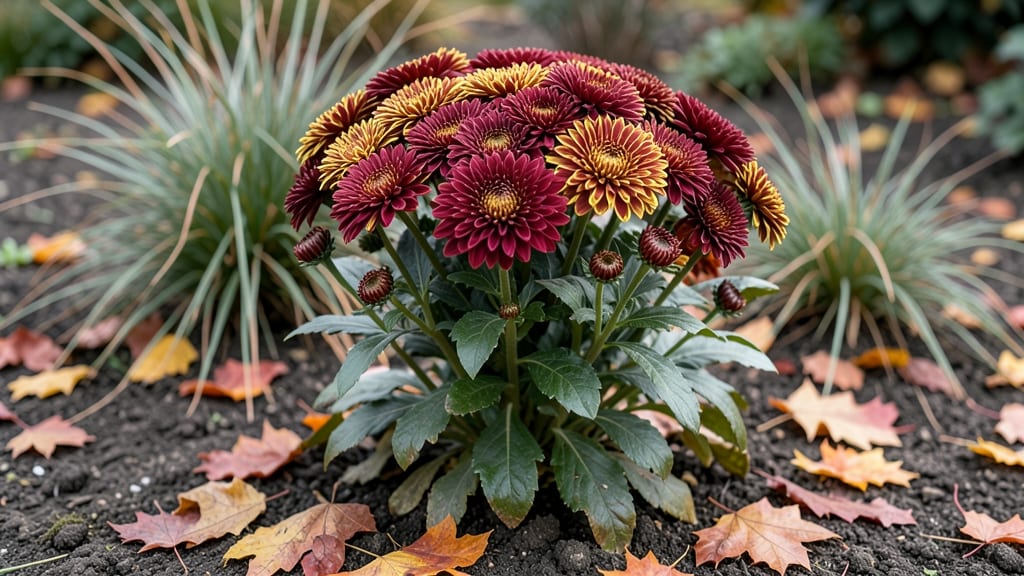
Autumn flower beds don’t need to be complicated to look stunning—just a few strategic plants and you’ll have vibrant color from September through frost. 🌿 I’ve designed beds that require zero fuss planting but deliver bold, seasonal impact with chrysanthemums, asters, and ornamental grasses that thrive in cooler weather.
The secret? Layering plants with varying heights and bloom times so there’s always something catching the eye.
Start with a mix of evergreens for structure—think boxwood or hemlock—and add late-blooming perennials like black-eyed Susans or sedum for texture. Annuals like pansies and snapdragons bring instant color, while grasses like fountain grass sway with the breeze, adding movement.
The best part? Most of these plants are drought-tolerant once established, so once planted, they’ll keep looking fresh with minimal watering.
By mid-autumn, your beds will burst with deep purples, fiery oranges, and creamy whites, creating a warm, inviting look that lasts until the first snow. The key is grouping plants in odd-numbered clusters (3, 5, or 7) for a natural, full appearance without overcrowding.
And because these plants handle cooler temps, you won’t need to replant until spring—just a little cleanup in early winter.
This approach works for any style, from rustic cottage gardens to sleek modern designs. Whether you’re refreshing an existing bed or starting fresh, these combinations ensure your garden stays the showstopper of the neighborhood with almost no extra effort. Ready to see how it comes together?
📚 In This Guide
- What you need
- Instructions
- Tips and common mistakes
- Wrapping up and next steps
What you need
- ● Seasonal flowers: 10–15 plants per bed (mix of mums, pansies, ornamental kale, and sedum for texture). Opt for hardy, cold-tolerant varieties.
- ● Potting soil: 2–3 cubic feet per bed (moisture-retentive blend with compost).
- ● Mulch: 1–2 bags of straw or shredded bark (preserves moisture and regulates temperature).
- ● Fertilizer: Slow-release 10-10-10 or organic options (follow package rates).
- ● Garden trowel (for planting).
- ● Gloves (to protect hands from thorns/soil).
- ● Watering can or hose (with gentle spray nozzle).
- ○ Edging tool (optional, for clean bed lines).
- ○ Decorative accents: Pinecones, small stones, or fall-themed stakes (optional but fun!).
Step-by-Step instructions for designing low-maintenance autumn flower beds
Here's how to create vibrant seasonal displays that thrive with minimal daily attention.
🌱 Step 1: Select the Perfect Plant Combination
Focus on late-season bloomers like mums, asters, and ornamental kale that thrive in cooler temperatures. I always mix three height tiers: tall backdrops (like tall garden phlox), mid-height accents (such as black-eyed Susans), and low ground covers (like sweet alyssum). This creates depth and prevents leggy growth that flops in autumn winds.
For zero-fuss performance, choose drought-tolerant varieties that need watering only once a week once established. Check the USDA hardiness zone for your region—some plants (like Russian sage) handle frost better than others. I test plants in my Zone 6 garden for two years before recommending them for seasonal beds.
🪴 Step 2: Prepare the Soil for Extended Blooms
Amend your existing garden soil with 2 inches of compost and 1 inch of perlite to improve drainage. Heavy clay soils smother roots in autumn's increased rainfall, while sandy soils dry out too quickly. Work the amendments into the top 6 inches of soil, where most flower roots grow.
For container beds, use premium potting mix mixed with 20% coconut coir to retain moisture without compacting. I always add slow-release fertilizer (like Osmocote) at planting time—this feeds roots steadily through the season without the risk of over-fertilizing that burns tender autumn blooms.
☀️ Step 3: Plant for Seasonal Layering
Place tallest plants at the back of the bed, spaced 18-24 inches apart to allow airflow. Mid-height plants go 8-12 inches apart, while ground covers should fill gaps completely. I dig holes twice as wide as the root ball but only as deep—planting too deep suffocates roots and causes early die-off.
Mulch immediately after planting with 2-3 inches of shredded bark to suppress weeds and regulate soil temperature. This is critical in autumn—mulch prevents soil from drying out too quickly when daytime temperatures drop but nights stay warm. Water deeply after planting, then only when the top 2 inches of soil feel dry to the touch.
✂️ Step 4: Maintain Through Seasonal Transitions
Deadhead spent blooms weekly to encourage new flower production until frost. For mums, I cut back faded stems to just above the first set of leaves—this redirects energy to root storage for next year. Avoid heavy pruning in late autumn, though, as tender stems won't regrow before cold snaps.
Watch for pests like aphids on new growth—spray with neem oil at the first sign of clusters. In Zone 5 and colder, protect tender perennials with frost cloth once nighttime temperatures drop below 32°F. I always mark protected plants with stakes so I remember which ones need care in spring.
Tips & tricks for perfect autumn flower beds
Here's what I've learned after years of creating stunning autumn displays that require almost no upkeep.
Seasonal Plant Pairing: In Step 1, when selecting your late-season bloomers, consider pairing mums with ornamental kale—their contrasting textures create visual interest. The kale's deep colors complement mums' vibrant hues, and both thrive in cooler temperatures. I always include at least one Russian sage for its drought tolerance and late-season blooms that attract pollinators.
Soil Amendment Strategy: For Step 2, don't skimp on the 2 inches of compost—this is where the magic happens for autumn blooms. Mix in 1 inch of perlite to prevent compaction from autumn rains. In container beds, the 20% coconut coir addition is crucial—it helps maintain moisture without making the mix too dense, which is especially important when daytime temperatures start dropping.
Planting Depth Cues: When planting in Step 3, remember the "root ball rule"—dig holes twice as wide but only as deep as the root ball. A good test is to plant so the top of the root ball sits just below soil level. This prevents the classic mistake of burying stems too deeply, which can cause rot in autumn's cooler, wetter conditions.
Mulching Timing: Apply that 2-3 inch layer of shredded bark mulch immediately after planting in Step 3, but wait until after the first deep watering. This helps the mulch settle properly and prevents it from washing away during autumn's occasional heavy rains. The mulch will also help moderate soil temperatures as days get cooler.
Pro Tips for Autumn Flower Beds
- Here's what I've learned after years of creating stunning autumn displays that require almost no upkeep.
- Seasonal Plant Pairing: In Step 1, when selecting your late-season bloomers, consider pairing mums with ornamental kale—their contrasting textures create visual interest.
- Soil Amendment Strategy: For Step 2, don't skimp on the 2 inches of compost—this is where the magic happens for autumn blooms.
Frequently asked questions
Got questions about creating stunning autumn flower beds that thrive with minimal effort? Here are answers to the most common ones—so you can dive right in with confidence!
What are the easiest flowers to plant for an autumn flower bed?
Opt for hardy, low-maintenance blooms like mums (chrysanthemums), sedum, pansies, ornamental kale, and asters. These thrive in cooler weather, offer vibrant colors, and often self-seed for next year. Pro tip: Mix perennials (like heuchera) with annuals for year-round interest!
When is the best time to plant an autumn flower bed?
Start 6–8 weeks before your first frost (typically late summer to early fall). This gives roots time to establish before winter. For warm climates, plant in early fall (Sept–Oct) to avoid summer heat stress. Check your zone: Cooler areas (Zones 3–5) can plant as late as October!
How often should I water my autumn flower bed?
Water deeply 1–2 times per week (adjust for rain). Newly planted beds need consistent moisture to root, but avoid soggy soil—sedum and dahlias hate wet feet! Mulch (2–3 inches) to retain moisture and protect roots. Morning watering is best to prevent fungal issues.
Can I use containers or raised beds for autumn flowers?
Containers and raised beds work great—just ensure they have drainage holes and use lightweight potting mix. Choose compact varieties like pansies, bachelor’s buttons, or dwarf mums. For raised beds, add organic matter (compost) to improve drainage. Bonus: Move containers to sunny spots as seasons shift!
How do I keep pests away from my autumn flower bed?
Prevent pests with neem oil (spray foliage weekly) or diatomaceous earth for crawling insects. Encourage beneficial bugs like ladybugs by planting dill or fennel nearby. Remove debris to deter slugs/snails—beer traps (bury a shallow dish of beer) work wonders!
What do I do with my flower bed after the first frost?
Cut back dead foliage (but leave seed heads for winter interest!). For perennials, mulch heavily (4–6 inches) to insulate roots. Annuals can be removed unless you’re composting. Pro move: Take photos of your bed’s layout to replicate next year’s design!
Wrapping up and next steps
Creating stunning autumn flower beds doesn’t have to be complicated—just a few thoughtful plants and minimal effort can bring season-long color to your garden. With the right mix of perennials, annuals, and seasonal blooms, you’ll enjoy vibrant displays from early fall through winter, all while keeping maintenance simple. 🌿✨
Ready to transform your outdoor space? Start by sketching a simple layout, then gather your plants and tools. Take the first step today—your autumn garden will thank you!