
Shrubs
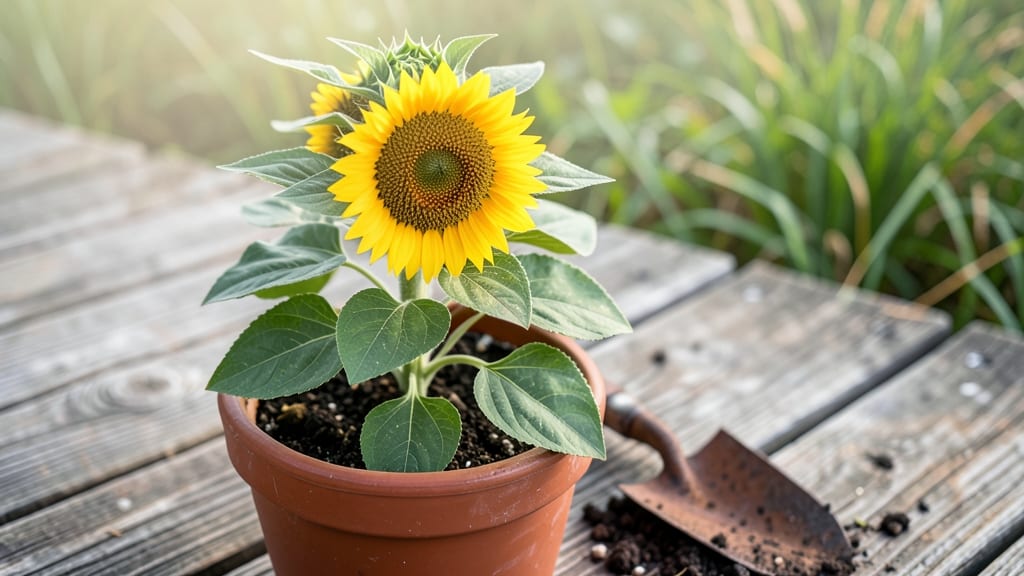
Growing dwarf teddy bear sunflowers in containers or small gardens is like having a fluffy, golden cloud that never outgrows its welcome. 🌻 These compact beauties top out at just 2-3 feet tall, making them perfect for patios, balconies, or tucked into flower beds where space is tight.
The secret to their success lies in the right soil mix, consistent moisture, and a sunny spot—no fancy equipment required.
Start with well-draining soil mixed with compost to give those fluffy blooms the nutrients they crave. Plant seeds ¼ inch deep and 12 inches apart in containers at least 12 inches deep or in garden beds with full sun exposure.
Water deeply once a week (more in extreme heat), and watch as sturdy stems emerge within 7-10 days. The key? Avoid soggy soil—they hate wet feet.
By midsummer, you’ll be surrounded by velvety, teddy-bear-like blooms that attract bees and butterflies without taking over your space. Prune spent flowers to encourage more blooms, and pinch back leggy stems early to keep plants bushy.
These sunflowers thrive in containers, window boxes, or even as edging plants—ideal for small gardens where big blooms aren’t practical.
Pair them with basil, marigolds, or nasturtiums for a pollinator-friendly display, or let them stand alone as a whimsical centerpiece. With minimal care, you’ll enjoy their cheerful faces all season long—no yard required.
📚 In This Guide
- What you need
- Instructions
- Tips and common mistakes
- Wrapping up and next steps
What you need
- ● Dwarf teddy bear sunflower seeds – Opt for Helianthus ‘Teddy Bear’ seeds (dwarf varieties typically grow 12–24 inches tall). Quantity: 1–3 seeds per container or 3–5 seeds per square foot in garden beds.
- ● Well-draining potting mix – A high-quality, lightweight blend (e.g., 60% peat moss, 20% perlite, 20% compost). Quantity: 1–2 gallons per 6-inch container.
- ○ Containers (optional but ideal) – Choose pots with drainage holes, 12–18 inches deep and 8–12 inches wide for single plants. Pro tip: 💡 Use self-watering pots to maintain moisture!
- ● Garden soil (for in-ground planting) – Amend with compost for improved fertility. Depth: Loosen soil to 12 inches deep.
- ● Slow-release fertilizer – A balanced (10-10-10) or low-nitrogen (5-10-10) formula. Application: Mix 1–2 tbsp per square foot into soil.
- ● Watering can or hose with gentle spray – Avoid over-saturating seeds.
- ● Plant labels – To track varieties (especially if mixing with other plants!).
- ● Mulch – 2–3 inches of shredded bark or straw to retain moisture and suppress weeds.
- ● Stake or small cage – For taller varieties (though ‘Teddy Bear’ is compact, a lightweight stake can prevent flopping in windy spots).
- ● Organic liquid fertilizer – Fish emulsion or compost tea for a mid-season boost.
- ● Garden gloves – To keep hands clean while handling soil.
- ● Sunflower companion plants – Pair with basil, marigolds, or nasturtiums to deter pests and boost growth!
Step-by-step instructions for cultivating dwarf teddy bear sunflowers
Here's how to coax these cheerful, compact giants to thrive in limited spaces.
🌱 Step 1: Select and Prepare Your Planting Site or Containers
Dwarf Teddy Bear sunflowers thrive in full sun—at least 6-8 hours daily. For containers, choose pots 12-18 inches deep with drainage holes. I use lightweight fabric grow bags because they prevent root circling while allowing excess moisture to escape.
Fill containers with a well-draining mix of 50% potting soil and 50% perlite or coarse sand. This prevents the heavy sunflower roots from becoming waterlogged. Tap the pot gently to settle the soil, then water until moisture runs freely from the drainage holes. Let it drain completely before planting.
🌱 Step 2: Plant Seeds at the Right Depth and Spacing
Sow seeds ½ inch deep and 2 inches apart in rows spaced 12 inches apart for in-ground planting. In containers, plant 1-2 seeds per pot—they germinate quickly, and thinning later can damage tender roots. Use your finger to create small holes, drop in the seeds, then cover lightly with soil.
Here's the thing—these sunflowers grow fast, but they need room to develop their signature bushy habit. If you crowd them, you'll end up with tall, spindly stems instead of the compact, multi-branched plants you're after. Water gently after planting to settle the soil around the seeds.
☀️ Step 3: Provide Consistent Moisture and Sunlight
Keep the soil evenly moist but never soggy during germination, which takes 7-14 days. Once seedlings emerge, water deeply 1-2 times per week, allowing the top 1-2 inches of soil to dry between waterings. Overwatering causes root rot, while underwatering stresses the plant and leads to weak stems.
Move containers to a sheltered spot if temperatures exceed 85°F—these sunflowers tolerate heat but perform best in 65-75°F conditions. You'll notice the seedlings lean toward the light? That's normal. Rotate the pots a quarter turn daily to encourage even growth and prevent lopsided plants.
🌿 Step 4: Fertilize and Support for Bushy Growth
When seedlings reach 4-6 inches tall, apply a balanced 10-10-10 fertilizer at half strength. I use a slow-release granular fertilizer mixed into the soil to avoid burning tender roots. Repeat every 4-6 weeks during the growing season. These sunflowers are heavy feeders and reward consistent nutrition with lush foliage and abundant blooms.
To encourage that signature "teddy bear" branching habit, pinch off the main stem's growing tip once it reaches 12-18 inches tall. This redirects energy to lateral branches, creating a fuller, more compact plant. You'll see new side shoots emerge within 2-3 weeks—that's your cue everything's working.
✂️ Step 5: Deadhead and Maintain Through the Season
Remove spent blooms by cutting the stem ½ inch above the next set of leaves. This practice, called deadheading, encourages continuous flowering and prevents the plant from putting energy into seed production. I do this every 2-3 days during peak bloom to keep the plant producing new flowers.
Watch for powdery mildew on the leaves, especially in humid conditions. If you spot white, powdery patches, treat immediately with a fungicide or a homemade solution of 1 tablespoon baking soda mixed with 1 quart water and a drop of dish soap. Spray the undersides of leaves thoroughly—this is where mildew often hides.
Tips & tricks for perfect dwarf teddy bear sunflower cultivation
Here's what nobody tells you about growing these adorable, compact sunflowers—little details that make all the difference between a scraggly stem and a lush, bushy plant.
Soil Preparation Secret: The 50-50 mix of potting soil and perlite/sand isn't just about drainage—it's about creating an airy environment that sunflower roots love. I've found that adding a handful of compost to this mix gives your plants a nutrient boost right from planting, especially when growing in containers where nutrients get used up faster. The key is to mix it thoroughly so you don't create pockets of pure compost that could attract pests.
Germination Timing: Those 7-14 days for germination can feel like forever, but there's a trick to speed things up slightly. After planting, place your containers in a warm spot (around 75°F) and cover them loosely with plastic wrap to create a mini greenhouse effect. Check daily for moisture—condensation on the plastic means you've got the humidity right. Remove the cover once you see sprouts, but do this gradually over 2-3 days to avoid shocking the tender seedlings.
Heat Management: When temperatures exceed 85°F, these sunflowers can get stressed, but don't just move them to shade immediately. Instead, provide afternoon shade (when the sun is strongest) while keeping morning sun exposure. I've seen plants recover beautifully when given this gradual adjustment. Also, increase watering frequency slightly during heatwaves—those 1-2 times per week can become 1 time every 3-4 days when temps climb, but always check the top 2 inches of soil first.
Pruning Technique: The pinching method in Step 4 might seem counterintuitive, but timing is everything. Wait until the main stem reaches exactly 12-18 inches before pinching—any earlier and you'll stunt growth, any later and you miss the branching window. Use clean scissors or your fingernail to make the cut just above a leaf node (the bump where leaves attach). You'll know you've done it right when you see 2-3 new side shoots emerge within those 2-3 weeks—this is your plant's way of saying "thank you" for the guidance.
Pro Tips for Dwarf Teddy Bear Sunflower
- Here's what nobody tells you about growing these adorable, compact sunflowers—little details that make all the difference between a scraggly stem and a lush, bushy plant.
- Soil Preparation Secret: The 50-50 mix of potting soil and perlite/sand isn't just about drainage—it's about creating an airy environment that sunflower roots love.
- Germination Timing: Those 7-14 days for germination can feel like forever, but there's a trick to speed things up slightly.
Frequently asked questions
How fast do dwarf teddy bear sunflowers grow?
These little powerhouses grow quickly—typically reaching 12–18 inches tall in just 6–8 weeks from seed! With proper care (sunlight, water, and nutrients), you’ll see noticeable growth in 3–4 weeks. They’re perfect for impatient gardeners who want instant gratification!
Can I grow dwarf teddy bear sunflowers in containers?
These sunflowers thrive in 5–10 gallon pots with drainage. Use well-draining soil and a container at least 12 inches deep. Place them in a spot with 6+ hours of sunlight daily. Just ensure the pot is stable—these sunflowers can get top-heavy as they bloom!
Why aren’t my dwarf teddy bear sunflowers blooming?
No blooms? Check these fixes:
- Light: Ensure they get full sun (6+ hours/day).
- Water: Keep soil consistently moist but not soggy.
- Nutrients: Fertilize lightly with balanced 10-10-10 every 4–6 weeks.
- Space: Overcrowding stunts growth—thin seedlings to 12–18 inches apart.
Are dwarf teddy bear sunflowers annuals or perennials?
These sunflowers are tender annuals, meaning they complete their life cycle in one growing season. However, in USDA Zones 9–11, they may self-seed and return the next year! If you love them, save seeds from mature flowers for next season’s garden.
Do I need to deadhead dwarf teddy bear sunflowers?
Deadheading (removing spent blooms) isn’t required, but it encourages more flowers and prevents seed production. Snip off faded blooms just above the next set of leaves. If you’re saving seeds, skip this step—let the flowers go to seed for next year’s plants!
Wrapping up and next steps
The Dwarf Teddy Bear Sunflower is a charming, low-maintenance addition to any small garden or container—packing big personality into tiny space! With its fluffy, teddy-bear-like blooms and compact growth, it’s perfect for beginners and seasoned gardeners alike.
Whether you’re growing it in a pot or a cozy corner of your yard, remember: patience and consistent care yield the most rewarding results.
Ready to bloom with confidence? Start by planting your seeds or seedlings soon—follow your local frost dates, and you’ll be enjoying those adorable, fuzzy faces in no time! 🌱✨