
Flowers
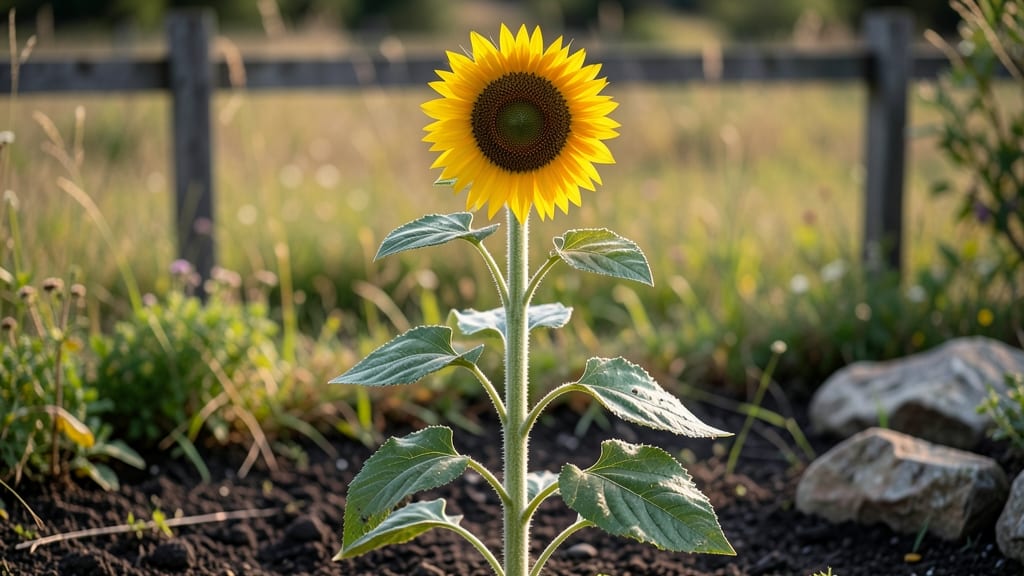
The perennial sunflower plants that return year after year are a gardener’s secret joy—here’s how to grow them. Perennial sunflower plants like Helianthus varieties prove summer blooms don’t have to be a one-season wonder. 🌻 I planted mine last fall, and now they tower over my garden like golden sentinels, attracting pollinators while putting annuals to shame with their resilience.
Most gardeners assume sunflowers are annuals, but perennials like Jerusalem artichoke (Helianthus tuberosus) or stiff sunflower (Helianthus pauciflorus) thrive in zones 3-9. They demand full sun, well-drained soil, and regular watering until established—then they’re nearly drought-proof.
The key? Plant tubers in spring or early fall, 6-12 inches deep and 18-24 inches apart.
By mid-summer, you’ll have 6-foot-tall blooms that keep coming back, even after cutting. Deer usually avoid them, and they spread slowly, making them perfect for borders or wildflower meadows. Just watch for rust fungus—remove affected leaves promptly to keep them thriving.
Overwintering is easy: mulch heavily in colder zones, and they’ll push through snow like nothing happened. Next year’s harvest of edible tubers (for Jerusalem artichokes) is just the cherry on top. Ready to grow sunflowers that outlast the season?
📚 In This Guide
- What you need
- Instructions
- Tips and common mistakes
- Wrapping up and next steps
What you need
- ● Perennial Sunflower Seeds or Plants: Choose cold-hardy varieties like Helianthus species (e.g., Helianthus maximiliani or Helianthus salicifolius). Start with 3–5 plants for a small garden or 10+ for a full border.
- ● Well-Draining Soil: 1–2 bags (40–60 lbs each) of garden loam or compost to amend heavy clay soil.
- ○ Optional: Perlite or sand (1–2 gallons) for improving drainage in wet climates.
- ● Fertilizer: Balanced 10-10-10 fertilizer (1–2 lbs) or organic compost (5–10 gallons) to enrich soil at planting.
- ● Slow-release granular fertilizer (e.g., Osmocote) for long-term growth.
- ● Watering Supplies: Garden hose with adjustable nozzle or drip irrigation kit (for consistent moisture).
- ● Watering can (5-gallon capacity) for seedlings.
- ● Planting Tools: Trowel or hand shovel for digging holes.
- ● Garden gloves (1 pair) to protect your hands.
- ● Pruners or shears for trimming dead foliage.
- ● Sunlight: Full sun (6+ hours/day)—perennial sunflowers thrive in bright, open spaces.
- ● Climate: USDA Zones 3–9 (cold-hardy to -30°F/-34°C with mulch).
- ● Drought-tolerant once established, but young plants need 1–2 inches of water weekly.
- ● Spacing: 18–36 inches apart for single plants; 3–4 feet apart for clusters.
- ○ Optional Extras: Mulch (straw or wood chips) (2–3 inches) to retain moisture and suppress weeds.
- ● Pest deterrents like neem oil or row covers for young plants.
- ● Support stakes (if growing tall varieties like Helianthus debilis).
Step-by-Step instructions for establishing perennial sunflower canopy plants
Here's how to plant these drought-tolerant giants for long-term impact.
🌱 Step 1: Select and Prepare the Planting Site
Choose a location with full sun exposure (6+ hours daily) and well-draining soil. Perennial sunflowers thrive in open spaces where they can develop their iconic canopy structure without competition. Test your soil's drainage—if water pools after 6 hours, amend with 2-3 inches of compost mixed into the top 12 inches of soil.
Sunflowers have deep taproots, so avoid areas with compacted soil or underground obstructions. Loosen the soil to a depth of 18 inches using a broad fork. This creates space for roots to establish before winter. Mark your planting area with stakes to visualize the mature plant spread—most perennial varieties reach 8-12 feet wide at maturity.
🪴 Step 2: Plant Crowns at the Correct Depth
Perennial sunflower plants arrive as dormant crowns (the swollen base where roots and shoots emerge). Plant them in early spring (2-4 weeks before last frost) when soil temperatures reach 55°F. Dig holes twice as wide as the root ball but only 1 inch deeper—any deeper buries the crown and risks rot.
Place each crown in its hole with the top visible above soil level. The crown's natural shape should be slightly above grade. Backfill with native soil mixed with 1 cup of bone meal fertilizer per plant to encourage strong root development. Water deeply to settle the soil around the roots, then let the surface dry slightly before watering again.
☀️ Step 3: Establish Watering and Mulching Routine
Water newly planted crowns every 3-4 days for the first 4 weeks, providing 1-2 gallons per plant each time. You'll know they're getting enough moisture when the soil 1 inch below the surface feels damp but not soggy. Overwatering at this stage causes crown rot, while underwatering stresses the plant before roots establish.
Apply 3 inches of organic mulch (like wood chips or straw) around each plant, keeping it 2 inches away from the crown to prevent moisture buildup. This mulch layer maintains even soil temperatures and reduces watering frequency to once weekly after the first month. Check mulch levels monthly—top up as it decomposes to maintain the 3-inch barrier.
🌿 Step 4: Prune for Structure and Encourage Canopy Growth
In late spring (after new growth reaches 6 inches), prune back any weak or crossing stems to ¼ inch above a leaf node. This redirects energy to stronger stems and promotes the dense, layered canopy these plants are known for. Use clean, sharp pruners to avoid tearing stems—you'll see new shoots emerge from the leaf nodes within 2-3 weeks.
Remove any flower buds that appear in the first year. While tempting, allowing blooms too early exhausts the plant's energy reserves before it can establish a strong root system. You're training these plants to focus on root and stem development first. By year two, you'll see the dramatic canopy you planted for—with stems reaching 6-10 feet tall and branches spreading wide.
⏰ Step 5: Winterize for Cold-Hardy Performance
Perennial sunflowers handle USDA zones 3-9, but first-year plants need extra protection. In late fall (after first frost), add an additional 4-6 inches of mulch around each plant. This insulating layer prevents soil temperature fluctuations that can damage the crown over winter. Avoid heavy mulches like leaves that can compact and suffocate the plant.
In early spring, remove the extra mulch and check for any winter dieback. Healthy plants will show new growth from the base within 3-4 weeks after soil temperatures warm to 50°F. If you see no new growth by 6 weeks, the plant may need replanting—these sunflowers are resilient but not indestructible. With proper care, your canopy will mature fully by year three, providing seasonal interest from early spring blooms to late fall seed heads.
Tips & tricks for perfect perennial sunflower canopy plants
A few strategic moves will help your sunflowers reach their full canopy potential without the common pitfalls that trip up gardeners.
Soil Preparation Secret: After loosening that 18-inch depth in Step 1, run a soil test if possible—perennial sunflowers thrive with a pH between 6.0 and 7.5. If your test shows lower pH, work in 1 pound of lime per 100 square feet during your initial soil amendment. This prevents nutrient deficiencies that can stunt canopy growth, especially in the critical first two years. The deep root system you're creating needs proper pH to access nutrients efficiently.
Planting Depth Visual Cue: When placing your crowns in Step 2, imagine the crown sitting like a donut on a table—just the top edge should peek above soil level. I use a small wooden stake marked with the 1-inch depth to verify placement. Too deep and you risk rot; too shallow and the crown dries out. The bone meal you're mixing in helps, but proper depth is your first line of defense against crown issues.
Watering Technique: During the critical first 4 weeks in Step 3, water in the morning so the foliage has all day to dry. Wet leaves at night invite fungal diseases that can stress young plants. Use a rain gauge or measuring cup to deliver exactly 1-2 gallons per watering—overwatering is just as damaging as underwatering at this stage. The damp-but-not-soggy soil check is your best indicator, but don't rely solely on feel—sometimes soil appears dry when it's actually holding moisture.
Pruning Strategy: When you're pruning in Step 4, focus on creating an open center by removing the most vigorous stems first. This allows sunlight to penetrate to the lower branches, encouraging that lush layered growth. I like to make my pruning cuts at a slight angle just above the leaf node—this helps water run off the cut and prevents rot. The 2-3 week regrowth window gives you time to assess if you've achieved the right balance of openness and density.
Pro Tips for Perennial Sunflower Plants
- A few strategic moves will help your sunflowers reach their full canopy potential without the common pitfalls that trip up gardeners.
- Soil Preparation Secret: After loosening that 18-inch depth in Step 1, run a soil test if possible—perennial sunflowers thrive with a pH between 6.0 and 7.5.
- Planting Depth Visual Cue: When placing your crowns in Step 2, imagine the crown sitting like a donut on a table—just the top edge should peek above soil level.
Frequently asked questions
Got questions about growing perennial sunflowers? You’re not alone! These cold-hardy beauties are unique, but they do require some special care. Here are answers to the most common queries to help you cultivate a thriving sunflower canopy year after year.
Are perennial sunflowers really cold-hardy, or do they need winter protection?
Yes, many perennial sunflower varieties (like Helianthus species) are cold-hardy down to USDA Zones 3-9. However, young plants or those in extreme winter climates (below 0°F/-18°C) may benefit from mulch or row covers. Established plants often bounce back after frost—just trim back dead foliage in spring!
How long does it take for perennial sunflowers to mature and bloom?
Unlike annual sunflowers, perennials take 1-2 years to reach full maturity. First-year plants focus on root growth, while second-year plants typically bloom mid-to-late summer. Patience pays off—once established, they’ll reward you with years of vibrant flowers with minimal effort!
Can I grow perennial sunflowers in containers, or do they need a garden bed?
While they prefer deep garden beds (their roots can grow 3-5 feet deep!), you can grow dwarf varieties (like Helianthus ‘Lemon Queen’) in large containers (15+ gallons). Ensure the pot has drainage holes and use well-draining soil to prevent root rot.
Why aren’t my perennial sunflowers blooming, even after two years?
Several factors could be at play:
- Insufficient sunlight (they need 6+ hours of full sun
- Poor soil: Amend with compost for nutrients.
- Overcrowding: Thin plants to 2-3 feet apart for better airflow.
- Dormancy: Some varieties bloom only every other year—check your specific species!
Try deadheading spent blooms to encourage more flowers.
What are some low-maintenance perennial sunflower alternatives?
If you want long-lasting, easy-care perennials with sunflower-like charm, consider:
- Black-eyed Susans (Rudbeckia) : Drought-tolerant and re-blooms all season.
- Coneflowers (Echinacea) : Pollinator magnets with bold colors and medicinal benefits.
- Blanket Flowers (Gaillardia) : Thrives in heat and self-seeds for effortless spread.
All three are perennial, deer-resistant, and low-fuss!
Wrapping up and next steps
Perennial sunflowers are a game-changer for gardeners seeking low-maintenance, cold-hardy beauty that keeps blooming year after year! 🌻 Whether you're drawn to their towering stems, vibrant petals, or wildlife-friendly appeal, these sunflowers prove that resilience and style go hand in hand.
With the right care—like proper spacing, well-draining soil, and seasonal deadheading—you’ll enjoy a stunning, sun-drenched canopy that brightens your landscape effortlessly.
Ready to transform your garden? Start by selecting the perfect variety for your climate and soil, then roll up your sleeves for planting. The reward? A sunny, sustainable oasis that thrives with minimal fuss. Happy gardening! 🌱