
Flowers
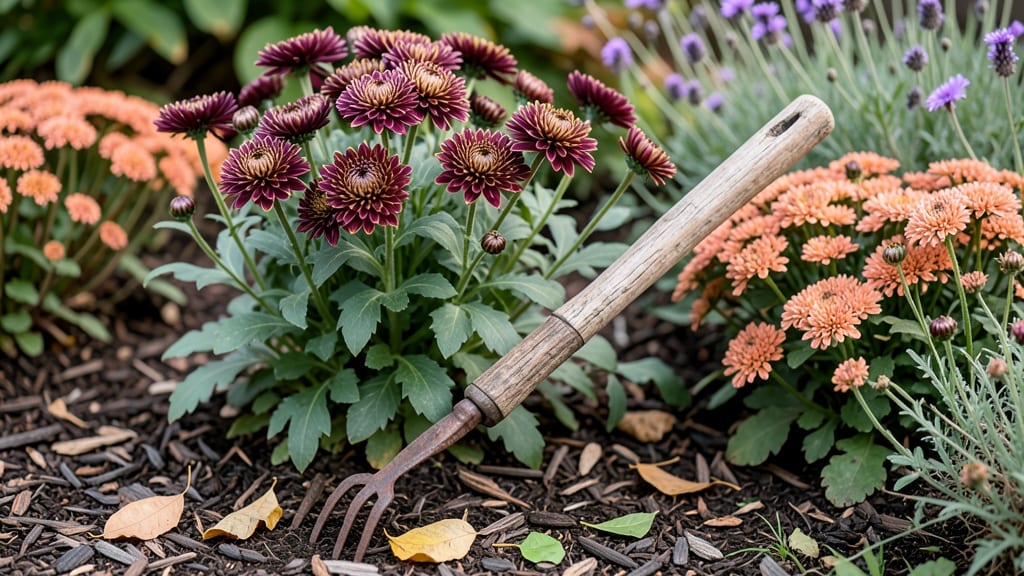
Fall flower beds aren’t just pretty—they’re the secret to season-long color that keeps your garden vibrant long after summer fades. 🌿 I used to think autumn meant dull browns and wilting greens, but swapping in dwarf chrysanthemums, fiery asters, and ornamental grasses completely changed that.
These plants thrive when others fade, giving you bold hues from September through frost.
The magic is in the layers: tall grasses like Little Bluestem (2 feet) pair perfectly with mid-height Goldenrod (3 feet) and low Sedum (6 inches). This creates depth while keeping maintenance simple—no deadheading required.
My front bed stays lush with just weekly watering and an occasional trim, and the colors shift beautifully as the season progresses.
Imagine walking past a bed where deep burgundy asters contrast against golden sedum, all framed by feathery grasses swaying in the breeze. The best part? These dwarf varieties stay compact, so they work in small spaces, containers, or even window boxes.
You’ll get that cozy fall vibe without sacrificing structure or care.
Whether you’re going for a wildflower meadow look or a polished cottage garden, these plants adapt easily. Start with just a few varieties to test what thrives in your light, then expand next year. The key is mixing textures and heights—your eyes (and neighbors) will thank you.
📚 In This Guide
- What you need
- Instructions
- Tips and common mistakes
- Wrapping up and next steps
What you need
- ● Dwarf fall-blooming plants (5–10 per bed): Mums (Chrysanthemum) – 3–5 varieties (e.g., 'Jolanda,' 'Dynamite')
- ● Asters (Aster novae-angliae) – 2–3 (e.g., 'Andenken an Alma Potschke')
- ● Sedum (Sedum 'Autumn Joy') – 2–3 for texture
- ● Ornamental grasses (e.g., Carex or Pennisetum) – 1–2 clumps
- ● Soil amendments: Compost (1–2 bags, 40–60 lbs each)
- ● Slow-release fertilizer (10–20 lbs, 10-10-10 or 12-12-12 NPK)
- ● Mulch: Shredded bark or straw (2–3 cubic feet per 10 sq ft bed)
- ● Garden stakes or labels: 50–100 (for plant identification)
- ● Garden trowel or hand shovel
- ● Pruners (bypass or anvil type)
- ● Garden fork (for aerating soil)
- ● Wheelbarrow or bucket (for hauling soil/amendments)
- ● Measuring tape (10–25 ft)
- ● Gloves (heavy-duty for digging)
- ○ Optional: Soil pH test kit (to check acidity/alkalinity)
- ● Sunlight assessment: Full sun (6+ hours/day) or partial shade (3–6 hours) for your bed location.
- ● Well-draining soil (amend clay soil with sand or perlite if needed).
- ● Water source (hose with nozzle or drip irrigation system).
- ● Pro tip: 💡 Plan your color palette—mix warm tones (oranges, reds) with cool purples/pinks for contrast!
How to design fall flower beds with dwarf varieties
Here's how to create vibrant, low-maintenance autumn displays that thrive without towering over your space.
🌱 Step 1: Choose Dwarf Varieties for Season-Long Interest
Start by selecting dwarf varieties that bloom from early fall through frost. Mums like 'Autumn Joy' (dwarf version) and 'Purple Gem' provide bold color, while ornamental kale ('Dwarf Blue Curled') adds texture. Mix in hardy asters ('Alpine Beauty') and pansies ('Cool Wave Series') for continuous blooms.
I always check plant tags for mature height—stick to varieties labeled "dwarf" or "compact," typically under 18 inches tall. This ensures they won't overwhelm smaller garden spaces or require constant deadheading. Group plants by height to create natural layers: tallest in back, medium in middle, and shortest at the front.
🪴 Step 2: Prepare the Soil for Fall Planting Success
Test your soil's drainage first—fall beds need excellent drainage to prevent root rot during cooler, wetter weather. Amend heavy clay with 2-3 inches of compost and 1 inch of perlite per square foot. For sandy soil, mix in 1 inch of peat moss to retain moisture.
Work the amendments into the top 6 inches of soil, breaking up any compacted layers. I like to add a slow-release fertilizer (10-10-10) at planting time to give roots a nutrient boost as temperatures drop. This prevents fall-planted flowers from struggling to establish before winter sets in.
☀️ Step 3: Plant in Staggered Rows for Continuous Bloom
Arrange plants in 3-4 inch deep holes, spaced 12-18 inches apart depending on mature size. Dig holes twice as wide as the root ball to encourage root spread. Place each plant so the top of the root ball sits just below soil level—this prevents stem rot during fall rains.
Here's the trick: plant early bloomers (like asters) in the back, mid-season (mums) in the middle, and late-season (pansies) in front. This creates a cascading effect where one variety fades just as another peaks. Water deeply after planting to settle soil around roots, then mulch with 2 inches of shredded bark to protect from temperature swings.
💧 Step 4: Water and Maintain for Frost Resistance
Water newly planted beds twice weekly until established (about 4-6 weeks), then reduce to once weekly unless rainfall is scarce. In fall, morning watering prevents fungal diseases that thrive in evening moisture. I always check soil moisture by feeling 2 inches below the surface—if it's dry, water thoroughly.
Deadhead spent blooms weekly to encourage new flowers, but leave seed heads on ornamental kale and grasses for winter interest. Apply a light layer of compost around plants in late fall to feed roots as they prepare for dormancy. This simple step keeps plants healthier through winter and ready to rebound in spring.
Tips & tricks for perfect fall flower beds
Creating stunning fall displays takes more than just planting flowers—it's about smart planning and a few gardening secrets that make all the difference.
Layering for Visual Impact: In Step 3, when arranging your plants, think of it like painting a landscape. The tallest varieties like 'Autumn Joy' mums should go in the back row to create a natural backdrop, while shorter varieties like pansies and ornamental kale should spill forward. This creates depth and makes your bed look fuller. I like to add a third layer with trailing plants like creeping thyme at the very front to soften the edges.
Soil Prep Shortcut: If you're working with heavy clay soil like I often do, mix in 1 inch of coarse sand along with the recommended perlite to improve drainage even more. This simple addition prevents waterlogging during fall rains, which can cause root rot. For sandy soils, add 1 inch of coconut coir instead of peat moss—it retains moisture better and breaks down more slowly.
Frost Protection Hack: In Step 4, after applying your mulch, consider adding a layer of straw or leaf litter around the base of your plants in late fall. This extra insulation helps protect tender roots from temperature swings that can occur overnight. Just make sure to remove it in early spring before new growth appears.
Pro Tips for Fall Flower Beds
- Creating stunning fall displays takes more than just planting flowers—it's about smart planning and a few gardening secrets that make all the difference.
- Layering for Visual Impact: In Step 3, when arranging your plants, think of it like painting a landscape.
- Soil Prep Shortcut: If you're working with heavy clay soil like I often do, mix in 1 inch of coarse sand along with the recommended perlite to improve drainage even more.
Frequently asked questions
Got questions about creating stunning fall flower beds? You’re not alone! Here are answers to the most common queries to help you plan like a pro.
What are the best dwarf flowers for fall color?
Dwarf varieties like Coreopsis ‘Moonbeam’, Salvia ‘May Night’, and Sedum ‘Autumn Joy’ thrive in fall. They’re compact, low-maintenance, and pack a punch with vibrant hues. Pair them with ornamental grasses (e.g., Miscanthus) for texture and height contrast.
When should I plant fall flowers?
For most regions, aim to plant 6-8 weeks before the first frost (late summer to early fall). This gives roots time to establish before winter. Check your USDA zone for precise timing—cooler climates may need earlier planting.
Can I use annuals in fall flower beds?
Annuals like Marigolds, Zinnias, and Pansies add instant color. Opt for cool-season varieties (e.g., Snapdragons) for late-season blooms. Mix them with perennials for a seamless transition into winter.
How do I protect fall flowers from frost?
Use row covers or lightweight frost cloth for sensitive plants. Mulch the base with straw or shredded leaves to insulate roots. Avoid heavy mulch—it can smother tender stems. Elevate containers slightly to prevent waterlogging.
What’s the easiest way to extend fall blooms?
Deadhead spent blooms regularly to encourage new growth. Add a balanced fertilizer (like 10-10-10) in early fall. Choose long-blooming varieties (e.g., Rudbeckia ‘Goldsturm’) and group plants with staggered bloom times for continuous color.
Can I reuse last year’s soil for fall plantings?
Yes, but refresh it! Amend with compost or aged manure to replenish nutrients. Test soil pH (aim for 6.0–7.0 for most flowers). Avoid over-fertilizing—fall plants need steady, not sudden, nourishment.
Wrapping up and next steps
Creating stunning fall flower beds with dwarf varieties is all about embracing the season’s charm while keeping maintenance simple. With the right plants, thoughtful design, and a little seasonal care, you’ll enjoy vibrant blooms from early autumn through frost.
The key? Start small, experiment with textures, and let nature do the work—your garden will reward you with effortless beauty.
Ready to transform your outdoor space? Grab your gloves, sketch a quick design, and dive in! 🌿 Whether you’re a beginner or a seasoned gardener, every season is the perfect time to make your flower beds shine.