
Propagation
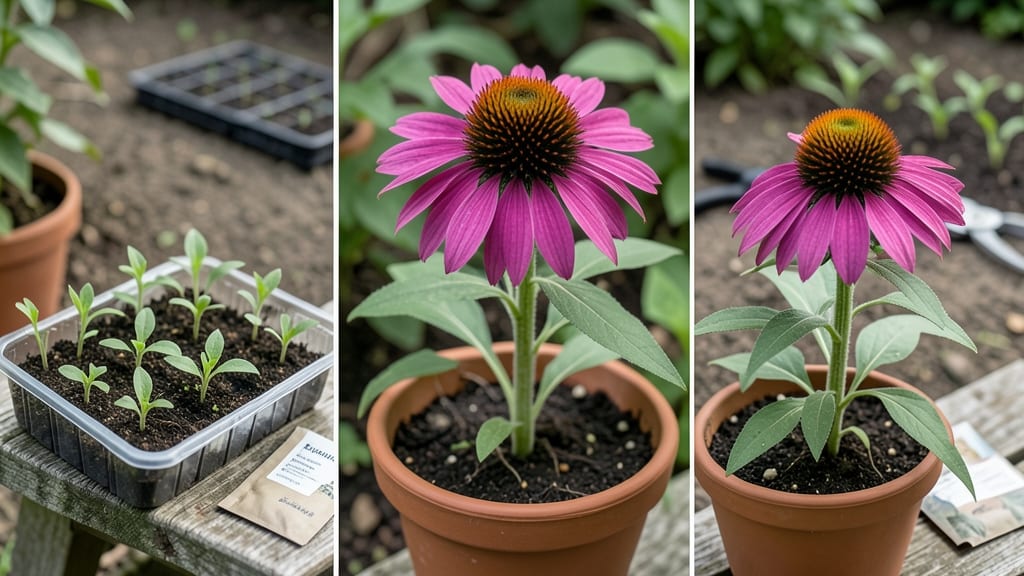
The secret to speedy coneflower seeds germination isn’t magic—it’s about mimicking their wild habits. 🌱 I’ve learned the hard way that skipping these steps means waiting months instead of weeks for those first purple spikes to appear.
The secret starts with a warm, damp environment that tricks seeds into thinking spring has arrived, even in your windowsill or greenhouse.
You only need three things: a shallow tray with drainage, a mix of potting soil and perlite, and patience (though the waiting gets shorter with these tricks). Sow seeds just below the surface in late winter, keeping them consistently moist but never soggy.
A heat mat set to 70°F speeds things up dramatically—my seeds sprouted in 10 days instead of the usual six weeks.
Once those first leaves unfurl, you’ll know you’re on track for stocky, vibrant seedlings. Thin them carefully to 3 inches apart, and they’ll grow strong enough to transplant outdoors after the last frost. The payoff? A garden bursting with long-lasting blooms that hummingbirds can’t resist.
This method works whether you’re starting seeds in February or direct-sowing in early spring. The key is consistency—once you nail the moisture and warmth, germination becomes foolproof. Ready to skip the waiting game?
📚 In This Guide
- What you need
- Instructions
- Tips and common mistakes
- Wrapping up and next steps
What you need
- ● Coneflower seeds: High-quality, fresh seeds (preferably from a trusted supplier). Quantity: 10–50 seeds (depending on desired plant count).
- ● Varieties: Choose from Echinacea purpurea, Echinacea pallida, or Echinacea paradoxa.
- ● Seed-starting trays or pots: Size: 2–4 inches deep (with drainage holes).
- ● Material: Plastic or biodegradable (e.g., peat pots).
- ● Quantity: 1 tray or 6–12 small pots.
- ● Seed-starting mix: Type: Lightweight, sterile potting mix (avoid garden soil).
- ○ Optional boost: Add perlite or vermiculite (10–20%) for aeration.
- ● Watering can or spray bottle: Fine mist nozzle recommended for gentle watering.
- ● Plastic wrap or humidity dome: Purpose: Retains moisture during germination.
- ● Grow lights or sunny windowsill: Light source: 12–16 hours of light daily (grow lights preferred for consistency).
- ○ Thermometer (optional but helpful): Range: 65–75°F (18–24°C) for optimal germination.
- ● Seedling heat mat: Speeds up germination in cooler climates (70–75°F ideal).
- ● Fertilizer (diluted): Balanced, water-soluble fertilizer (e.g., 5-5-5) after sprouts emerge.
- ● Labeling tags: Track varieties and planting dates!
- ● Fungicide (preventative): For damp conditions (e.g., neem oil or copper fungicide).
Step-by-Step instructions for germinating coneflower seeds
Here's how to coax those stubborn coneflower seeds into sprouting faster than ever.
🌱 Step 1: Prep Seeds for Maximum Germination
Coneflower seeds have tough outer shells that slow germination. I like to soak them overnight in warm water to soften the coating—just place them in a small bowl and cover completely. The water should feel lukewarm, not hot. Let them soak for 12-24 hours until they look slightly plumped up.
Here's the thing—don't skip this step. Skimping on the soak time means seeds may take 3-4 weeks to germinate instead of the 10-14 days you'll get with proper preparation. Drain the seeds well before planting, then let them air-dry on a paper towel for about 30 minutes to prevent rot.
💧 Step 2: Plant at the Right Depth and Moisture
Fill your seed trays or small pots with moistened seed-starting mix—coneflowers hate dry soil. Press the mix down gently so it's firm but not compacted. Plant the prepped seeds ¼ inch deep, spacing them ½ inch apart in rows. I use a small spoon to make tiny holes and drop one seed per hole—this prevents overcrowding later.
Water gently with a spray bottle until the surface looks evenly damp but not soaked. The key is keeping moisture consistent without creating a soggy mess. Place the tray in a clear plastic bag or cover it with plastic wrap to trap humidity. This creates a mini greenhouse effect that speeds up germination.
☀️ Step 3: Provide Warmth and Indirect Light
Coneflower seeds germinate best in warm soil—aim for 70-75°F. A seedling heat mat set to 75°F works wonders if your home runs cooler. Place the tray on the heat mat and keep it in a bright, indirect light spot. Too much direct sun now will dry out the soil before seeds sprout.
Check daily for moisture—you'll see condensation on the plastic cover. If it looks dry, mist the soil lightly. Watch for tiny green sprouts in 7-14 days. Once you see the first true leaves (not the initial seed leaves), remove the plastic immediately to prevent damping-off disease.
🌿 Step 4: Thin and Transplant Seedlings
When seedlings reach 2 inches tall, it's time to thin. Use small scissors to snip the weakest stems at soil level, leaving the strongest plant in each spot. Coneflowers need space to grow—thin to 3-4 inches apart in the tray. This prevents competition and gives roots room to expand.
After 4-6 weeks, when seedlings have 3-4 true leaves, transplant them outdoors or into larger pots. Choose a cloudy day to avoid transplant shock. Water deeply after planting to help roots establish. Here's the secret: don't fertilize yet—coneflowers prefer lean soil at first and will burn if overfed.
Tips & tricks for perfect coneflower seed germination
Here's what nobody tells you about getting those coneflower seeds to sprout faster than the neighbors.
Soaking Strategy: The 12-24 hour soak is your secret weapon—don't rush it! I've learned the hard way that cutting this short means seeds take twice as long to germinate. Use a bowl of lukewarm water (not hot) and let the seeds sit completely submerged. You'll know they're ready when they look slightly puffed up. Pro move: Add a pinch of sea salt to the soak water to prevent bacterial growth during those critical hours.
The Humidity Hack: When you cover your planted seeds with plastic wrap in Step 2, don't just slap it on—create a proper greenhouse. Press the plastic gently against the soil to eliminate air pockets, then secure it with clothespins. This maintains consistent humidity at the soil surface, which is crucial for those tiny seeds to push through. Check daily for condensation—if it's gone, mist lightly and reseal. The goal is to keep that soil surface damp like a wrung-out sponge.
Light Positioning: That bright, indirect light in Step 3 is non-negotiable. Place your seed tray within 6 inches of a north-facing window or under grow lights on a timer for 12-14 hours daily. Too much direct sun now will dry out the soil before seeds even sprout. I've seen trays placed under harsh afternoon sun where seeds never emerged—they simply dried out before they could break through. If your home lacks good natural light, invest in a simple LED grow light for just a few dollars.
Thinning Timing: Wait until seedlings reach exactly 2 inches tall before thinning in Step 4—any earlier and you risk damaging the delicate roots of your stronger plants. Use sharp scissors (not your fingers) to snip at soil level, and do this on a cloudy day to reduce transplant shock. The 3-4 inch spacing gives roots room to establish before they compete for nutrients. Here's the thing: coneflowers are tough once established, but they need this head start to thrive.
Pro Tips for Coneflower Seeds Germination
- Here's what nobody tells you about getting those coneflower seeds to sprout faster than the neighbors.
- Soaking Strategy: The 12-24 hour soak is your secret weapon—don't rush it!
- The Humidity Hack: When you cover your planted seeds with plastic wrap in Step 2, don't just slap it on—create a proper greenhouse.
Frequently asked questions
Got questions about getting those coneflower seeds to sprout like a pro?
You’re in the right place! Here are answers to the most common queries—no fluff, just fast-growing wisdom to help your garden thrive.
How long does it take for coneflower seeds to germinate?
Patience is key! Coneflower seeds typically sprout in 14–30 days under ideal conditions (warmth, moisture, and light). If your soil stays consistently moist and temperatures hover around 70–75°F (21–24°C), you’ll see those first green shoots sooner. Cold stratification (chilling seeds) can speed things up for slower varieties.
Do coneflower seeds need cold stratification to germinate?
Yes—but not always! While cold stratification (6–8 weeks in the fridge) mimics winter and breaks dormancy for many coneflower seeds, some varieties (like Echinacea purpurea) germinate fine without it. If your seeds are fresh or untreated, try stratification for better results. For older seeds, soak them overnight in warm water first.
What’s the best way to keep coneflower seeds moist during germination?
Overwatering is the enemy! Use a spray bottle to mist seeds lightly, keeping the soil consistently damp (not soggy). Place trays on a humidity dome or cover with plastic wrap to retain moisture, but remove the cover daily to prevent mold. A seed heating mat (70°F) can also help maintain warmth and moisture levels.
Can I direct-sow coneflower seeds outdoors, or should I start them indoors?
Both work, but timing matters! For indoor starts, sow seeds 8–10 weeks before your last frost date. For direct sowing, wait until soil temps reach 50°F (10°C) and all frost risk has passed—spring or early summer is ideal. Coneflowers hate transplanting, so outdoor sowing often yields better survival rates.
Why aren’t my coneflower seeds germinating? Troubleshooting tips!
Don’t panic—here’s a quick checklist:
Too cold? Move trays to a warmer spot (70–75°F is perfect).
Too dry? Increase humidity or use a spray bottle daily.
Old seeds? Test viability by soaking in water—floaters are dead.
Fungal issues? Reduce moisture and add a fungicide if mold appears.
Light needs? Coneflowers need light to germinate—don’t bury seeds deeper than ¼ inch.
If all else fails, try fresh seeds or a new batch of soil!Wrapping up and next steps
Growing coneflower from seeds is a rewarding journey—with the right patience and care, you’ll soon enjoy vibrant blooms that attract pollinators to your garden! 🌸 Remember, consistency in moisture, proper light, and a little warmth are your best allies for fast and healthy germination.
Once your seedlings sprout, it’s time to transplant them into your garden or containers and watch your coneflower garden thrive.
Ready to take the next step? Start by preparing your soil, choosing the perfect spot, and giving your young coneflowers the love they deserve. Happy gardening! 🌱