
Tools
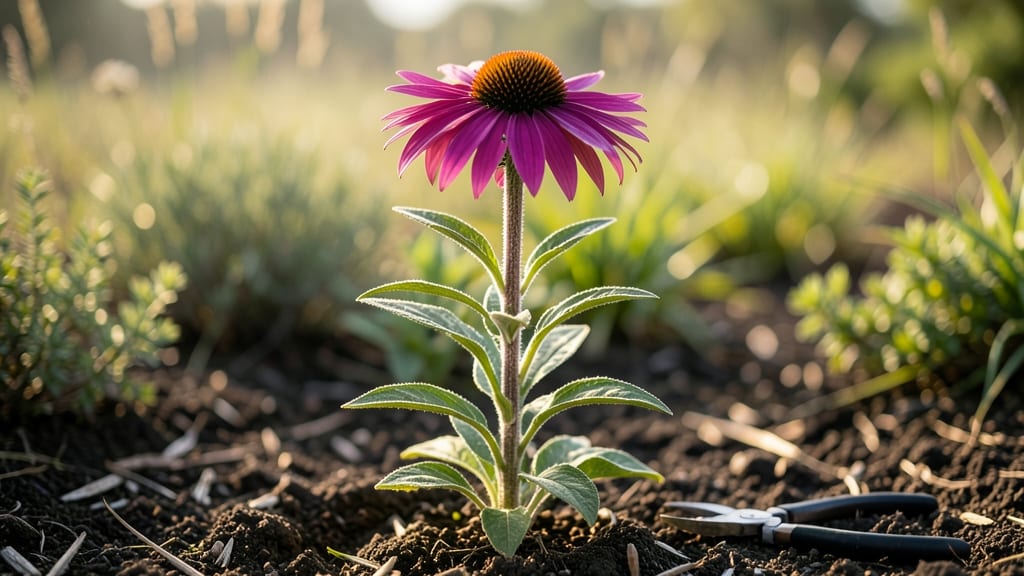
Coneflowers in garden design aren’t just about pretty blooms—they’re the backbone of a buzzing, low-maintenance ecosystem that thrives on its own. 🌻 I’ve designed pollinator gardens where these tough perennials anchor the space, drawing bees, butterflies, and hummingbirds with their nectar-rich flowers while demanding next to no effort from me.
The secret lies in pairing them with the right neighbors: grasses that sway in the breeze, wildflowers that self-seed, and shrubs that provide structure without stealing the spotlight.
Start with three key principles: height variation (tall coneflowers in back, shorter companions in front), contrasting textures (feathery grasses beside velvety foliage), and seasonal interest (adding spring bulbs or fall asters). My go-to combo?
Purple coneflowers with Russian sage for height, black-eyed Susans for color contrast, and sedum for late-season blooms. The result? A garden that looks intentional but feels effortless—no deadheading, no fuss, just year-round beauty.
What you’ll end up with is a garden that hums with life while requiring minimal upkeep. Imagine bees hovering over deep pink blooms in July, monarchs sipping nectar in August, and birds feasting on the seed heads in winter.
The coneflowers themselves stay vibrant for six to eight weeks, and their sturdy stems hold up through rain and wind. Even in drought years, they bounce back, proving that beauty and resilience go hand in hand.
This approach works for any garden size—whether you’re filling a sunny corner, lining a pathway, or creating a full pollinator meadow. The same rules apply whether you’re in Zone 4 or Zone 8: focus on companions that thrive in your climate, and let the coneflowers take center stage.
Ready to design a garden that’s as functional as it is stunning?
📚 In This Guide
- What you need
- Instructions
- Tips and common mistakes
- Wrapping up and next steps
What you need
- ● Coneflower plants (Echinacea spp.) – Choose between Echinacea purpurea (purple), Echinacea pallida (pale pink), or Echinacea atrorubens (dark red). Buy 3–5 plants for a small garden or 10+ for larger spaces.
- ● Well-draining garden soil – Coneflowers thrive in loamy, slightly acidic soil (pH 6.0–7.0). Amend heavy clay with compost (2–3 inches mixed into topsoil).
- ● Organic mulch – 2–3 inches of shredded bark, straw, or pine needles to retain moisture and suppress weeds.
- ○ Balanced fertilizer (optional) – A 10-10-10 or 5-10-10 NPK blend applied once in early spring (follow package rates).
- ● Garden trowel or hand shovel – For digging small holes (12–18 inches deep).
- ● Garden fork or spade – To loosen soil in larger planting areas.
- ● Watering can or hose with a gentle spray nozzle – Coneflowers need 1–1.5 inches of water per week (drip irrigation is ideal).
- ● Pruning shears – For trimming dead foliage in late winter/early spring.
- ○ Gloves (optional) – To protect hands from thorny stems or rough mulch.
- ● Sunlight – Full sun (6+ hours daily) is a must for vibrant blooms.
- ● Spacious planting area – Space plants 18–24 inches apart for optimal airflow.
- ● Patience – Coneflowers may take 2–3 years to reach full maturity but reward you with years of low-maintenance beauty!
Step-by-step instructions for planting a thriving coneflower pollinator garden
Here's how to create a vibrant, low-maintenance coneflower display that hummingbirds and bees will love.
🌱 Step 1: Choose Your Planting Location and Soil
Coneflowers thrive in full sun—select a spot that gets at least 6-8 hours of direct sunlight daily. They tolerate a range of soil types but prefer well-draining soil with a slightly acidic to neutral pH (6.0-7.5). If your soil is heavy clay, mix in 2-3 inches of compost to improve drainage and fertility.
Here's the thing—coneflowers are tough, but they won't perform well if waterlogged. If your garden has poor drainage, consider planting on a slight mound or in raised beds. You'll see the difference in healthier stems and more abundant blooms.
🌿 Step 2: Plant Coneflower Starts or Seeds at the Right Time
For the best results, plant coneflower starts in early spring after the last frost date or sow seeds directly in the garden in late spring or early summer. If starting from seed, scatter them on the soil surface—don't cover them, as they need light to germinate. Press them lightly into the soil and water gently.
Real talk: Coneflower seeds can be slow to germinate, often taking 2-4 weeks to sprout. Keep the soil consistently moist but not soggy during this time. Once seedlings emerge, thin them to 12-18 inches apart to give them room to grow. You'll notice stronger, more robust plants when they have adequate space.
☀️ Step 3: Water and Fertilize for Healthy Growth
Water newly planted coneflowers 1-2 times per week, providing about 1 inch of water per week. Once established, they're drought-tolerant, but consistent moisture during the first growing season encourages strong root development. Water at the base of the plant in the morning to reduce fungal diseases.
I like to fertilize coneflowers lightly in early spring with a balanced, slow-release fertilizer (10-10-10). Avoid over-fertilizing, as this can lead to excessive foliage growth at the expense of flowers. You'll see the best blooms when you let the plant focus its energy on flowering rather than leaf production.
✂️ Step 4: Deadhead and Maintain for Continuous Blooms
To encourage more flowers, deadhead spent blooms by cutting back the flower heads to just above the first set of healthy leaves. This simple step signals the plant to produce new blooms instead of setting seed. You'll notice a second flush of flowers in late summer if you deadhead regularly.
In late fall or early winter, cut back the stems to 2-3 inches above the ground. This helps keep the garden tidy and allows the plant to focus its energy on root growth during the dormant season. Coneflowers are perennials, so they'll return year after year with proper care.
Tips & tricks for perfect coneflower plantings
Here's what nobody tells you about growing coneflowers that actually work in real gardens.
Sunlight Strategy: While coneflowers tolerate partial shade, they'll reward you with the most vibrant blooms when planted in that 6-8 hours of full sun window. I've seen dramatic differences in flower size and color intensity between plants getting morning sun versus afternoon sun—morning light seems to work best for these perennials. If your garden has limited sun, prioritize the sunniest spot for your healthiest plants.
Soil Science: The 2-3 inches of compost recommendation isn't just about drainage—it's about creating the perfect microbial environment. Coneflowers have symbiotic relationships with beneficial soil fungi that help them absorb nutrients. Work that compost into the top 6 inches of soil rather than just spreading it on top for maximum benefit. For heavy clay soils, consider mixing in some coarse sand or perlite to improve aeration.
Germination Patience: Those 2-4 weeks until germination might feel like forever, but it's crucial not to give up. I've found that covering the seed bed with a thin layer of straw mulch helps maintain consistent moisture while preventing soil crusting that can smother emerging seedlings. Mark your planting spots with small stakes so you don't accidentally disturb them during watering.
Deadheading Technique: When deadheading in Step 4, aim to cut back to just above the first set of healthy leaves where the flower stem meets the main stem. This encourages new growth from that node rather than from the base. I've noticed plants deadheaded this way produce their second flush of blooms about 6-8 weeks after the first flowers fade—right when many other perennials are winding down for the season.
Pro Tips for Coneflower In Garden
- Here's what nobody tells you about growing coneflowers that actually work in real gardens.
- Sunlight Strategy: While coneflowers tolerate partial shade, they'll reward you with the most vibrant blooms when pla...
- Soil Science: The 2-3 inches of compost recommendation isn't just about drainage—it's about creating the perfect micr...
Frequently asked questions
Got questions about adding coneflowers to your garden? You’re not alone! Here are some of the most common queries—and their simple, expert-backed answers—to help you create a thriving pollinator-friendly space with ease.
What’s the best time of year to plant coneflowers?
Coneflowers are tough as nails! Plant them in early spring (as soon as the soil is workable) or early fall (6–8 weeks before your first frost). This gives roots time to establish before extreme heat or cold hits. Pro tip: If you’re in a warm climate, avoid planting in peak summer—drought stress can slow them down.
Do coneflowers need full sun, or can they tolerate shade?
While coneflowers love full sun (6+ hours daily) for the biggest, boldest blooms, they’re surprisingly adaptable. In partial shade (4–6 hours of sun), they’ll still thrive but may produce fewer flowers. For shady spots, opt for Echinacea purpurea (purple coneflower)—it handles lower light better than other varieties.
How often should I water coneflowers, and do they need fertilizer?
Once established (after the first year), coneflowers are drought-tolerant—water deeply once a week during dry spells. New plants need consistent moisture (about 1 inch per week). Skip the fertilizer! Coneflowers thrive in average soil and can even grow in poor conditions. Over-fertilizing leads to leggy stems and fewer blooms.
Why aren’t my coneflowers blooming this year?
No flowers? Don’t panic! Common culprits include:
- Too much shade: Move them to a sunnier spot.
- Overcrowding: Thin plants to 18–24 inches apart for better airflow.
- Old plants: Coneflowers often bloom less after 3–4 years. Dig up and divide clumps in early spring to rejuvenate them.
- Deadheading: Snip spent blooms to encourage more flowers.
Can I grow coneflowers in containers, or do they need a garden bed?
Coneflowers adapt well to containers as long as the pot is at least 12–14 inches deep (they have long taproots). Use a well-draining potting mix and place the container in full sun. Just remember: Container-grown coneflowers may need more frequent watering than those in the ground. Perfect for balconies or small spaces!
What’s the best companion plant for coneflowers?
Coneflowers play nicely with pollinator pals like:
- Bee balm (Monarda) – Attracts hummingbirds and butterflies.
- Black-eyed Susan (Rudbeckia) – Similar care, vibrant color contrast.
- Salvia – Drought-resistant and great for late-season blooms.
- Grasses (like Miscanthus) – Adds texture and movement.
Wrapping up and next steps
Incorporating coneflower into your garden isn’t just about adding beauty—it’s about creating a thriving pollinator paradise with minimal effort! These hardy, drought-resistant blooms attract bees, butterflies, and birds while demanding little from you.
Whether you’re a seasoned gardener or just starting out, coneflowers offer color, resilience, and eco-friendly charm—perfect for any outdoor space.
Ready to transform your garden? Start small—plant a few coneflowers this season and watch your yard buzz with life! 🌸 For even more inspiration, explore companion plants or creative container designs to elevate your pollinator-friendly oasis. Happy gardening!