
Aphids
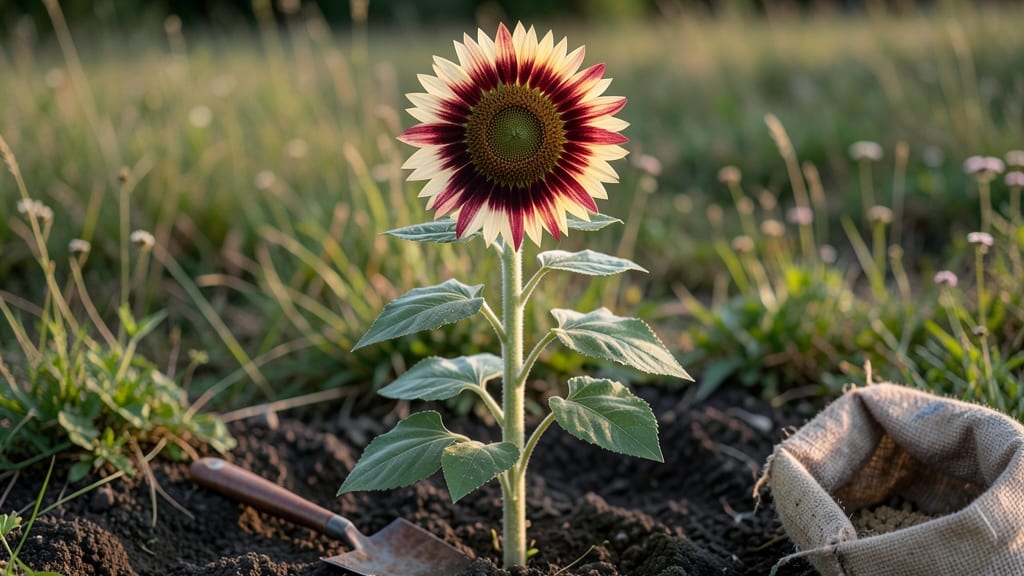
Bi-colored sunflowers bring a jaw-dropping pop of color that turns heads from spring to frost. 🌻 These aren’t your grandma’s single-hued blooms—they’re bold, two-toned statements that make every garden feel like a masterpiece.
I’ve used them to anchor flower beds, create dramatic borders, and even fill containers with eye-catching height, and the results are always show-stopping.
The secret to their year-round appeal? Three strategic trims—cutting back spent blooms in early fall, shaping them in late winter, and giving them a final prune in early summer. This keeps them producing fresh flowers while maintaining that striking, multi-colored foliage.
Even in small spaces, they command attention, whether planted alone or paired with deep purples, soft blues, or crisp whites.
What you’ll love most is how effortlessly they elevate any design. Their towering stems create vertical drama, while their bi-colored petals—think chocolate-and-cream or rust-and-gold—add depth to borders or contrast in containers.
Pair them with lavender for softness or salvia for texture, and you’ve got a combination that’s both bold and balanced.
No matter your garden style, these sunflowers adapt. They thrive in full sun, tolerate poor soil, and even handle light frost—making them the ultimate low-maintenance star. Ready to make your garden unforgettable? Let’s get planting!
📚 In This Guide
- What you need
- Instructions
- Tips and common mistakes
- Wrapping up and next steps
What you need
- ● Sunflower seeds: Choose bi-colored varieties like ‘Moulin Rouge’ or ‘Autumn Beauty’ (10–20 seeds per plant; 3–5 plants for a small garden).
- ● Well-draining potting mix: 5–10 gallons (sterilized to prevent pests like aphids).
- ● Containers or garden bed: Containers: 12–18" deep with drainage holes (1–2 plants per 5-gallon pot).
- ● Garden bed: Full sun (6+ hours daily) with loose, fertile soil (amend with compost if needed).
- ● Watering can or hose: With a gentle spray nozzle for seedlings.
- ● Pruning shears: Sharp, clean pair (sterilize with rubbing alcohol between cuts).
- ● Fertilizer: Balanced 10-10-10 or organic options like fish emulsion (follow package rates).
- ● Pest control: Neem oil or insecticidal soap (for aphid prevention—your nemesis!).
- ● Garden stakes or trellis: For tall varieties (e.g., ‘Russian Giant’ hybrids).
- ● Grow lights: LED full-spectrum for indoor seedlings (12–16 hours/day).
- ● Mulch: Straw or shredded leaves to retain moisture and suppress weeds.
- ● Sunflower companion plants: Marigolds (repel pests) or basil (enhances flavor if harvesting leaves).
- ● Growth regulator: For controlling height in small spaces (e.g., Pacific Giant).
How to cultivate striking bi-colored sunflowers through seasonal pruning
Here's the method I've used to coax vibrant bicolor blooms from sunflowers—no fancy hybrids needed.
🌱 Step 1: Select and Plant the Right Varieties
Start with classic sunflower varieties like 'Moulin Rouge' or 'Autumn Beauty'—these naturally develop bicolor patterns when given the right growing conditions. Plant seeds ½ inch deep in well-draining soil after your last frost date, spacing them 12-18 inches apart in full sun for best results.
Sunflowers thrive in 60-70°F soil temperatures, so wait until the ground warms before planting. I always test soil readiness by pressing my finger into the ground—if it feels cool to the touch, wait a few more days. The key to bicolor development lies in how you manage their growth, not just the variety you choose.
☀️ Step 2: Provide Consistent Sunlight and Water
Sunflowers need 6-8 hours of direct sunlight daily to develop their signature bicolor patterns. If you notice stems leaning toward the light, rotate the plants a quarter turn every few days to encourage even growth. The more sunlight they receive, the more vibrant the color contrast becomes.
Water deeply once a week, providing 1-2 inches of water per week. Let the top 2 inches of soil dry out between waterings to prevent root rot. You'll see the bicolor effect intensify when the plants receive consistent moisture without becoming waterlogged—this balance is everything.
✂️ Step 3: First Trim to Encourage Bicolor Development
When the main stem reaches 3-4 feet tall and shows 4-6 true leaves, perform your first strategic trim. Cut back the top 6-8 inches to encourage lateral branching. This is where the magic happens—the plant redirects energy to side shoots, which often develop the striking bicolor patterns.
Here's the thing—don't trim too late. If you wait until the plant is over 5 feet tall, you'll miss the window for optimal bicolor development. Watch for the stem to thicken and leaves to darken slightly—these are your cues that the plant is ready for its first haircut.
🌿 Step 4: Second Trim for Extended Blooming Season
About 6-8 weeks after the first trim, when you see new side shoots reaching 12-18 inches tall, perform your second trim. Cut back these side shoots by half their height to stimulate even more branching. This is what extends your blooming season—sunflowers will keep producing new flowers as long as you keep them trimmed properly.
After this trim, you'll notice the plant becomes bushier and more compact. The bicolor patterns on the new flowers will be more pronounced because the plant is focusing its energy on producing vibrant blooms rather than just height. Keep an eye out for flowers that develop deep red centers with yellow petals—the classic bicolor look.
⏰ Step 5: Final Trim for Winter Interest
In late fall, when the first frost threatens, perform your final trim. Cut back the entire plant to 12-18 inches tall and leave the stems in place. This winter trim encourages new growth in spring and provides structure for next year's blooms. The dried stems also add winter interest to your garden.
Here's what I do next: I collect the dried flower heads and hang them upside down in a dry, dark place. In early spring, I'll replant the seeds from these dried heads—it's a free way to get next year's sunflowers started. The bicolor patterns often carry over to the next generation, so you'll have striking blooms year after year with minimal effort.
Tips & tricks for perfect bi-colored sunflowers
Real talk: The secret to those jaw-dropping bicolor sunflowers isn't just luck—it's timing and technique. Here's what I've learned after years of watching these plants transform.
Soil Temperature Matters: Those 60-70°F soil temperatures in Step 1 aren't just arbitrary—they're the sweet spot for root development. I've found that using a soil thermometer for a few days before planting gives me the confidence to time it perfectly. If your soil runs cooler, consider using black plastic mulch to warm it up faster. The roots need this warmth to establish quickly, which sets the stage for that vibrant bicolor development later.
Light Rotation Technique: That quarter turn every few days in Step 2 makes all the difference. I've seen plants grow lopsided when left unrotated, and the bicolor patterns suffer as a result. Here's my trick: Set a reminder on your phone for every 3-4 days to rotate them—it only takes 30 seconds but prevents that awkward leaning that can throw off the color development. Think of it like giving your sunflowers a gentle massage to keep them balanced.
Trim Timing is Everything: The 6-8 inch cut in Step 3 might seem drastic, but timing is critical. I've learned to watch for that stem thickening and leaf darkening—it's nature's way of saying "Now's the time!" Cutting too early means you're not getting maximum lateral branching, while waiting too long means you're missing the prime window for bicolor development. The key is to make that first cut when the plant is strong enough to handle the shock but not so tall that it's already committed to vertical growth.
Winter Trim Hack: That final 12-18 inch trim in Step 5 isn't just about winter interest—it's about next year's foundation. I've noticed that plants I've winter-trimmed tend to produce even more vibrant bicolor patterns the following season. The reason? That dramatic cut forces the plant to redirect all its energy to the base, creating a stronger root system for next year's blooms. It's like giving your sunflowers a fresh start while they're still dormant.
Pro Tips for Bi Colored Sunflowers
- Real talk: The secret to those jaw-dropping bicolor sunflowers isn't just luck—it's timing and technique.
- Soil Temperature Matters: Those 60-70°F soil temperatures in Step 1 aren't just arbitrary—they're the sweet spot for root development.
- Light Rotation Technique: That quarter turn every few days in Step 2 makes all the difference.
Frequently asked questions
Got questions about growing and maintaining bi-colored sunflowers?
Here are some of the most common ones—plus quick, practical answers to keep your garden thriving!
Why do my sunflowers only have one color instead of bi-colored?
Bi-colored sunflowers (like the classic "Lemon Queen" or "Moulin Rouge") need proper care to develop their signature two-tone blooms. If yours are single-colored, check for aphid infestations (especially on new growth), nutrient deficiencies (like low nitrogen or phosphorus), or overwatering, which can stress plants. Trim damaged leaves and adjust watering to encourage vibrant blooms.
How long does it take for bi-colored sunflowers to bloom after planting?
Most bi-colored sunflower varieties bloom in 60–90 days from seed, depending on the cultivar and growing conditions. For faster blooms, start seeds indoors 4–6 weeks before the last frost or choose dwarf varieties (like "Teddy Bear"), which mature quicker. Warm soil (60°F+) and full sun (6+ hours/day) speed up the process!
Can I trim bi-colored sunflowers to encourage more blooms, or will it ruin their color?
Strategic trimming enhances bi-colored blooms—just follow the 3-trim method in the article. Deadhead spent blooms (cut 1–2 inches below the flower) to redirect energy to new growth. Avoid heavy pruning mid-season, as this can dilute pigment intensity. For maximum color vibrancy, trim early in the morning when plants are hydrated.
Are bi-colored sunflowers more prone to aphids than single-colored ones?
Yes! The bright, contrasting petals of bi-colored varieties can attract aphids (especially green peach aphids) more than solid-colored blooms. Monitor undersides of leaves and new shoots weekly. Combat them with neem oil spray, ladybugs, or a strong spray of water. Resistant varieties like "Autumn Beauty" are a great alternative if aphids are a recurring issue.
Can I grow bi-colored sunflowers in containers, or do they need a garden bed?
Container-growing is totally doable! Choose dwarf or semi-dwarf varieties (like "Moulin Rouge" or "Sunspot") and use pots at least 12 inches deep with drainage holes. Ensure the container gets full sun and use a lightweight, well-draining potting mix. For extra stability, stake taller varieties or place containers near a fence for support. Just avoid overcrowding—space plants 6–12 inches apart.
Wrapping up and next steps
Bi-colored sunflowers aren’t just a stunning addition to your garden—they’re a year-round blooming powerhouse when you master the art of strategic trims! 🌻 With the right tools, timing, and techniques, you can keep these vibrant beauties thriving, even as seasons shift.
Whether you’re battling aphids or simply extending their bloom time, the key lies in consistent care and patience.
Ready to transform your garden into a sunflower paradise? Start by grabbling those pruners and putting your new skills into action—your first trim is just a few weeks away! 🌱 For extra inspiration, explore sunflower care guides or join gardening forums to share your progress. Happy trimming!