
Planting
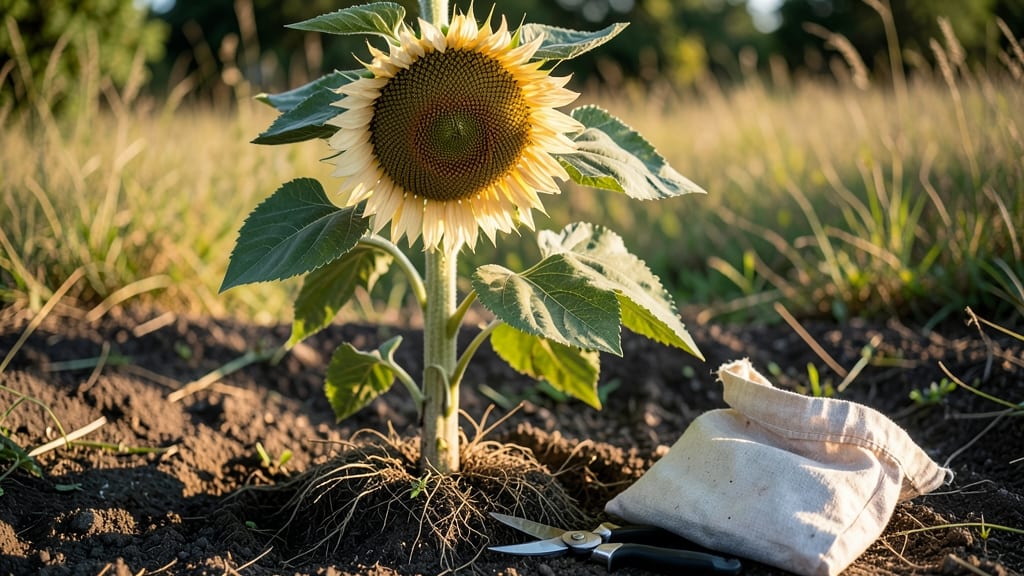
There’s nothing like watching a giant sunflower plant seeds sprout into a 20-foot tower of golden sunshine—right in your backyard. 🌻 I’ve grown these sunflowers for years, and the first time I saw one reach over my garage... roof, I knew I’d never buy store-bought flowers again.
The secret isn’t just the seeds; it’s the right soil, spacing, and patience that turn them into giants.
You’ll need well-draining soil mixed with compost, 6-8 hours of sunlight daily, and plenty of space—these behemoths need 2-3 feet between plants to stretch their roots. Water deeply 2-3 times a week, especially when the stalks start shooting up.
Most gardeners underestimate how much they’ll drink once they hit 6 feet tall.
By midsummer, you’ll have vibrant yellow blooms that attract bees and hummingbirds while casting dramatic shadows. The stalks stay sturdy if you stake them early, and the seeds? Perfect for next year’s garden or bird feeders. Just avoid overwatering—root rot is the biggest enemy of these giants.
Plant in late spring after the last frost, and you’ll have blooms by August. Even in small spaces, container-grown sunflowers can hit 10-12 feet with the right care. The best part? Every year, you’ll get taller, stronger, and more impressive than the last.
📚 In This Guide
- What you need
- Instructions
- Tips and common mistakes
- Wrapping up and next steps
What you need
- ● Giant sunflower seeds – Choose certified heirloom seeds (e.g., Russian Mammoth or Mammoth Russian) for the tallest varieties (10–14 feet!). Buy 5–10 seeds for a single plant.
- ● Well-draining potting mix – 5–10 gallons of high-quality, organic soil (or 1 cubic yard if planting directly in the ground). Mix in compost for nutrients.
- ● Large planting pots – 5–7 gallon containers (if starting indoors) with drainage holes, OR a deep, sunny garden bed (minimum 2 feet deep).
- ● Fertilizer – Balanced 10-10-10 or organic compost tea (follow package instructions for application rates).
- ● Watering can or hose – With a gentle spray nozzle to avoid disturbing seedlings.
- ● Stakes or cages – 6–8 foot tall bamboo stakes or heavy-duty tomato cages (1–2 per plant) for support.
- ● Garden twine or soft ties – To secure the sunflower to stakes as it grows.
- ● Seed-starting trays – If germinating indoors 4–6 weeks before last frost.
- ● Grow lights – For indoor seedlings (12–16 hours of light daily).
- ● Mulch – Straw or wood chips to retain moisture and suppress weeds.
- ● Slow-release fertilizer pellets – For prolonged nutrient boosts.
- ● Sunflower food (specialized fertilizer) – High in phosphorus for blooming.
- ● Pruning shears – To remove lower leaves and encourage upward growth.
Step-by-Step guide to growing towering sunflowers from seed
Here's how to coax those massive blooms from tiny seeds—with fewer flops than you'd think.
🌱 Step 1: Start Seeds Indoors at the Right Time
Sunflowers grow fast, but they need warmth to germinate. Plant seeds indoors 4-6 weeks before your last frost date—usually mid-April in most zones. Use biodegradable peat pots (6 inches deep) filled with sterile seed-starting mix (not garden soil). Press 1-2 seeds per pot just below the surface—about ½ inch deep—since sunflower seeds are large and need room to push through.
Cover the pots with plastic wrap to retain moisture and warmth. Place them in a warm spot (70-75°F), like on top of the fridge or near a sunny window. Keep the soil consistently moist but never soggy—you'll know it's right when the surface feels damp but not glistening. Germination usually takes 7-14 days, depending on your climate. Here's the thing—if your seeds don't sprout within 2 weeks, they may need a little more warmth or a fresh batch.
☀️ Step 2: Harden Off and Transplant Outdoors
Once seedlings have 2-3 sets of true leaves (not the first tiny cotyledons), it's time to harden them off. Start by moving pots outside for 1-2 hours the first day, gradually increasing exposure over 7-10 days until they're out all day. This prevents shock when they meet real sunlight and wind. Choose a sunny spot with full sun exposure (6+ hours daily)—sunflowers won't tolerate shade.
Transplant seedlings 12-18 inches apart in rows 24-30 inches apart to give their massive roots room to spread. Dig holes just deep enough to cover the root ball but no deeper—burying the stem too much can rot it. Water deeply after planting to settle the soil around the roots. If you're planting in well-draining soil, add a handful of compost to each hole for extra nutrients. Real talk: sunflowers are tough, but they'll bolt (flower too early) if stressed, so don't rush the hardening process.
💧 Step 4: Water and Fertilize for Maximum Growth
Sunflowers need consistent moisture, especially during their first 6-8 weeks of growth. Water deeply 2-3 times per week, aiming for 1-2 inches of water per week. Let the top 2 inches of soil dry out between waterings—this prevents root rot but keeps them from wilting. Mulch around the base with 2-3 inches of straw or wood chips to retain moisture and suppress weeds. Avoid overhead watering once they're established—wet leaves invite fungal diseases.
Fertilize lightly at planting with a balanced 10-10-10 fertilizer, then again when they reach 3 feet tall. Too much nitrogen makes them grow leaves instead of that iconic towering stalk. I like to side-dress with a low-nitrogen fertilizer (like 5-10-10) to encourage flowering. Watch for yellowing leaves—this usually means overwatering or too much fertilizer. Adjust immediately by cutting back on both.
✂️ Step 5: Support and Maintain for Towering Heights
Sunflowers can grow 10-12 feet tall, but they need support to avoid flopping over. Install stakes or cages (8-10 feet tall) at planting or when stems reach 3 feet. Tie the main stem loosely to the stake with soft plant ties every 2 feet as it grows. Avoid tight ties—they can girdle the stem as it thickens. If you're growing multiple varieties, space them out so taller types don't shade shorter ones.
Deadhead spent blooms to encourage more flowers, but leave a few to dry for seeds if you want to save them for next year. Watch for aphids or beetles—they love sunflowers. Spray infested plants with neem oil or introduce ladybugs for natural control. Here's the moment that matters: when the flower head turns brown and the back turns yellow, it's ready to harvest seeds. Cut the head, hang it upside down in a dry, dark place, and let the seeds mature for 2-3 weeks before shelling.
Tips & tricks for perfect towering sunflower growth
Here's what I learned after growing sunflowers that reached record heights—without any of the usual struggles.
Warmth is Non-Negotiable: In Step 1, maintaining that 70-75°F temperature is critical for germination. If your seeds don't sprout within 2 weeks, try placing them on top of your refrigerator or near a sunny window with a small space heater (set to low). I've seen germination times cut in half when using a seedling heat mat—just don't let it get above 80°F or you'll dry out the soil too quickly.
Harden Off Gradually: When you're ready for Step 2's hardening process, don't rush it. Start with just 1-2 hours of sunlight exposure the first day, then increase by 1 hour each subsequent day. I've seen seedlings go into shock when moved too quickly—watch for wilting or yellowing leaves as warning signs. The gradual approach also helps toughen up the stems for their eventual 10-12 feet of growth.
Support System Secret: For Step 5's support needs, I recommend installing your 8-10 feet tall stakes or cages at planting time rather than waiting until the stems reach 3 feet. This gives the plant something to lean on from the start, preventing the stem from developing weak spots. Use soft plant ties that can stretch—sunflower stems can grow 1 inch per day during peak growth, so you'll need to adjust those ties regularly.
Watering Wisdom: In Step 4, that 1-2 inches of water per week guideline works best when measured at the soil surface. Use a rain gauge or tuna can to measure—your watering can's markings aren't always accurate. I've found that morning watering prevents fungal issues, and mulching with 2-3 inches of straw keeps moisture consistent while suppressing weeds that compete for nutrients.
Pro Tips for Giant Sunflower Plant Seeds
- Here's what I learned after growing sunflowers that reached record heights—without any of the usual struggles.
- Warmth is Non-Negotiable: In Step 1, maintaining that 70-75°F temperature is critical for germination.
- Harden Off Gradually: When you're ready for Step 2's hardening process, don't rush it.
Frequently asked questions
Got questions about growing your own giant sunflowers? You’re not alone! Here are some of the most common queries—plus straightforward answers to help you cultivate towering beauty with confidence.
How long does it take for giant sunflower seeds to sprout?
Giant sunflower seeds typically sprout within 7–14 days after planting, depending on soil temperature and moisture. Keep the soil consistently damp (but not soggy) and place seeds in a warm, sunny spot to speed up germination. If you don’t see sprouts in 2 weeks, gently check the seed—it may need a little more patience or a cozier spot!
When is the best time to plant giant sunflower seeds?
For most climates, plant seeds after the last frost when soil temperatures reach at least 50°F (10°C). In warmer zones, aim for late spring to early summer (April–June). Giant sunflowers thrive in long, sunny days, so avoid planting too early—cold soil can stunt growth. Pro tip: Direct-sow seeds (they hate transplants!) ½–1 inch deep for best results.
How tall will my giant sunflower plants really get?
Giant sunflower varieties like ‘Mammoth’ or ‘Russian Giant’ can reach 10–15 feet tall (or even taller with ideal care!). However, height depends on sunlight, soil fertility, and support. If your plants seem leggy or weak, add a stake or trellis early to prevent flopping. Bonus: The bigger the stalk, the bigger the blooms—just give them space to stretch!
What do I do if my giant sunflower seeds don’t sprout?
Don’t panic! First, check for moisture and warmth—seeds need both to wake up. If the soil is dry, water gently and wait. If seeds are old (over 1–2 years), they may have lost viability. Try soaking them overnight in warm water before replanting. Still no luck? Test a few seeds in a damp paper towel—if they don’t sprout in 7 days, grab fresh seeds from a trusted supplier.
Can I grow giant sunflowers in containers?
Yes, but choose large containers (at least 12–18 inches wide and deep) with excellent drainage. Dwarf varieties like ‘American Giant Dwarf’ work best in pots, while true giants may need heavy-duty containers or ground planting to support their weight. Use a lightweight potting mix and fertilize regularly—container plants dry out faster and need extra nutrients to reach their full height!
Wrapping up and next steps
Growing giant sunflower plant seeds is a rewarding adventure that brings towering beauty to your garden while offering a fun, hands-on experience. Whether you're a seasoned gardener or a curious beginner, these sunflowers promise stunning results with minimal effort—just patience, sunlight, and a little love! 🌻✨
Now that you’re armed with the right seeds, soil, and tips, it’s time to roll up your sleeves and plant. Start small with just a few seeds, experiment with varieties, and watch your garden transform into a sunflower sanctuary. Happy growing!