
Flowers
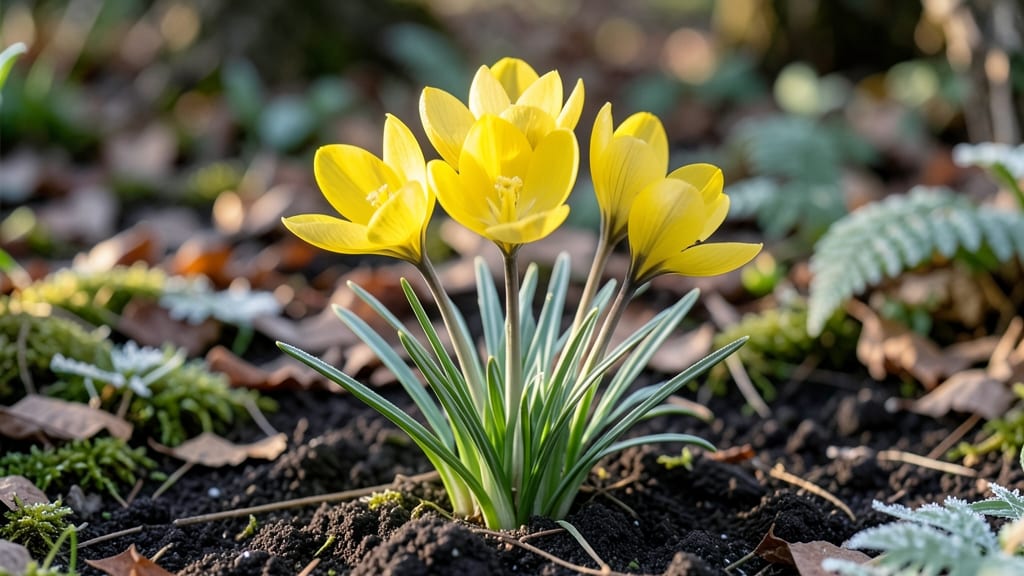
Growing yellow crocus flowers means welcoming sunshine into your garden before spring even arrives. 🌱 These cheerful blooms push through snow to reveal their bright faces, proving that winter’s end is near.
Unlike their purple cousins, yellow crocus stand out with their golden petals and deep green foliage, making them a standout early-season star.
The secret to success starts with the right timing—plant bulbs in fall when soil cools to 50-60°F, about 6-8 weeks before frost. Choose a spot with full sun to partial shade, and well-draining soil to prevent rot.
Once planted, they’re low-maintenance: water lightly after planting, then let nature take over. By late winter or early spring, you’ll see those bold blooms emerge, signaling the garden’s awakening.
📚 In This Guide
- What you need
- Instructions
- Tips and common mistakes
- Wrapping up and next steps
What you need
- ● Yellow crocus corms: 10–20 bulbs (choose certified disease-free for best results).
- ● Well-draining soil: Sandy loam or a mix of garden soil + perlite (1:1 ratio).
- ○ Compost or organic fertilizer: 1–2 cups (optional but boosts blooms).
- ● Garden trowel or bulb planter: For easy digging (6–8" depth).
- ○ Mulch (optional): Pine straw or shredded leaves (1–2 inches) to protect corms in winter.
- ● Gloves: Heavy-duty to protect hands from sharp soil/rocks.
- ● Watering can or hose with gentle spray: Avoid soaking the bulbs.
- ○ Stakes or labels (optional): Mark planting spots if your garden gets crowded!
- ○ Sunlight meter (optional): Ensure your spot gets full sun to partial shade (6+ hours/day).
- ● Timing: Plant corms in fall (September–November) for spring blooms.
- ● Location: Choose a spot with well-draining soil (crocus hates soggy roots!).
- ● Patience: Yellow crocus may take 2–3 weeks to sprout after planting.
Step-by-step instructions for growing yellow crocus flowers
Here's how to coax these cheerful spring stars into your garden with minimal fuss.
🌱 Step 1: Choose Your Planting Site and Time
Yellow crocus thrives in full sun to partial shade—at least 6 hours of sunlight daily—but tolerates light shade in hotter climates. The key is well-draining soil; these bulbs rot if left soggy. I always plant mine in raised beds or amended garden soil with sand or grit to improve drainage.
Timing matters most. For spring blooms, plant bulbs in fall, 6-8 weeks before your first hard frost. This gives roots time to establish before winter. If you want fall blooms (less common for yellow varieties), plant in late summer. Mark your calendar—missed timing means missed flowers.
🪴 Step 2: Prepare the Soil and Plant the Bulbs
Loosen the soil to a depth of 8-10 inches with a garden fork or tiller. Mix in 2-3 inches of compost to enrich the soil without compacting it. Yellow crocus bulbs are small—about the size of a walnut—so I plant them 2-3 inches deep and 3-4 inches apart. This spacing lets them multiply over time.
Place bulbs pointy end up (the roots will grow downward naturally). If you're unsure which end is up, plant them sideways—they'll still grow, though it may take a few extra days to emerge. Cover with soil and water lightly to settle it around the bulbs. Don’t fertilize yet; crocus bulbs need time to adjust before feeding.
☀️ Step 3: Care for Crocus Through Winter and Spring
Once planted, crocus needs almost no care until spring. The bulbs are hardy and survive winter dormancy easily. In USDA Zones 3-8, they’ll pop through snow or early spring soil. Watch for bright green shoots—that’s your signal to stop disturbing the area. Mulch lightly with 1-2 inches of straw or leaves in colder zones to protect bulbs from extreme temperature swings.
When shoots reach 2-3 inches tall, remove the mulch. This prevents rot as the soil warms. Water sparingly—once a week—during dry spells, but avoid soaking the soil. Overwatering after blooms fade can cause bulb rot. Let the foliage die back naturally; don’t cut it until it yellows completely. This ensures the bulb stores energy for next year.
✂️ Step 4: Encourage Future Blooms and Divide as Needed
After blooms fade, let the foliage stay until it turns yellow and withers—this takes 4-6 weeks. This process recharges the bulb for next season. Once the leaves are fully brown, you can trim them to 1 inch above the soil. Avoid cutting earlier; the bulb relies on leaf energy to thrive.
Crocus bulbs multiply over time. After 3-4 years, dig up clumps in early summer when foliage dies back. Separate the bulbs and replant the largest, healthiest ones. This keeps blooms vigorous. Dividing also prevents overcrowding, which reduces flower size. Store any extra bulbs in a cool, dry place until fall replanting.
Tips & tricks for perfect yellow crocus blooms
Let me share the secrets I've learned after years of growing these cheerful early bloomers—because timing and soil prep make all the difference.
Site Selection Wisdom: While crocus tolerates partial shade, I've found they produce the most vibrant yellow blooms when planted in spots with at least 6 hours of direct sunlight. In hotter climates, morning sun with afternoon shade prevents bulb stress. The key is avoiding waterlogged soil—if your garden tends to stay damp, consider raised beds or containers with drainage holes.
Planting Precision: When planting those walnut-sized bulbs 2-3 inches deep, I always use a soil marker to track their location. This prevents accidental disturbance during winter when snow covers the garden. For extra insurance, plant a few extra bulbs—crocus often fails to emerge in its first year, especially in colder zones.
Winter Care Strategy: In zones 3-8, the 1-2 inch mulch layer I mentioned isn't just for insulation—it also prevents soil heaving during freeze-thaw cycles. Remove it promptly when shoots reach 2-3 inches tall, or you risk trapping moisture that can cause rot. I've seen this mistake turn promising spring blooms into sad, mushy failures.
Foliage Management: The 4-6 week wait for foliage to completely yellow before cutting is crucial—this is when bulbs store energy for next year's flowers. I mark my garden calendar with colored flags to remember when each planting was done, so I know exactly when to trim. Don't be tempted to cut early for neatness; you'll sacrifice next year's blooms.
Pro Tips for Yellow Crocus Flower
- Let me share the secrets I've learned after years of growing these cheerful early bloomers—because timing and soil prep make all the difference.
- Site Selection Wisdom: While crocus tolerates partial shade, I've found they produce the most vibrant yellow blooms when planted in spots with at least 6 hours of direct sunlight.
- Planting Precision: When planting those walnut-sized bulbs 2-3 inches deep, I always use a soil marker to track their location.
Frequently asked questions
about growing yellow crocus (often confused with blue crocus!)—because even the boldest blooms need a little TLC. Here’s what gardeners ask most often:When is the best time to plant yellow crocus bulbs?
Plant them in early fall (6–8 weeks before the first frost) for spring blooms. Yellow crocus (like Crocus vernus) thrives when bulbs chill naturally in soil. If your zone has mild winters, aim for October or November. Pro tip: Loosen soil to 6 inches deep for drainage—bulbs rot in soggy spots!
Will yellow crocus survive harsh winters?
These hardy bulbs tolerate USDA Zones 3–8 and often reappear year after year. Mulch lightly (1–2 inches) after planting to protect from freeze-thaw cycles. Warning: Avoid heavy mulch—it can smother emerging shoots in spring.
Why aren’t my yellow crocus flowers opening?
Common culprits: lack of sunlight (they need full sun to partial shade), overcrowded bulbs, or poor drainage. Dig up bulbs if they’re mushy; replant in well-draining soil with 3–4 inches between bulbs. Troubleshoot: Check for pests like squirrels—they love digging up crocus!
Can I grow yellow crocus in containers?
Yes! Use a well-draining pot (terracotta works great) with holes and plant bulbs 2 inches deep, spaced 2 inches apart. Place containers in full sun and keep soil slightly moist until shoots appear. Bonus: Container crocus adds early color to patios and balconies!
What’s the difference between yellow crocus and daffodils?
Yellow crocus (Crocus spp.) blooms earlier (often through snow!) and has 6 tepal petals (no separate sepals/petals). Daffodils (Narcissus) bloom later, have 3 petals + a trumpet, and are toxic to pets. Fun fact: Crocus bulbs are edible (saffron comes from purple crocus!), but daffodils are poisonous.
Wrapping up and next steps
The yellow crocus flower is a resilient, cheerful harbinger of spring that brings vibrant color to even the coldest gardens.
With the right care—whether you’re planting bulbs in early fall or nurturing them through winter—you’ll be rewarded with stunning blooms that defy the frost. Ready to transform your winter landscape? Grab your gloves, dig in, and let these bold beauties punch above snow—your garden will thank you! 🌱✨
Next step: Mark your calendar for fall planting (or spring prep!) and watch your garden come alive with cheerful yellow crocus in no time.