
Flowers
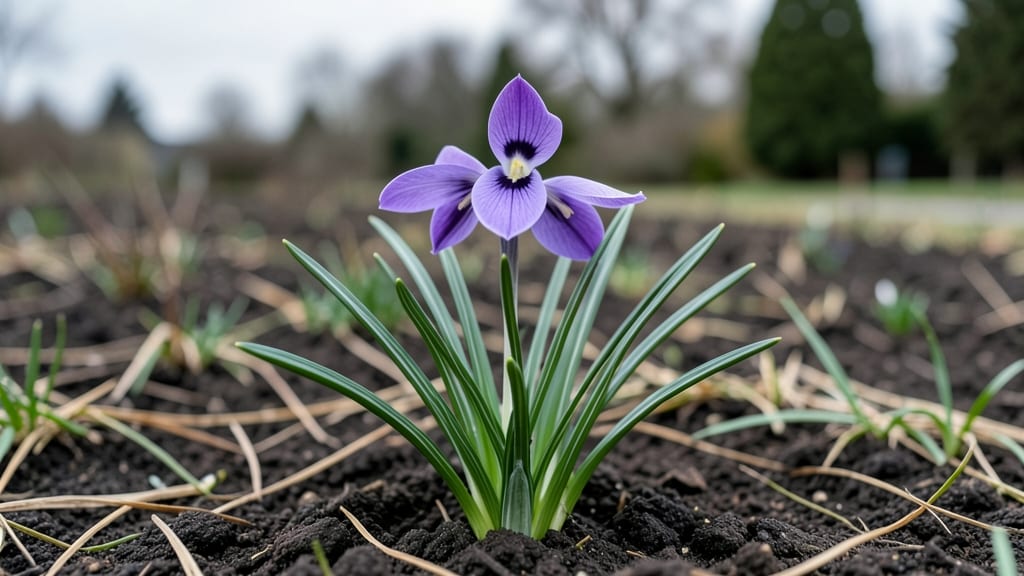
Purple crocus flowers burst through snow like tiny magicians, proving spring isn’t far away. 🌱 I’ve watched them push through frozen ground in my Zone 5 garden, their delicate petals unfurling when most plants still sleep.
These aren’t just early blooms—they’re cold-hardy survivors that reward patience with vibrant color and naturalizing habits.
The secret to their success lies in simplicity: well-draining soil, full sun to partial shade, and minimal fuss. Plant bulbs in fall when soil temps hit 50°F, and they’ll reward you with blooms by late winter or early spring.
Unlike finicky annuals, crocuses thrive in containers or garden beds, making them perfect for small spaces or rock gardens.
By mid-season, your garden will hum with pollinators drawn to their nectar, and the bulbs will multiply underground, creating a carpet of purple over time. The key? Avoid overwatering—they hate soggy soil—and let foliage die back naturally to fuel next year’s blooms.
Whether you’re naturalizing a lawn or adding winter interest to containers, these tough little blooms deliver foolproof results. Let’s get those bulbs in the ground before frost sets in!
📚 In This Guide
- What you need
- Instructions
- Tips and common mistakes
- Wrapping up and next steps
What you need
- ● Purple crocus bulbs (Crocus spp.): Quantity: 10–50 bulbs (depending on desired coverage; spacing ~3–4 inches apart). Type: Choose ‘Purple Dream,’ ‘Pickwick,’ or ‘Grand Maitre’ for reliable winter blooms.
- ● Well-draining soil: Mix 1 part compost with 2 parts garden soil (or use pre-mixed bulb soil).
- ● pH: 6.0–7.0 (neutral to slightly acidic).
- ● Garden fork or trowel for digging.
- ● Organic mulch (e.g., straw or shredded leaves, 2–3 inches) to insulate bulbs.
- ● Garden gloves (to protect hands while handling soil/bulbs).
- ● Watering can or hose with gentle spray (avoid soaking bulbs).
- ○ Fertilizer (optional): Use a low-nitrogen bulb fertilizer (e.g., 5-10-10) after planting.
- ● Avoid high-phosphorus fertilizers (can cause rot).
- ● Edging stones or mulch rings (to define planting areas and deter pests).
- ● Plant labels (to track varieties if mixing colors/sizes).
- ● A sunny to partially shaded location (6+ hours of sunlight for best blooms).
- ● Timing: Plant bulbs 6–8 weeks before first frost (fall, typically September–November in most U.S. zones).
- ● Zone hardiness: 3–9 (purple crocuses thrive in cold climates!).
- ● Patience—bulbs may take 2–4 weeks to sprout after planting!
Step-by-step instructions for planting purple crocus bulbs
Here's how to get those vibrant purple blooms popping through snow—easier than you'd think.
🌱 Step 1: Choose the Perfect Planting Spot
Purple crocus thrives in full sun to partial shade, but here's the thing—it needs well-draining soil. If your garden holds water after rain, amend the area with 2-3 inches of coarse sand or perlite mixed into the top 6 inches of soil. Crocus roots hate soggy feet, and they'll rot faster than a summer tomato in a downpour.
Pick a spot where they'll get at least 6 hours of sunlight daily—morning sun with afternoon shade works best in hot climates. I like to plant mine near patios or walkways so I can admire the blooms up close without stepping on them. Mark the area with stakes if you're planting in a new spot, since crocus bulbs multiply over time and can spread unpredictably.
🪴 Step 2: Plant Bulbs at the Right Depth and Spacing
Plant crocus bulbs 3-4 inches deep—about 3 times their height—because they need that depth to survive winter's freeze-thaw cycles. Use a trowel to dig holes just wide enough to hold the bulb without crowding. I tap the bulb gently into place so it sits upright, then cover it with soil, patting lightly to eliminate air pockets.
Space bulbs 2-3 inches apart in rows 4-6 inches apart if you're planting a full bed. For a natural look, scatter them randomly—just don't let them touch. The more bulbs you plant, the denser the carpet of blooms next spring. Water the area lightly after planting to help settle the soil, but don't soak it. Overwatering now can cause rot before the bulbs even have a chance to establish.
☀️ Step 3: Mulch and Prepare for Winter
Once planted, spread a 1-2 inch layer of mulch (like shredded leaves or straw) around the area to protect the soil from extreme temperature swings. This isn't about insulating the bulbs—crocus needs cold to bloom—but it keeps the ground from heaving too much during freeze-thaw cycles. I use straw mulch because it breaks down slowly and adds organic matter as it decomposes.
Leave the mulch in place until late winter, when the ground starts thawing. This helps the bulbs wake up gradually, which prevents early sprouting that could get nipped by late frosts. If you're in a region with harsh winters, consider adding a light layer of evergreen boughs over the mulch for extra snow protection. Just remove them in early spring so the sunlight can reach the emerging shoots.
⏰ Step 4: Wait and Watch for Blooms
Purple crocus is one of the earliest spring bloomers, so don't be surprised if you see tiny purple spears pushing through snow as early as February in mild climates or March-April in colder zones. The blooms last only 1-2 weeks, but that's enough time to brighten up a dreary winter garden.
Here's the fun part—after the flowers fade, leave the foliage alone. It needs 6-8 weeks to photosynthesize and store energy for next year's blooms. If you cut it back too soon, you'll get fewer (or no) flowers next season. I like to mark the spots with small flags so I don't accidentally mow them down before they've finished their job.
Tips & tricks for perfect purple crocus blooms
Here’s what I’ve learned after years of growing these cheerful winter survivors—tricks that’ll help your crocus thrive when most gardens are still asleep.
Soil Prep Secret: Before amending your soil with that 2-3 inches of sand or perlite, do a quick water test. After a heavy rain, if water pools more than 2 hours, you’ve got drainage issues. Crocus roots need to dry out between rains, so don’t skimp on the amendment—think of it like giving them a well-drained winter boot camp. The top 6 inches of soil should feel like a damp sponge, not a swamp.
Planting Depth Hack: Those 3-4 inches might seem shallow, but trust me—it’s perfect. I’ve seen gardeners bury them too deep (thinking "out of sight, out of mind"), only to get no blooms. The bulbs need that exact depth to survive winter’s freeze-thaw cycles without heaving out of the ground. Pro tip: Use a ruler to measure depth—your trowel’s guesswork won’t cut it here.
Mulch Timing Matters: That 1-2 inch layer of mulch isn’t just decoration—it’s winter insurance. Apply it right after planting, but here’s the catch: don’t pile it directly against the bulbs. Leave a 1-inch gap around each planting spot to prevent rot. And when you remove it in late winter? Do it gradually over a week so the bulbs wake up gently, not shocked by sudden warmth.
Bloom Extension Strategy: Want those purple spears to last longer? The 1-2 week window is tight, but you can stretch it by deadheading (removing spent blooms) every other day. The plants will redirect energy to new flowers instead of seed production. Just leave the foliage—those 6-8 weeks of photosynthesis are non-negotiable for next year’s show.
Pro Tips for Purple Crocus Flower
- Here’s what I’ve learned after years of growing these cheerful winter survivors—tricks that’ll help your crocus thrive when most gardens are still asleep.
- Soil Prep Secret: Before amending your soil with that 2-3 inches of sand or perlite, do a quick water test.
- Planting Depth Hack: Those 3-4 inches might seem shallow, but trust me—it’s perfect.
Frequently asked questions
Got questions about growing purple crocus flowers? You’re not alone! Here are some of the most common queries—plus quick, practical answers to help you cultivate these early spring stars with confidence.
When is the best time to plant purple crocus bulbs?
Plant purple crocus bulbs in fall (8–10 weeks before your first hard frost). Aim for late September to early November in most U.S. zones. They thrive in cold soil, so don’t wait—early planting gives roots time to establish before winter. Pro tip: If you miss the window, store bulbs in a cool, dry place until next fall!
Can purple crocus survive freezing temperatures?
These hardy blooms love cold weather and can handle temperatures down to 0°F (-18°C). In fact, they need a chilling period to bloom. Just ensure they’re planted in well-draining soil to prevent rot. Bonus: They often pop up through snow, adding color to winter landscapes!
Why aren’t my purple crocus flowers blooming this year?
No blooms? Check these common culprits:
- Too much shade: They need full sun to partial shade (6+ hours of light).
- Overcrowded bulbs: Dig up and separate bulbs every 3–4 years.
- Poor drainage: soggy soil = rot. Amend with sand or gravel if needed.
- No winter chill: If temps stay mild, they may skip flowering.
Are there white or yellow crocus flowers, or just purple?
While purple is classic, crocus come in white, yellow, pink, and even striped varieties. Look for species like Crocus tommasinianus (purple) or Crocus vernus (white/yellow). Mix colors for a stunning winter garden! Tip: Some varieties are saffron crocus—their stigmas are used to make the prized spice!
Do purple crocus attract bees or other pollinators?
Yes! Early-blooming crocus are bees’ first buffet of the year. Their tiny flowers provide nectar when little else is available. While they’re not as showy as later bloomers, they’re a critical food source for pollinators waking from hibernation. Plant them near fruit trees for extra benefits!
Wrapping up and next steps
The purple crocus isn’t just a resilient winter wonder—it’s a symbol of hope and beauty that thrives when others fade. Whether you’re a seasoned gardener or a curious beginner, these cold-hardy blooms prove that patience and care yield stunning rewards.
Now that you’re armed with the how-to, why not plant a few this fall and watch your garden burst into color come spring?
🌱 Next step: Grab your gloves, pick a sunny spot, and let nature’s magic unfold! Share your progress—or your first blooms—with fellow gardeners for extra inspiration. Happy planting! 🌸