
Flowers
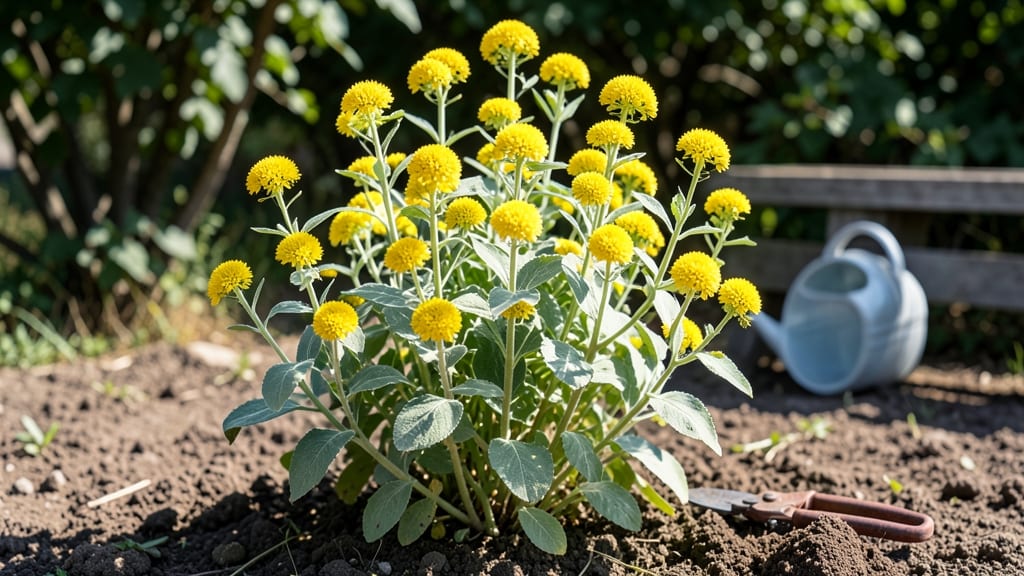
Bright yellow alfalfa flowers turn any garden into a buzzing, edible paradise. 🌻 I’ll never forget the first time I scattered them along my vegetable beds—their cheerful blooms attracted bees like magnets while adding a pop of sunshine to my summer salads.
These hardy perennials thrive in poor soil and drought, making them the perfect low-maintenance star for pollinator gardens. Their golden-yellow blooms contrast beautifully with deep purple basil or the soft pink of cosmos, creating a visual feast that keeps on giving.
You’ll harvest tender young flowers for salads or let them stand tall as a living bee hotel. The more you plant, the more your garden hums with life—literally. Just imagine: every bite is edible, and every bloom supports local pollinators.
Works in borders, containers, or wildflower meadows—anywhere you want color, flavor, and function. Let’s make your garden a haven for both you and the bees.
📚 In This Guide
- What you need
- Instructions
- Tips and common mistakes
- Wrapping up and next steps
What you need
- ● Yellow alfalfa flowers (Medicago sativa) – Fresh or dried, 1–2 cups (or a small handful for garnishes). Ensure they’re pesticide-free and organic if edible.
- ● Scissors or pruning shears – For harvesting stems (if not pre-purchased). Opt for sharp, clean tools to avoid crushing delicate blooms.
- ○ Pollinator-friendly garden space (optional but encouraged!) – If growing your own, plant alfalfa seeds in well-draining soil with full sun exposure (6+ hours/day). Pro tip: 💡 Space seeds 12–18 inches apart for optimal growth!
- ● Salad greens or herbs – Arugula, spinach, or basil to pair with flowers for a vibrant dish.
- ● Honey or citrus zest – To complement the sweet, slightly nutty flavor of alfalfa blooms.
- ● Drying tray or mesh bag – For preserving flowers (hang in a dark, dry place for 1–2 weeks).
- ● Food-safe spray (if foraging) – A vinegar-water mix (1:3 ratio) to rinse wild-harvested flowers.
How to grow and harvest yellow alfalfa flowers for pollinators and salads
Brighten your garden and plate with these cheerful, nutrient-packed blooms—here's how to cultivate them successfully.
🌱 Step 1: Choose the Right Location and Soil
Alfalfa thrives in full sun—at least 6-8 hours daily—so pick the sunniest spot in your yard. These hardy plants tolerate poor soil but grow best in well-draining, slightly alkaline dirt with a pH between 6.5 and 7.5. If your soil is heavy clay, mix in 2 inches of compost before planting to improve drainage and fertility.
Here's the thing—alfalfa has deep roots, so avoid planting where you'll disturb the soil later. Once established, they're drought-tolerant but grow best with moderate moisture. Water deeply once a week after planting until roots take hold, then reduce to every 10-14 days unless your area experiences extreme heat.
☀️ Step 2: Plant Seeds at the Correct Time and Depth
Sow seeds in early spring after the last frost or in late summer for a fall harvest. Alfalfa seeds germinate best in soil temperatures between 60-70°F. Plant seeds ¼ inch deep, spacing them 6-8 inches apart in rows 18-24 inches apart—this gives plants room to develop their extensive root systems.
I like to tap the seed packet gently to release one seed at a time—planting too many in one hole leads to weak, crowded plants. After sowing, lightly cover with soil and water gently to settle the seeds. You'll see first true leaves appear in 7-14 days, signaling successful germination.
💧 Step 3: Maintain and Encourage Blooms
Once established, alfalfa needs minimal care but benefits from occasional deep watering during dry spells. These plants are nitrogen-fixers, so they improve soil quality over time—no need for extra fertilizer. However, if your soil is very poor, a light application of compost in early spring can boost growth.
Here's where it gets fun—watch for the first yellow blooms to appear in late summer to early fall, typically 60-90 days after planting. To encourage more flowers, pinch back any leggy growth when plants reach 12 inches tall. This redirects energy from leaf production to flowering, giving you more edible blooms for salads and pollinators.
✂️ Step 4: Harvest Flowers at Peak Freshness
Harvest alfalfa flowers in the early morning when they're fully open but still vibrant. Use clean sharp scissors to snip stems just above a set of leaves—this encourages bushier growth. Cut only the flowers, leaving leaves and stems to photosynthesize and support future blooms.
Real talk: these flowers wilt quickly, so use them within 24 hours of harvesting. For salads, pluck individual blooms and rinse gently to remove any dirt or pests. For pollinators, leave some stems in place—bees and butterflies adore them! If you're drying flowers for later use, tie small bundles and hang upside down in a dark, dry, well-ventilated area for 1-2 weeks.
🪴 Step 5: Overwintering and Long-Term Care
Alfalfa is a perennial in warm climates (USDA zones 7-10) but often dies back in colder areas. In colder regions, plants may resprout in spring if protected by 2-3 inches of mulch. If your winters are harsh, treat alfalfa as an annual and replant each year.
Don't skip this (I learned the hard way): if you're growing alfalfa for hay or livestock, avoid harvesting flowers—focus on leafy growth for maximum yield. For edible gardens, though, prioritize those cheerful yellow blooms. With proper care, one plant can provide enough flowers for multiple salads and support dozens of pollinators throughout the season.
Tips & tricks for perfect yellow alfalfa flowers
These simple strategies will help you grow vibrant blooms that bring both beauty to your garden and flavor to your plate.
Sunlight Secret: While alfalfa thrives in full sun (6-8 hours daily), don't assume every sunny spot is equal. South-facing locations get the most intense sunlight, but if your yard has afternoon shade, plant in the eastern half of your garden. I've seen alfalfa in western exposures produce fewer blooms because the intense late-afternoon sun can stress the plants. Position them where they'll get consistent morning light and gentle afternoon shade if needed.
Soil pH Tip: Testing your soil's pH is worth the small investment—alfalfa prefers slightly alkaline soil between 6.5 and 7.5. If your soil tests lower, mix in dolomitic lime according to package instructions before planting. I've noticed plants in slightly acidic soil (below 6.5) grow taller but produce fewer flowers. The right pH balance encourages both vigorous growth and abundant blooming, which is what we want for those edible yellow flowers.
Watering Wisdom: The once-a-week watering guideline works for average conditions, but your local climate matters more. In hot, dry regions, you might need to water every 5-7 days, while cooler, humid areas might stretch that to 10-14 days. The key is deep watering—alfalfa's deep roots need moisture that penetrates at least 6 inches down. I test by sticking my finger in the soil: if the top 2 inches are dry, it's time to water. Overhead watering can encourage fungal issues, so use a soaker hose or drip irrigation when possible.
Harvesting Hack: Those 24 hours of freshness are precious, so here's how to extend them slightly. Immediately after harvesting, place stems in a jar of cold water in the refrigerator. This keeps them crisp for up to 48 hours while maintaining their vibrant yellow color. For drying, I've found that removing the calyxes (those little green parts at the base of each flower) before hanging them upside down speeds up the drying process by about 25%. Just be gentle—these delicate blooms bruise easily.
Pro Tips for Yellow Alfalfa Flowers
- These simple strategies will help you grow vibrant blooms that bring both beauty to your garden and flavor to your plate.
- Sunlight Secret: While alfalfa thrives in full sun (6-8 hours daily), don't assume every sunny spot is equal.
- Soil pH Tip: Testing your soil's pH is worth the small investment—alfalfa prefers slightly alkaline soil between 6.5 and 7.5.
Frequently asked questions
Got questions about growing, harvesting, or using yellow alfalfa flowers?
Here are some of the most common ones—plus quick, practical answers to help you make the most of these vibrant blooms!
Can I grow yellow alfalfa flowers in containers, or do they need a garden bed?
Yellow alfalfa flowers thrive in both garden beds and containers! If using pots, choose deep containers (at least 12 inches) with well-draining soil. Ensure they get 6+ hours of sunlight daily—alfalfa is a sun-loving plant. Just avoid overcrowding; space seedlings 6–12 inches apart for optimal air circulation.
How long does it take for alfalfa flowers to bloom after planting?
With proper care, alfalfa typically blooms 60–90 days after planting. Timing depends on climate, soil quality, and variety—cooler regions may take longer. For faster blooms, start seeds indoors 4–6 weeks before the last frost or choose fast-maturing varieties like Medicago sativa 'Rangelander'. Patience pays off with months of vibrant yellow flowers!
Are yellow alfalfa flowers safe to eat raw, or should I cook them first?
Yes! They’re 100% edible raw and add a mild, slightly sweet, clover-like flavor to salads, garnishes, or infused oils. For a milder taste, lightly blanch in boiling water for 10–15 seconds before using. Pro tip: Harvest flowers in the morning when pollen is at its peak for the freshest flavor.
Why aren’t bees visiting my alfalfa flowers like they should?
Bees adore alfalfa, but a few factors might deter them: pesticides (even residual ones), lack of water nearby, or overcrowded plants blocking access. Try these fixes:
- Skip chemical sprays—use neem oil or soapy water sprays instead.
- Add a shallow water source (like a saucer with pebbles and water).
- Thin plants to improve airflow and visibility.
What’s a good alternative if I can’t grow alfalfa flowers?
If alfalfa proves tricky, try these edible, bee-friendly alternatives with similar uses:
- Clover (white or red) – Mild flavor, great for salads.
- Borage – Cucumber-like taste, attracts pollinators.
- Calendula – Bright petals, edible and medicinal.
- Nasturtium – Peppery kick, doubles as a pest deterrent.
Wrapping up and next steps
Yellow alfalfa flowers aren’t just a beautiful addition to your garden—they’re a versatile, edible treasure that supports pollinators and elevates your dishes! 🌼 Whether you’re harvesting them for salads, teas, or garnishes, these golden blooms prove nature’s bounty is both functional and delicious. Ready to dive deeper?
🌱 Next Steps:
- Plant a patch—grow your own alfalfa for a year-round supply of edible blooms!
- Experiment in the kitchen—try infusing honey, blending into cocktails, or sprinkling on desserts.
- Share the joy—invite friends to forage or gift fresh flowers for a unique, eco-friendly touch.
Your garden—and your palate—will thank you! 😊