
Flowers
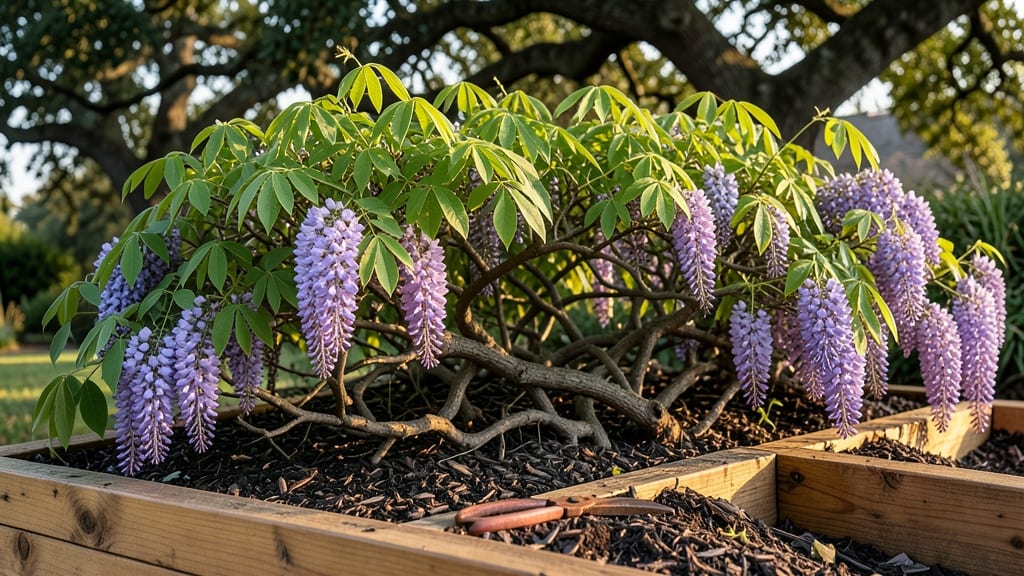
Nothing transforms a garden like a cascading curtain of purple wisteria flowers in full bloom—those fragrant, velvety clusters turn any space into a living masterpiece. 🌿 I remember the first time I saw one arching over a rustic wooden trellis, its blossoms spilling like liquid amethyst, and I knew my garden would never be the same.
Wisteria thrives as a dramatic vertical focal point, whether draped over a pergola, spiraling up a metal arbor, or spilling from a container on a patio. The key to its showstopping display? Strategic placement—train it where it can climb freely, and prune annually to encourage those lush, flowering branches.
Pair it with silver foliage or white blooms to make the purple pop even more, or let it stand alone as a romantic centerpiece.
By midspring, your garden will feel like a secret garden, filled with the intoxicating scent of wisteria and the soft rustle of petals in the breeze. The flowers last for weeks, and with the right support, they’ll return year after year—creating a canopy that feels straight out of a storybook.
Let’s make your garden the envy of the neighborhood.
Works in cottage gardens, modern landscapes, or even urban courtyards—just give it space to grow. The payoff? A vertical garden that doesn’t just look beautiful, but feels like a hug from nature itself.
📚 In This Guide
- What you need
- Instructions
- Tips and common mistakes
- Wrapping up and next steps
What you need
- ● Wisteria plants: 1-2 Wisteria sinensis or Wisteria floribunda (purple varieties like ‘Amethyst Falls’ or ‘Royal Purple’). Note: These are slow-growing but worth the wait!
- ● Alternative: Pre-grown wisteria in 1-gallon pots (for faster results).
- ● Support structure: 1 sturdy trellis (8–12 ft tall, metal or wooden) or a permanent arbor (for climbing vines).
- ○ Optional: Decorative lattice panels for a romantic, cottage-core look.
- ● Soil: 50 lbs well-draining potting mix (amend with 20% compost for nutrients).
- ● Bonus: 1 lb hydrated lime (if your soil is acidic, wisteria prefers slightly alkaline pH 6.0–7.0).
- ● Garden tools: 1 trowel, 1 pruning shears, and 1 long-handled lopper (for mature vines).
- ● 1 gloves (wisteria thorns are sharp!).
- ● Fertilizer: 1 lb balanced 10-10-10 fertilizer (apply spring and early summer).
- ○ Optional: 1 slow-release osmocote for steady growth.
- ● Prerequisites: ✅ Sunlight: 6+ hours of full sun daily (partial shade in hot climates).
- ● ✅ Space: Minimum 10 ft wide for mature vines (they spread wildly!).
- ● ✅ Patience: Wisteria takes 3–5 years to flower fully!
How to cultivate stunning purple wisteria vines
Here's the straightforward approach I've used to grow lush, flowering wisteria canopies—no gardening degree required.
🌱 Step 1: Choose and Prepare Your Planting Site
Wisteria thrives in full sun with at least 6-8 hours of direct light daily, but it tolerates partial shade in hotter climates. The reason I always pick a south-facing wall or trellis is that morning sun prevents leaf scorch while giving vines the energy they need for vigorous growth. Avoid low spots where water pools—wisteria roots hate soggy soil.
Dig a hole twice as wide as the root ball but only as deep as the container it came in. Mix the removed soil with 2 parts native soil, 1 part compost, and a handful of bone meal (about ½ cup) for phosphorus—this jumpstarts root development. The key is loose, well-draining soil that mimics wisteria's native woodland edges.
☀️ Step 2: Plant and Stake for Strong Growth
Place your wisteria in the hole and spread the roots outward—never bend them or they'll grow in awkward shapes. Fill the hole with your amended soil mixture, pressing gently to remove air pockets but not compacting too tightly. Water deeply (1 gallon) to settle the soil around the roots, then add 2-3 inches of mulch (wood chips work best) to retain moisture and suppress weeds.
Install a 5-foot tall trellis or arbor immediately next to the plant. Use flexible garden ties to loosely attach the main stem to the trellis at a 45-degree angle—this encourages upward growth rather than sprawling. I always tie the vine to the top of the trellis within the first year; wisteria grows fast and will outpace your trellis if you wait.
💧 Step 3: Water and Fertilize for First-Year Establishment
Water deeply 2-3 times per week during the first growing season, aiming for 1-2 gallons per watering. The soil should feel damp 2 inches down—wisteria roots need consistent moisture but hate sitting in water. I check by sticking my finger in; if it comes out clean, water again. In hotter months, you might need daily watering until the roots establish.
Fertilize twice a year—once in early spring with a balanced 10-10-10 fertilizer (about ¼ cup) and again in late summer with a low-nitrogen, high-phosphorus formula (like 5-10-10) to encourage flowering. Avoid high-nitrogen fertilizers after early summer; they promote leafy growth at the expense of blooms. I always water before fertilizing to prevent root burn.
✂️ Step 4: Prune for Shape and Flowering
Prune twice a year—once in late winter (before buds swell) and again in early summer after flowering. In late winter, remove dead or crossing branches first, then cut back last year's growth by ⅓ to encourage new flowering stems. The goal is to maintain an open center so light reaches all parts of the vine—this prevents dense, unproductive growth.
After flowering, look for last year's growth (it's thicker and often has flower clusters). Cut these back to 2-3 leaves above a bud, but leave this year's growth untouched—these are your future blooms. I always prune on a dry day and sterilize my pruners with rubbing alcohol between cuts to prevent disease spread.
⏰ Step 5: Winter Care for Next Year's Blooms
Wisteria is semi-hardy, but young plants need protection in colder zones. Once temperatures drop below 20°F, wrap the trellis and vine in burlap or use frost cloth to shield against windburn. I never cover the entire plant—just the exposed parts—because wisteria needs winter chill to set next year's flower buds.
Reduce watering in fall as growth slows, but keep the soil slightly moist until the ground freezes. In early spring, remove winter protection when daytime temperatures consistently stay above 40°F. This gradual exposure prevents shock and jumpstarts new growth. The first year might be all foliage, but by year three, you'll see those iconic purple cascades.
Tips & tricks for perfect purple wisteria canopy
Took me a while to figure these out, so here goes—tricks that'll turn your wisteria from a hopeful sapling into a showstopping purple cascade.
Sunlight Strategy: While the instructions mention 6-8 hours of sun, I've found that morning sun is more critical than afternoon. Position your trellis to catch those first rays—this prevents leaf scorch while giving vines the energy they need for flowering. If your location gets intense afternoon sun, consider a light shade cloth during peak hours to protect delicate foliage without sacrificing growth.
Root Development Hack: The bone meal in Step 1 is your secret weapon for early flowering. I double that ½ cup to 1 cup for established plants (after year 2), and it makes a noticeable difference in bloom production. Just be careful not to overdo it—too much phosphorus can burn roots. I always mix it thoroughly with the soil before planting to ensure even distribution.
Watering Wisdom: That 2-3 times per week schedule works perfectly in moderate climates, but I've learned the hard way that wisteria roots can't handle soggy soil. If you're in a rainy area, reduce watering to once a week and let the natural rainfall do most of the work. The key is that damp 2-inch soil check—if it stays wet longer than 24 hours, you're overwatering. I've seen wisteria roots rot from well-meaning gardeners who thought "more water = better growth."
Pruning Precision: When you're cutting back last year's growth to 2-3 leaves above a bud in Step 4, look for the fat, swollen buds—they're your future blooms. I always make my cuts just above these buds at a 45-degree angle to prevent water from pooling on the cut. This small detail makes a huge difference in preventing fungal issues, especially in humid climates. And remember, those flexible garden ties? Replace them every year—they degrade and can strangle your vine if left too long.
Pro Tips for Wisteria Purple Flowers
- Took me a while to figure these out, so here goes—tricks that'll turn your wisteria from a hopeful sapling into a showstopping purple cascade.
- Sunlight Strategy: While the instructions mention 6-8 hours of sun, I've found that morning sun is more critical than afternoon.
- Root Development Hack: The bone meal in Step 1 is your secret weapon for early flowering.
Frequently asked questions
Got questions about wisteria’s purple blooms?
Here are answers to the most common ones—from planting to pruning—so you can grow this stunning vine with confidence!
How do I choose the best location for purple wisteria?
Purple wisteria thrives in full sun (6+ hours daily) and well-draining soil. Avoid heavy clay or waterlogged spots—root rot is a risk! A sturdy trellis or arbor (6–10 feet tall) gives vines room to climb and showcase their cascading blooms. Pro tip: Southern exposures maximize flower intensity!
When is the best time to plant wisteria for purple flowers?
Plant in early spring or fall (avoid extreme heat/cold). Purple wisteria needs 3–5 years to mature and bloom—patience pays off! For faster results, choose a grafted variety (like Wisteria floribunda ‘Amethyst Falls’), which may flower sooner.
How (and when) should I prune wisteria to encourage more purple blooms?
Prune right after flowering (late spring) to shape the vine and promote next year’s blooms. Remove dead, weak, or crossing branches first, then trim back 10–20% of last year’s growth to encourage new shoots. Never prune in fall/winter—it can delay blooming!
Are there low-maintenance alternatives to wisteria with purple flowers?
Yes! If wisteria’s vigorous growth feels overwhelming, try these purple-flowered climbers:
- Clematis ‘Jackmanii’ – Fast-growing, cold-hardy, and blooms spring to fall.
- Honeysuckle ‘Hasch’s Perfume’ – Fragrant purple blooms, disease-resistant.
- Passionflower ‘Purple Haze’ – Unique flowers, drought-tolerant.
Why isn’t my wisteria flowering, even though it’s purple?
Common culprits:
- Too young (needs 3–5 years).
- Over-pruning (cut only after blooms fade).
- Poor sunlight (6+ hours of sun is non-negotiable!).
- Nutrient deficiency (test soil; add phosphorus-rich fertilizer in early spring).
Wrapping up and next steps
Wisteria purple flowers aren’t just a stunning addition to your garden—they’re a dramatic, fragrant statement that transforms any space into a vertical masterpiece. Whether you’re a seasoned gardener or a beginner, their cascading beauty and low-maintenance charm make them a dream for elegant, high-impact designs. 🌸
Ready to bring this romantic canopy to life? Start by choosing the right variety for your climate, then gather your tools and dive in! With patience and care, you’ll soon be rewarded with lush, purple-hued vines that steal the show. Happy gardening!