
Flowers
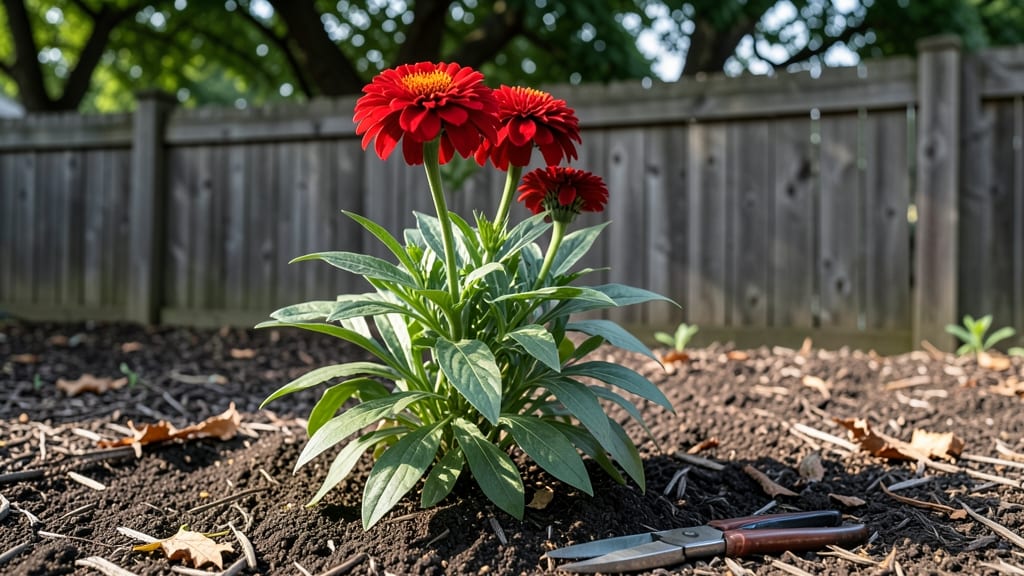
Red marigolds aren’t just flowers—they’re the bold red accents that turn any garden into a sun-drenched masterpiece. 🌻 I remember the first time I scattered them along my patio edge, and how they instantly transformed a dull corner into a vibrant focal point that lasted all season.
Their fiery hue demands attention, whether you’re framing a path, brightening a shady spot, or creating a dramatic border that never fades.
Pair them with purple salvia for a striking contrast, or tuck them among dusty miller for texture that pops against their glossy petals.
They thrive in full sun, making them perfect for hot, dry areas where other plants wilt—yet they still bloom like they’ve got all day to soak up the warmth. The best part? They’re low-maintenance, so you get that bold drama without the fuss.
Imagine your garden in late summer when red marigolds are in full swing: bees buzzing around their centers, their scent mingling with the earthy notes of thyme below. They’re not just pretty—they’re a magnet for pollinators and a natural pest deterrent, keeping your veggie patch happy while adding color.
Plant them in clusters for maximum impact, or scatter them like confetti for a wild, cottage-garden feel.
Whether you’re going for a classic English garden look or a modern pollinator paradise, red marigolds deliver. They’re the secret weapon for gardens that feel alive, intentional, and effortlessly stunning. Let’s make yours one to stop and admire.
📚 In This Guide
- What you need
- Instructions
- Tips and common mistakes
- Wrapping up and next steps
What you need
- ● Red marigold seeds or seedlings: Choose Tagetes erecta (African marigolds) for tall, vibrant blooms or Tagetes patula (French marigolds) for bushier, shorter varieties.
- ● Quantity: 10–20 seeds per plant (if starting from seed) or 3–5 seedlings per desired cluster.
- ● Well-draining potting mix or garden soil: 5–10 gallons (for containers) or amended garden beds (for in-ground planting).
- ● Containers or garden plot: Containers: 6–12" pots with drainage holes (1–2 plants per pot).
- ● Garden beds: Full sun (6+ hours/day) and loose, fertile soil.
- ○ Compost or organic fertilizer: 1–2 cups per plant (optional but recommended for nutrient boost).
- ● Gloves and knee pads (for comfort during planting).
- ● Trowel or hand shovel (for transplanting seedlings or digging holes).
- ● Watering can or hose with gentle spray nozzle (marigolds hate soggy roots!).
- ○ Mulch (straw or shredded leaves) (optional, to retain moisture and suppress weeds).
- ○ Plant markers or stakes (optional, to label varieties if mixing types).
- ● 🌡️ Timing: Start seeds indoors 4–6 weeks before last frost or sow directly after soil warms to 60°F+.
- ● ✨ Sunlight: Red marigolds thrive in full sun—no skimpiness here!
- ● 💧 Watering: Keep soil consistently moist (not waterlogged) until established.
Step-by-step instructions for planting and caring for red marigolds
Brighten any garden space with bold red blooms that thrive in sun and repel pests naturally.
🌱 Step 1: Choose the Perfect Planting Spot
Red marigolds crave full sun—at least 6-8 hours daily—so scout your yard for the sunniest location. I always check for afternoon shade first; marigolds wilt quickly if shaded after noon. A spot with well-draining soil is critical, as soggy roots lead to rot. If your soil feels heavy when squeezed, mix in 2-3 inches of compost before planting.
Here's the thing—marigolds grow best in warm soil. Wait until nighttime temperatures stay above 55°F before planting. You'll know it's time when your local frost-free date passes and the ground feels warm to the touch. For cooler climates, start seeds indoors 4-6 weeks before the last frost, then transplant seedlings after all danger of frost has passed.
🌿 Step 2: Plant Seeds or Transplants at the Right Depth
If sowing seeds directly, plant them ¼ inch deep in rows spaced 12-18 inches apart. I like to use a small stick to poke holes—it keeps spacing consistent. Cover seeds lightly with soil, then water gently until the surface looks evenly moist. Don't overwater now; marigold seeds need moisture to germinate but hate soggy conditions.
For transplants, dig holes twice as wide as the root ball and place plants at the same depth they were in their containers. Press soil firmly around the roots to remove air pockets, then water deeply until moisture reaches 6 inches down. You'll see new growth within 7-10 days—that's your signal everything is working.
☀️ Step 3: Provide Consistent Water and Sun
Water marigolds once a week unless it rains, aiming for 1 inch of water per week. Let the top 2 inches of soil dry out between waterings to prevent fungal issues. I water in the morning so leaves dry quickly, which keeps pests away. Avoid wetting the foliage—water at the base instead to protect blooms from mildew.
Fertilize lightly with a balanced 10-10-10 formula when flowers first appear, then again 4-6 weeks later. Too much fertilizer leads to leafy growth and fewer blooms. Deadhead spent flowers regularly—pinch off faded blooms with your fingers or snips. This encourages more flowers and keeps plants bushy. You'll notice a second flush of blooms within 2-3 weeks of consistent deadheading.
✂️ Step 4: Maintain and Protect Through the Season
Marigolds attract beneficial insects like ladybugs and lacewings, which keep pests at bay. I often pair them with tomatoes and peppers to create a natural pest barrier. Watch for aphids or spider mites—spray plants with a soapy water mix (1 tsp mild soap per quart of water) if you spot tiny webs or sticky residue on leaves.
As summer progresses, mulch around plants with 2-3 inches of straw or shredded leaves to retain moisture and regulate soil temperature. This also suppresses weeds, which compete for nutrients. In fall, marigolds often rebound after a light trim—cut back foliage by ⅓ to encourage new growth before the first frost. Many gardeners leave them in place as winter interest plants, especially in milder climates.
Tips & tricks for perfect red marigold planting
These simple strategies will help your red marigolds thrive with minimal effort and maximum impact.
Sunlight Secret: Pay extra attention to the 6-8 hours of full sun requirement—morning sun is ideal, but afternoon sun can be intense. If your plants start wilting by midday, try moving them to a spot with dappled shade during peak heat hours. I've seen marigolds struggle in areas where afternoon shade was present but didn't realize it until I moved them to a more consistent sun exposure.
Soil Preparation: The 2-3 inches of compost recommendation is non-negotiable for heavy soils. I like to test my soil first by squeezing a handful—if it holds its shape like wet clay, you definitely need that compost. For sandy soils, you can reduce compost to 1-2 inches since they drain too quickly. The key is creating that perfect balance where roots get both moisture and air.
Planting Depth: That ¼ inch seed depth might seem shallow, but it's crucial for proper germination. Use a small stick or pencil to mark your planting lines—it keeps spacing consistent and prevents overcrowding. For transplants, the twice-as-wide hole rule helps roots spread quickly, which translates to faster establishment and better blooms.
Watering Wisdom: The 1 inch per week guideline works best when you water deeply at the base rather than lightly on top. I set a rain gauge nearby to track rainfall—if we get ½ inch from rain, I skip my scheduled watering that week. This prevents overwatering while ensuring roots grow deep enough to support those vibrant blooms.
Pro Tips for Red Marigolds Flowers
- These simple strategies will help your red marigolds thrive with minimal effort and maximum impact.
- Sunlight Secret: Pay extra attention to the 6-8 hours of full sun requirement—morning sun is ideal, but afternoon sun can be intense.
- Soil Preparation: The 2-3 inches of compost recommendation is non-negotiable for heavy soils.
Frequently asked questions
Got questions about growing and loving red marigolds? You’re not alone! Here are some of the most common queries gardeners have—plus quick, practical answers to keep your blooms thriving.
When is the best time to plant red marigolds?
Plant red marigolds after the last frost when soil temps hit 55°F (13°C) or warmer. For cooler climates, start seeds indoors 4–6 weeks before the last frost. In warm zones, sow directly in late winter or early spring. Pro tip: They’re frost-sensitive, so wait until nighttime temps stay above 40°F (4°C)!
How long do red marigolds take to bloom?
Expect blooms 6–8 weeks after planting from seeds, or 4–6 weeks if you start with seedlings. For continuous flowers, deadhead spent blooms (snip off faded flowers) to encourage new buds. Bonus: Some varieties, like ‘Bonanza’ or ‘Crackerjack,’ rebloom prolifically all season!
Can red marigolds grow in containers?
They thrive in 5–10 gallon pots with well-draining soil. Use a mix of potting soil and perlite for aeration. Place containers in full sun (6+ hours/day) and water when the top inch of soil feels dry. Container hack: Pair them with basil or lettuce—they repel pests naturally!
Why aren’t my red marigolds blooming?
Lack of blooms often means too much nitrogen (lush leaves, no flowers) or shady conditions. Fix it by:
- Switching to a low-nitrogen fertilizer (5-10-10 ratio).
- Moving pots/plants to full sun.
- Deadheading regularly to redirect energy to blooms.
What’s a good alternative if I can’t grow red marigolds?
Try these sun-loving, pest-repelling stand-ins:
Flower
Color
Bonus Perks
Zinnias
Red, orange, pink
Long bloom time; attracts pollinators
Cosmos
Pink, white, crimson
Drought-tolerant; self-seeds easily
Mexican Sunflower (Tithonia)
Deep red/orange
Tall, dramatic; thrives in heat
Wrapping up and next steps
Red marigolds aren’t just vibrant stars in your garden—they’re low-maintenance, versatile, and packed with benefits. Whether you’re chasing pest control, pollinator support, or year-round color, these sun-loving blooms deliver drama with minimal effort. 🌻
Ready to transform your outdoor space? Start small—plant a few near your veggie patch or along a pathway—and watch your garden thrive! Need inspiration? Sketch a simple layout or snap photos of your progress for a satisfying visual journey.
Your garden’s next masterpiece could be just one seed away!