
Flowers
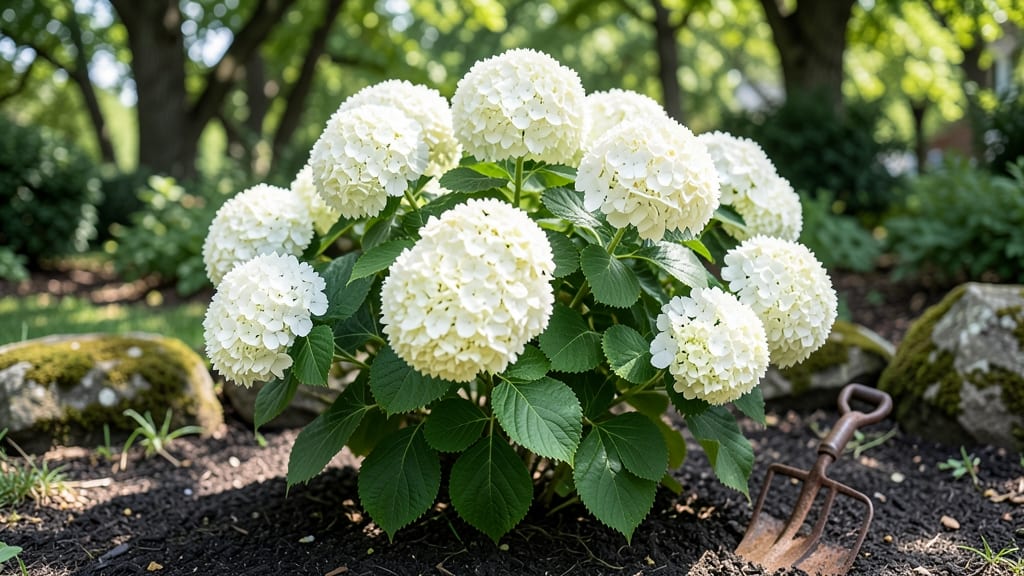
White hydrangea flowers turn any garden into a dreamy, romantic retreat—just like the ones I’ve used to transform weddings and backyard escapes into breathtaking backdrops. Their lush, cloud-like blooms soften borders, fill containers, and create a serene focal point that feels like stepping into a storybook.
The secret isn’t just their color but how they pair effortlessly with everything from deep purples to silvery foliage, making them the ultimate design chameleon.
Start with their natural grace: plant them in clusters along pathways or as a dramatic centerpiece in large pots, where their cascading branches spill over edges like a waterfall of ivory lace. For cottage gardens, mix them with lavender and roses—they’ll steal the show without trying.
In formal landscapes, their structured mounds play well with boxwoods or ornamental grasses, adding texture and drama. The key is giving them space to grow (6 feet wide at maturity) and partial shade to keep those blooms plump and prolific.
What you’ll love most is how they adapt to your vision—whether it’s a whimsical wedding arch dripping with blooms or a simple patio corner that feels like a quiet escape.
Their versatility means you can swap out seasonal companions (think pink peonies in spring or burgundy asters in fall) and keep the look fresh all year. The result? A garden that feels effortlessly elegant, no matter the season.
Here’s the best part: they thrive on neglect, so even if you’re not a design expert, these hydrangeas will do the heavy lifting. Just remember to feed them in spring and trim back old blooms in late winter—then step back and let their magic unfold.
Your garden (or wedding photos) will thank you.
📚 In This Guide
- What you need
- Instructions
- Tips and common mistakes
- Wrapping up and next steps
What you need
- ● White Hydrangea Plants: 1-3 Hydrangea macrophylla (e.g., 'Annabelle,' 'Limelight,' or 'Endless Summer')—choose a variety that naturally produces white blooms or can be acidified for color change.
- ○ Well-Draining Soil: 5-10 bags of peat-based or acidic potting mix (pH 5.5-6.2). Test soil pH with a soil test kit (optional but recommended).
- ● Organic Fertilizer: 1 lb of balanced 10-10-10 fertilizer or hydrangea-specific granules (rich in iron and magnesium).
- ● Mulch: 2-3 cubic feet of pine bark or wood chips to retain moisture and acidify soil.
- ○ Aluminum Sulfate (for blue/pink control): 1 lb (optional, if you want to experiment with color shifts).
- ● Pruning Shears: 1 pair of sterilized, sharp pruners (for shaping and deadheading).
- ● Watering Can or Hose: With a spray nozzle for gentle hydration.
- ● Gloves: 1 pair of gardening gloves (to protect from thorns and soil).
- ● Fresh or Silk White Hydrangeas: Fresh: 20-50 stems (depending on arrangement size; e.g., 20 for a small bouquet, 50 for a centerpiece).
- ● Silk: 1-3 realistic white hydrangea clusters (per arrangement, check for full blooms).
- ● Floral Preservative: 1 bottle (for extending freshness in vases).
- ● Floral Tape or Wire: 1 roll (for securing stems in arrangements).
- ● Vases or Containers: 1-2 clear glass vases (for bouquets, 12-18" tall).
- ● 1-3 ceramic or wooden containers (for centerpieces, vary sizes).
- ● Scissors or Floral Knife: 1 sharp pair (for clean cuts).
- ○ Optional Extras: Greenery (e.g., eucalyptus, ivy) for filler.
- ● Ribbon or lace (for bouquet wrapping).
- ● Dried flowers (e.g., baby’s breath) for texture.
- ● Morning Watering: Hydrangeas love consistent moisture—water at the base of the plant in the morning to avoid fungal issues. 🌡️
- ● Sunlight: Aim for partial shade (4-6 hours of sun/day) to prevent wilting. ⏰
- ● Color Control: For pink blooms, add aluminum sulfate; for blue, use chelated iron. Adjust soil pH gradually! 🎯
- ● Wedding Hack: Trim stems at a 45-degree angle and add floral preservative to make hydrangeas last 5-7 days in arrangements. ✨
How to grow lush white hydrangeas for stunning garden displays
Here's the straightforward approach I've used to create breathtaking white hydrangea canopies—no gardening degree required.
Select the Right Variety and Planting Location
White hydrangeas thrive best in partial shade—think morning sun with afternoon shade in hotter climates. I always choose 'Annabelle' or 'Grandiflora' varieties for their reliable white blooms and sturdy stems. These varieties handle humidity well and produce the largest, showiest flowers.
Test your spot by observing how much sunlight it gets throughout the day. If leaves scorch by mid-afternoon, that's too much sun. Hydrangeas need at least 4-6 hours of morning light but will appreciate protection from harsh afternoon rays, especially in southern regions.
Prepare the Soil and Plant Correctly
Hydrangeas love rich, well-draining soil with a slightly acidic pH (around 5.5-6.2). Amend your garden soil with 2-3 inches of compost mixed into the top 12 inches of soil. If your soil is heavy clay, add 1 part perlite or sand to improve drainage.
Dig a hole twice as wide as the root ball but only as deep as the container it came in. Place the plant in the hole, ensuring the top of the root ball sits 1 inch above ground level. This prevents rot and allows for proper water drainage. Backfill with native soil and water deeply to settle everything.
Water Deeply and Mulch for Moisture Retention
Water your hydrangeas deeply once a week during the first growing season, providing 1-1.5 inches of water per week. Check soil moisture by sticking your finger 2 inches deep—if it feels dry, it's time to water. Overhead watering can lead to fungal issues, so always water at the base.
Spread 2-3 inches of mulch around the base of the plant, keeping it 3 inches away from the stem to prevent rot. I use shredded bark or pine straw because they break down slowly and improve soil structure over time. Mulch helps retain moisture and keeps roots cool during hot summer days.
Prune for Shape and Encourage Full Blooms
Prune hydrangeas right after flowering or in late winter before new growth begins. For 'Annabelle' types, cut back one-third of the plant to encourage bushier growth. For 'Grandiflora' varieties, remove dead or crossing branches and trim back to just above a set of buds to promote new blooms.
Never prune in the fall—this can damage new growth before winter. If you see leggy stems or sparse blooms, it's a sign the plant needs more light or pruning. Hydrangeas respond well to regular pruning, so don't skip this step—it's what gives them that lush, romantic look.
Feed and Maintain for Year-Round Beauty
Apply a balanced, slow-release fertilizer in early spring when new growth appears. I use a 10-10-10 formula at half strength to avoid burning the roots. Avoid high-nitrogen fertilizers—they promote leafy growth at the expense of flowers.
Monitor your hydrangeas for aphids or powdery mildew, which can appear on leaves. If you spot these, treat with neem oil or insecticidal soap as needed. With proper care, your white hydrangeas will reward you with stunning blooms from mid-summer through fall, making them the star of any garden or wedding display.
Tips & tricks for perfect white hydrangea canopies
Creating a stunning white hydrangea display takes more than just planting—these are the little details that make all the difference between pretty and show-stopping.
Location is Everything: When selecting your planting spot in Step 1, pay special attention to how the sun moves throughout the day. If you're in a southern climate, even morning sun can be too intense—look for spots where the sun disappears behind trees or buildings by late morning. I once planted 'Annabelle' hydrangeas in full morning sun and ended up with browned leaves by summer, so I moved them to a spot with just 4 hours of morning light and saw dramatic improvement within weeks.
Soil Science Matters: In Step 2, don't just add compost—think about the texture. If your soil feels compact when moist, you definitely need that perlite or sand amendment. I test soil drainage by filling a jar halfway with soil, adding water, and timing how long it takes to drain. If it takes more than 10 minutes, your soil needs more amendment. The goal is soil that holds moisture but drains freely, just like a well-drained sponge.
Watering Wisdom: The once-weekly watering in Step 3 works perfectly when your soil is properly amended, but here's the secret: water in the early morning. This gives leaves time to dry completely before evening, reducing fungal risks. I've seen hydrangeas develop powdery mildew from evening watering—it's heartbreaking to watch those beautiful blooms get covered in white powder. And always water at the base, not the leaves, to keep foliage dry.
Pruning Precision: When you're pruning in Step 4, look for those little buds where new growth will emerge. Cut just above these buds at a 45-degree angle to encourage water to run off. I learned this the hard way—my first pruning left stubs that collected water and led to rot. Also, never prune more than one-third of the plant in a single session, even if it looks overgrown. Hydrangeas need their foliage to feed the roots.
Pro Tips for White Hydrangea Flower
- Creating a stunning white hydrangea display takes more than just planting—these are the little details that make all the difference between pretty and show-stopping.
- Location is Everything: When selecting your planting spot in Step 1, pay special attention to how the sun moves throughout the day.
- Soil Science Matters: In Step 2, don't just add compost—think about the texture.
Frequently asked questions
Got questions about white hydrangea flowers? You’re not alone! Here are some of the most common inquiries—plus expert answers to help you make the most of their timeless beauty.
What’s the best time to plant white hydrangeas for maximum blooms?
Plant them in early spring (after the last frost) or fall (6–8 weeks before the first frost). This gives roots time to establish before extreme temperatures. For container-grown hydrangeas, spring is ideal. Pro tip: Amend soil with compost to boost nutrient uptake!
How often should I water white hydrangeas, and do they need special care?
Water deeply 2–3 times per week (more in extreme heat). They love moist, well-draining soil—mulch helps retain moisture. Avoid soggy roots! For container plants, check soil daily in summer. Bonus: Yellowing leaves? You might be overwatering.
Should I prune white hydrangeas, and when is the best time?
Prune after flowering (late summer/early fall) for mophead varieties or late winter (before buds swell) for lacecap types. Remove dead or crossing branches first. Warning: Avoid heavy pruning in spring—it can reduce blooms!
What are some white hydrangea alternatives if I want similar but lower-maintenance flowers?
Try these easy-care picks:
- Spiraea (hardy, repeat bloomer)
- Daisies (Gerbera) (vibrant, drought-tolerant)
- Peony (fragrant, long-lasting)
- Roses (white ‘Iceberg’ or ‘Double Delight’) (romantic, classic)
Why aren’t my white hydrangeas blooming, and how can I fix it?
Common culprits: over-fertilizing with high nitrogen (promotes leaves, not flowers), pruning at the wrong time, or poor sunlight (they need partial shade). Solution: Use a low-nitrogen, high-phosphorus fertilizer in early spring. Also, ensure they get 4–6 hours of morning sun.
Are white hydrangeas toxic to pets or children?
Yes! All parts of hydrangeas are mildly toxic if ingested, causing stomach upset, vomiting, or diarrhea in pets/kids. Keep them out of reach. Safe swap: Opt for pet-friendly flowers like roses (non-hybrid) or sunflowers if you have furry family members.
Wrapping up and next steps
White hydrangea flowers are more than just a stunning addition to your garden or wedding—they’re a symbol of purity, romance, and timeless elegance. Whether you’re crafting a dreamy floral arrangement or designing a lush garden retreat, their versatility and beauty make them a must-have. 🌸
Now that you’re inspired, why not take the next step? Plant a few in your garden, incorporate them into your wedding bouquet, or even experiment with DIY floral projects! The possibilities are endless—let your creativity bloom! 🌿