
Planting
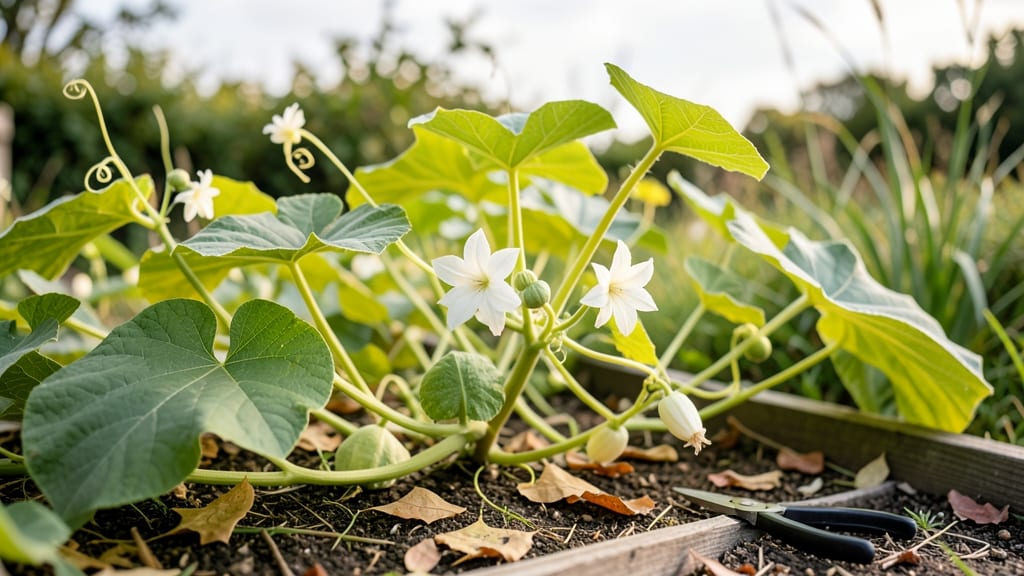
When your winter melon plant flowers, you're not just getting pretty blooms—you're unlocking edible flowers for tea and stir-fries that taste like sunshine. 🌿 These delicate, star-shaped white blossoms appear after 3-4 months of growth, and with the right care, they'll keep coming all season long.
I remember the first time I saw them—it felt like discovering a secret garden hidden in plain sight.
To encourage those blooms, give your winter melon plant 6+ hours of sunlight daily, well-draining soil rich in organic matter, and consistent moisture without soggy roots. The key is balancing nutrients—too much nitrogen means leafy growth but no flowers.
I've found that a light feeding of 5-10-10 fertilizer every 4-6 weeks does the trick without overwhelming the plant.
Once those white, five-petaled flowers appear, you'll want to hand-pollinate if bees aren't visiting—just gently brush the stamens with a cotton swab. The flowers themselves are edible, with a mild, slightly sweet flavor that pairs beautifully in dishes.
Within a month, you'll see those distinctive waxy winter melons forming, ready to harvest when fully mature.
This plant thrives in zones 9-11 but can be grown in containers and overwintered indoors in cooler climates. The flowers are frost-sensitive, so plan your planting to avoid early chills. With the right conditions, you'll have a continuous harvest of both flowers and fruit all year round.
📚 In This Guide
- What you need
- Instructions
- Tips and common mistakes
- Wrapping up and next steps
What you need
- ● Winter melon seeds (Benincasa hispida) – 3–5 seeds per plant (or 1–2 for container growing). Opt for organic, non-GMO seeds for best results.
- ● Well-draining potting mix – 5–10 gallons per plant (or a high-quality all-purpose garden soil amended with compost if planting outdoors).
- ● Container or garden bed – Containers: 12–18" diameter pots with drainage holes (for 1–2 plants per pot).
- ● Garden beds: Full sun (6+ hours daily) and space 3–5 feet apart (vines spread!).
- ● Organic fertilizer – Balanced 10-10-10 or compost tea (apply at planting and every 4–6 weeks).
- ● Mulch – Straw or shredded leaves to retain moisture and regulate soil temp.
- ● Gloves & gardening trowel – For planting and soil prep.
- ● Watering can or hose with gentle spray – Winter melons dislike soggy roots!
- ○ Trellis or stakes (optional) – 4–6 ft tall for vines to climb (saves space and improves airflow).
- ● Pruning shears – To trim excess vines and encourage flowering.
- ○ pH test kit (optional) – Ideal soil pH: 6.0–6.8 (adjust with lime or sulfur if needed).
- ○ Shade cloth (optional) – For hot climates to protect young plants from scorching.
How to grow and care for winter melon flowers for edible blooms
Here's how to coax vibrant, edible winter melon flowers year-round—no greenhouse required.
🌱 Step 1: Select and Prepare the Right Winter Melon Variety
Choose a compact winter melon variety like 'Tian Qing' or 'Xiao Bai Hua'—they're bred for smaller growth habits and prolific flowering. These varieties stay manageable in containers or small garden beds, making them perfect for home growers. If you're starting from seed, plant them indoors 8-10 weeks before your last frost date to ensure they have enough time to establish before cooler weather sets in.
Winter melon seeds need warmth to germinate, so pre-soak them in lukewarm water for 6-8 hours before planting. This softens the seed coat and speeds up germination. Plant two seeds per 4-inch pot or directly in the garden 1 inch deep, spacing plants 3-4 feet apart to allow for proper air circulation—a must for preventing fungal diseases in humid conditions.
☀️ Step 2: Provide Optimal Light and Temperature for Flowering
Winter melon plants thrive in full sun (6-8 hours daily) but can tolerate partial shade in hotter climates. If growing indoors near a window, rotate the pot quarter-turn weekly to prevent leggy growth. You'll notice the stems stretching toward the light if they're not getting enough—this is your cue to move them closer to the brightest window or supplement with a grow light for 12-14 hours daily.
Temperature is critical for flowering. Winter melon plants produce the most blooms when daytime temperatures stay between 70-85°F and nighttime temps don’t drop below 60°F. If you're growing in cooler climates, use a floating row cover during chilly nights to protect the plants. Once flowers appear, avoid sudden temperature swings—this can cause buds to drop before opening.
💧 Step 3: Water and Fertilize for Continuous Blooms
Winter melon plants need consistent moisture, especially during flowering. Water deeply 2-3 times per week, ensuring the top 2 inches of soil feel dry before watering again. Overwatering leads to root rot, while underwatering causes buds to abort. I like to water in the early morning so the foliage has time to dry before evening—a simple trick to prevent powdery mildew, a common issue with winter melons.
Feed your plants every 2-3 weeks with a balanced, water-soluble fertilizer (10-10-10) diluted to half strength. Once flowers start appearing, switch to a low-nitrogen, high-phosphorus fertilizer (5-10-10) to encourage more blooms. Stop fertilizing 4-6 weeks before harvest to allow the plants to focus energy on fruit development instead of new growth.
✂️ Step 4: Prune and Support for Maximum Flower Production
Pruning encourages bushier growth and more flowers. Once the plant reaches 12-18 inches tall, pinch back the tips of the main stems to promote branching. Remove any yellowing or diseased leaves immediately—they compete with flowers for energy and can spread problems. I also trim back any suckers (side shoots) growing below the first flower cluster to redirect the plant’s energy upward.
Use small stakes or a tomato cage to support the plant as it grows. Winter melon vines can get heavy with fruit, and unsupported plants may break under the weight. Tie the main stem loosely to the stake with soft plant ties, leaving room for the vine to grow. This also makes it easier to monitor for pests like aphids, which love to hide in the undersides of leaves.
🌿 Step 5: Harvest and Preserve Edible Blooms
Winter melon flowers are best harvested in the early morning when they're fully open but still vibrant. Gently twist the bloom at the base to avoid damaging the stem—this ensures the plant keeps producing more flowers. You can use the blooms fresh in teas, stir-fries, or as a garnish, or preserve them by drying on a screen in a well-ventilated, shaded area for 3-5 days until completely crisp.
Here's the thing—winter melon flowers are delicate, so handle them with care. If you're growing for continuous harvests, deadhead spent blooms every 2-3 days to encourage more flowers. The plant will reward you with a steady supply of edible blooms if you keep up with this simple task. Store dried flowers in an airtight container away from direct sunlight to preserve their flavor and color for up to 6 months.
Tips & tricks for year-round winter melon blooms
Real talk: Growing winter melon flowers takes patience, but these tricks will help you get the most vibrant blooms possible—every season.
Seed Soaking Secret: That 6-8 hour lukewarm water soak is non-negotiable for germination. I've found that using a bowl of water with a tiny bit of honey (just 1 teaspoon) speeds up sprouting by 24 hours. The honey provides a natural food source for the seeds while they wake up. Just make sure to rinse the seeds thoroughly before planting to avoid sugar buildup in the soil.
Light Strategy for Small Spaces: If you're growing indoors near a window, supplement with a simple LED grow light placed 6-12 inches above the plants for those 12-14 hours daily. I use a timer to automate this—set it for 6 AM to 6 PM to mimic natural daylight cycles. This consistency is what triggers reliable flowering, especially in winter months when daylight is scarce. The quarter-turn rotation you should do weekly helps prevent the plants from leaning toward one light source.
Temperature Troubleshooting: Those 70-85°F daytime temps are ideal, but if your thermostat can't keep up, try placing your plants near a south-facing window during the day and moving them to a warmer spot at night. I've had success with a small space heater (on low) during winter nights, but keep it at least 3 feet away to avoid heat stress. The key is maintaining that 10°F difference between day and night—this temperature variation actually stimulates flower production.
Harvesting Hack: For continuous blooms, I recommend harvesting every morning at the same time—this trains your plants to produce flowers on a schedule. Use sharp scissors to cut the stems about 1 inch below the flower rather than twisting. This cleaner cut reduces stress on the plant and encourages more blooms. Store freshly harvested flowers in a paper towel-lined container in the fridge for up to 3 days to maintain their delicate texture.
Pro Tips for Winter Melon Plant Flower
- Real talk: Growing winter melon flowers takes patience, but these tricks will help you get the most vibrant blooms possible—every season.
- Seed Soaking Secret: That 6-8 hour lukewarm water soak is non-negotiable for germination.
- Light Strategy for Small Spaces: If you're growing indoors near a window, supplement with a simple LED grow light placed 6-12 inches above the plants for those 12-14 hours daily.
Frequently asked questions
Got questions about growing and enjoying winter melon plant flowers? Here are some of the most common ones—and their answers!
When do winter melon flowers bloom, and how long do they last?
Winter melon flowers typically bloom in late summer to early fall, but with proper care, you can encourage year-round blooms in warm climates. Each flower lasts 1-2 days before wilting, making them perfect for quick harvesting. If you’re growing in cooler zones, expect a shorter blooming season unless you provide greenhouse conditions.
Can I grow winter melon flowers indoors, or do they need a garden?
Yes! Winter melon plants thrive indoors with bright, indirect light (like a sunny windowsill or under grow lights). Use a large container (12+ inches deep) with well-draining soil. Just ensure humidity levels stay moderate and avoid drafts—these tropical plants love warmth (65°F+). Pro tip: Rotate the pot weekly for even growth!
Are winter melon flowers edible, and how do I use them?
These delicate blooms are 100% edible and add a mild, slightly sweet flavor to dishes. Try them in stir-fries, tea infusions (like jasmine tea), or as a garnish for soups. For tea, pluck 3-4 flowers, steep in hot water for 5 minutes, and enjoy. Caution: Avoid pesticides if using them raw.
Why aren’t my winter melon flowers opening, or are they falling off?
Several factors can cause this: low light, temperature stress (below 60°F), or overwatering. Check for pests like aphids or whiteflies too. If blooms drop quickly, it might be due to pollination issues—hand-pollinate with a soft brush if needed. Ensure your plant gets 6+ hours of sunlight daily and water only when the top inch of soil is dry.
What’s a good alternative if I can’t grow winter melon flowers?
If winter melon isn’t your thing, try these edible flower alternatives:
- Chive flowers – Mild onion flavor, great in salads.
- Nasturtiums – Peppery taste, perfect for garnishes.
- Calendula – Citrusy notes, used in teas and soups.
- Borage – Cucumber-like flavor, adds color to cocktails.
Wrapping up and next steps
Growing a winter melon plant with its stunning flowers isn’t just a rewarding gardening project—it’s a delicious one too! From fragrant teas to vibrant stir-fries, these edible blooms bring beauty and flavor to your kitchen.
Whether you’re a seasoned gardener or just starting, the key is patience, the right conditions, and a little creativity. 🌸
Ready to dive in? Start by gathering your supplies, then plant those seeds or seedlings with confidence. Before you know it, you’ll be harvesting blooms that taste as good as they look—and sharing them with friends and family. Happy growing! 🌱