
Planting
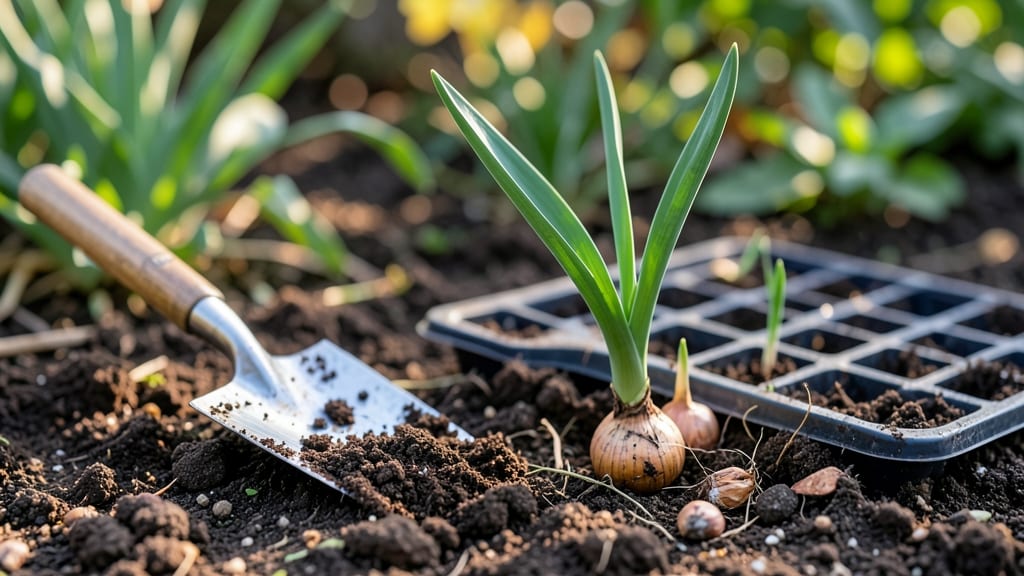
Planting flowers in a flower bed transforms an empty space into a riot of color and life—something I’ve watched happen in my own backyard every spring.
The secret isn’t just dropping seeds or seedlings into dirt; it’s about preparing the soil, spacing plants just right, and giving them the care they need to thrive from day one.
I’ve learned that skipping these steps means wilted petunias and sad snapdragons instead of the lush, blooming garden you dream of.
Start with well-draining soil—amend heavy clay or sandy soil with compost to give roots a fighting chance. Choose flowers that love your climate and sunlight conditions, then dig holes twice as wide as the root ball but only as deep as the plant’s container.
Water deeply before planting to settle the soil, and space plants 12-24 inches apart (check tags for specifics). This might sound like a lot of prep, but it’s what turns a garden into a foolproof showstopper.
After planting, water again to remove air pockets and keep the soil moist for the first two weeks. Mulch with 2-3 inches of shredded bark or straw to lock in moisture and keep weeds at bay.
By summer, you’ll be rewarded with blooms that attract bees, butterflies, and maybe even your neighbor’s envy. The best part? This method works for annuals, perennials, and even shrubs—just adjust spacing and care based on the plant.
Seasonal timing matters too: cool-season flowers like pansies thrive when planted in early spring or fall, while heat-lovers like marigolds wait for soil to warm in late spring.
Whether you’re filling a small border or a full sun-drenched bed, these steps ensure your flowers grow strong, bloom bold, and keep coming back year after year.
📚 In This Guide
- What you need
- Instructions
- Tips and common mistakes
- Wrapping up and next steps
What you need
- ● Flowers: Choose perennials, annuals, or bulbs based on your climate and sunlight (e.g., marigolds, petunias, or tulips). Buy 1-2 plants per square foot for a full look.
- ● High-quality potting soil or garden soil: 2-3 cubic feet (depending on bed size). Opt for a mix with compost for nutrients.
- ● Garden gloves: A pair of durable, breathable gloves (e.g., nitrile-coated for grip and protection).
- ● Hand trowel or transplanting spade: A 5-6 inch stainless steel trowel for digging and planting.
- ● Watering can or hose with a gentle spray nozzle: A 3-5 gallon watering can or hose attachment for even moisture.
- ○ Mulch (optional but recommended): 1-2 inches of shredded bark, straw, or pine needles to retain moisture and suppress weeds.
- ● Pruning shears: For trimming spent blooms or shaping plants.
- ● Soil tester kit: To check pH levels (aim for 6.0-7.0 for most flowers).
- ● Plant food or slow-release fertilizer: Follow package instructions for dosage.
- ● Edging tools: To define the borders of your flower bed neatly.
- ● Knee pads or a small stool: For comfort during long planting sessions.
Step-by-Step guide for designing and planting a thriving flower bed
Here's how I create a flower bed that bursts with color and stays healthy season after season.
Plan Your Flower Bed Layout
Start by sketching your design on paper or directly on the ground with chalk or string. Group plants by height, with tall varieties like delphiniums or hollyhocks at the back and shorter flowers like marigolds or pansies in front. This creates a natural, layered look that hides soil and supports each plant's growth.
Consider sunlight exposure—most annuals and perennials need at least 6 hours of direct sun daily. Note which areas get full sun, partial shade, or full shade, then choose plants that match those conditions. For example, impatiens thrive in shade, while sunflowers reach for the sky in full sun.
Don't forget to leave 12-18 inches of space between plants at maturity. Crowding leads to competition for nutrients and water, which weakens growth and reduces blooms. If unsure, check the plant tags or a reliable gardening guide for spacing recommendations.
Prepare the Soil for Healthy Growth
Remove any grass, weeds, or debris from the area using a shovel or garden fork. Dig down 6-8 inches to loosen the soil, breaking up compacted layers. This helps roots penetrate deeply and access moisture and nutrients more easily.
Amend the soil with 2-3 inches of compost or well-rotted manure to improve fertility and drainage. Mix it thoroughly into the loosened soil. If your soil is heavy clay, add sand or perlite to lighten it, while sandy soil benefits from peat moss or coconut coir to retain moisture.
Level the area with a rake, creating a smooth surface for planting. This ensures water drains evenly and prevents puddles that can drown roots. A well-prepared bed sets the stage for strong, vibrant plants that thrive from the start.
Plant Flowers at the Right Depth and Spacing
Dig holes twice as wide as the root ball but only as deep as the container the plant came in. This prevents burying the stem too deeply, which can cause rot. Gently remove the plant from its container and place it in the hole, ensuring the top of the root ball sits level with the soil surface. Fill the hole with soil and press lightly around the base to eliminate air pockets.
Water each plant deeply after planting to help settle the soil and encourage root growth. Use a watering can or hose with a gentle spray to avoid dislodging the plants. Mulch around the base with 2-3 inches of organic mulch, like shredded bark or straw, to retain moisture, suppress weeds, and regulate soil temperature.
Step back and admire your work! The key is patience—give plants 1-2 weeks to adjust before expecting rapid growth. During this time, water consistently to keep the soil evenly moist but not soggy.
Maintain Your Flower Bed for Long-Lasting Beauty
Water deeply once or twice a week, depending on rainfall and soil type. Most flowers prefer 1 inch of water per week, delivered at the base rather than overhead to reduce disease risk. Early morning is the best time to water, as it allows foliage to dry quickly and prevents fungal issues.
Remove spent blooms regularly by deadheading—snipping off faded flowers with clean pruners. This encourages more blooms and keeps the bed looking tidy. Fertilize lightly every 4-6 weeks during the growing season with a balanced, water-soluble fertilizer to support steady growth.
Monitor for pests like aphids or slugs, and address them promptly with organic solutions like neem oil or diatomaceous earth. A healthy flower bed is resilient, but early intervention prevents small problems from becoming unmanageable.
Tips & tricks for planting a stunning flower bed
Creating a vibrant flower bed isn't just about planting—it's about setting your garden up for success from the very beginning. Here are the key strategies I've learned to make every step count.
Design with Color Theory: When planning your layout in Step 1, group flowers by color families rather than just height. Planting purples and blues together creates a calming effect, while reds and yellows make bold statements. This creates visual harmony that makes your bed look intentional, not random. I always sketch my design with colored pencils to visualize the final effect before digging a single hole.
Soil Prep is Everything: The 6-8 inches of loosened soil in Step 2 might seem like overkill, but trust me—it's worth the effort. Compacted soil acts like a brick wall to plant roots, preventing them from accessing water and nutrients. If you're working with clay soil, mix in 2-3 inches of sand or perlite to improve drainage, but don't overdo it—too much sand can make soil too loose. I test my soil's drainage by filling a jar with water and soil, then timing how long it takes to drain; ideal drainage is about 30 minutes.
Planting Depth Matters More Than You Think: In Step 3, when you're placing plants in their holes, the top of the root ball should sit level with the soil surface—not buried. Many gardeners make the mistake of planting too deep, which can cause stems to rot. For container-grown plants, the soil line on the container is your guide. I also recommend using a level to ensure your bed stays flat, which prevents water from pooling in low spots.
Mulch Like a Pro: That 2-3 inches of organic mulch in Step 3 isn't just decoration—it's your flower bed's first line of defense. Apply mulch right after planting while the soil is still moist to help seal in moisture. I like to use shredded bark because it breaks down slowly, providing nutrients over time. Just keep mulch 1-2 inches away from plant stems to prevent rot, and avoid piling it against trunks or crowns.
Pro Tips for Plant Flowers In A Flower Bed
- Creating a vibrant flower bed isn't just about planting—it's about setting your garden up for success from the very beginning.
- Design with Color Theory: When planning your layout in Step 1, group flowers by color families rather than just height.
- Soil Prep is Everything: The 6-8 inches of loosened soil in Step 2 might seem like overkill, but trust me—it's worth the effort.
Frequently asked questions
Got questions about transforming your flower bed into a stunning display? Here are some of the most common queries—plus quick, practical answers to help you garden with confidence!
When is the best time to plant flowers in a flower bed?
The ideal time depends on your climate and flower types. In most regions, spring (after the last frost) and early fall are best for perennials and annuals. Cool-season flowers (like pansies) thrive in early spring or fall, while warm-season blooms (like marigolds) love summer planting. Always check seed packets or plant tags for specific guidelines!
How often should I water newly planted flowers?
Water deeply but gently every 1–2 days for the first 2 weeks to encourage root growth. After that, aim for 1–1.5 inches of water per week, adjusting for heat or drought. Morning watering is best—it reduces evaporation and fungal risks. Mulch helps retain moisture, so add a 2–3 inch layer around plants (but keep it away from stems).
What do I do if my flowers aren’t growing or look unhealthy?
Start with the basics: check soil moisture, sunlight exposure, and drainage. Yellow leaves? Overwatering or poor drainage. Brown edges? Underwatering or too much sun. Pests? Inspect leaves for holes, webs, or bugs—spray with soapy water or neem oil for mild infestations. If issues persist, test your soil’s pH (most flowers prefer 6.0–7.0) and amend as needed.
Can I plant flowers in a flower bed if I don’t have a green thumb?
Start with low-maintenance flowers like marigolds, zinnias, or daylilies, which tolerate neglect and pests. Use mulch and drip irrigation to simplify care. Group plants by water needs and sunlight preferences to streamline upkeep. Even "easy" plants need basic attention—just 10 minutes a week for weeding and watering makes a huge difference!
What’s the best way to arrange flowers for a full, lush look?
Use the "thriller-filler-spiller" rule: Place tall plants (thrillers) at the back, medium-height filler flowers in the middle, and trailing spillers (like petunias) at the front. For a natural look, mix heights and textures—odd numbers (3, 5, or 7 plants per group) create visual balance. Color contrast (e.g., purple + yellow) adds vibrancy, while repeating colors ties the design together.
Wrapping up and next steps
You’ve got everything you need to transform your flower bed into a blooming paradise! 🌸 Remember, the key is preparation—whether it’s choosing the right soil, spacing plants properly, or picking flowers that thrive in your climate.
With patience and care, your garden will reward you with colorful, vibrant blooms that brighten up every season.
Ready to take the next step? Start small—plant a few flowers today and watch your confidence (and garden!) grow. Need inspiration? Browse seasonal planting guides or visit your local nursery for expert advice tailored to your space. Happy gardening! 🌱