
Flowers
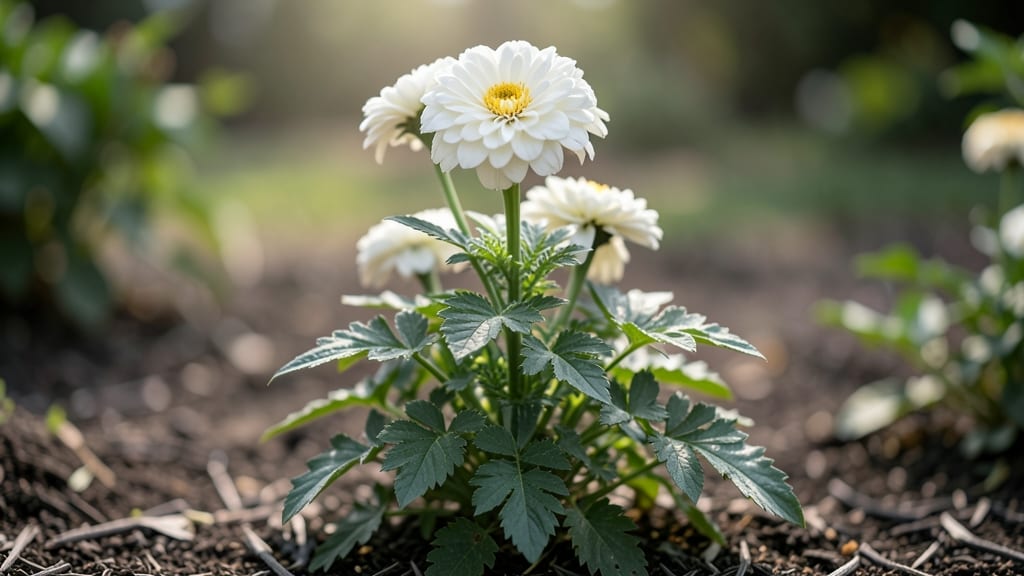
The delicate white marigold flower transforms your garden into a fragrant, pest-free paradise. 🌼 These sun-loving beauties thrive where others struggle, their petals masking the scent of pests while attracting pollinators.
My first batch bloomed so prolifically that my neighbor asked if I'd planted a secret garden—turns out, they just needed the right conditions.
The secret lies in their love for full sun and well-draining soil. Most varieties handle poor soil surprisingly well, but a light mix of compost at planting time ensures those first blooms arrive faster.
Water them deeply once a week—more in extreme heat—and watch them reward you with continuous blooms from summer through frost. Even in my dry climate, they never wilted when given this basic care.
What you'll end up with is a garden where aphids and nematodes stay away, where bees hum happily, and where your white marigolds become the star of every border. The flowers themselves stay fresh-cut for days in vases, their subtle vanilla scent lingering long after the petals fall.
Best of all? They self-seed like crazy, meaning next year's garden plants itself.
Works whether you're filling containers, lining walkways, or creating a pollinator haven. Here's how to get them thriving from seed to showstopper blooms—no green thumb required.
📚 In This Guide
- What you need
- Instructions
- Tips and common mistakes
- Wrapping up and next steps
What you need
- ● White marigold seeds: 20–50 seeds (depending on desired coverage; opt for Tagetes patula or Tagetes erecta varieties for pure white blooms).
- ● Well-draining potting mix or garden soil: 5–10 gallons (amend with compost for nutrient-rich soil).
- ● Containers or garden bed: For containers: 5–12-inch pots (1–2 seeds per pot, spaced 6–12 inches apart).
- ● For garden beds: Full-sun location (6+ hours of sunlight daily) with loose, fertile soil.
- ● Watering can or hose with a gentle spray nozzle.
- ○ Plant labels (optional but helpful): To track varieties and planting dates.
- ● Hand trowel or small shovel: For transplanting seedlings.
- ○ Gloves (optional): To protect hands while handling soil or seeds.
- ● Mulch (e.g., straw or shredded leaves): 1–2 inches to retain moisture and suppress weeds.
- ● Fertilizer (balanced 10-10-10 or organic compost tea): Apply lightly at planting and mid-season.
- ○ Pest deterrents (optional): Neem oil or diatomaceous earth (prevents aphids or nematodes).
- ● Pruning shears: For deadheading spent blooms to encourage more flowers.
Step-by-step guide for planting and cultivating white marigolds
Sun-loving white marigolds thrive with minimal fuss—just follow these straightforward steps.
🌱 Step 1: Choose the Right Location and Soil Conditions
White marigolds demand full sun exposure—at least 6-8 hours of direct sunlight daily. A south-facing spot in your garden is ideal, but they’ll tolerate partial shade if given enough light. Before planting, amend the soil with 2-3 inches of compost to improve drainage and fertility. Marigolds hate soggy roots, so if your soil drains poorly, mix in sand or perlite to loosen it.
Here’s the thing—white marigolds grow best in well-draining, slightly acidic soil (pH 6.0-7.0). Test your soil’s pH with a kit if you’re unsure. If it’s too alkaline, add sulfur or peat moss to lower the pH gradually. Work the amendments into the top 12 inches of soil to ensure roots have access to nutrients.
🌿 Step 2: Plant Seeds or Transplants at the Right Time
Start seeds indoors 8-10 weeks before your last frost date or sow directly in the garden 2-3 weeks after frost when soil temperatures reach at least 60°F. Direct sowing is easier—just plant seeds ¼ inch deep, 1 inch apart, in rows 12-18 inches apart. If using transplants, space them 12-18 inches apart to allow for bushy growth.
Water gently after planting to settle the soil, but avoid overwatering—damp, not soggy, is the goal. Thin seedlings to 12 inches apart once they develop 2-3 true leaves, ensuring each plant has room to thrive. This prevents overcrowding, which can lead to disease and weak stems.
☀️ Step 3: Provide Consistent Care for Healthy Growth
Once established, white marigolds are drought-tolerant but perform best with 1 inch of water per week, especially during dry spells. Water at the base of the plant in the morning to reduce evaporation and fungal risks. Avoid wetting the foliage, as this can encourage powdery mildew—a common issue in humid climates.
Fertilize lightly once a month with a balanced, water-soluble fertilizer (10-10-10) during the growing season. Too much nitrogen promotes leafy growth at the expense of flowers, so follow the package instructions carefully. Deadhead spent blooms regularly to encourage continuous flowering—just pinch off faded flowers with your fingers or snip them with clean pruners.
✂️ Step 4: Prune and Maintain for Long-Lasting Blooms
Pruning keeps white marigolds bushy and encourages more flowers. Cut back leggy stems by ⅓ of their length in early summer to promote branching. This is also the time to remove any yellowing or diseased leaves to prevent spread. Use sterilized pruners to avoid introducing pathogens.
Real talk: If your marigolds start looking ragged by late summer, give them a light trim to rejuvenate growth. They’ll often produce a second flush of blooms if conditions are right. Mulch around the base with 2 inches of organic mulch (like straw or shredded leaves) to retain moisture and suppress weeds—just keep it 2 inches away from the stems to prevent rot.
🪴 Step 5: Overwintering and Long-Term Care
White marigolds are perennial in USDA zones 9-11 but are often grown as annuals in colder climates. If you’re in a warmer zone, cut back foliage in late fall and mulch heavily to protect roots. In colder areas, pull up plants after the first frost or let them self-seed for next year’s garden.
Here’s the method I rely on for perennial marigolds: After flowering, trim back stems to 4-6 inches tall and apply a thick layer of mulch. This protects roots from freezing temperatures and conserves moisture. In spring, remove the mulch and fertilize lightly to kickstart new growth.
Tips & tricks for perfect white marigold flowers
Common pitfalls—and how to sidestep every one when growing these sun-loving beauties.
Sun Exposure Secret: Those 6-8 hours of direct sunlight are non-negotiable for white marigolds. If your garden gets afternoon shade, position them where they'll catch the morning sun instead—they'll still thrive. I've seen marigolds in partial shade produce fewer blooms, so don't skimp on light exposure. A south-facing window or raised bed gets them the intensity they crave.
Soil Prep Strategy: The 2-3 inches of compost and 12-inch soil depth for amendments aren't just suggestions—they're essential for preventing root rot. I learned this the hard way after planting in heavy clay soil with no amendments. Amendments should be worked into the top 12 inches to create a loose, crumbly texture that mimics their natural growing conditions. For extra insurance, mix in 1 part perlite to 3 parts soil in containers.
Planting Timing Tip: That 60°F soil temperature threshold is critical—cold soil can stunt germination. Use a soil thermometer to verify before direct sowing. If your spring is unpredictable, start seeds indoors 8-10 weeks early and transplant when nighttime temperatures consistently stay above 50°F. This gives you a head start on the growing season and stronger plants.
Watering Wisdom: The 1 inch per week guideline is perfect, but timing matters just as much. Water in the early morning to prevent fungal issues—wet foliage overnight is a powdery mildew magnet. I use drip irrigation to deliver water directly to the soil, which keeps leaves dry and reduces disease risk. Mulching with 2 inches of straw helps maintain consistent moisture without overwatering.
Pro Tips for White Marigold Flower
- Common pitfalls—and how to sidestep every one when growing these sun-loving beauties.
- Sun Exposure Secret: Those 6-8 hours of direct sunlight are non-negotiable for white marigolds.
- Soil Prep Strategy: The 2-3 inches of compost and 12-inch soil depth for amendments aren't just suggestions—they're essential for preventing root rot.
Frequently asked questions
Got questions about growing white marigolds? You’re not alone! Here are some of the most common queries—and their answers—to help you cultivate these sun-loving beauties with confidence.
How long does it take for white marigolds to bloom after planting?
White marigolds typically bloom 6–8 weeks after sowing seeds, provided they receive full sun (6+ hours daily) and well-draining soil. If starting from transplants, expect flowers in 4–6 weeks. Patience pays off—these cheerful blooms reward timely care with vibrant displays!
Are white marigolds as effective as orange ones for pest control?
Yes! While orange marigolds are famous for repelling nematodes and insects like aphids, white marigolds also deter pests—especially when planted near vegetables like tomatoes or peppers. Their strong scent confuses pests, and their nectar attracts beneficial predators like ladybugs. Pro tip: Mix varieties for a pest-fighting powerhouse!
When is the best time to plant white marigold seeds?
For most climates, sow seeds 2–3 weeks after your last frost date (when soil temps hit 60°F+). In warmer zones, you can plant as early as February. If you’re in a short-season area, opt for transplants for a head start. Late summer is also ideal for a fall bloom!
How often should I water white marigolds?
Water deeply 1–2 times per week, ensuring the top inch of soil stays dry to prevent fungal issues. Avoid overhead watering—keep leaves dry to deter mildew. Once established, marigolds are drought-tolerant, but consistent moisture (especially during flowering) keeps them thriving.
What can I do if my white marigolds aren’t blooming?
Lack of blooms often signals over-fertilizing with nitrogen (which promotes leafy growth) or insufficient sunlight. Try this:
If pests (like spider mites) are to blame, hose them off gently or introduce beneficial insects.
Wrapping up and next steps
Growing white marigold flowers is a rewarding journey that brightens your garden while keeping pests at bay naturally! 🌸 With their sun-loving nature and minimal care needs, these cheerful blooms are perfect for both beginners and seasoned gardeners.
Whether you’re aiming for pollinator-friendly spaces, pest control, or simply adding elegance to your outdoor oasis, white marigolds deliver beauty with ease.
Ready to plant your seeds of success? Start small—try a few pots or a dedicated garden bed—and watch your garden thrive. Happy gardening! 🌱