
Flowers
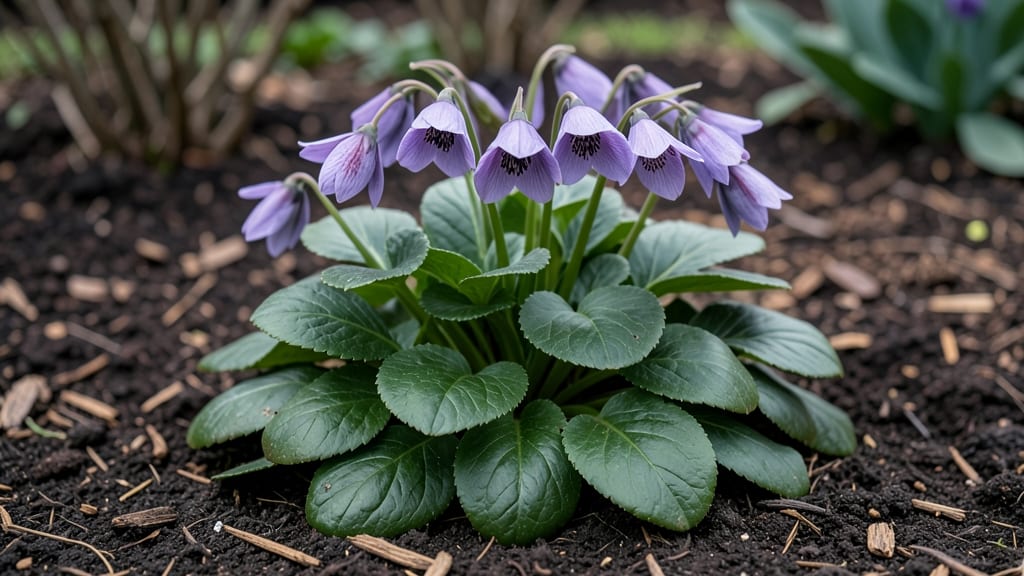
Purple hellebore flowers are the unsung heroes of early spring gardens—blooming when most plants are still asleep under snow. 🌿 I’ve grown them for years, and they’ve never failed to deliver that first burst of color, even in the coldest winters.
The key lies in their love of shade, rich soil, and patience; they reward you with delicate blooms that last for weeks.
These cold-hardy perennials thrive in partial to full shade, making them perfect for under trees or along north-facing walls. Your soil should be well-draining but moist—think of it as a balance between a forest floor and a damp sponge.
Watering is simple: keep the soil consistently moist but never soggy, especially during their first growing season. Once established, they’re surprisingly low-maintenance.
What you’ll love most is how they transform your garden into a jewel-toned wonderland by late winter or early spring. The blooms start as tight buds and unfurl into nodding, cup-shaped flowers that hummingbirds adore.
With proper care, your hellebores will multiply over time, creating lush clumps that spread gently each year. The secret to vibrant purple blooms? A little shade, regular feeding in early spring, and avoiding harsh winter winds.
They’re also remarkably pest- and disease-resistant, which means fewer headaches and more time admiring their unique charm. Whether you’re a seasoned gardener or just starting out, purple hellebores are a foolproof way to bring early color and texture to your landscape. Let’s get those roots in the ground!
📚 In This Guide
- What you need
- Instructions
- Tips and common mistakes
- Wrapping up and next steps
What you need
- ● Purple hellebore plants (Helleborus niger or hybrid varieties): 1–3 nursery-grown plants (bare-root or potted, 1–2 years old)
- ● Ensure they’re cold-hardy (zones 4–9)
- ● Well-draining soil: 50% native soil + 50% organic matter (compost or leaf mold)
- ○ Optional: Perlite or coarse sand (1 part) for heavy clay soils
- ● Mulch: 2–3 inches of shredded bark, wood chips, or pine needles
- ● Garden trowel or transplant spade
- ● Garden gloves (to protect from prickly stems)
- ● Watering can or hose with a gentle spray nozzle
- ● Pruners (sterilized, for deadheading or shaping)
- ○ pH testing kit (optional, ideal soil pH: 6.0–7.0)
- ● Slow-release fertilizer (balanced 10-10-10 or organic options like fish emulsion)
- ● Epsom salt (for magnesium-rich soils, 1 tbsp per plant annually)
- ● Shade cloth (if planting in hot climates)
- ● Decorative rocks or pebbles (for a polished look)
Step-by-step instructions for planting and caring for purple hellebore flowers
Here's how to grow these stunning early bloomers that thrive in shade and cold.
🌱 Step 1: Choose the Perfect Planting Location
Purple hellebores love dappled shade or partial sun—think under deciduous trees where they get morning light but afternoon shade. Avoid full sun spots, which can scorch their delicate blooms. Test the spot by observing how much light it gets throughout the day, especially in spring when they'll be blooming.
Here's the thing—these plants hate soggy roots but also despise dry soil. Amend the soil with 3-4 inches of compost to improve drainage while retaining moisture. Work it into the top 12 inches of soil so roots can establish easily. I always dig a hole twice as wide as the root ball but only as deep as the container—hellebores don't like being buried too deep.
🪴 Step 2: Plant at the Right Depth and Spacing
Dig your planting hole and set the hellebore in so the top of the root ball sits just below soil level—never deeper than where it grew in its container. The crown (where stems meet roots) should never be buried. Gently backfill with native soil mixed with a handful of compost, tamping lightly to eliminate air pockets.
Space plants 12-18 inches apart—closer for a dense woodland look, wider for a more airy arrangement. I like to plant them in odd-numbered groupings (threes or fives) because they create natural focal points. Water deeply right after planting to settle the soil and encourage root contact.
☀️ Step 3: Provide Consistent Moisture and Mulch
Water newly planted hellebores every 2-3 days until new growth appears—about 2-3 weeks. After that, they're quite drought-tolerant once established. You'll know they need water when the top 2 inches of soil feel dry to the touch. Overwatering is worse than underwatering with these plants.
Spread 2-3 inches of mulch (like shredded bark or leaf mold) around each plant, keeping it 3 inches away from the stem. This conserves moisture, regulates soil temperature, and prevents weeds. Replenish mulch annually in early spring before new growth begins. The mulch should look like a neat donut around each plant, not piled against the stems.
✂️ Step 4: Deadhead and Divide as Needed
Remove spent flower stems by cutting them back to the first set of healthy leaves after blooming. This keeps the plant looking tidy and encourages next year's flowers. I always use clean, sharp pruners to avoid damaging the foliage. Never cut into old leaf growth—just the flower stalks.
Divide hellebores every 3-4 years in early spring or fall when the plant looks crowded. Dig up the clump, separate the sections with a sharp knife, and replant immediately. Each division should have at least 3-5 healthy leaves. This prevents overcrowding and rejuvenates flowering. You'll see stronger blooms within a season after dividing.
🌿 Step 5: Protect from Slugs and Winter Prep
Hellebores are slug magnets, especially in damp springs. Set out beer traps (a shallow dish of beer) or use organic slug bait around plants in early spring. I also sprinkle diatomaceous earth lightly around the base—it's non-toxic but deters slugs effectively. Check plants daily for damage, especially after rain.
In fall, cut back old foliage to 4-6 inches tall once new growth appears in spring. The old leaves provide winter protection for the crown. In harsh winters, add a 2-3 inch layer of mulch to insulate the roots. These plants are cold-hardy, but a little extra protection ensures they'll bounce back strong every spring.
Tips & tricks for perfect purple hellebore planting
These small details make all the difference when growing these delicate woodland beauties.
Soil Preparation Tip: Before planting, test your soil's drainage by digging a small hole and filling it with water. If it drains completely within 30 minutes, your soil is perfect. If water pools after 1 hour, amend with additional compost or sand to improve drainage. Purple hellebores will reward you with stronger blooms when their roots aren't sitting in soggy conditions.
Planting Depth Secret: When setting your hellebore in the hole, use your finger to gently press around the root ball to check depth. The top should sit just below soil level—no deeper, no shallower. I've seen gardeners bury these too deep, which can cause crown rot. Think of it like planting potatoes: the "eyes" (crown) should peek just above the soil line.
Watering Wisdom: Those first 2-3 weeks after planting are critical. Water deeply every 2-3 days, but pay attention to the weather. On rainy days, reduce watering to prevent over-saturation. I always check moisture by sticking my finger 2 inches into the soil—if it's dry at that depth, it's time to water. Overwatering is the #1 reason hellebores fail.
Mulching Mastery: When you spread that 2-3 inches of mulch, create a "donut" shape around each plant—keep mulch 3 inches away from stems to prevent rot. I use shredded bark because it breaks down slowly and improves soil structure over time. Replenish mulch every spring before new growth appears to maintain consistent moisture levels throughout the season.
Pro Tips for Purple Hellebore Flowers
- These small details make all the difference when growing these delicate woodland beauties.
- Soil Preparation Tip: Before planting, test your soil's drainage by digging a small hole and filling it with water. I...
- Planting Depth Secret: When setting your hellebore in the hole, use your finger to gently press around the root ball ...
Frequently asked questions
Got questions about purple hellebore flowers?
You’re not alone! Whether you're a new gardener or just curious about these stunning early bloomers, here are some of the most common queries—and their answers.
When is the best time to plant purple hellebore?
Plant purple hellebore in early fall or late winter for the best results. This gives roots time to establish before spring blooming. If transplanting mature plants, do it in cool, damp weather (avoid summer heat). Pro tip: Water deeply after planting to reduce transplant shock!
How cold-hardy are purple hellebores, really?
These beauties thrive in USDA Zones 4–9, handling winter temps down to -25°F (-32°C) with ease. Their evergreen foliage stays intact even in snow, making them a year-round garden staple. Just ensure they’re planted in well-draining soil to prevent rot in heavy clay.
Why aren’t my purple hellebores blooming?
Common reasons include overcrowding, poor light, or old growth. Try these fixes:
- Divide clumps every 3–4 years to rejuvenate blooms.
- Ensure they get partial shade (too much sun can scorch flowers).
- Deadhead spent blooms to encourage new growth.
Can I grow purple hellebore in containers?
Choose a large pot (12+ inches wide) with drainage holes and use well-draining potting mix. Variegated varieties like ‘Annie’s Winter Gift’ thrive in containers. Move pots to a shady spot in summer to prevent leaf scorch. Great for patios or balconies!
What’s the best companion plant for purple hellebore?
Pair them with ferns, hostas, or lungwort for a lush woodland look. Their low-growing habit also works well under shrubs like azaleas or tall perennials like foxgloves. Avoid aggressive spreaders (like mint) that could crowd them out.
Are purple hellebores toxic to pets or humans?
Yes, all parts of hellebore are mildly toxic if ingested, containing cardiac glycosides. Symptoms in pets (or kids) may include drooling, vomiting, or diarrhea. Keep plants out of reach, and wash hands after handling. Wear gloves when pruning to avoid skin irritation.
Wrapping up and next steps
Purple hellebore flowers are a gardener’s dream—easy to grow, cold-hardy, and bursting with early spring color! Whether you’re a beginner or a seasoned green thumb, these resilient perennials reward patience with stunning blooms and minimal fuss.
Now that you’re equipped with the right soil, light, and care tips, it’s time to roll up your sleeves and transform your garden into a vibrant purple paradise.
🌱 Next step: Mark your calendar for late summer or early fall—that’s when hellebores thrive most! Plant a few this season, and you’ll be the first in the neighborhood to enjoy their cheerful faces when winter fades. Happy gardening! 🌸