
Flowers
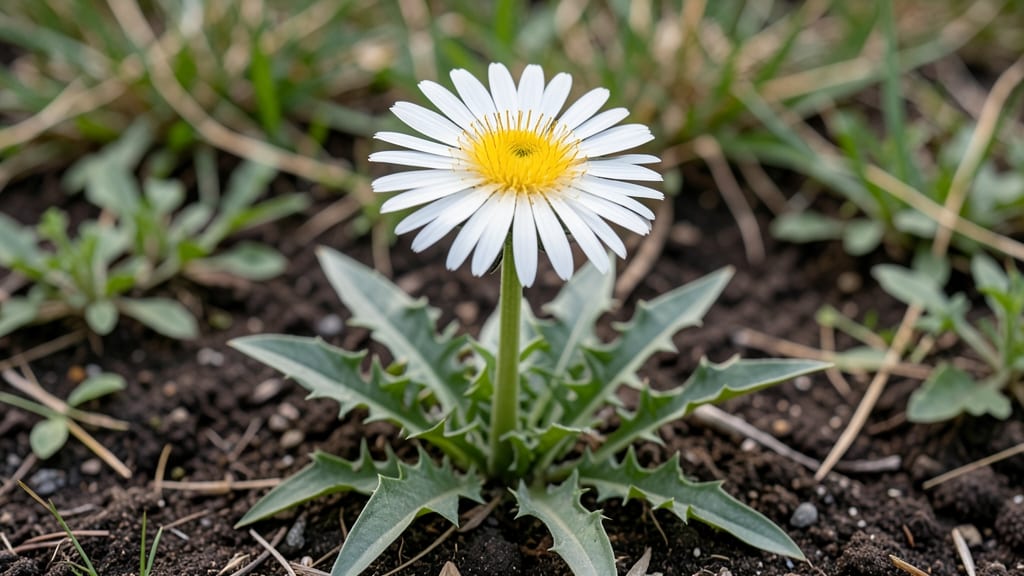
White dandelion flowers are the unsung stars of cottage gardens—bright, cheerful, and effortlessly charming. 🌼 I’ve watched them transform bare patches into pollinator magnets, their delicate petals catching sunlight like tiny mirrors. They’re not just weeds; they’re nature’s way of adding whimsy to any space.
These blooms pair beautifully with lavender, black-eyed Susans, or even wild roses, creating a soft, romantic look. In late spring, their white petals contrast perfectly against deep greens and purples, while their seed heads add winter interest.
Plus, they’re tough enough to thrive in poor soil, making them a low-maintenance choice.
You can use them fresh in bouquets, dried in arrangements, or scattered across meadows to attract bees and butterflies. Their airy, feathery seed heads even add texture to winter wreaths. Imagine a garden where every season feels intentional—white dandelions help make that happen.
Whether you’re designing a pollinator garden, a wildflower meadow, or a cozy cottage border, these flowers bring effortless beauty. They remind us that sometimes the simplest elements create the most impactful spaces. Let’s bring a little more of that magic into your garden.
📚 In This Guide
- What you need
- Instructions
- Tips and common mistakes
- Wrapping up and next steps
What you need
- ● Fresh dandelion flowers: Harvest only blooms from pesticide-free areas (like organic gardens or roadsides away from traffic). Aim for 10–15 flowers per serving.
- ● Water: 1–2 cups (for rinsing or cocktails). Use filtered or spring water for the best flavor.
- ● Knife or floral shears: A sharp pair to snip stems cleanly (avoid dull blades that crush petals).
- ● Bowl: A stainless steel or glass bowl (plastic can absorb odors).
- ● Paper towels or salad spinner: For gentle drying (dandelions bruise easily!).
- ○ Edible flower syrup or honey: 1–2 tbsp to sweeten cocktails or salads (optional but highly recommended!).
- ● Citrus zest or fresh herbs: Lemon, lime, or mint to pair with flowers in drinks.
- ● Food-safe white vinegar: 1 tsp in rinse water to preserve color if storing briefly.
- ● Glass jars with lids: For storing flowers in the fridge (1–2 days max for peak freshness).
How to grow and harvest white dandelion flowers for culinary use
These hardy blooms thrive with minimal effort—here's how to coax their delicate petals into your kitchen.
🌱 Step 1: Identify and Prepare the Growing Site
White dandelions (Taraxacum officinale) grow wild in lawns and meadows, but for consistent harvests, choose a sunny patch with well-draining soil. They tolerate poor soil but flourish in loose, slightly alkaline conditions. Avoid areas treated with herbicides—dandelions absorb chemicals that can make flowers bitter.
Test soil moisture by pressing your finger 1 inch deep—if it feels dry, water lightly before planting. Dandelions hate soggy roots, so raised beds or slopes improve drainage. I often grow mine along garden edges where they self-seed naturally without becoming invasive.
☀️ Step 2: Encourage Blooms Through Proper Care
Dandelions need full sun (6+ hours daily) for tight, flavorful buds. If your site gets afternoon shade, expect smaller blooms that open later. Water deeply once weekly during dry spells—wilting stems produce bitter petals, so keep soil consistently moist but never waterlogged.
Here's the thing—dandelions bloom best when left undisturbed. Avoid fertilizing; their deep taproots thrive on natural nutrients. Instead, mulch with 2 inches of straw in late winter to protect crowns from temperature swings. You'll see the first white buds appear in early spring, peaking in late spring to early summer.
✂️ Step 3: Harvest at Peak Freshness
Pick flowers when fully open but before petals yellow or drop. Use clean, sharp scissors to cut 2-3 inches of stem—this prevents uprooting and encourages more blooms. Harvest in the morning after dew dries to preserve moisture and flavor. I always rinse stems briefly in cold water to remove dirt, then pat dry with a paper towel.
For salads, use petals immediately or store in a sealed container in the fridge for up to 3 days. For cocktails, remove any green sepals (they're bitter) and dry petals between paper towels to prevent wilting. Watch for aphids—spray with soapy water if you spot clusters on stems.
🌿 Step 4: Preserve or Use Fresh Blooms
Fresh petals add delicate sweetness to salads, garnish cocktails, or infuse simple syrups. To dry for later use, lay flowers on a screen in a dark, airy spot for 3-5 days. Store dried petals in an airtight jar away from light—they'll keep for up to 6 months but lose some color.
Real talk: White dandelions taste milder than yellow varieties, but both share that earthy sweetness. I've used them in everything from lemonade to savory vinaigrettes. Just avoid the base of the flower (where the green parts meet)—that's where bitterness hides.
Tips & tricks for perfect white dandelion harvests
Took me years of trial-and-error to master these little tricks—now you can skip the headaches and grow perfect white dandelions for your kitchen.
Location Intelligence: The secret to consistent harvests lies in choosing the right spot. I've found that white dandelions thrive in areas with 6+ hours of direct sunlight and naturally alkaline soil. Test your soil by pressing your finger 1 inch deep—if it feels dry, water lightly before planting. I avoid fertilizing because their deep taproots actually prefer lean soil. Confession: I skipped this step for years and wondered why my flowers kept tasting bitter!
Timing Secret: Harvest timing makes all the difference. Pick flowers when they're fully open but before petals start yellowing—this is when they're sweetest. I always harvest in the morning after dew dries, using clean scissors to cut 2-3 inches of stem. This prevents uprooting and encourages more blooms. For cocktails, remove any green sepals (they're bitter) and pat petals dry between paper towels to prevent wilting.
Preservation Strategy: Fresh petals keep for up to 3 days in the fridge, but for long-term storage, drying is your best friend. Lay flowers on a screen in a dark, airy spot for 3-5 days until completely dry. Store dried petals in an airtight jar away from light—they'll keep for up to 6 months but lose some color. I've used dried petals in everything from winter salads to infused oils.
Pest Prevention: Watch for aphids, which love dandelion stems. I've had the best success with a simple soapy water spray (1 tablespoon mild dish soap per quart of water). Spray stems thoroughly in the evening when bees aren't active. This natural approach keeps your flowers pest-free without chemicals that could affect flavor.
Pro Tips for White Dandelion Flower
- Took me years of trial-and-error to master these little tricks—now you can skip the headaches and grow perfect white dandelions for your kitchen.
- Location Intelligence: The secret to consistent harvests lies in choosing the right spot.
- Timing Secret: Harvest timing makes all the difference.
Frequently asked questions
Got questions about white dandelion flowers? You’re not alone!
Here are some of the most common queries—plus quick, practical answers to help you make the most of these edible blooms.
Are white dandelion flowers really edible?
Yes! Just like their yellow cousins, white dandelion flowers (often called "white dandelions" or "white swamp dandelions") are completely edible—petals, stems, and all. However, always confirm the plant’s identity before eating to avoid lookalikes like Lactuca serriola (prickly lettuce). Harvest from pesticide-free areas for safety.
When is the best time to pick white dandelion flowers?
Harvest when blooms are fully open but still fresh—early morning is ideal. Avoid wilting or rain-damaged flowers. For petals, snip just before using (they wilt quickly). If storing, refrigerate in a damp paper towel for up to 3–4 days. Pro tip: Pick stems early to encourage more blooms!
Can I use white dandelion flowers in cocktails or just salads?
Their mild, slightly sweet flavor works beautifully in both. Try them in:
- Cocktails: Garnish gin or vodka drinks (like a dandelion lemonade) or infuse syrup.
- Salads: Toss petals over greens for a peppery crunch.
- Tea: Steep blooms in hot water for a caffeine-free herbal tea.
What should I do if my white dandelions taste bitter?
Bitter flavor usually means the flowers are overripe or stressed. Try these fixes:
- Harvest younger blooms—they’re milder.
- Soak petals in cold water for 10–15 mins to reduce bitterness.
- Grow in well-drained soil and avoid drought stress.
Are there non-white dandelion flowers I can use instead?
Yes! If white dandelions aren’t available, try these edible alternatives with similar textures:
- Yellow dandelion flowers (classic, slightly bitter).
- Calendula petals (mild, orange, great for salads).
- Nasturtium flowers (peppery, vibrant colors).
- Violet or pansy flowers (delicate, floral notes).
Wrapping up and next steps
The white dandelion flower isn’t just a pretty sight—it’s a versatile, edible treasure waiting to brighten your plate or glass! 🌼 From zesty salads to refreshing cocktails, these blooms add a unique, slightly bitter crunch that elevates any dish.
Whether you’re a foraging newbie or a seasoned chef, now’s the perfect time to harvest, clean, and savor their delicate beauty.
Ready to dive in? Start by identifying local dandelions (always double-check for pesticides!) and experiment with a simple recipe—your taste buds (and Instagram feed) will thank you. 😉