
Size
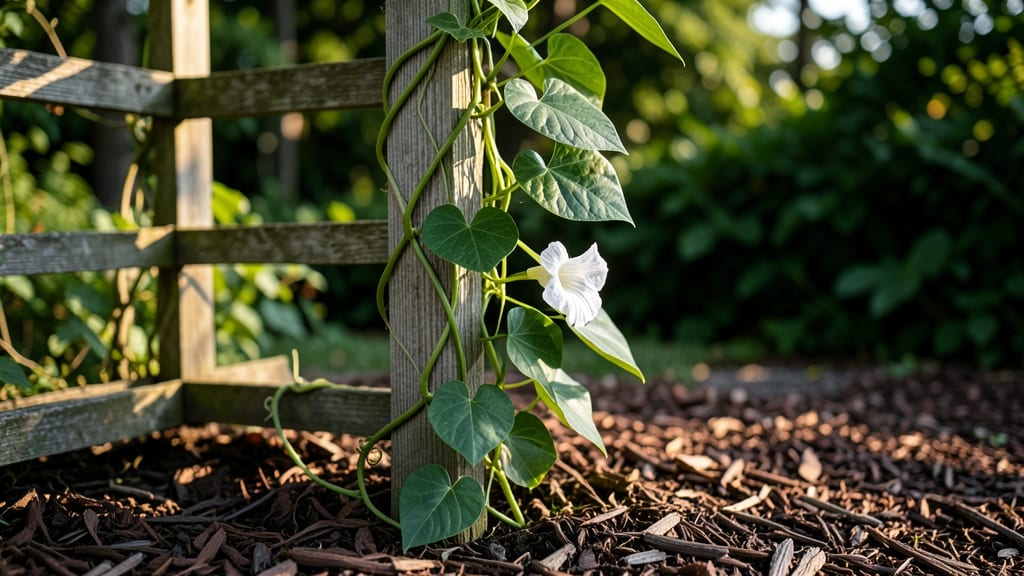
Growing moon flowers in your garden means waking up to fragrant white blooms that only open at night. 🌙 I’ve turned my backyard into a twilight showpiece by mastering three simple trims that keep these vines producing all season—even in cooler months.
The key isn’t complicated: it’s about sunlight, pruning timing, and a little patience.
Moon flowers thrive in full sun but tolerate partial shade, making them perfect for fences, trellises, or even containers. They love well-draining soil and bloom best when given consistent moisture—not soggy roots.
The real magic happens at night: their intoxicating scent attracts moths, turning your garden into a nocturnal paradise. With just three strategic cuts, you’ll encourage bushier growth and more blooms.
By late summer, you’ll see clusters of creamy-white flowers unfurling after sunset, their petals glowing under moonlight. The vines grow aggressively, so regular pruning keeps them manageable while boosting flower production.
Even in colder climates, these vines can survive with a little winter protection—think mulch and a cozy spot against a wall.
Whether you’re a beginner or a seasoned gardener, moon flowers reward effort with drama. Start with healthy vines, keep them happy with sunlight and water, and trim them right—you’ll have a garden that comes alive after dark. Ready to transform your evenings?
📚 In This Guide
- What you need
- Instructions
- Tips and common mistakes
- Wrapping up and next steps
What you need
- ● Moonflower seeds: 5–10 seeds (or 1–2 starter plants if transplanting). Choose organic, non-GMO seeds for best results.
- ● Well-draining potting mix: 2–3 gallons (for containers) or enrich your garden soil with compost (1 part compost to 3 parts soil).
- ○ Containers (optional but handy): 12–15" pots with drainage holes (1–2 per plant) or a raised bed (3' x 3' minimum for multiple plants).
- ● Slow-release fertilizer: 1 cup (for containers) or sprinkle ½ cup per square foot in garden beds. Look for a balanced 10-10-10 or organic options like worm castings.
- ● Mulch: Straw or shredded bark (1–2 inches) to retain moisture and suppress weeds.
- ● Garden trowel or hand shovel (for planting seeds or transplanting).
- ● Watering can or hose with a gentle spray nozzle (moonflowers love hydration but hate soggy roots!).
- ● Pruning shears (sharp, clean pair for trimming spent blooms and shaping vines).
- ○ Gloves (optional but recommended—those vines can be tough!).
- ● Trellis or sturdy stakes (4–6 ft tall; moonflowers are climbers!).
- ● Sunlight: Full sun (6+ hours daily) for optimal blooms. Partial shade (4–6 hours) works in hot climates.
- ● Temperature: Plant after the last frost (seeds germinate best at 65–75°F). Hardy to USDA zones 10–12; in cooler zones, grow as an annual or overwinter indoors.
- ● Water: Keep soil consistently moist (not waterlogged) during germination and flowering. Reduce watering once established.
- ● Patience: Seeds take 7–14 days to sprout, and vines may take 2–3 months to bloom—but oh, are they worth it!
How to cultivate moon flowers for season-long blooms
Here's the straightforward approach I've used to keep moonflowers flowering reliably for months.
🌱 Step 1: Select and Plant Moonflower Seeds in Well-Draining Soil
Moonflowers thrive in full sun to partial shade with 6+ hours of direct light daily. Choose a location with loose, well-draining soil—these vines hate soggy roots. I always mix in 1 part perlite to 3 parts garden soil for better aeration, especially in heavy clay areas.
Plant seeds ½ inch deep after the last frost date in spring, spacing them 12-18 inches apart for climbing varieties. The key is patience—germination takes 10-21 days, so keep the soil consistently moist but never waterlogged during this period. You'll know it's working when the first true leaves appear, about 2 weeks after germination.
☀️ Step 2: Provide Support and Consistent Watering
Moonflowers are vigorous climbers and need sturdy support. Install a 6-foot trellis or fence near planting spots before vines develop—transplanting established plants is difficult. I use powder-coated metal trellises because they last years without rusting.
Water deeply 2-3 times per week during the first growing season, aiming for 1 inch of water per week. Let the top 2 inches of soil dry between waterings to prevent fungal issues. Once established, moonflowers become drought-tolerant, but consistent moisture produces larger blooms. Watch for wilting in extreme heat—this is your signal to water immediately.
✂️ Step 3: Implement the 3-Step Pruning System for Continuous Blooms
The secret to year-round blooms lies in strategic pruning. First, remove any dead or yellowing leaves as soon as you spot them—this redirects energy to new growth. I always carry small pruning shears and do this check weekly during the growing season.
Second, after the first flush of blooms, cut back spent flowers to just above the first set of healthy leaves. This encourages the plant to produce more side shoots. The third step is the most critical: in late summer, prune back one-third of the vine's length to stimulate a final fall flush of blooms. Here's the thing—this late pruning must happen before mid-September in most climates, or the plant won't have time to recover before winter.
🌿 Step 4: Prepare for Winter and Encourage Spring Regrowth
In fall, after the first frost blackens the vines, cut them back to 6 inches above ground level. This prevents disease buildup in the soil and makes spring regrowth easier. I always mark the pruning spot with a small stake so I don't cut too low.
In early spring, as new growth emerges, apply a balanced 10-10-10 fertilizer around the base of the plant. This gives moonflowers the boost they need to produce their signature night-blooming flowers. You'll see new leaves appear within 2-3 weeks—this is your cue that the plant is recovering well from winter dormancy.
Tips & tricks for perfect moonflower cultivation
Real talk: Moonflowers are one of the easiest perennials to grow, but these small details make all the difference between a few blooms and a season-long show. Here's what nobody tells you—
Soil Science Matters: While the instructions mention perlite, I've found adding composted cow manure (1 part to 3 parts soil mix) during planting boosts early growth dramatically. The extra nutrients help young plants establish stronger roots during that critical 10-21 day germination window. For heavy clay soils, mix in 1 part coarse sand to improve drainage—moonflowers will reward you with larger blooms when their roots aren't struggling.
Pruning Precision: When you're doing that late summer one-third pruning (before mid-September!), focus on cutting just above a leaf node where multiple side shoots emerge. I use my thumb to feel for the slight bump where new growth will appear—this creates more blooming sites next season. And here's the thing: if you're in a warm climate, you can actually do a second light pruning in late fall to encourage even more spring blooms.
Watering Wisdom: That 2-3 times per week guideline works, but I've learned to adjust based on your local weather. In extreme heat (90°F+), I water every other day in the afternoon to prevent wilting, then reduce back to the schedule once temps drop. The key is always checking that top 2 inches of soil—if it's dry, it's time to water. Overwatering is the #1 cause of fungal issues that kill moonflowers.
Winter Prep Secret: After your fall cutback to 6 inches, I recommend adding a 2-inch layer of mulch around the base. This protects roots from temperature swings and retains moisture during spring thaw. In colder climates, you can even mound soil up around the base for extra insulation. The new growth you'll see in 2-3 weeks is your reward for this simple step.
Pro Tips for Moon Flower Grow A Garden
- Real talk: Moonflowers are one of the easiest perennials to grow, but these small details make all the difference between a few blooms and a season-long show.
- Soil Science Matters: While the instructions mention perlite, I've found adding composted cow manure (1 part to 3 parts soil mix) during planting boosts early growth dramatically.
- Pruning Precision: When you're doing that late summer one-third pruning (before mid-September!), focus on cutting just above a leaf node where multiple side shoots emerge.
Frequently asked questions
Got questions about growing moon flowers? You’re not alone! Here are some of the most common concerns—and their simple solutions—to help you cultivate these dreamy blooms with confidence.
When is the best time to plant moon flowers?
Moon flowers (Ipomoea alba) thrive in warm climates and are best planted after the last frost when soil temperatures reach at least 60°F (15°C). In cooler zones, start seeds indoors 6–8 weeks before the last frost or opt for transplants. They’re annuals in most areas but can be grown as perennials in USDA zones 10–11.
How long does it take for moon flowers to bloom?
With patience, you’ll see blooms 60–90 days after planting—but only if given full sun (6+ hours daily) and well-draining soil. For faster results, choose established plants (not seeds) or plant in late spring. Pro tip: Deadhead spent blooms to encourage more flowers!
Can moon flowers grow in containers or small gardens?
Moon flowers are vining climbers and do well in containers (10+ gallons) with a trellis or obelisk. For small spaces, prune regularly to control height. Use lightweight potting mix and water consistently—containers dry out faster. Just ensure the pot has drainage holes to avoid root rot.
What pests or diseases should I watch for?
Moon flowers are generally low-maintenance, but keep an eye out for aphids, spider mites, or powdery mildew in humid conditions. Spray affected areas with neem oil or insecticidal soap. To prevent mildew, ensure 6+ hours of sunlight and avoid overhead watering. Healthy plants resist pests better!
Are there alternatives if moon flowers don’t thrive in my climate?
If your area is too cool, try evening primrose (Oenothera) or four o’clock flowers (Mirabilis jalapa), which also bloom at night. For a similar look, morning glories (another vine) offer daytime blooms in shades of blue and purple. All three are easy to grow and attract pollinators!
Wrapping up and next steps
Growing moonflowers in your garden is a rewarding journey that brings ethereal beauty and year-round blooms with minimal effort! 🌙 With the right trims—like deadheading, pruning for shape, and seasonal maintenance—you’ll enjoy vibrant flowers from spring to frost.
Start small, stay consistent, and watch your garden transform into a magical nighttime oasis.
Ready to dive in? Pick your favorite moonflower variety and grab your shears—your garden’s next masterpiece is just a trim away! 🌸