
Flowers
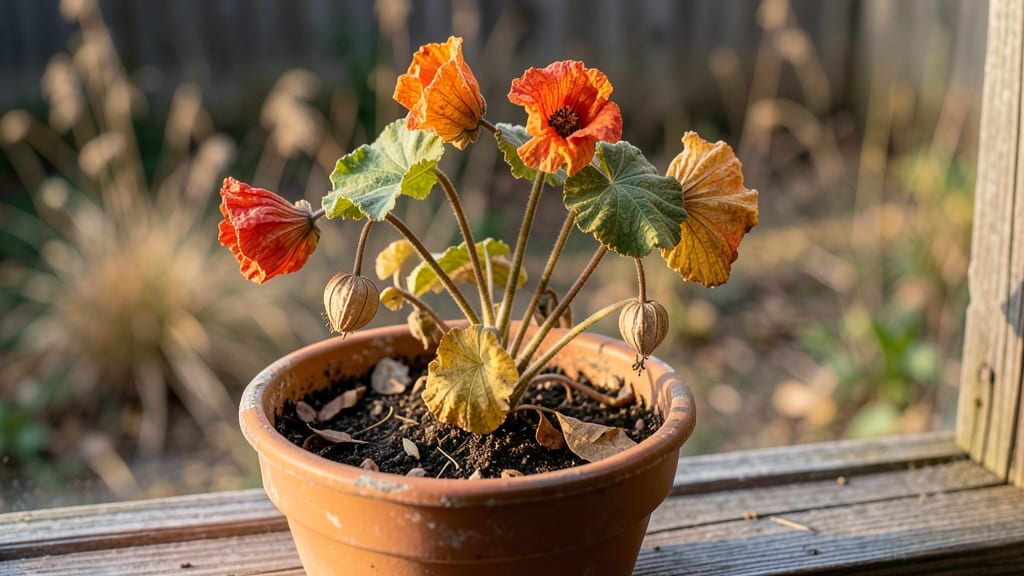
Dried nasturtium flowers add a pop of color and a peppery kick to your home decor and meals. 🌸 Their vibrant hues and delicate petals transform ordinary spaces into something extraordinary, whether scattered on salads or woven into rustic arrangements.
Unlike many dried flowers, nasturtiums stay edible, making them uniquely versatile for both culinary and decorative projects.
The preservation process is simpler than you might think—just a few hours of air-drying or a quick pass through the dehydrator. You’ll need fresh, fully bloomed flowers, a clean drying surface, and a little patience.
Once dry, these petals keep their bright colors and subtle spice for months, perfect for crafting wreaths, potpourri, or even framed floral art.
Imagine a centerpiece where nasturtiums mingle with eucalyptus and dried lavender, or a salad topped with their crisp, tangy petals. The possibilities are endless, from seasonal garlands to edible garnishes that double as decor.
With just a handful of blooms, you can elevate any room or dish with a touch of natural beauty and flavor.
This method works year-round, whether you’re preserving summer’s bounty or creating winter arrangements. Start with a small batch to test your preferred drying technique—you’ll be hooked on the results. Let’s get those petals ready for their next act in your home or kitchen.
📚 In This Guide
- What you need
- Instructions
- Tips and common mistakes
- Wrapping up and next steps
What you need
- ● Fresh nasturtium flowers (harvest fully bloomed but not wilted petals; aim for 2–3 cups for a good yield).
- ● Clean, sharp scissors or pruning shears (to avoid crushing stems).
- ● Paper towels or a clean kitchen towel (for gentle drying).
- ● Air-dry tray or clean, flat surface (like a wire rack or baking sheet lined with parchment paper).
- ● Small paper bags, mesh bags, or airtight containers (for storage; quart-sized works well).
- ○ Food dehydrator (optional; set to 95–115°F (35–46°C) for even drying).
- ○ Oven (low heat) (optional; prop door open and bake at 170°F (77°C) for 1–2 hours).
- ○ Silica gel packets (optional; for speed-drying delicate petals).
- ● Labeling tags & marker (to note harvest date and flavor notes like peppery or citrusy).
Step-by-Step guide for harvesting and drying nasturtium flowers
Here's how to turn your garden's vibrant blooms into edible, fragrant petals for salads and garnishes.
🌿 Step 1: Harvest Flowers at Peak Freshness
Pick flowers early in the morning when dew is still on the petals—this ensures maximum moisture and freshness. Choose fully open blooms with vibrant colors; avoid any that show signs of wilting or browning around the edges. Use clean, sharp scissors or pinch the stems just above a leaf to avoid damaging the plant.
Harvesting too many flowers at once can stress the plant, so limit yourself to about one-third of the blooms per harvest session. If you're drying a large quantity, spread out your collection over 2-3 days to keep the plant producing. The reason we harvest early is that the petals contain the most flavor and color when they're freshest—this is what makes them perfect for culinary use.
☀️ Step 2: Prepare Flowers for Drying
Gently separate the petals from the flower heads, being careful not to tear them. Lay them flat on a clean, dry surface like a baking sheet lined with parchment paper or a paper towel. This prevents them from sticking together and ensures even drying. If you're drying a large batch, work in small groups to avoid overcrowding.
Here's the thing—nasturtium petals dry best when they're completely dry to the touch before handling. If you notice any moisture on the petals after separation, let them air out for 10-15 minutes before arranging them. The goal is to create a single layer of petals so air can circulate freely around each one—this prevents mold and ensures even drying.
💧 Step 3: Choose Your Drying Method
For the best flavor and color retention, I recommend air-drying nasturtium petals. Place the prepared petals on a wire cooling rack or a screen in a warm, dry, and well-ventilated area. Keep them out of direct sunlight—too much heat can bleach the petals and reduce their vibrancy. A dehydrator set to 95°F works well too, but monitor closely to prevent overheating.
Air-drying takes about 3-5 days, depending on humidity levels. You'll know they're ready when the petals are completely dry to the touch and brittle enough to crumble slightly. Store the dried petals in an airtight container like a glass jar with a tight-sealing lid, keeping them in a cool, dark place to preserve their color and flavor.
⏰ Step 4: Store and Use Dried Petals
Once fully dried, store the petals in a glass jar with a tight lid to keep them fresh. Label the jar with the date to track freshness—dried nasturtium petals stay good for up to 6 months if stored properly. The petals should be completely dry with no moisture left, or they'll spoil quickly.
Use your dried petals to add a pop of color and peppery flavor to salads, garnishes, or even cocktails. A little goes a long way—start with ½ teaspoon per serving to taste. The petals retain their bright orange, yellow, or red hues, making them a stunning addition to any dish. If you notice any petals losing their color or developing a musty smell, it's time to replace them.
Tips & tricks for perfect dried nasturtium petals
Here's what nobody tells you about turning garden blooms into edible treasures without ruining them.
Timing Secret: In Step 1, those early morning harvests aren't just about dew—they're about capturing the peak flavor and color. I've found that harvesting when the petals are still slightly damp (but not wet) from morning dew actually helps preserve their vibrant hues during drying. If you miss morning, afternoon works too, but avoid harvesting after rain when petals may be too damp.
Preparation Technique: When separating petals in Step 2, work quickly but gently—nasturtium petals are delicate. I've ruined batches by tearing them, which makes them less appealing for garnishes. Lay them on parchment paper with a bit of space between each one; this creates better airflow during drying. If you're drying a large batch, work in small groups of 20-30 petals at a time to avoid overcrowding, which leads to uneven drying.
Drying Strategy: The 3-5 day air-drying window in Step 3 can feel like forever, but patience pays off. I recommend placing your drying setup near a fan (but not in direct airflow) to speed up the process slightly while preventing mold. If you're using a dehydrator at 95°F, check them after 2 days—they might be ready sooner, especially in dry climates. The key is complete dryness: petals should crumble slightly when touched, not feel leathery.
Storage Wisdom: For Step 4, I've learned the hard way that moisture is the enemy of dried petals. Store them in glass jars with a packet of silica gel or a slice of bread in the container to absorb any lingering moisture. Label with the date and store in a cool, dark pantry—not the fridge, unless you're using them within a few weeks. The peppery flavor intensifies slightly over time, making them even more flavorful after a month of storage.
Pro Tips for Dried Nasturtium Flowers
- Here's what nobody tells you about turning garden blooms into edible treasures without ruining them.
- Timing Secret: In Step 1, those early morning harvests aren't just about dew—they're about capturing the peak flavor and color.
- Preparation Technique: When separating petals in Step 2, work quickly but gently—nasturtium petals are delicate.
Frequently asked questions
Got questions about using dried nasturtium flowers? You’re not alone! Here are answers to the most common queries—from prep tips to creative swaps.
How long do dried nasturtium flowers last?
When stored in an airtight container (like a jar with a tight lid) away from light and moisture, dried nasturtium petals stay fresh for 6–12 months. Check for crispness—if they feel brittle or lose color, it’s time to compost them!
Can I dry nasturtium flowers in a dehydrator instead of air-drying?
Set your dehydrator to 95°F (35°C) and dry the flowers for 2–4 hours, flipping them halfway. Avoid high heat—it can turn petals bitter. Test one batch to perfect your timing!
What’s the best way to store dried nasturtium petals?
Keep them in a dark, cool place (like a pantry) in a sealed container with a silica gel packet to absorb moisture. For long-term storage, freeze them in ice cube trays with water—perfect for quick garnishes!
Are there alternatives if I can’t find nasturtium flowers?
Try calendula, borage, or pansies—they’re edible and add vibrant colors! For a peppery kick, swap in dried rose petals (organic only) or even thinly sliced radish petals. Always taste-test first!
Why do my dried nasturtium petals taste bitter?
Overdrying or using old flowers can make them bitter. Ensure they’re fully dry (no moisture) and store them properly. If they’re still too strong, rinse briefly in cold water before using—this mellows the flavor.
Wrapping up and next steps
Dried nasturtium flowers add a burst of color, peppery zing, and versatility to your culinary creations—whether you're a seasoned chef or a home cook experimenting with edible garnishes. 🌸 Their ease of drying and long shelf life make them a fantastic addition to your pantry, ready to elevate dishes from salads to cocktails.
Now that you know how to harvest, dry, and preserve them, why not start small?
Try sprinkling a pinch over your next summer salad or infusing them into homemade vinegar or honey. Experiment, have fun, and let your taste buds guide you! Happy foraging and cooking! 🌿✨