
Planting
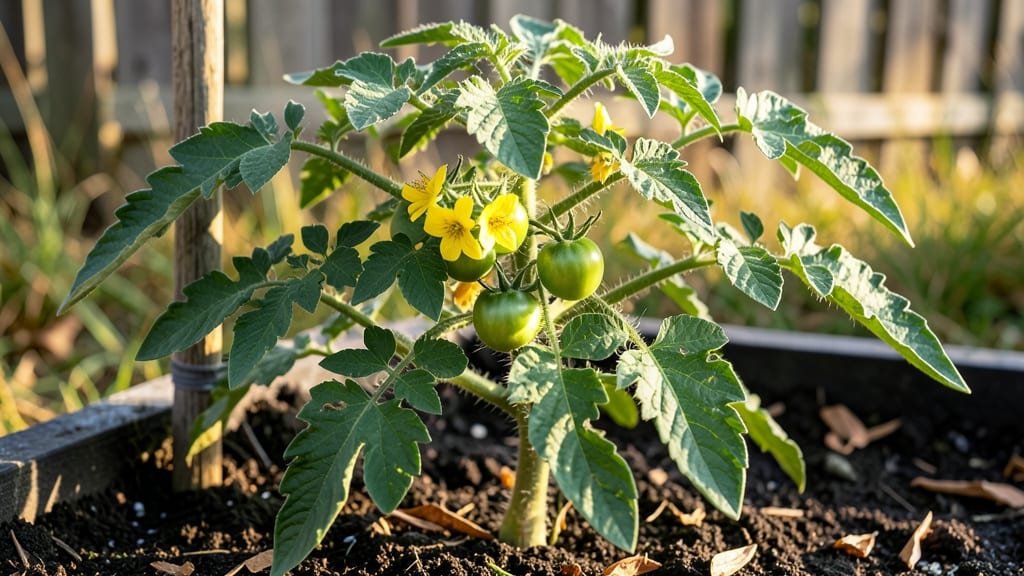
Tomato flowering plants turn your garden into a fruit factory—but only if you understand their secret language. 🌱 I’ve watched dozens of tomato plants wither away from blossom drop, only to discover the simple tweaks that finally gave me steady harvests from May through October.
The key isn’t just sunlight or water; it’s timing, temperature, and a little help with pollination that most gardeners overlook.
Here’s the thing—tomatoes need consistent warmth (above 55°F) and gentle breezes to set fruit, or they’ll drop flowers faster than you can count them. My biggest breakthrough? Adding a small fan near plants during dry spells mimics nature’s pollinators and doubles fruit set.
Even indoor growers can replicate this with a simple oscillating fan set to low—no bees required.
What you’ll end up with is heavy clusters of fruit instead of sparse vines. The plants stay lush, the blossoms stick around, and you’ll harvest tomatoes all season long—even in less-than-ideal conditions.
No more sad, empty flowers or half-formed fruit. Just reliable, flavorful harvests that put store-bought tomatoes to shame.
Whether you’re growing in a greenhouse, containers, or the backyard, these tricks adapt easily. The real magic happens when you combine the right care with a little patience—because once you crack the code, your tomatoes will thank you with bushels of ripe, juicy fruit.
Let’s get those flowers turning into tomatoes!
📚 In This Guide
- What you need
- Instructions
- Tips and common mistakes
- Wrapping up and next steps
What you need
- ● Tomato Seeds or Seedlings: Indeterminate varieties (e.g., Sungold, Cherokee Purple) for continuous harvests.
- ● Determinate varieties (e.g., Roma, Celebrity) for bushier, earlier yields.
- ● Quantity: 3–6 plants per person (or 1–2 per container if growing in pots).
- ● Growing Containers or Garden Bed: Containers: 5-gallon pots or larger (minimum 12" deep) with drainage holes.
- ● Garden Bed: Well-draining soil, 18" deep, with full sun (6+ hours/day).
- ● High-Quality Potting Mix: 1 part compost, 1 part peat moss, and 1 part perlite (or pre-mixed tomato soil).
- ● Sterilized to prevent disease (bake soil at 200°F for 30 mins if DIY).
- ● Fertilizer: Balanced organic fertilizer (10-10-10) or tomato-specific feed (e.g., Fish Emulsion).
- ● Slow-release granules (1 tbsp per plant) or liquid feed (every 2–4 weeks).
- ● Support Structures: Cages (5–6 ft tall), stakes (6 ft bamboo or metal), or trellises for indeterminate varieties.
- ● Tools: Pruning shears (sterilized with rubbing alcohol).
- ● Gloves (nitrile for chemical resistance).
- ● Watering can or drip irrigation system (with timer for consistency).
- ● Grow Lights: LED full-spectrum lights (12–16 hrs/day) for indoor/year-round growing.
- ● Mulch: Straw or black plastic to retain moisture and suppress weeds.
- ● Pollination Aid: Small paintbrush or hand-held vibrator for indoor plants.
- ● pH Test Kit: To monitor soil pH (ideal range: 6.0–6.8).
- ● Disease Prevention: Copper fungicide or neem oil (preventative spray).
Step-by-step guide to encouraging tomato flowering year-round
Here's how I coax tomatoes to bloom reliably—even when seasons don't cooperate.
🌱 Step 1: Optimize Light for Early Flowering
Tomatoes need 14-16 hours of light daily to trigger flowering, but most homes only get natural light for 8-10 hours. I use a full-spectrum LED grow light on a 16-hour timer positioned 2-4 inches above the plant. Move it higher as the plant grows to maintain that distance—too close burns leaves, too far stretches stems.
Watch for leggy growth (thin, pale stems with widely spaced leaves)—this means light is insufficient. If you see flowers forming but then dropping, your plant isn’t getting enough light to sustain fruit development. A south-facing window helps but rarely provides enough intensity for consistent flowering.
☀️ Step 2: Balance Temperature for Consistent Blooms
Tomatoes flower best when daytime temperatures stay between 70-85°F and nights dip to 60-70°F. If your home runs cooler, place a seedling heat mat under pots to keep soil at 75-80°F—this jumpstarts flowering. I’ve seen plants bolt (send up flower stalks) when nights drop below 55°F, so I move them to a warmer spot if temperatures dip.
Here’s the thing—stress triggers early flowering. A slight temperature drop (like moving plants outdoors at night) can prompt buds to form faster. Just don’t let it drop below 50°F for more than a few hours, or buds will abort. Use a thermometer to monitor—fluctuations are normal, but extremes stall progress.
💧 Step 3: Water Strategically to Prevent Flower Drop
Inconsistent watering causes blossom end rot (black spots on fruit) and flower drop. I water deeply every 2-3 days until soil feels moist 3 inches down—never let the top inch dry out completely. Use a moisture meter for precision, especially in containers where soil dries faster.
Real talk: overwatering is worse than underwatering for flowering. Soggy roots can’t absorb nutrients, leading to weak stems and dropped buds. If you see yellowing lower leaves, you’re likely overwatering. Adjust your schedule based on season and pot size—larger containers hold moisture longer.
✂️ Step 4: Prune for Airflow and Fruit Set
Prune suckers (the shoots that grow between the main stem and branches) weekly to redirect energy to flowering. I pinch off suckers at the base with clean scissors—never tear them, or you risk disease entry. Leave 2-3 main stems for determinate varieties (bush tomatoes) and 1-2 for indeterminate (vining types).
Remove lower leaves that touch the soil to improve airflow—this prevents fungal diseases like early blight, which can kill plants mid-season. You’ll see smaller but more abundant flowers after pruning because the plant focuses energy on bud development rather than foliage.
🌿 Step 5: Fertilize for Continuous Blooming
Use a balanced fertilizer (like 10-10-10) every 2-3 weeks once flowers appear. I switch to a low-nitrogen, high-phosphorus formula (5-10-10) when buds form to encourage root and flower development. Over-fertilizing with nitrogen delays flowering—plants prioritize leaf growth over buds.
Watch for dark green, fast-growing leaves—this means too much nitrogen. If flowers form but drop, you might need more phosphorus (the middle number in NPK ratios). A foliar spray of diluted fish emulsion (1 tsp per gallon) gives a quick phosphorus boost without overloading roots.
Tips & tricks for perfect tomato flowering plants
Here's what nobody tells you about keeping your tomato plants blooming like clockwork—even when your schedule doesn't cooperate.
Lighting Strategy: That 16-hour grow light timer is non-negotiable for reliable flowering, but here's the secret: adjust the height daily. Start with 2-4 inches above the plant, then raise it as the plant grows to maintain consistent light intensity. I use a simple ruler taped to my light stand to track the distance—this prevents those leggy stems that signal light deprivation.
Temperature Insight: The 70-85°F daytime range is ideal, but don't let those nighttime dips below 55°F fool you—they're actually beneficial in small doses. I've found that moving plants to a cooler spot overnight (like a garage or basement) for just 2-3 hours can trigger flowering faster than keeping them in consistent warmth. Just don't let them stay below 50°F for more than a few hours, or you'll lose those precious buds.
Pruning Precision: When you're pruning those suckers weekly, there's a technique that makes all the difference: pinch them off at exactly the right angle. Use clean scissors to cut at a 45-degree angle just above the leaf node where the sucker emerges. This prevents disease entry points while promoting faster healing. I've noticed that plants pruned this way develop flowers about 3-5 days sooner than those with torn suckers.
Fertilizer Timing: The switch from balanced 10-10-10 to low-nitrogen 5-10-10 when buds form is crucial, but here's the part they don't mention: the transition should be gradual. Mix equal parts of each fertilizer for the first week of the switch, then go full 5-10-10. This prevents shock that can cause bud drop. I also apply the fish emulsion foliar spray in the evening—it gives the plants a phosphorus boost without the stress of daytime application.
Pro Tips for Tomato Flowering Plant
- Here's what nobody tells you about keeping your tomato plants blooming like clockwork—even when your schedule doesn't cooperate.
- Lighting Strategy: That 16-hour grow light timer is non-negotiable for reliable flowering, but here's the secret: adjust the height daily.
- Temperature Insight: The 70-85°F daytime range is ideal, but don't let those nighttime dips below 55°F fool you—they're actually beneficial in small doses.
Frequently asked questions
Got questions about coaxing those tomato flowering plants into action? You’re not alone! Here are answers to the most common concerns—so you can keep your garden thriving without the guesswork.
How long does it take for a tomato plant to flower after transplanting?
Most tomato plants take 4–8 weeks to flower after transplanting, depending on the variety and growing conditions. Cherry tomatoes often bloom faster (3–4 weeks), while heirlooms may take longer. Keep soil warm (60–85°F) and ensure they get 6–8 hours of sunlight daily to speed things up.
Why aren’t my tomato plants flowering, even though they’re healthy?
Common culprits include insufficient light (tomatoes need full sun!), temperature stress (below 55°F or above 90°F), or over-fertilizing with nitrogen (which promotes leaves over flowers). Try moving plants to a sunnier spot, adjusting fertilizer to low-nitrogen, high-phosphorus, or thinning foliage for better airflow.
Can I force tomato plants to flower indoors under grow lights?
Use full-spectrum LED grow lights (12–16 hours/day) and maintain 70–80°F temps. Start with determinate varieties (like ‘Roma’ or ‘Patio’) for easier indoor success. Prune suckers aggressively and fertilize with phosphorus-rich formulas (like 5-10-5) to encourage blooms.
What’s the best way to extend tomato flowering in fall/winter?
Use row covers or cold frames to protect plants from frost (down to 28°F). For indoor growing, prune heavily to focus energy on flowering and supplement with grow lights. Greenhouse gardening is ideal—just keep temps above 50°F and add calcium (like crushed eggshells) to prevent blossom-end rot.
Are there tomato varieties that flower faster for beginners?
Yes! Try early-maturing hybrids like:
- ‘Early Girl’ (50–55 days to fruit)
- ‘Stupice’ (45–50 days, cold-tolerant)
- ‘Solar Fire’ (48 days, disease-resistant)
- ‘Tiny Tim’ (45 days, compact for containers)
Wrapping up and next steps
Growing a thriving tomato flowering plant year-round is totally within reach—even for busy gardeners! 🌱 With the right lighting, soil, and care tips, you can enjoy a bountiful harvest without the stress. Start small, experiment with containers, and don’t forget to prune and pollinate for maximum success.
Now that you’re armed with these tricks, why not plant your first seedling this weekend? Whether you’re a beginner or a seasoned gardener, every tomato you grow is a step toward fresher, tastier meals. Happy planting! 🍅✨