
Planting
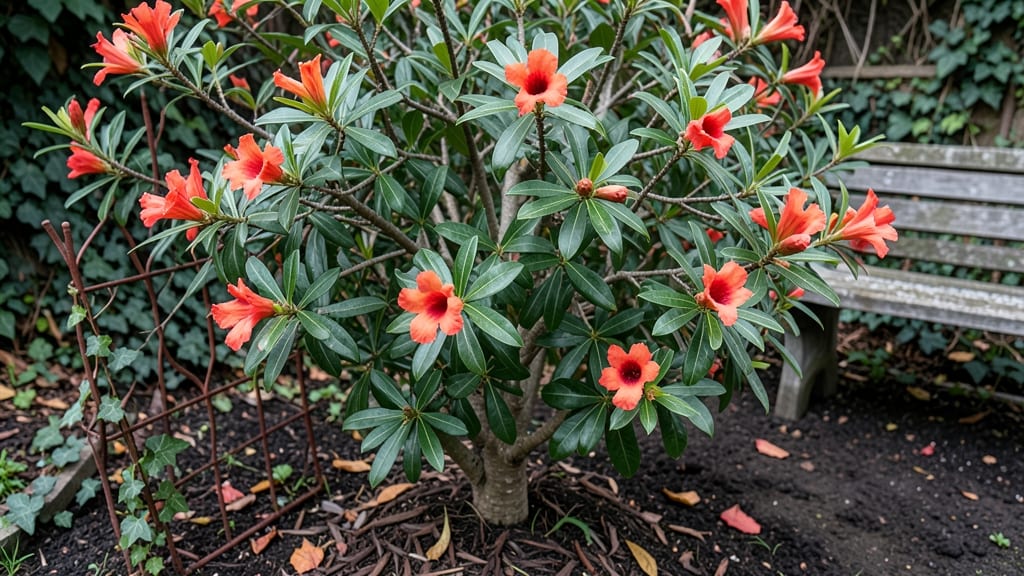
The flowering pomegranate plant delivers stunning blooms and edible fruit with almost no fuss—once you know the tricks. I’ve grown mine for three years now, and the secret isn’t in pruning or fussing over soil; it’s in understanding its natural rhythm.
This drought-tolerant beauty thrives in heat and full sun, making it perfect for Mediterranean climates or containers on patios.
You’ll need well-draining soil, a spot with at least 6 hours of sunlight daily, and patience—because the first fruit takes about two years to ripen. The varieties range from ornamental types with vibrant red flowers to fruit-bearing ones like ‘Wonderful’ or ‘Eversweet,’ which produce sweet, jewel-like seeds.
Water deeply once a week (more in extreme heat), and fertilize lightly in spring with a balanced 10-10-10 mix.
What you’ll end up with is a low-maintenance plant that bursts with color from spring to fall, followed by glossy fruit that stays on the tree for months. The flowers alone make it a standout, but the fruit?
That’s the real reward—juicy, tart-sweet seeds perfect for salads or cocktails. Prune only to shape, and you’ll have a plant that rewards you year after year.
Works just as well in pots (choose a 15-gallon container) as in the ground, and it’s tough enough to handle neglect. Here’s how to get started without the overwhelm—because this plant is built for gardeners who want beauty and bounty with minimal effort.
📚 In This Guide
- What you need
- Instructions
- Tips and common mistakes
- Wrapping up and next steps
What you need
- ● Flowering pomegranate plant: 1–3 young trees (3–5 ft tall, preferably grafted for better fruit production)
- ● OR seeds from a ripe pomegranate (germination takes 4–8 weeks)
- ● OR hardwood cuttings (6–8 inches long, taken in late winter)
- ● Well-draining soil: Mix of 60% garden soil, 30% compost, and 10% perlite/sand (pH 5.5–7.0).
- ● Container or planting hole: For containers: 15–20 gallon pot (minimum 18" deep) with drainage holes.
- ● For in-ground: Hole twice as wide as the root ball, with a 6-inch mound of soil at the bottom.
- ● Organic mulch: 2–3 inches of wood chips, straw, or pine bark (keeps roots cool and moist).
- ● Garden trowel or spade (for digging).
- ● Pruning shears (sterilized with rubbing alcohol).
- ● Watering can or hose with a gentle spray nozzle (avoid soaking the plant).
- ○ pH testing kit (optional but helpful for soil adjustments).
- ● Fertilizer: Balanced 10-10-10 or citrus-specific fertilizer (apply every 6–8 weeks in growing season).
- ○ Support stake (optional): For young plants in windy areas (use a 5–6 ft bamboo stake).
- ● USDA Hardiness Zones: 7–11 (can tolerate brief dips to 15°F if protected).
- ● Sunlight: Full sun (6–8+ hours daily) for optimal flowering/fruiting.
- ● Water access: Drip irrigation or soaker hose (pomegranates hate soggy roots!).
- ● Cold protection (for Zones 6 & below): Burlap wrap or frost cloth for young plants.
- ● Mulch pile (12+ inches) around the base in winter.
Step-by-step guide to cultivating a thriving flowering pomegranate
Here's how to coax vibrant blooms and eventual fruit from this drought-tolerant beauty.
🌱 Step 1: Select and Prepare the Right Planting Site
The flowering pomegranate (Punica granatum) thrives in full sun with at least 6-8 hours of direct light daily. Choose a location with well-draining soil—this plant despises soggy roots. If your native soil is heavy clay, amend it with 3-4 inches of compost mixed into the top 12 inches of soil before planting.
I dig a hole twice as wide as the root ball but only as deep as the container's height. The plant's graft union (visible as a swollen area near the base) should sit 1-2 inches above soil level—this prevents root rot while allowing for future mulch coverage. Water the root ball thoroughly before placing it in the hole to minimize transplant shock.
🪴 Step 2: Plant and Establish Proper Spacing
Space your flowering pomegranate 8-10 feet apart—these plants grow into dense, multi-stemmed shrubs that need room to breathe. For container growing, select a pot at least 24 inches in diameter with drainage holes, using a cactus/succulent mix amended with 20% perlite.
Backfill the hole with native soil, pressing gently to eliminate air pockets. Create a 2-inch deep watering basin around the base and water deeply until moisture reaches 12 inches deep. Mulch with 2-3 inches of bark or gravel (never organic mulch—it retains too much moisture). The first year is critical: keep soil consistently moist but never waterlogged.
☀️ Step 3: Implement Strategic Watering and Fertilization
Once established, flowering pomegranates are remarkably drought-tolerant. Water deeply every 7-10 days during dry spells, aiming for 1-1.5 gallons per plant. You'll know it's time when the top 4-6 inches of soil feel dry to the touch. Overwatering causes root rot—this plant's native Mediterranean climate teaches it to store water in its thick stems.
Fertilize lightly in early spring with a balanced 10-10-10 formula at half strength. Avoid high-nitrogen fertilizers—they promote leafy growth at the expense of blooms. I use 1 tablespoon of fertilizer per plant, worked into the soil around the drip line. For container plants, use ¼ teaspoon per gallon of water monthly during growing season.
✂️ Step 4: Prune for Airflow and Flower Production
Minimal pruning is key to this plant's vigor. In late winter or early spring, remove dead, crossing, or rubbing branches first. Then, cut back overly vigorous shoots by one-third to encourage bushier growth. The goal is an open, vase-shaped structure that allows sunlight to penetrate to the center where most flowers form.
Never prune after mid-summer—new growth won't harden off before winter. I make clean cuts just above outward-facing buds using sterilized pruners. For container plants, limit pruning to removing only dead wood—their root volume is limited. The reward? A spectacular display of crimson-red flowers that appear in late summer and persist through fall.
Tips & tricks for perfect flowering pomegranate plant care
These game-changing insights will help you coax spectacular blooms and bountiful fruit from your flowering pomegranate with minimal effort.
Sunlight Optimization: While the instructions specify 6-8 hours of direct sun, I've found that morning sun paired with afternoon shade in hot climates actually produces more vibrant blooms. The intense midday sun can scorch delicate new growth—watch for leaves curling as a warning sign. Position your plant where it gets gentle afternoon shade during peak summer heat (around 12-3 PM). This balance prevents stress while maintaining the full sun requirement.
Soil Preparation Secret: The 3-4 inches of compost recommendation is excellent, but I take it further by adding a handful of crushed eggshells to the planting hole. This provides calcium that strengthens cell walls, making the plant more resilient to drought and disease. The eggshells also break down slowly, releasing nutrients over time. For container plants, mix in a tablespoon of crushed shells directly into the cactus/succulent mix.
Watering Technique: When creating that 2-inch deep watering basin, I always add a layer of small gravel at the bottom before filling with soil. This creates natural drainage channels that prevent water from pooling around the roots. For established plants, I use a soil moisture meter to verify when the top 4-6 inches are dry—this eliminates guesswork and prevents both underwatering and overwatering. The meter's readings become more reliable after the first growing season.
Pruning Precision: The instructions mention cutting back overly vigorous shoots by one-third, but I've found that making these cuts at a 45-degree angle just above an outward-facing bud creates more vigorous regrowth. This angled cut increases surface area for water absorption and directs growth outward, creating that ideal open vase shape. Always sterilize your pruners between cuts with rubbing alcohol to prevent spreading disease—this is especially important when working with multiple branches.
Pro Tips for Flower Pomegranate Plant
- These game-changing insights will help you coax spectacular blooms and bountiful fruit from your flowering pomegranat...
- Sunlight Optimization: While the instructions specify 6-8 hours of direct sun, I've found that morning sun paired wit...
- Soil Preparation Secret: The 3-4 inches of compost recommendation is excellent, but I take it further by adding a han...
Frequently asked questions
Got questions about growing your flower pomegranate plant? You’re not alone! Here are answers to the most common concerns—so you can enjoy lush blooms and juicy fruit with confidence.
How long does it take for a pomegranate plant to bear fruit?
A flower pomegranate plant typically takes 3–5 years to produce fruit from seed, but grafted varieties can bear fruit in just 2–3 years. Patience pays off—young plants focus on root and branch growth before flowering. Choose a dwarf variety if you’re short on space and eager for fruit!
Why aren’t my pomegranate flowers turning into fruit?
Missing fruit? Check these common culprits:
- Pollination issues: Pomegranates are self-pollinating, but bees or gentle hand-pollination (brush flowers with a soft brush) can help.
- Temperature stress: Flowers drop if temps dip below 50°F (10°C) or rise above 95°F (35°C).
- Over-fertilizing: Too much nitrogen = lush leaves, fewer flowers. Use a balanced 10-10-10 fertilizer instead.
If problems persist, your plant may be too young or need more sunlight (6+ hours daily).
Can pomegranate plants survive winter in cold climates?
Most flower pomegranate plants thrive in USDA Zones 7–11, but with protection, they can handle colder temps. In Zones 6 or lower:
- Plant in a sheltered spot (near a south-facing wall).
- Mulch heavily with straw or leaves (6+ inches) to insulate roots.
- Wrap the trunk with burlap or bubble wrap in late fall.
- Consider container growing—move pots indoors or to a garage when temps drop below 20°F (-7°C).
Dwarf varieties like ‘Wonderful’ are hardier options for cooler areas.
Are the flowers or fruit of a pomegranate plant edible?
Both are edible and delicious:
- Flowers: Use them fresh in salads (petals are tart and crunchy) or infuse them in syrups, teas, or cocktails. Remove the bitter white base before eating.
- Fruit: The arils (seeds) are sweet and juicy—perfect for snacks, juices, or desserts. The rind is edible when cooked (e.g., in jams or pickles).
Pro tip: Harvest fruit when it turns deep red and feels heavy for its size.
What’s the best alternative if I can’t grow a pomegranate plant?
If your climate or space limits pomegranates, try these low-maintenance, fruit-bearing alternatives:
- Dwarf citrus trees (e.g., Calamondin): Thrives in containers, produces edible fruit and fragrant flowers.
- Fig trees: Hardy, fast-growing, and bear fruit in 2–3 years; great for warm climates.
- Passionfruit vines: Vigorous climbers with vibrant flowers and tropical fruit (needs a trellis).
- Blueberry bushes: Cold-hardy, easy to grow, and packed with antioxidants.
Each offers unique flavors and benefits—pick based on your zone and taste!
Wrapping up and next steps
Growing a flowering pomegranate plant is a rewarding journey that brings vibrant blooms and delicious fruit with surprisingly little effort! 🌸 With the right soil, sunlight, and minimal pruning, you’ll enjoy a thriving plant that keeps giving year after year.
Whether you’re a beginner or a seasoned gardener, this hardy beauty is perfect for adding color and flavor to your space.
Ready to take the next step? Start by selecting your favorite variety, gathering your supplies, and giving your pomegranate plant the love it deserves. Happy planting—and enjoy the sweet rewards of your labor! 🍇✨