
Flowers
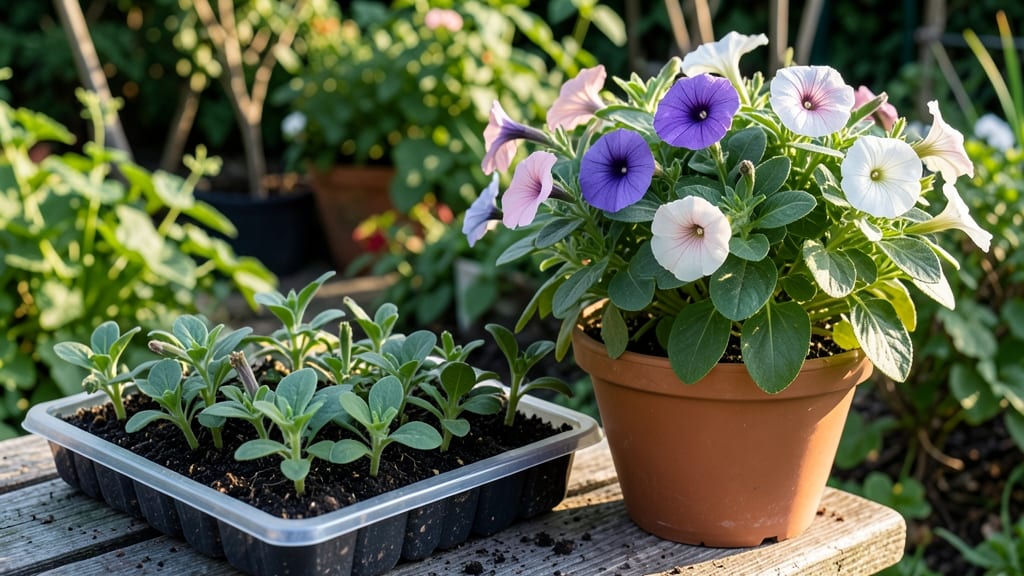
Here are some essential tips for planting flowers—sunlight, soil, and timing are the three factors that turn wilted petals into a thriving, vibrant border. 🌸 I’ve learned the hard way that skipping even one of these can leave you with plants struggling to thrive, no matter how much you water them.
The right spot means blooms that last all season, while the wrong one means sad, leggy stems reaching for light they’ll never find.
Begin with soil that drains well but holds moisture—think crumbly, rich, and slightly gritty. Most flowering plants hate soggy roots, so amend heavy clay with compost or sand, and avoid planting in low spots where water pools.
A handful of slow-release fertilizer mixed in at planting gives them a head start, and mulch afterward keeps roots cool and weeds at bay. Spacing matters too: crowding invites disease, while giving plants room lets them breathe and grow strong.
You’ll know you’ve done it right when new growth appears within two weeks, with buds forming by midseason. The flowers will open brighter and last longer because the plants aren’t fighting for space or nutrients.
Seasonal timing is everything—cool-season bloomers like pansies go in early spring or fall, while heat-lovers such as zinnias wait until soil warms to 60°F. A quick soil thermometer check avoids guesswork.
Common mistakes? Overwatering (roots need air too), planting too deep (check the tag), and ignoring mulch (it’s not optional). Even experienced gardeners forget these basics—so take notes, mark your beds, and adjust as you go. The first year is about learning; the second year is where the magic happens.
📚 In This Guide
- What you need
- Instructions
- Tips and common mistakes
- Wrapping up and next steps
What you need
- ● Flower seeds or seedlings: Choose based on your climate and sunlight conditions (e.g., annuals like marigolds or perennials like lavender). Start with 3–5 plants per square foot for a lush look.
- ● Potting soil or garden soil: Use a high-quality, well-draining mix (e.g., 50% topsoil + 50% compost for in-ground planting). For containers, opt for lightweight potting mix.
- ● Organic fertilizer: A balanced, slow-release fertilizer (e.g., 10-10-10 NPK ratio) or compost to nourish roots. Apply 1–2 tablespoons per plant at planting time.
- ● Mulch: Shredded bark, straw, or wood chips (2–3 inches thick) to retain moisture and suppress weeds.
- ● Garden trowel or hand shovel: For digging small holes (ideal depth: 2–3 times the root ball size of seedlings).
- ● Pruning shears: To trim dead foliage or shape plants. Choose bypass pruners for clean cuts.
- ● Watering can or hose with a gentle nozzle: Aim for 1–1.5 inches of water per week, either from rainfall or irrigation.
- ● Gloves: Heavy-duty gardening gloves to protect your hands from thorns and dirt.
- ● Plant markers or stakes: Label seedlings with their names or colors.
- ● Slow-release watering granules: Reduce manual watering for up to 6 weeks.
- ● Plant food spray: A quick nutrient boost for wilting or newly planted flowers.
- ● Knee pad or stool: For comfort during long planting sessions.
Step-by-Step tips for planting flowers like a pro
Here's how I get vibrant blooms every time—no guesswork involved.
🌱 Step 1: Choose the Right Spot Based on Sunlight Needs
First, observe your garden's sunlight patterns for at least a full day. Most flowers need either full sun (6+ hours daily) or partial shade (3-6 hours). I always check the plant tag first—sun-loving varieties like zinnias will wilt in shade, while impatiens in hot afternoon sun turn crispy.
Mark your garden with stakes to track sun exposure. The north side of your yard gets the least sun, while south-facing areas bake all afternoon. If you're planting in containers, move them to test different spots before committing. You'll notice leaves yellowing or wilting if you've got the light wrong within a week.
💧 Step 2: Prepare the Soil for Healthy Roots
Loosen the soil to a depth of 12 inches with a garden fork or tiller. This breaks up compaction and lets roots spread easily. I mix in 2-3 inches of compost to improve drainage and add nutrients—just work it into the top 6 inches of soil.
For heavy clay soil, add 1 part perlite or coarse sand to 3 parts soil to create air pockets. Sandy soil? Blend in 2 parts peat moss or coconut coir to help retain moisture. The ideal soil should crumble easily when squeezed—if it forms a hard clump, it needs more organic matter.
☀️ Step 3: Plant at the Right Depth and Spacing
Dig holes just twice as wide as the root ball but no deeper—planting too deep suffocates roots. Gently remove plants from their containers and tease apart any circling roots with your fingers. This prevents girdling as they grow.
Space plants according to their mature size—check the tag for spacing needs. Crowding leads to competition for water and nutrients, which means fewer blooms. For example, daylilies need 2-3 feet apart, while pansies can sit 6-8 inches apart. Tap the soil gently after planting to remove air pockets around roots.
✂️ Step 4: Water Properly After Planting
Give newly planted flowers a deep watering right after planting to settle the soil and encourage root growth. Water slowly until it seeps 6 inches deep—you'll know it's enough when water runs out the drainage holes if in containers.
After the first week, water when the top 2 inches of soil feel dry. Early morning is best to prevent fungal diseases from overnight moisture. Avoid overhead watering once flowers appear—water at the base to keep petals dry and vibrant longer.
Tips & tricks for perfect flower planting
Common pitfalls—and how to sidestep every one—when bringing vibrant blooms to life.
Sunlight Strategy: Pay attention to afternoon sun patterns, especially in Step 1. South-facing areas get the hottest sun, while north sides stay cooler. If you're planting sun-lovers like zinnias, move containers to test spots for a week before committing—you'll see wilting within days if they're not getting enough light. For shade plants, watch for crispy edges from too much afternoon sun.
Soil Test Trick: In Step 2, when preparing your 12-inch-deep soil bed, squeeze a handful of soil—it should crumble easily. If it forms a hard clump, you need more organic matter. I keep a small bag of compost on hand to mix in right away. For containers, use a mix that's specifically formulated for flowers to ensure proper drainage and nutrient balance.
Root Care: The depth and spacing in Step 3 are critical. When teasing apart circling roots, work gently—you're not trying to break them, just encourage outward growth. For daylilies, I like to add a handful of bone meal to the planting hole to give them a phosphorus boost for strong roots and more blooms. Tap the soil firmly after planting to eliminate air pockets that could suffocate new roots.
Watering Wisdom: After that deep watering in Step 4, check soil moisture by sticking your finger 2 inches down—if it's dry, it's time to water again. I've found that using a soaker hose for the first week helps maintain consistent moisture without wetting the leaves. Once flowers appear, switch to watering at the base only to keep petals dry and vibrant longer.
Pro Tips for Tips For Planting Flowers
- Common pitfalls—and how to sidestep every one—when bringing vibrant blooms to life.
- Sunlight Strategy: Pay attention to afternoon sun patterns, especially in Step 1.
- Soil Test Trick: In Step 2, when preparing your 12-inch-deep soil bed, squeeze a handful of soil—it should crumble easily.
Frequently asked questions
Got questions about planting flowers? You’re not alone! Here are some of the most common concerns—plus quick, practical answers to help you grow a thriving garden with confidence.
When is the best time to plant flowers?
The ideal time depends on your climate and flower type. In most regions, spring (after the last frost) and early fall are the sweet spots—soil is warm but not scorching, and plants have time to establish roots. For perennials, fall planting often gives them a head start. Check your local frost dates for precision!
Can I plant flowers in winter?
Winter planting is tricky but possible in mild climates. Focus on cold-hardy varieties like pansies, snapdragons, or winter aconites. Avoid freezing temperatures—cover young plants with mulch or frost cloth. If your area gets heavy snow or ice, wait until spring for best results.
How often should I water newly planted flowers?
Newly planted flowers need consistent moisture—water deeply every 2–3 days for the first 2 weeks (or daily in hot weather). After that, aim for 1–1.5 inches per week, adjusting for rain. Overwatering can harm roots, so check soil moisture 1 inch below the surface before watering again.
What if my flowers aren’t blooming?
Several factors could be at play:
- Insufficient sunlight: Check if your flowers are getting the right light conditions (e.g., sun-loving petunias vs. shade-tolerant impatiens).
- Over-fertilizing: Too much nitrogen = leafy growth, fewer blooms. Use a balanced fertilizer (like 10-10-10) and follow package instructions.
- Deadheading needed: Snip spent blooms to encourage new flowers (except for perennials that self-seed, like black-eyed Susans).
If the problem persists, consider repotting or relocating the plant.
How do I keep pests away from my flowers?
Prevention is key! Start with healthy soil and well-spaced plants to reduce humidity (a pest magnet). Use natural deterrents like:
- Neem oil spray for aphids and mites.
- Diatomaceous earth for crawling insects (reapply after rain).
- Companion planting (e.g., marigolds repel nematodes).
For severe infestations, handpick pests early in the morning or introduce beneficial insects like ladybugs.
Are there low-maintenance flowers for beginners?
Start with these hardy, forgiving picks:
| Flower | Light Needs | Why It’s Great |
|---|---|---|
| Zinnias | Full sun | Bloom nonstop, drought-tolerant, and attract pollinators. |
| Lantana | Sun to part shade | Deer-resistant, thrives in heat, and flowers all season. |
| Sedum (Stonecrop) | Sun to part shade | Succulent-like, needs almost no water, and spreads easily. |
| Black-Eyed Susans | Full sun | Perennial, tough as nails, and blooms from summer to fall. |
Bonus: Herbs like lavender also double as pest-repelling decor!
Wrapping up and next steps
Planting flowers is a rewarding journey that combines a little science with a lot of heart! 🌸 By mastering the basics—like choosing the right sunlight, preparing nutrient-rich soil, and timing your seasonal planting—you’ll set your garden up for vibrant blooms and lush growth.
Remember, even small steps make a big difference, so don’t hesitate to start with just a few plants or experiment with containers.
Now that you’re armed with these tips, it’s time to get your hands dirty! Grab your gardening tools, pick out your favorite flowers, and create a space that brings joy to you and pollinators alike. Happy planting—your future garden will thank you! 🌱✨