
Size
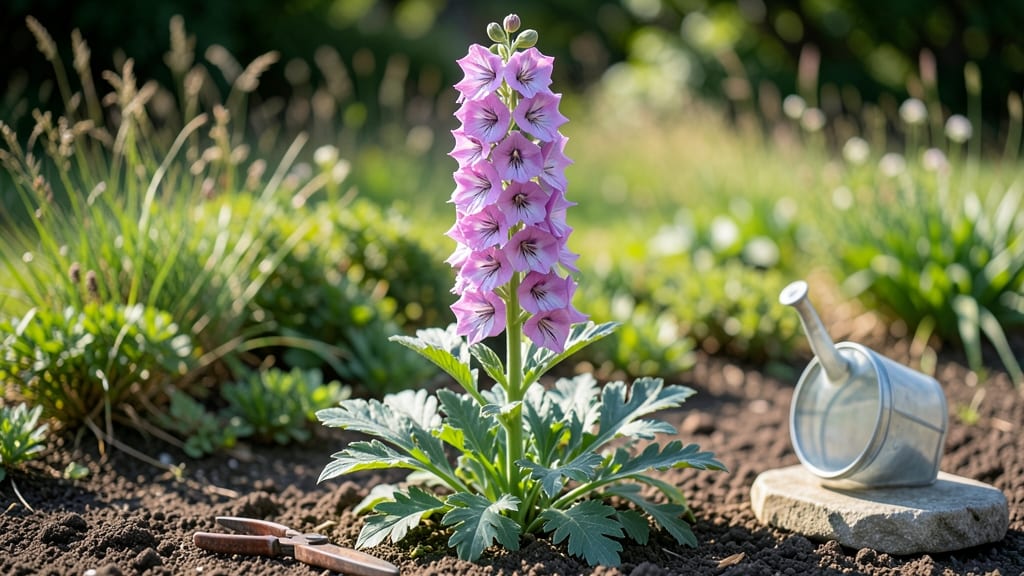
Tall pink flowers on dramatic stems transform any garden into a romantic canvas. 🌸 I still remember the first time I planted delphiniums—how their spires reached skyward like nature’s own chandeliers, catching the light and turning my backyard into a fairy-tale setting.
These vertical stars don’t just fill space; they create depth, drawing the eye upward and making even small gardens feel grand.
Think of them as the backbone of your flower beds: hollyhocks along fences, snapdragons lining pathways, or delphiniums anchoring the back of borders. They thrive in full sun and well-drained soil, with most blooming from early summer through fall—just in time to steal the show when other perennials start fading.
Pair them with shorter pinks like dianthus or salvia for a cascading effect, or let them stand alone as bold focal points.
What you’ll love most is how they turn ordinary spaces into statement pieces. A single hollyhock can make a small patio feel like a secret garden, while a row of snapdragons along a walkway creates a tunnel of color.
Their height also makes them perfect for cutting—long, sturdy stems that hold up in vases for weeks. The key is staking them early to prevent flopping, especially in windy spots.
Whether you’re designing a cottage garden, a modern border, or a vertical display, these pink giants deliver drama with minimal effort. They’re the kind of plants that make neighbors pause and ask, “What are those?”—and that’s exactly the magic we’re after.
📚 In This Guide
- What you need
- Instructions
- Tips and common mistakes
- Wrapping up and next steps
What you need
- ● Tall stem pink flower plants: Choose varieties like Delphinium, Snapdragons, Foxgloves, or Hollyhocks (3–5 mature plants for a bold statement).
- ● Well-draining soil: 5–10 bags of garden loam mixed with compost (1 part compost to 3 parts soil).
- ● Sunlight access: A full-sun location (6+ hours of direct sunlight daily).
- ● Watering can or hose: With a gentle spray nozzle to avoid damaging stems.
- ● Stakes or supports: 3–4 bamboo stakes (3–4 ft tall) or flower rings per plant for stability.
- ● Organic fertilizer: 1–2 slow-release granules (e.g., 10-10-10 or rose-specific blend).
- ● Garden trowel or shovel (for planting).
- ● Pruning shears (to trim dead blooms and encourage growth).
- ○ Mulch (optional): Shredded bark or straw (2–3 inches) to retain moisture.
- ○ Peat moss or perlite (optional): For improving soil drainage in heavy clay.
- ○ Decorative accents (optional): Garden stones, lanterns, or trellises to enhance vertical appeal.
Step-by-Step guide for planting tall pink flowers
Here's how to create striking vertical accents with minimal fuss.
🌱 Step 1: Choose the Right Location
Pick a spot with 6-8 hours of direct sun—most tall pink bloomers like delphiniums, hollyhocks, or snapdragons need plenty of light to reach their full height. I always check the plant tag for sun requirements, but a general rule is: if your thumb can't cast a shadow in full sun, the spot is perfect.
Test your site for afternoon shade. Tall stems can flop under heavy afternoon sun in hot climates, so a morning sun/afternoon shade position works best. If your garden is windy, plant near a fence or wall—wind stress makes stems weak and prone to snapping.
🪴 Step 2: Prepare the Soil
Loosen the soil to a depth of 12 inches with a garden fork or tiller. Tall flowers need deep roots to support their height, so breaking up compacted soil is critical. Mix in 2-3 inches of compost to improve drainage and fertility—this prevents waterlogging that can rot stems at the base.
For heavy clay soil, add 1 part perlite or coarse sand per 3 parts soil to help water drain. You'll know the soil is ready when it crumbles easily between your fingers and holds moisture without becoming soggy. A simple pH test kit ensures the soil is slightly alkaline (6.5-7.5), which most tall pink flowers prefer.
☀️ Step 3: Plant with Proper Spacing
Dig holes twice as wide as the root ball but no deeper. Gently remove the plant from its container and tease the roots outward if they're circling. Place the plant in the hole so the top of the root ball sits 1 inch below soil level—this helps prevent stem rot later.
Space plants 18-24 inches apart for single-stemmed varieties like delphiniums, or 12-18 inches apart for bushier types like snapdragons. Crowding leads to weak stems and poor air circulation, which invites fungal diseases. Water each plant deeply after setting it in the hole to eliminate air pockets around the roots.
💧 Step 4: Water and Support
Water immediately after planting to settle the soil and encourage root growth. Keep the soil consistently moist but not waterlogged for the first 2-3 weeks—you'll know it's right when the top inch feels damp but not soggy. Mulch with 2-3 inches of organic mulch to retain moisture and protect stems from temperature swings.
Install support stakes or rings at planting time if your variety tends to flop (like hollyhocks). Tie stems loosely with soft plant ties or old pantyhose—tight ties can girdle stems as they grow. Check ties monthly and adjust as stems thicken. This prevents stem breakage from wind or heavy blooms.
Tips & tricks for perfect tall stem pink flowers
These simple strategies will help you grow show-stopping vertical accents that last all season.
Sunlight Strategy: In Step 1, when you're checking for that perfect 6-8 hours of sun, pay special attention to the afternoon hours. If your garden gets intense afternoon sun (especially in hot climates), you might need to adjust your planting to morning sun only. I've seen delphiniums wilt dramatically when exposed to more than 4 hours of direct afternoon sun—this is when stems become weak and prone to flopping.
Soil Preparation Secret: For Step 2, if you're working with clay soil, don't just add perlite—mix in some coconut coir or peat moss along with that 1 part perlite. This creates better moisture retention while still improving drainage. The ideal soil should hold moisture like a damp sponge, not a dripping wet rag. You'll know it's right when you can squeeze a handful and see moisture beads form without the soil feeling soggy.
Planting Depth Tip: When placing your plants in Step 3, that 1-inch below soil level is crucial for preventing stem rot. If you're unsure, use a small stick to mark the depth before planting. Also, gently pat down the soil around the base after planting to eliminate air pockets—this helps roots establish contact with moist soil immediately.
Support System: In Step 4, when installing those support stakes, I recommend using at least 3 stakes per plant for varieties like hollyhocks. Arrange them in a tripod formation for maximum stability. For the ties, old pantyhose works perfectly—it's breathable and won't damage stems as they grow. Check these ties every 2 weeks during the growing season, especially after rain or wind storms.
Pro Tips for Tall Stem Pink Flower
- These simple strategies will help you grow show-stopping vertical accents that last all season.
- Sunlight Strategy: In Step 1, when you're checking for that perfect 6-8 hours of sun, pay special attention to the afternoon hours.
- Soil Preparation Secret: For Step 2, if you're working with clay soil, don't just add perlite—mix in some coconut coir or peat moss along with that 1 part perlite.
Frequently asked questions
Got questions about adding drama with tall stem pink flowers?
Here are some of the most common ones—and their answers!
What are the best tall pink flowers for vertical garden accents?
Top picks include Delphinium, Snapdragons, Foxgloves, and Hollyhocks. For bold color, Rudbeckia or Dahlias (pink varieties) work beautifully. Choose based on sunlight needs—most thrive in full sun but check labels for specifics!
When is the best time to plant tall stem pink flowers?
Plant in early spring (after the last frost) or late summer for fall blooms. Perennials like Delphinium benefit from fall planting too. For annuals, start seeds indoors 6–8 weeks before your last frost date for a head start!
How do I keep tall pink flowers from flopping over?
Use stakes, rings, or cages for support—especially for heavy bloomers like Dahlias. Space plants 12–24 inches apart (check labels) to improve airflow. Deadhead spent blooms to encourage new growth and prevent flopping from weight.
What can I plant alongside tall pink flowers for a layered look?
Pair with mid-height plants like Salvia or Coneflowers and low growers such as Thyme or Creeping Phlox. Avoid overcrowding—tall stems need room to shine! For contrast, add silver foliage like Artemisia.
Why aren’t my tall pink flowers blooming?
Common culprits: too much shade, over-fertilizing (focus on bloom boosters), or not enough water. Check soil drainage—waterlogged roots can stunt growth. If using annuals, ensure they’ve had enough time to mature (some take 8–10 weeks!).
Wrapping up and next steps
Adding a tall stem pink flower to your garden isn’t just about beauty—it’s about creating a statement. These striking blooms bring height, elegance, and a pop of color that elevates any outdoor space.
Whether you’re a seasoned gardener or just starting, these flowers are a game-changer for vertical drama. 🌸
Ready to transform your garden? Start small—pick one variety, test the soil, and watch your vision bloom! For extra flair, mix textures and heights with other plants. Your garden’s masterpiece awaits!