
Flowers
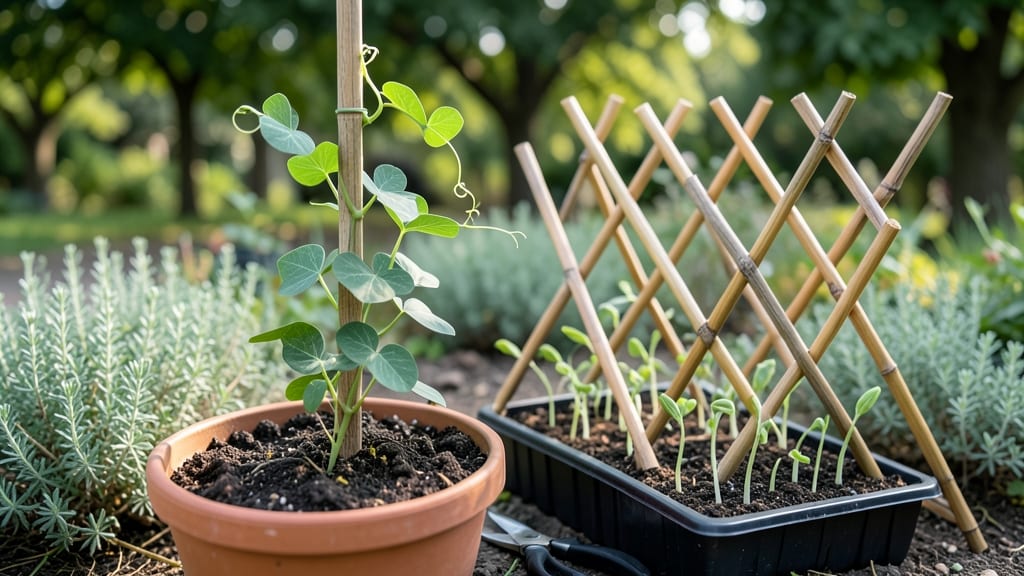
Sweet pea flower sprouts start showing up in just 5-7 days when you nail the soil and moisture—no waiting months for these fragrant climbers to appear. 🌱 I’ve learned the hard way that skipping prep steps means weeks of staring at empty seed trays, but once you get the rhythm, germination becomes shockingly reliable.
The secret isn’t fancy: warmth, moisture, and patience are all you need. Start seeds indoors 6-8 weeks before last frost in a mix of 50% peat-free potting soil and 50% perlite to prevent damping-off.
Plant them ½ inch deep in small pots, then keep them cozy under a plastic dome or in a sealed container until sprouts emerge. Sweet peas love 60-70°F soil temps—too cold and they sulk, too hot and they rot.
Once those first tiny leaves unfurl, you’ll be hooked—bright green, velvety seedlings that grow fast with proper care. Thin to the strongest sprout per pot, then transplant outdoors after hardening off.
The real magic happens when you add tall trellises or stakes early, guiding their vines upward before they get tangled in weeds. By late spring, you’ll have fragrant, edible blooms that hummingbirds adore.
Troubleshooting is simple: damping-off? Reduce watering and improve airflow. Slow germination? Try soaking seeds overnight before planting. And yes, sweet peas do need support—skipping this step means flopping vines and lost blooms. With these tricks, you’ll go from seed to sniffable flowers in under 12 weeks—faster than most annuals.
📚 In This Guide
- What you need
- Instructions
- Tips and common mistakes
- Wrapping up and next steps
What you need
- ● Sweet pea seeds: 10–20 organic, non-GMO seeds (choose heirloom varieties like 'Cupani' or 'Early Sweet' for best flavor and germination).
- ● Growing medium: Option 1: Sprouting jar kit (with mesh lid or sprouting lid, 16–32 oz capacity).
- ● Option 2: Wide-mouth mason jar (16 oz) + cheesecloth or fine mesh screen (sterilized).
- ● Option 3: Sprouting tray (with drainage holes, 10"x20" recommended).
- ● Water: Filtered or distilled (chlorine-free) for rinsing.
- ○ Thermometer (optional but helpful): To monitor water temperature (ideal: 60–75°F).
- ● Colander or fine-mesh strainer (for rinsing seeds if not using a jar).
- ● Spray bottle (with a gentle mist setting for hydration).
- ● Paper towels or sprouting liners (for jar setups, 2–3 sheets per batch).
- ● Grow light or sunny windowsill (6–8 hours of indirect light daily after sprouting).
- ● Notebook & pen (to track germination progress and harvest dates!).
- ● Clean workspace (sanitize jars/tools with vinegar or hydrogen peroxide to prevent mold).
- ● Patience! Sweet peas germinate in 3–7 days—stay consistent with care. 💡
- ● Access to cool (55–65°F) conditions for optimal growth.
Step-by-step guide for germinating sweet pea sprouts quickly
Sweet peas sprout faster when you follow these precise steps—no more waiting weeks for those first delicate leaves.
🌱 Step 1: Soak Seeds Overnight for Faster Germination
Place 4 sweet pea seeds in a small bowl and cover them completely with lukewarm water for 8-12 hours. The reason we soak first is that sweet pea seed coats slow germination, and a pre-soak softens them considerably. You’ll notice the seeds swell slightly—this means they’re absorbing moisture and preparing to break through the shell.
After soaking, drain the water and let the seeds sit in a damp paper towel for 1-2 hours to prevent mold. This step cuts germination time in half, often producing sprouts within 3-5 days instead of the usual 10-14 days. If your kitchen runs cooler, extend the soak to 14 hours—cooler temps slow the process.
🪴 Step 2: Plant in Moist, Well-Draining Soil Mix
Fill a 4-inch deep seed-starting tray with 2 cups of seed-starting mix (sterilized and lightweight). Press the mix down gently but don’t compact it—sweet pea roots need air to breathe. Moisten the soil until it’s damp 1 inch deep, but avoid sogginess. Overwatering now leads to rot before germination even begins.
Plant the soaked seeds ½ inch deep—deeper than most flowers, since sweet peas have thick seed coats. Space them 1 inch apart in the tray. Tap the soil lightly around each seed to ensure good contact. Here’s the thing—sweet peas hate being disturbed, so avoid moving the tray once planted.
☀️ Step 3: Provide Warmth and Indirect Light
Cover the tray with clear plastic wrap or a humidity dome to trap warmth and moisture. Sweet peas germinate best at 65-75°F, so place the tray on a seedling heat mat if your home runs cooler. Check daily for condensation—if droplets form, lift the cover for 10 minutes to prevent fungal growth.
Position the tray in bright, indirect light (like a north-facing window). Direct sun at this stage scorches tender sprouts. You’ll see the first green tips emerge in 3-5 days—this is your signal to remove the cover immediately. Without it, humidity builds and causes damping-off, a deadly fungal disease that collapses seedlings overnight.
💧 Step 4: Water Gently and Monitor Growth
Once sprouts appear, water from the bottom by placing the tray in ½ inch of water for 10 minutes. This method prevents fungal issues and ensures roots stay moist without overwatering. Let excess water drain completely before returning the tray to its spot.
Sweet pea seedlings grow fast once they sprout—expect first true leaves in 7-10 days. Thin to the strongest 2 seedlings per cell if overcrowded, using clean scissors to snip at soil level. Weak stems snap easily, so handle them like glass. Real talk: if a seedling looks pale or leggy, it’s stretching for light—move it 2 inches closer to the window.
⏰ Step 5: Harden Off Before Transplanting
Two weeks before your last frost date, begin hardening off by placing seedlings outside in partial shade for 1 hour daily. Gradually increase time to full sun exposure over 7-10 days. Sweet peas are frost-tolerant but need acclimation to prevent shock. You’ll know they’re ready when leaves stay crisp and vibrant in direct sun.
Transplant after 4-6 weeks when seedlings have 3-4 sets of leaves and strong stems. Dig holes twice as wide as the root ball and space plants 18 inches apart for climbing varieties. Water deeply at planting to settle soil around roots—this prevents air pockets that stunt growth.
Tips & tricks for perfect sweet pea flower sprouts
Sweet pea sprouts are one of those rewarding projects where small details make all the difference between waiting weeks and seeing those first delicate blooms in days.
Soaking Strategy: The 8-12 hour soak is non-negotiable for sweet peas—these seeds have tough coats that resist moisture. Use lukewarm water (not hot) to avoid shocking the seeds. I've ruined batches by using cold water, which slows hydration completely. After soaking, the seeds should feel plump and slightly resistant when pressed between fingers. If they're still hard, extend the soak by 2-3 hours but no more—over-soaking leads to mold risk.
Temperature Matters: Maintaining the 65-75°F range during germination is crucial. If your kitchen runs cooler, place the tray on a seedling heat mat or even a sunny windowsill during the day. I've seen germination times double when temps drop below 60°F. Pro tip: Check your thermostat—many homes have temperature swings between day and night that can stall growth. A small digital thermometer near the tray helps monitor conditions precisely.
Lighting Secrets: That bright, indirect light requirement is often misunderstood. North-facing windows work best, but if you're using artificial grow lights, position them 6-8 inches above the tray. I learned this the hard way when my seedlings stretched toward a single overhead bulb and became leggy. The key is diffuse, even light—think dappled sunlight through tree leaves rather than harsh direct rays. Rotate the tray daily if using artificial light to prevent uneven growth.
Mold Prevention: The damp paper towel step after soaking is your first line of defense against mold. If you notice fuzzy white growth within 24 hours, discard those seeds immediately and start fresh. For extra protection, sprinkle a tiny pinch of cinnamon (just a few grains) over the seeds before covering—it's a natural antifungal that won't harm the seeds. I've used this trick with every batch since my first mold disaster, and it's become my secret weapon.
Pro Tips for Sweet Pea Flower Sprouts
- Sweet pea sprouts are one of those rewarding projects where small details make all the difference between waiting weeks and seeing those first delicate blooms in days.
- Soaking Strategy: The 8-12 hour soak is non-negotiable for sweet peas—these seeds have tough coats that resist moisture.
- Temperature Matters: Maintaining the 65-75°F range during germination is crucial.
Frequently asked questions
Got questions about growing sweet pea flower sprouts? You’re not alone! Here are answers to the most common queries to help you cultivate edible blooms with confidence.
How long does it take for sweet pea sprouts to germinate?
Sweet pea sprouts typically germinate within 3 to 7 days when kept in warm, moist conditions (around 70°F). For faster results, soak seeds overnight before planting and maintain consistent humidity. Patience is key—some varieties may take up to 10 days, especially in cooler environments.
Do sweet pea sprouts need sunlight to grow?
Not for germination! Sweet pea sprouts start in complete darkness for the first 3–5 days. Once they sprout (1–2 inches tall), move them to indirect light (like a sunny windowsill) for 4–6 hours daily. Direct sunlight can scorch delicate sprouts—gradually introduce it to avoid stress.
Are sweet pea sprouts safe to eat raw?
Sweet pea sprouts are edible and delicious raw, packed with vitamins A, C, and K, plus fiber. Rinse them thoroughly before consuming to remove any residual soil or seed coatings. For extra flavor, toss them into salads, sandwiches, or blend into smoothies. Pro tip: Harvest when sprouts are 2–3 inches tall for the best taste and texture.
What if my sweet pea sprouts aren’t growing? Troubleshooting tips
If your sprouts seem sluggish, check these fixes:
No germination? Seeds may be old or improperly soaked. Try fresh seeds or a longer soak (8–12 hours).
Leggy or weak sprouts? They need more light. Increase exposure gradually to prevent shock.
Mold or foul smell? Discard immediately—this signals bacterial growth. Sterilize your setup with vinegar or hydrogen peroxide.
Slow growth? Ensure consistent moisture (not soggy!) and warmth (65–75°F). A heating pad under the tray can help.
Can I grow sweet pea sprouts indoors without special equipment?
Yes! You only need a wide, shallow container (like a baking dish), a paper towel or mesh screen, and a lid or plastic wrap to retain moisture. Skip fancy sprout kits—just layer damp paper towels, place seeds 1 inch apart, cover, and store in a dark, warm spot (like a cabinet). Rinse daily with clean water for 10–15 seconds to keep them fresh.
Wrapping up and next steps
Growing sweet pea flower sprouts is a rewarding journey—whether you’re chasing fast germination, savoring edible blooms, or simply adding beauty to your space. With the right soil, warmth, and patience, you’ll soon enjoy vibrant sprouts and fragrant flowers in just a few weeks! 🌱
Ready to dive in? Start by gathering your supplies, follow the steps with confidence, and soon you’ll be harvesting both flowers and fresh greens. Share your progress or tips with fellow gardeners—every sprout is a step toward a greener, tastier world! 🌸