
Flowers
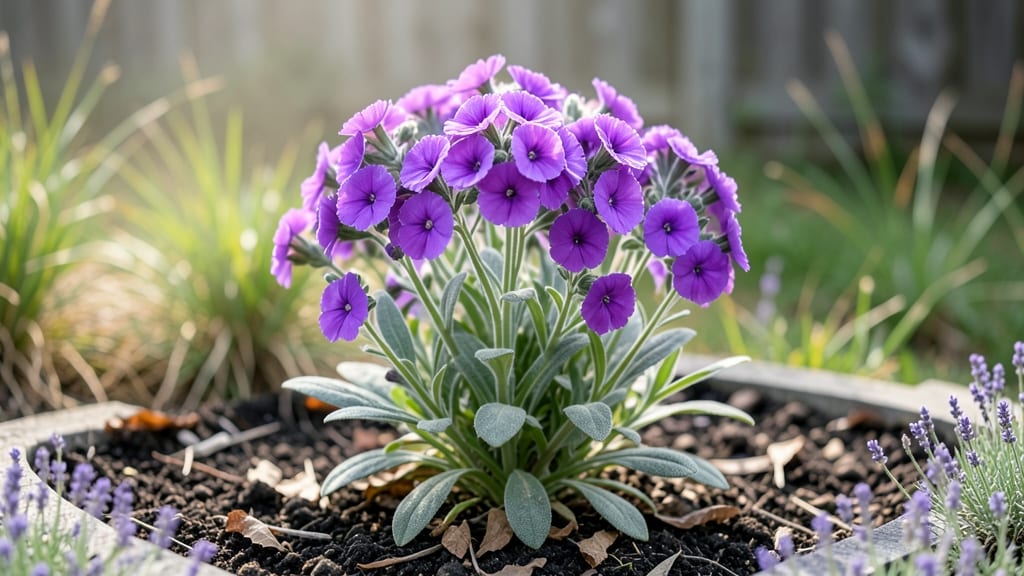
Growing purple sweet william flowers brings clusters of fragrant blooms that multiply like confetti every year—once you nail the soil, sunlight, and timing. 🌿 I learned the hard way that these delicate-looking plants demand firm soil and full sun, but the payoff is worth it: fragrant clusters that keep blooming for weeks.
My first batch surprised me with their resilience, especially when planted in well-draining soil and deadheaded regularly. The secret isn't complicated—just match their needs to your garden's conditions, and they'll reward you with vibrant purple blooms that attract bees and butterflies.
Sweet williams thrive in well-draining soil with a slightly alkaline pH, and they love full sun for at least six hours a day. Plant them in spring or early fall, spacing them about 8-12 inches apart—this gives them room to spread and multiply.
Water them moderately, keeping the soil moist but never soggy, and fertilize lightly with a balanced formula in early spring. The key to long-lasting blooms is deadheading spent flowers, which encourages more clusters to form.
With the right care, you'll see continuous blooms from late spring to early summer, and the plants will self-seed for years to come.
What makes purple sweet williams special is their fragrant, clover-like blooms that fill the air with a sweet, clove-like scent—perfect for cutting gardens or borders. They pair beautifully with salvias, coreopsis, and lavender, creating a cottage-garden look that's both charming and low-maintenance.
Even better, they're drought-tolerant once established, making them a great choice for gardeners who want color without constant fuss. Once you grow them, you'll want to plant more—they're that rewarding.
For beginners, the biggest mistake is overwatering or planting them in shady spots, which leads to leggy stems and fewer blooms. If you notice yellowing leaves, it’s usually a sign of overwatering or poor drainage—amend the soil with compost to improve structure.
And if aphids appear, a strong spray of water or neem oil usually does the trick. With a little patience, your purple sweet williams will become the star of your garden, blooming year after year with minimal effort.
📚 In This Guide
- What you need
- Instructions
- Tips and common mistakes
- Wrapping up and next steps
What you need
- ● Purple Sweet William Seeds: 20–50 seeds (depending on desired cluster size; more seeds = fuller blooms). Choose a reputable supplier for high-quality, disease-resistant varieties.
- ● Well-draining potting mix: 5–10 lbs (for containers) or amend garden soil with compost (1 part compost to 3 parts soil) for in-ground planting.
- ● Containers or garden bed: For containers: 6–12" pots with drainage holes (1–2 seeds per pot).
- ● For garden beds: Full sun (6+ hours/day) and loose, fertile soil with a pH of 6.0–7.0.
- ● Slow-release fertilizer: 1 lb (5–10–5 NPK ratio) or organic options like worm castings or composted manure.
- ● Watering can or hose with a gentle spray nozzle: Sweet williams dislike soggy roots!
- ● Hand trowel or small shovel: For transplanting seedlings or loosening soil.
- ● Pruning shears: To deadhead spent blooms and encourage regrowth.
- ● Mulch (straw or shredded leaves): 1–2 inches to retain moisture and suppress weeds.
- ○ Garden gloves: Protect your hands from prickly stems (optional but helpful!).
- ● Flower food (for cut arrangements): Extends vase life if you harvest blooms.
Step-by-Step guide to growing purple sweet william flowers
Here’s how to cultivate fragrant, prolific blooms that thrive in clusters—no fancy tricks required.
🌱 Step 1: Choose the Perfect Planting Spot
Sweet Williams adore full sun to partial shade, ideally 6-8 hours of direct sunlight daily. A south-facing bed or a spot with morning sun and afternoon shade works best. They tolerate light shade but may produce fewer blooms if deprived of light. I always test the site for a full day first—watch for areas where leaves stay lush but stems stretch thin (that’s a sign of insufficient light).
Well-draining soil is critical—these plants despise soggy roots. Amend heavy clay with 2-3 inches of compost or sand to improve aeration. A slight slope helps water run off during heavy rains. If your soil is sandy, add 1 inch of organic matter to retain moisture without suffocating roots. The ideal soil should crumble easily when squeezed—if it forms a tight ball, it’s too dense.
🌿 Step 2: Plant Seeds or Divide Clumps at the Right Time
For seeds, sow them ¼ inch deep in early spring, 4-6 weeks before your last frost date. Press them lightly into the soil—they need light to germinate, so don’t bury them too deep. Space seeds 6-8 inches apart in rows 12 inches apart for airflow. Water gently with a spray bottle to avoid displacing them. Germination takes 10-21 days, depending on temperature—cooler soil slows it down, so keep seeds moist but not soggy.
If you’re dividing clumps, do it in early spring or fall when the plant isn’t flowering. Dig up a mature clump, separate the roots into 3-4 inch sections, each with 2-3 stems, and replant immediately. Water deeply after transplanting. Dividing every 2-3 years keeps plants vigorous and prevents overcrowding, which reduces bloom production.
☀️ Step 3: Feed and Water for Continuous Blooms
Sweet Williams are heavy feeders—apply a balanced, water-soluble fertilizer (10-10-10) every 4-6 weeks during the growing season. Start fertilizing when new growth appears in spring and stop 6-8 weeks before your first frost. Over-fertilizing late in the season encourages tender growth that won’t survive winter. I like to side-dress with compost mid-season for a slow-release boost without risk of burning roots.
Water 1-1.5 inches per week, keeping the soil evenly moist but not waterlogged. Drought stress causes buds to drop, so mulch with 2-3 inches of organic mulch (like shredded bark) to retain moisture and regulate soil temperature. You’ll know you’re nailing it when the soil feels like a wrung-out sponge—damp but not dripping. Let the top 1 inch dry out between waterings to prevent root rot.
✂️ Step 4: Prune for Longer Blooming Seasons
Deadhead spent blooms weekly to encourage more flowers. Snip stems back to the first set of healthy leaves—this redirects energy from seed production to new growth. I use clean, sharp scissors to avoid tearing stems, which can invite disease. If you wait too long, the plant may produce seed pods instead of blooms, shortening your display.
After the first flush of flowers fades in early summer, give the plant a hard prune: cut back one-third of the foliage to the ground. This rejuvenates the plant and often triggers a second round of blooms in late summer or fall. Avoid pruning in late summer—new growth won’t harden off before frost.
⏰ Step 5: Overwinter for Year-Round Fragrance
Sweet Williams are perennials in USDA zones 3-9, but they need protection in colder climates. After the first hard frost, cut back stems to 2-3 inches above the ground and apply a 4-6 inch layer of mulch (like straw or leaves) to insulate roots. In zones below 5, mound extra mulch or cover with burlap in extreme winters. The goal is to keep roots from freezing—if they survive, you’ll get earlier blooms next spring.
In warmer zones, minimal winter care is needed. Just reduce watering once growth slows in fall and remove any dead foliage in early spring to prevent pests. The plant’s fragrance is strongest in cool weather, so a little winter chill actually enhances its appeal. Here’s the thing—if you’ve kept up with deadheading and feeding, your Sweet Williams will reward you with prolific blooms for years.
Tips & tricks for perfect purple sweet william blooms
Took me years to master these details—here’s how to transform your garden into a fragrant paradise with minimal effort.
Sunlight Secret: In Step 1, the 6-8 hours of sunlight is non-negotiable for those signature purple clusters. I’ve learned the hard way—even partial shade can make blooms sparse. Test your spot for a full day first: if leaves stretch toward light, move your plants. Morning sun with afternoon shade works best in hotter climates, as it prevents midday wilting while maintaining that signature fragrance.
Soil Test Trick: Before amending your soil in Step 1, squeeze a handful—if it forms a tight ball, you’re dealing with clay. Break it up with 2-3 inches of compost and a handful of sand. For sandy soil, add 1 inch of organic matter instead. The key is crumbly texture: when you squeeze, it should fall apart like cake crumbs. This prevents that dreaded "soggy roots" scenario that kills Sweet Williams faster than anything.
Germination Hack: When sowing seeds in Step 2, I’ve found that 10-21 days can feel like an eternity. Speed things up by placing a clear plastic dome or even a cut-open plastic bottle over your seed tray—this creates a mini greenhouse effect. Just remember to remove it once sprouts appear to prevent mold. And here’s what nobody tells you: if your soil stays cooler than 60°F, germination can take up to 28 days. A heat mat underneath the tray works wonders in chilly springs.
Pruning Precision: That weekly deadheading in Step 4 isn’t just about looks—it’s about redirecting energy. Use clean scissors and cut just above the first set of healthy leaves. I’ve seen gardeners snip too high, leaving stubs that rot. For the summer hard prune, mark one-third of the foliage with a ribbon before cutting—this visual guide prevents over-pruning. The result? A second bloom cycle that’s often even more fragrant than the first.
Pro Tips for Purple Sweet William Flower
- Took me years to master these details—here’s how to transform your garden into a fragrant paradise with minimal effort.
- Sunlight Secret: In Step 1, the 6-8 hours of sunlight is non-negotiable for those signature purple clusters.
- Soil Test Trick: Before amending your soil in Step 1, squeeze a handful—if it forms a tight ball, you’re dealing with clay.
Frequently asked questions
Got questions about growing purple sweet william? You’re not alone! Here are answers to the most common queries—from planting tips to troubleshooting—so your fragrant blooms thrive all season.
When is the best time to plant purple sweet william?
Plant seeds in early spring (4-6 weeks before the last frost) or in late summer for fall blooms. Transplant seedlings in spring or early fall to avoid heat stress. These flowers love cool weather, so avoid planting in summer’s peak heat.
How often should I water purple sweet william?
Keep soil consistently moist but not soggy—water deeply 2-3 times per week during dry spells. Mulch around the base to retain moisture. Overwatering can cause root rot, so ensure well-draining soil.
Why aren’t my purple sweet william flowers blooming?
Lack of blooms often means overcrowding or poor sunlight. Thin plants to 6-12 inches apart and ensure they get full sun (6+ hours daily). Deadhead spent blooms to encourage more flowers. If growth is leggy, add a balanced fertilizer in spring.
What pests or diseases commonly affect purple sweet william?
Watch for aphids, slugs, or powdery mildew. Spray aphids with soapy water and remove slugs by hand. For mildew, improve airflow and avoid overhead watering. Healthy plants with proper spacing resist most issues!
Can I grow purple sweet william in containers?
Yes! Use a 5-6 inch deep pot with drainage holes and well-draining potting mix. Plant 2-3 seedlings per container and keep them in full sun. Containers dry out faster, so water more frequently than in-ground plants.
Wrapping up and next steps
From its fragrant, lush clusters to its effortless propagation, the purple sweet william flower is a gardener’s dream come true! 🌸 With the right soil, sunlight, and care, you’ll enjoy year-round blooms that multiply beautifully—whether you’re a beginner or a seasoned green thumb.
Ready to transform your garden? Grab your shears, pick a sunny spot, and start growing these vibrant, low-maintenance beauties today!
Next step: Plant your first batch and watch as these cheerful blooms take over your garden with joy!