
Planting
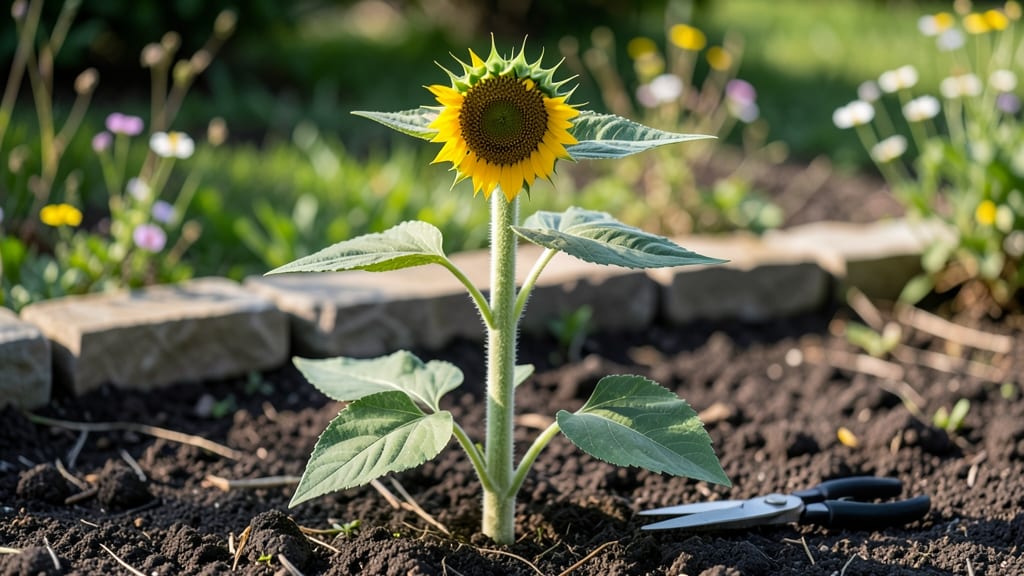
Your immature sunflower plants could be towering over your fence by summer if you start them right—no guesswork, just proven steps. 🌱 I’ve watched sunflower seeds go from dirt to dinner-plate-sized blooms in just 60 days, and the secret isn’t magic—it’s timing, soil, and a little patience.
The first week is critical: too much water drowns them, too little stalls their growth. But once those fuzzy sprouts break the surface, they’re unstoppable.
You’ll need well-draining soil, a sunny spot (at least 6 hours of direct light daily), and a 5-foot-tall space for their eventual reach. Sunflowers are forgiving, but they do hate soggy roots—think "damp, not drenched."
Plant seeds ½-inch deep, 6 inches apart, and keep the soil warm (they germinate best at 70°F+). Most gardeners overwater at this stage, but sunflowers store moisture like pros once established.
By week 3, you’ll see those first true leaves (not the initial seedling cotyledons)—that’s when you know they’re off to the races.
Tall, sturdy stems form in 4-6 weeks, and if you’ve avoided common pitfalls (like overcrowding or weak stems), your plants will stand bold and proud by midsummer. The payoff? Sunflowers that turn heads and attract pollinators all season.
This method works for all sunflower varieties, from tiny Teddy Bear types to 12-foot giants. Just adjust spacing—dwarf varieties need 12 inches apart, while mammoths need 2 feet.
The key? Start early, stay consistent, and resist the urge to fuss over them. Sunflowers thrive on confidence, not coddling.
📚 In This Guide
- What you need
- Instructions
- Tips and common mistakes
- Wrapping up and next steps
What you need
- ● Sunflower seeds: 5–10 heirloom or hybrid varieties (e.g., ‘Mammoth’ or ‘Autumn Beauty’). Choose untreated, non-GMO seeds for best germination.
- ● Seed-starting soil: 1–2 quart-sized biodegradable pots or a seed tray filled with sterilized, well-draining potting mix (avoid garden soil—it’s too dense!).
- ● Watering can or spray bottle: With a fine mist nozzle to avoid displacing seeds.
- ● Plastic wrap or humidity dome: A small clear plastic bag or seedling heat mat cover to retain moisture.
- ● Grow light or sunny windowsill: A 12–16” LED grow bulb (if indoors) or a south-facing window (6+ hours of sunlight/day).
- ● Seedling heating mat: Keeps soil at 75–85°F to speed up germination (especially in cool climates).
- ● Plant labels: To track seed varieties and planting dates.
- ● Fertilizer: A balanced, water-soluble fertilizer (5-10-5 NPK ratio) for transplanting.
- ● Tweezers: For delicate seed placement if working with tiny seeds.
Step-by-Step instructions for growing sunflowers from seed
Here's how to get those towering stems started in record time—no waiting months for blooms.
🌱 Step 1: Choose the Right Seeds and Prepare Soil
Sunflower seeds are surprisingly large, and that size matters. Pick a variety like 'Mammoth' or 'Autumn Beauty' for dramatic results, then soak the seeds overnight in lukewarm water. This softens the tough outer shell and kickstarts germination—you'll see faster sprouts in 3-5 days instead of a week.
Use a lightweight seed-starting mix (never garden soil—it's too dense). Fill 4-inch deep pots with the mix and press it down gently until it's firm but not compacted. The goal is a crumbly texture that holds moisture without turning to mud. Tap the pot once or twice to settle everything evenly.
💧 Step 2: Plant Seeds at the Correct Depth
Sunflower seeds need 1 inch of depth—deeper than most seeds, but not so deep they struggle to reach light. Drop 2-3 seeds per pot (you'll thin later) and cover them with a thin layer of the same mix. Press lightly so the soil makes contact with the seeds but doesn't bury them too deeply.
Water gently with a spray bottle until the soil is evenly moist. Avoid soaking the pots—the seeds need consistent moisture, not a soggy environment. If the soil surface looks glistening after watering, you've gone too far. Let it dry slightly between waterings once the seeds sprout.
☀️ Step 3: Provide Warmth and Light for Fast Germination
Sunflowers love warmth, and 70-75°F soil temperatures speed up germination dramatically. Place the pots in a sunny window or under a grow light positioned 4-6 inches above the soil. If your home runs cooler, use a seedling heat mat—it keeps the soil 10°F warmer and cuts germination time by nearly half.
Watch for the first true leaves to appear in 3-7 days. These will be the second set of leaves after the initial cotyledons (the first pair). Once they emerge, remove the weaker seedlings, leaving only the strongest one per pot. This prevents overcrowding and ensures bold, sturdy stems.
🌿 Step 4: Thin and Support for Bold Growth
When seedlings reach 4-6 inches tall, it's time to thin and provide support. Use a small stake or bamboo skewer to gently guide the main stem upright. Bury the stake 1 inch deep next to the plant and tie it loosely with a soft strip of cloth or old T-shirt. This prevents stem damage as the sunflower grows.
Sunflowers are heavy feeders, so fertilize lightly with a balanced 10-10-10 formula once the first true leaves appear. Water deeply at the base—never overhead—to keep the foliage dry and prevent fungal diseases. You'll notice the stems thickening within a week if everything is on track.
Tips & tricks for fast-germinating sunflower seedlings
Here's what I learned after watching my first batch of sunflower seeds struggle to sprout—these tricks cut germination time nearly in half.
Soaking Secret: The overnight soak in lukewarm water isn't just helpful—it's essential for breaking down the tough outer shell of sunflower seeds. I've found that using a glass jar with a loose lid works best; it prevents condensation buildup that could rot the seeds. After soaking, drain them completely before planting—soggy seeds won't germinate well.
Soil Temperature Matters: Those 70-75°F soil temperatures mentioned in Step 3 are non-negotiable for fast results. If your home runs cooler, invest in a seedling heat mat—it's the difference between germination in 3 days versus 10. I keep mine plugged in until sprouts appear, then remove it to prevent overheating. The 10°F warmer boost makes all the difference in cold climates.
Light Positioning: When placing your pots under grow lights, remember that sunflowers need intense light from the moment they sprout. Position the light 4-6 inches above the soil and adjust as seedlings grow. I've seen seedlings stretch painfully toward weak light sources—this condition, called "leggy growth," weakens stems before they even reach maturity.
Thinning Strategy: In Step 3, when you remove weaker seedlings, save the strongest one and give it space to breathe. Crowded seedlings compete for nutrients, resulting in weak stems that can't support those massive blooms later. I always leave at least 2 inches between remaining plants—this gives them room to develop sturdy, thick stems from the start.
Pro Tips for Immature Sunflower Plant
- Here's what I learned after watching my first batch of sunflower seeds struggle to sprout—these tricks cut germination time nearly in half.
- Soaking Secret: The overnight soak in lukewarm water isn't just helpful—it's essential for breaking down the tough outer shell of sunflower seeds.
- Soil Temperature Matters: Those 70-75°F soil temperatures mentioned in Step 3 are non-negotiable for fast results.
Frequently asked questions
Got questions about nurturing your immature sunflower plant? You’re not alone! Here are answers to common concerns to help you grow those towering blooms with confidence.
How long does it take for a sunflower seed to germinate?
Most sunflower seeds sprout in 7–14 days under ideal conditions (warm soil, 70–90°F, and consistent moisture). If you’ve waited three weeks without sprouts, the seed may be dormant or dead—try replanting!
What’s the best time to transplant an immature sunflower?
Transplant seedlings when they’re 4–6 inches tall and have 2–3 true leaves (not just the initial seed leaves). Do it in the evening to reduce stress, and water thoroughly before and after moving.
Why is my immature sunflower wilting even with water?
Wilt can mean overwatering (roots suffocate), underwatering (dry soil), or pests (like aphids). Check soil moisture 1 inch below the surface—it should feel damp, not soggy. Inspect leaves for bugs too!
Can I grow sunflowers from store-bought seeds?
Store-bought sunflower seeds (even from packaged snacks) can germinate, but opt for heirloom or hybrid seeds from nurseries for better growth. Rinse seeds gently to remove salt/sugar before planting.
How much sunlight do immature sunflowers need?
Sunflowers are sun-worshippers! Give them 6–8+ hours of direct sunlight daily, even as seedlings. If indoors, use a grow light 12–16 inches away for 14–16 hours/day until outdoors.
What if my sunflower starts leaning?
Leaning is normal as they seek sunlight, but for straight stems, gently stake young plants (use bamboo stakes or tomato cages) or rotate pots daily to encourage even growth. Avoid heavy winds!
Wrapping up and next steps
Growing an immature sunflower plant from seed is a rewarding journey—one that starts with patience and ends with towering, vibrant blooms! 🌱 By following the right steps, from selecting the perfect soil to providing consistent care, you’ll set your sunflowers up for success.
Remember, even the boldest stems begin with a tiny seed, and your green thumb is all it takes to nurture them.
Ready to watch your garden flourish? Plant those seeds today and enjoy the magic of watching your sunflowers grow tall and proud! For even better results, experiment with different varieties or share your progress with fellow gardening enthusiasts—you’ve got this! 🌻✨