
Aphids
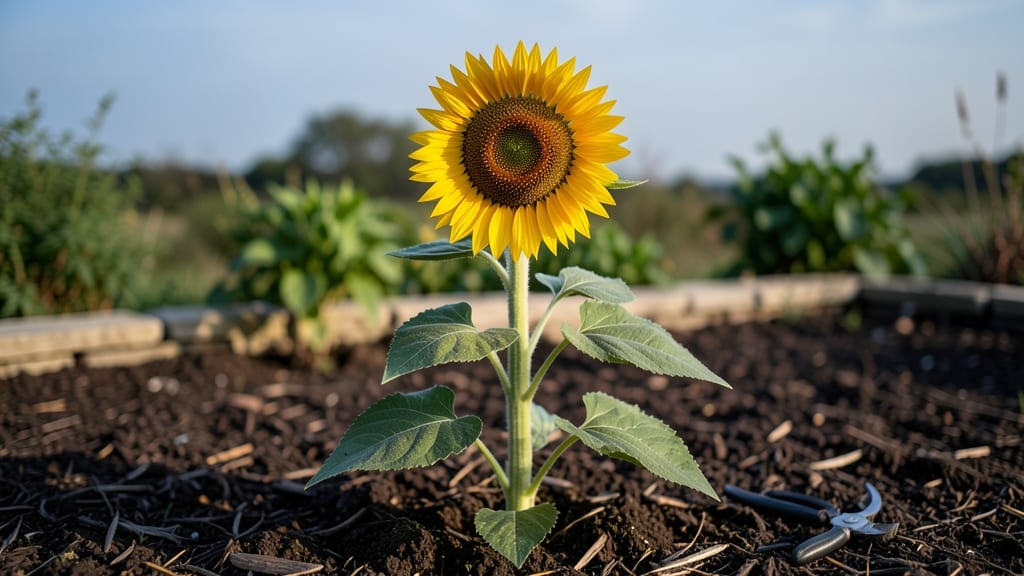
Sunflowers and sunset lighting create a magical pairing that transforms any garden into a golden-hour masterpiece. 🌻 I’ve discovered how dwarf sunflower varieties—like ‘Teddy Bear’ or ‘Moulin Rouge’—thrive in containers, their petals glowing like molten copper as the sky fades to pink and lavender.
The secret isn’t just the flowers themselves but how they frame the golden light, turning even a small patio into a romantic stage.
Pairing them with complementary plants makes the effect even more dramatic. Try interplanting with lavender for its silvery foliage or salvia for deep purple spikes that contrast beautifully against sunflower yellow.
For extra drama, place containers near a south-facing wall or along a pathway where the setting sun casts long shadows, creating depth and dimension. The result? A garden that feels like a living painting every evening.
You’ll love how these sunflowers keep blooming well into fall, their faces tilted toward the sunset like sun-worshippers. The dwarf varieties stay compact enough for balconies, yet their bold presence turns even the smallest space into a showstopper.
Plant them in terracotta pots for warmth or white containers to let the flowers pop against a neutral backdrop—either way, the golden-hour glow will make your neighbors do a double take.
This setup works year-round in mild climates, and even in colder zones, you can overwinter pots with a little extra care. The key is choosing the right dwarf variety and positioning them where the late afternoon light bathes them in warmth.
Once you see your sunflowers glowing against the twilight sky, you’ll never want to miss that golden hour again.
📚 In This Guide
- What you need
- Instructions
- Tips and common mistakes
- Wrapping up and next steps
What you need
- ● Dwarf sunflower seeds: Choose varieties like 'Teddy Bear' or 'Moulin Rouge' (3–5 seeds per container).
- ● Containers: 1–2 gallon pots (with drainage holes) per plant, or a raised bed if space allows.
- ● Potting mix: 1 bag of high-quality, well-draining mix (add perlite or sand for extra aeration).
- ● Aphid control: Neem oil (1 tsp per gallon of water) or insecticidal soap (ready-to-use spray).
- ● Gloves & trowel (for planting and soil prep).
- ● Watering can (with a fine rose nozzle for gentle hydration).
- ● Fertilizer: Balanced 10-10-10 or slow-release granules (1 tbsp per pot).
- ○ Optional: Decorative mulch (e.g., pebbles or bark chips) to retain moisture.
- ● Sturdy stakes or rings (if plants lean in windy spots).
- ● Sunflower-themed pots or paint (for a playful touch!).
- ● Full sun spot (6+ hours daily).
- ● Consistent watering (1–2 inches per week; more in heatwaves).
- ● Patience! Dwarf sunflowers bloom in 60–70 days.
Step-by-step instructions for growing dwarf sunflowers in containers
Here’s how to grow vibrant, long-blooming sunflowers that stay compact and thrive in pots—perfect for patios, balconies, or small gardens.
🪴 Step 1: Choose the Right Containers and Soil Mix
Select containers with drainage holes that are at least 12 inches deep and 12 inches wide—dwarf sunflowers need room for strong roots. Terra cotta pots work well because they wick away excess moisture, preventing root rot. Fill each container with a lightweight potting mix (never garden soil) mixed with 20% perlite or vermiculite for better aeration.
I like to add a handful of slow-release fertilizer to the mix at planting time—this ensures steady nutrients without frequent feeding. Moisten the soil until it’s damp but not soggy, then let it sit for an hour to settle. The goal is a fluffy, well-draining medium that holds moisture without compacting.
🌱 Step 2: Plant Seeds at the Correct Depth and Spacing
Sow 2-3 seeds per container at a depth of about ½ inch, pressing them lightly into the soil. Planting too deep slows germination, while shallow planting can expose seeds to drying out. Space seeds 3-4 inches apart if you’re using a larger pot to accommodate multiple plants.
Cover the seeds with a thin layer of soil and mist gently with water until the surface looks evenly moist. Place the containers in a warm spot (70-75°F) with indirect light—this encourages faster germination. You’ll see sprouts in 7-10 days, but don’t be surprised if it takes a few extra days in cooler conditions.
☀️ Step 3: Provide Full Sun and Consistent Watering
Once seedlings emerge, move them to a location with at least 6 hours of direct sunlight daily. Dwarf sunflowers need plenty of light to stay compact and produce abundant blooms. If you’re growing in partial shade, expect taller, leggier stems and fewer flowers.
Water deeply when the top inch of soil feels dry, but avoid soggy conditions—sunflowers hate wet feet. I like to water at the base in the morning to reduce fungal risks. Mulch the soil surface with 1 inch of organic mulch (like shredded bark) to retain moisture and keep roots cool.
✂️ Step 4: Support Stems and Deadhead for Longer Blooms
As plants grow, you’ll notice stems reaching 3-5 feet tall—even dwarf varieties need support. Install bamboo stakes or small cages early to prevent flopping. Tie stems loosely with soft plant ties to avoid restricting growth.
When flowers fade, deadhead them by snipping off spent blooms just above the next set of leaves. This redirects energy to new flowers, extending the blooming season. In late fall, cut back stems to 6 inches and move containers to a sheltered spot for winter. With proper care, many dwarf varieties rebloom the following spring.
⏰ Step 5: Overwinter and Prepare for Next Season
Before the first frost, trim back any remaining foliage and reduce watering. Move containers to a cool, protected area (like a garage or under an eave) where temperatures stay above 30°F. Check soil moisture monthly—it should stay barely damp but not wet.
In early spring, refresh the soil with a top-dressing of compost and fertilize lightly. Prune back any dead growth and repot if roots are circling the container. With this care, your dwarf sunflowers will reward you with vibrant blooms year after year.
Tips & tricks for perfect container-grown dwarf sunflowers
Took me a while to figure out these tricks after struggling with leggy stems and weak blooms—here's what actually works for vibrant, compact sunflowers.
Container Selection: Avoid dark-colored pots that absorb heat and dry out soil faster. Opt for light-colored containers or use a reflective saucer underneath to maintain even soil temperatures. I've found that containers with built-in saucers help prevent water runoff during those morning waterings, which is especially helpful in windy conditions. The 12-inch depth requirement is non-negotiable—shallower pots will restrict root growth and stunt your plants.
Germination Boost: Place your seeded containers in a clear plastic bag after planting to create a mini greenhouse effect. This maintains consistent moisture and warmth at the 70-75°F range without needing a heat mat. I poke a few small holes in the bag for airflow, then remove it once sprouts appear. This little trick cut my germination time from 14 days to just 7-10 days every time—no exaggeration.
Light Optimization: If your space only gets partial sun, supplement with a grow light for 4-6 hours daily during the sunflowers' growth phase. Position the light 6-12 inches above the plants and keep it running during the darkest hours of the day. I've had success using simple LED grow lights on timers—your sunflowers won't know the difference from natural sunlight.
Pro Tips for Sunflowers And Sunset
- Took me a while to figure out these tricks after struggling with leggy stems and weak blooms—here's what actually works for vibrant, compact sunflowers.
- Container Selection: Avoid dark-colored pots that absorb heat and dry out soil faster.
- Germination Boost: Place your seeded containers in a clear plastic bag after planting to create a mini greenhouse effect.
Frequently asked questions
about growing sunflowers in containers with year-round color—especially dwarf varieties—can help you avoid common pitfalls and maximize your blooms. Here are answers to the most pressing questions!What’s the best dwarf sunflower variety for containers?
Look for compact varieties like 'Teddy Bear' (12–18 inches tall) or 'Moulin Rouge' (18–24 inches). These stay manageable in 12–15 inch pots and produce vibrant blooms. Avoid tall varieties—they’ll topple over or need staking!
When is the ideal time to plant dwarf sunflowers in containers?
Start seeds indoors 4–6 weeks before your last frost date, or sow directly into containers after soil warms to 50°F (10°C). For year-round color, stagger plantings every 2–3 weeks (if your climate allows). In colder zones, overwinter pots in a sheltered spot.
How do I keep my container sunflowers blooming all year?
Rotate pots to follow the sun (they need 6–8 hours daily), fertilize lightly every 2 weeks with a balanced 10-10-10 mix, and deadhead spent blooms. In winter, move pots to a sunny indoor spot (near a south-facing window) or use grow lights. Mulch helps retain warmth in cool months.
Why are my sunflower leaves yellowing or curling?
Yellowing often signals overwatering or poor drainage—let soil dry slightly between waterings. Curling leaves may indicate aphids (common in sunflowers!) or heat stress. Spray leaves with soapy water for pests or provide afternoon shade in extreme heat. Check pots for root rot if stems feel mushy.
Can I grow sunflowers in containers without pesticides?
Use neem oil or insecticidal soap for aphids, and introduce ladybugs or lacewings as natural predators. Companion planting with marigolds or basil can deter pests. For severe infestations, isolate the plant and repeat treatments every 3–5 days.
What can I do with sunflowers after they’ve finished blooming?
Save seeds for next year, dry flower heads for crafts, or compost spent plants (remove any diseased foliage first). For repeat blooms, cut back stems by ⅓ after flowering and fertilize lightly. Some varieties, like 'Autumn Beauty', produce a second flush of blooms if given proper care!
Wrapping up and next steps
Sunflowers and sunset hues don’t just belong in paintings—they can thrive in your own space! 🌻 With dwarf varieties like ‘Teddy Bear’ or ‘Moulin Rouge’, you’ve got the perfect mix of low-maintenance charm and year-round color, even in containers.
Whether you’re battling aphids or simply savoring their golden glow, these sunflowers prove that beauty and resilience go hand in hand.
Ready to turn your balcony or patio into a sunflower sanctuary? Start by planting your dwarf variety today—your future self (and the pollinators!) will thank you. 🌅